


 Mexico : Safety by City
- Acapulco
- Aguascalientes
- Cabo San Lucas
- Cancun
- Chichen Itza
- Chihuahua
- Cozumel
- Cuernavaca
- Culiacan
- Durango
- Ensenada
- Guadalajara
- Guanajuato
- Hermosillo
- Huatulco
- Isla Holbox
- Isla Mujeres
- Ixtapa
- Juarez
- Leon
- Los Cabos
- Manzanillo
- Matamoros
- Mazatlan
- Merida
- Mexicali
- Mexico City
- Monterrey
- Morelia
- Nogales
- Nuevo Laredo
- Oaxaca
- Piedras Negras
- Playa del Carmen
- Puebla
- Puerto Morelos
- Puerto Vallarta
- Queretaro City
- Reynosa
- Saltillo
- San Luis Potosi
- San Miguel de Allende
- Sayulita
- Tijuana
- Tulum
- Valladolid
- Veracruz
- Zacatecas
- Zamora
- Zapopan
- Zihuatanejo
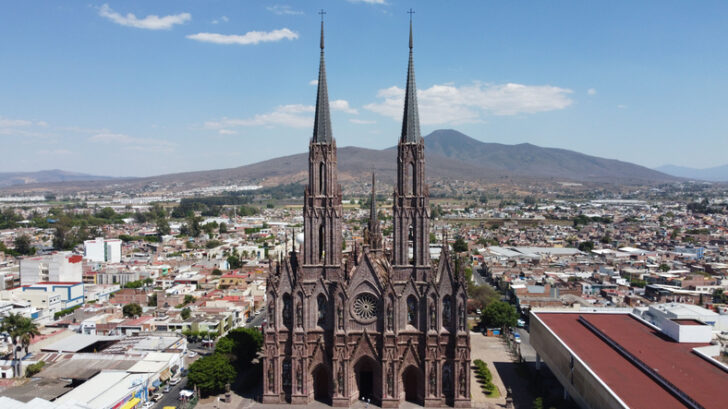
Nestled in the fertile heart of Michoacán, Zamora is often called the “City of Strawberries,” a nod to its booming agricultural industry, and it is also a key player in Mexico’s avocado trade.
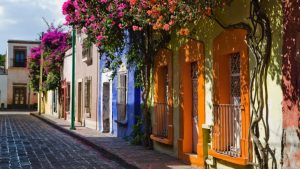
At first glance, its colonial churches, tree-lined plazas, and bustling local markets hint at a charming, small-city vibe, perfect for travelers seeking authentic Mexican culture off the usual tourist track.
Beneath the picturesque streets lies a more complex reality.
Zamora is caught in the crossfire of organized crime, making it one of the most volatile cities in the country.
From historic landmarks to local culinary delights, the city has a lot to offer, but visitors need to navigate it with caution.
For the curious traveler, Zamora presents a rare mix of rich culture, economic importance, and high-stakes tension, a place where every corner tells a story if you know how to read it.
Warnings & Dangers in Zamora

OVERALL RISK: HIGH
Zamora is considered one of the most violent cities in Mexico. The main dangers come from organized crime, shootings, and armed confrontations. Tourists are not usually directly targeted, but the pervasive violence increases the risk of being caught in dangerous situations.

TRANSPORT & TAXIS RISK: MEDIUM
Public transport is available, but some buses and taxis operate informally and may expose travelers to risk. Using registered taxis or arranging transport through trusted local contacts is strongly recommended. Night travel should be avoided whenever possible.

PICKPOCKETS RISK: MEDIUM
Street theft and pickpocketing are not the city’s primary threat, but opportunistic crime does occur, especially in crowded markets. Visitors should secure valuables and avoid carrying unnecessary cash or electronics in public.

NATURAL DISASTERS RISK: LOW
Zamora does not face significant natural disaster threats. Earthquakes and hurricanes are rare in this region. Weather-related risks, such as occasional heavy rains, are minor compared to crime-related dangers.

MUGGING RISK: HIGH
Mugging and robbery are more common than petty theft. Armed robberies have been reported in residential areas, public spaces, and even in vehicles. Tourists are advised to avoid walking alone after dark and to remain highly vigilant at all times.

TERRORISM RISK: LOW
Zamora has no history of terrorism targeting civilians or tourists. The main security concern is organized crime, not political or terrorist attacks.

SCAMS RISK: MEDIUM
Fraud and scams exist, particularly targeting visitors unfamiliar with local practices. Money exchanges, informal taxi fares, and “helpful” strangers can pose financial risks. Awareness and caution are essential.

WOMEN TRAVELERS RISK: HIGH
Women traveling alone face higher risks due to potential harassment and the general security situation. Traveling in groups, staying in trusted accommodations, and avoiding isolated areas are strongly advised.

TAP WATER RISK: HIGH
Tap water is generally not safe to drink. Travelers should use bottled or filtered water for drinking and brushing teeth to avoid waterborne illnesses.
Safest Places to Visit in Zamora
While Zamora faces high levels of violence in some areas, there are still spots in the city where tourists can safely experience its culture and history during the day.
The historic city center is the safest area for visitors, with busy streets, shops, and municipal offices that provide natural surveillance.
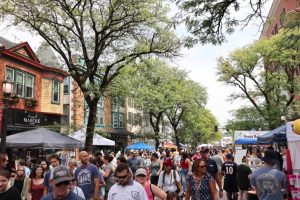
Key highlights include Plaza Principal, where locals gather and markets operate during daylight, offering a glimpse of everyday life in Zamora.
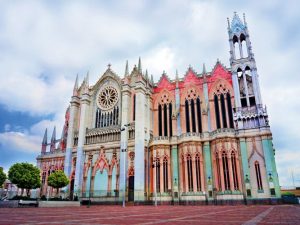
The Templo de la Inmaculada Concepción and Parroquia de San Francisco are prominent colonial churches with active congregations, meaning these areas remain populated and relatively secure.
Markets such as Mercado Hidalgo are popular with locals and can be explored safely if you stay aware of your surroundings and keep your belongings secure.
For a more relaxed experience, Parque Centenario and the nearby Alameda provide green spaces for daytime walks and photography.
These parks are frequented by families and children, making them lower-risk areas for tourists.
Visitors should always travel with a local guide or stay in groups when venturing, even in these safer zones.
While Zamora does not have the extensive tourist infrastructure seen in other Mexican cities, sticking to central, populated areas during daylight hours allows travelers to enjoy the city’s colonial architecture, local cuisine, and cultural vibe with the least exposure to the city’s broader safety risks.
Places to Avoid in Zamora
Travelers to Zamora should be extremely cautious about venturing outside the city’s central areas.
Peripheral neighborhoods and residential outskirts, particularly those far from municipal offices or major commercial streets, are known for higher crime rates linked to organized crime and armed confrontations.
Areas like industrial zones and sections along the outskirts of the riverside and rural roads are especially risky, with reports of robberies, shootings, and occasional blockades.
The train station area can feel deserted after dark and has seen incidents of petty theft and robbery.
Remote streets and alleyways, even within the city, should be avoided at night, as low foot traffic and poor lighting create opportunities for crime.
Travelers should also avoid large public gatherings or spontaneous events without local guidance, since these can unexpectedly escalate or attract criminal activity.
Even well-populated markets or streets can become dangerous after sunset, so limiting activity to daytime hours in the central, monitored areas is essential.
Hiring a trusted local guide or consulting hotel staff for real-time security advice is highly recommended before visiting any part of the city beyond the historic center.
Overall, vigilance and strict avoidance of the outskirts are critical to minimizing risk in Zamora.
Safety Tips for Traveling to Zamora
- Avoid Night Travel Entirely – Zamora is significantly more dangerous after dark. Limit all travel and sightseeing to daylight hours, as violent incidents and armed robberies spike at night.
- Stay in Secure Accommodations – Choose hotels with gated entrances, security guards, and surveillance cameras. Avoid staying in budget hotels or unknown guesthouses that lack security measures.
- Use Trusted Transportation Only – Do not hail taxis on the street. Arrange rides through your hotel, official taxi services, or rideshare apps where available. Avoid public buses after dark, as routes may pass through unsafe areas.
- Travel in Groups Whenever Possible – Solo travel increases vulnerability. Join guided tours or explore the city with companions, especially when visiting markets or public spaces.
- Minimize Cash and Valuables – Carry only what you need for the day. Keep passports, credit cards, and electronics secured in anti-theft bags or inner pockets. Avoid flashy clothing or expensive jewelry that draws attention.
- Stay Informed on Local Security – Follow local news, social media alerts, and advice from hotel staff about areas to avoid or recent incidents. Security situations can change rapidly in Zamora.
- Avoid Peripheral and Rural Areas – Industrial zones, outskirts, and rural roads are high-risk due to organized crime activity. Stick to the central, populated parts of the city where visibility and police presence are higher.
- Blend In and Be Low-Profile – Avoid behaviors that make you stand out as a tourist, such as taking photos of unfamiliar areas or openly displaying money. Keep a calm, discreet presence.
- Have Emergency Contacts Ready – Save numbers for local police, your country’s embassy, hotel security, and trusted local guides. Know the quickest route to your accommodation in case of an emergency.
- Do Not Engage with Strangers Offering Help – Offers of assistance from unknown individuals, even if seemingly friendly, can lead to scams or dangerous situations. Politely decline and rely on official personnel or local contacts.
So... How Safe Is Zamora Really?
Zamora, Michoacán, is currently one of the most dangerous cities in Mexico and ranks among the world’s most violent urban areas.
Its high crime rates are largely fueled by organized crime and cartel activity, which influence much of the local security situation.
According to recent homicide statistics, Zamora has seen multiple incidents per 100,000 inhabitants each year, far exceeding national averages.
While tourists are rarely the direct targets of violence, the sheer prevalence of armed confrontations, shootings, and robberies means anyone in the wrong place at the wrong time could be at risk.
Most violent incidents occur on the outskirts, along rural roads, or in isolated neighborhoods.
Even the city center, while comparatively safer during daylight hours, can pose threats if visited at night or without awareness of current conditions.
Kidnappings, vehicle hijackings, and armed robberies have been reported in both commercial and residential areas.
Petty theft and scams are less frequent but still present, especially in busy markets or crowded events.
Travelers to Zamora must exercise extreme caution.
Planning routes in advance, avoiding peripheral zones, and sticking to populated, well-monitored areas is essential.
Using local guidance or trusted contacts greatly reduces risk.
Overall, while Zamora has cultural and historical attractions, the city’s safety environment is unstable and unpredictable, making it a high-risk destination.
For anyone considering visiting, awareness, preparation, and strict adherence to security advice are critical.
How Does Zamora Compare?
| City | Safety Index |
|---|---|
| Zamora |
30 |
| Ensenada |
78 |
| Tijuana |
38 |
| Isla Holbox |
85 |
| Puerto Vallarta |
72 |
| Ixtapa |
70 |
| Cancun |
70 |
 Burnaby Burnaby | 65 |
 Port-au-Prince Port-au-Prince | 20 |
 Kasane Kasane | 84 |
 Santorini Santorini | 78 |
 Liberal Liberal | 90 |
 Kotor Kotor | 79 |
Useful Information

Visas
Tourists from most countries, including the US and Canada, can enter Mexico visa-free for up to 180 days. A valid passport is required. Travelers should carry copies of documents in case of emergency.

Currency
The Mexican peso (MXN) is used. ATMs are available, but withdrawing large sums at once is not advised. Exchange money at banks or trusted institutions.

Weather
Zamora has a warm, semi-tropical climate. Summers can be hot and humid, winters mild. Light, breathable clothing is recommended, along with sun protection and sturdy shoes.

Airports
The closest major airport is General Francisco J. Múgica International Airport in Morelia, roughly 120 km away. Travelers can reach Zamora by bus or rental car, but should plan routes carefully due to security concerns on rural roads.

Travel Insurance
Travel insurance is strongly advised, covering medical emergencies, theft, and evacuation. Insurance provides critical support in a city with elevated security risks.
Zamora Weather Averages (Temperatures)
Average High/Low Temperature
| Temperature / Month | Jan | Feb | Mar | Apr | May | Jun | Jul | Aug | Sep | Oct | Nov | Dec |
|---|---|---|---|---|---|---|---|---|---|---|---|---|
| High °C |
23 | 25 | 27 | 30 | 31 | 28 | 26 | 26 | 26 | 25 | 23 | 22 |
| Low °C |
10 | 12 | 14 | 17 | 17 | 17 | 16 | 16 | 15 | 14 | 12 | 10 |
| High °F |
73 | 77 | 81 | 86 | 88 | 82 | 79 | 79 | 79 | 77 | 73 | 72 |
| Low °F |
50 | 54 | 57 | 63 | 63 | 63 | 61 | 61 | 59 | 57 | 54 | 50 |















It’s a shame to see such a beautiful place hiding its struggles behind those charming streets; there’s something haunting yet captivating about its stories.
Zamora definitely has this cool vibe with its markets and all, but you can feel a strange tension in the air if you’re wandering around. Just gotta be smart about where you roam, you know?
Did you feel the same mix of charm and tension when you were exploring Zamora, or did one overshadow the other for you?
Las fresas del mercado saben a gloria, pero sí me dieron nervios ver patrullas y retenes por la noche.
Those strawberry stalls really hit your nose, but after wandering the plazas and markets up close I kept my guard up because you can still feel the tension from the organized crime.
Kinda felt oddly proud standing in the busy market while keeping one eye on the streets by the colonial church.
Did you ever get that weird mix of the sweet strawberry scent from the market and a little knot in your stomach walking by the cathedral at dusk?
After wandering the market and smelling fresh strawberries while seeing armed patrols nearby, did you ever feel torn between the city’s genuine warmth and a low-level anxiety about safety?
The tree-lined plazas and strawberry stalls are really charming, but I felt a little on edge wandering the markets.
The markets there have such a vibrant energy but you definitely feel the tension just walking around sometimes.