


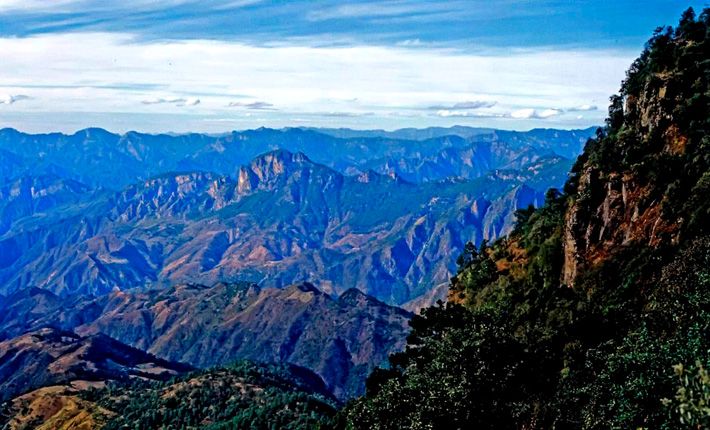
 Mexico : Safety by City
- Acapulco
- Aguascalientes
- Cabo San Lucas
- Cancun
- Chichen Itza
- Chihuahua
- Cozumel
- Cuernavaca
- Culiacan
- Durango
- Ensenada
- Guadalajara
- Guanajuato
- Hermosillo
- Huatulco
- Isla Holbox
- Isla Mujeres
- Ixtapa
- Juarez
- Leon
- Los Cabos
- Manzanillo
- Matamoros
- Mazatlan
- Merida
- Mexicali
- Mexico City
- Monterrey
- Morelia
- Nogales
- Nuevo Laredo
- Oaxaca
- Piedras Negras
- Playa del Carmen
- Puebla
- Puerto Morelos
- Puerto Vallarta
- Queretaro City
- Reynosa
- Saltillo
- San Luis Potosi
- San Miguel de Allende
- Sayulita
- Tijuana
- Tulum
- Valladolid
- Veracruz
- Zacatecas
- Zamora
- Zapopan
- Zihuatanejo
Durango, Mexico, sits in the country’s north-central highlands and often surprises travelers who expect a rough industrial city and instead find a handsome colonial center, broad plazas, mountain views, and deep film history.
This is the capital of the state of Durango, a city known for its baroque cathedral, old western movie connections, and a calmer pace than many of Mexico’s larger urban centers.
I find Durango interesting because it feels less polished for tourists and more lived-in, which can be a good thing if you like real cities with local character.
Safety-wise, it is not one of Mexico’s most carefree destinations, but it is also not a place most travelers need to panic about.
The key is knowing where to stay, how to move around, and when to be extra cautious.
Warnings & Dangers in Durango

OVERALL RISK: MEDIUM
Durango is manageable for tourists who use common sense, stay in central areas, and avoid wandering into unfamiliar neighborhoods after dark. The city itself is usually more comfortable than the headlines about northern Mexico suggest, but the wider state has security concerns, especially in remote areas and on certain roads. Most visits are trouble-free, though this is not a destination for careless travel.

TRANSPORT & TAXIS RISK: MEDIUM
Transport risk is mostly about choosing the right option. Registered taxis, app-based rides, and hotel-arranged transport are the safest bets. Public transit is cheap but can be confusing for first-time visitors, especially at night. Driving outside the city requires more caution, particularly on isolated routes, after dark, or in rural areas where road security can be less predictable.

PICKPOCKETS RISK: LOW
Pickpocketing is not usually the main travel problem in Durango, especially compared with larger tourist-heavy cities. That said, bus terminals, crowded plazas, markets, and festivals still create opportunities for petty theft. I would not call it a hotspot for professional pickpocket crews, but travelers should still keep phones, wallets, and bags secure in busy public areas.

NATURAL DISASTERS RISK: MEDIUM
Durango does not face the same hurricane threat as Mexico’s coastal destinations, but heavy summer rain can cause localized flooding, slippery streets, and travel delays. The surrounding mountains can also bring sudden weather shifts. Earthquake risk exists in Mexico generally, though it is not the main day-to-day concern here. Weather disruptions are more likely than major disaster scenarios for most visitors.

MUGGING RISK: MEDIUM
Mugging risk is real enough to take seriously, especially at night, in poorly lit streets, and in areas away from the center. Most violent incidents are not aimed at tourists, but opportunistic robbery can happen if someone looks distracted, drunk, or isolated. Walking alone late at night with a phone out and no situational awareness is simply asking too much of luck.

TERRORISM RISK: LOW
For ordinary travelers, terrorism is not a practical day-to-day concern in Durango in the way it might be in some other parts of the world. The larger safety issue is organized crime, not ideological attacks aimed at visitors. Travelers should still stay alert to local security developments, but the average tourist is far more likely to deal with theft or transport issues than terrorism.

SCAMS RISK: LOW
Scams exist, but Durango is not especially notorious for tourist trickery. The more likely problems are taxi overcharging, inflated prices for visitors who do not ask in advance, and occasional card issues or cash misunderstandings. A little caution goes a long way. Confirm prices, use smaller bills when possible, and be careful with strangers offering unusually helpful services.

WOMEN TRAVELERS RISK: MEDIUM
Women can travel in Durango, but it is smartest to do so with stronger-than-average awareness. Daytime sightseeing in central areas is usually comfortable, while nightlife and late solo walks require more care. I would recommend using trusted rides at night, avoiding isolated bars or side streets, and keeping friends or hotel staff informed about evening plans if traveling alone.

TAP WATER RISK: HIGH
Like in much of Mexico, tap water in Durango is not something tourists should rely on for drinking. Stick with sealed bottled water or properly filtered water, and use the same caution for ice unless you trust the restaurant or hotel. Even travelers with strong stomachs can lose valuable vacation time by being too adventurous with water safety.
Safest Places to Visit in Durango
Historic Center
The Historic Center is the easiest place for most travelers to enjoy Durango with the least stress.
Around the cathedral, main plazas, and walkable central streets, you get the city at its most visitor-friendly.
There are restaurants, cafes, shops, and enough foot traffic to feel comfortable during the day and early evening.
This is where I would tell first-time visitors to spend most of their time.
Plaza De Armas And Cathedral Area
This is the classic heart-of-the-city zone.
The plaza is good for people-watching, taking photos, and getting your bearings.
It tends to feel safer because it is active, visible, and surrounded by everyday city life.
It is also a good place to start if you want to explore without overcomplicating your route on day one.
Parque Guadiana And Nearby Green Areas
Parque Guadiana is one of the more relaxed parts of the city for a daytime break.
Families, couples, and local residents use the park, which usually makes it feel more comfortable than isolated areas on the urban edge.
Nearby green spaces and cultural spots are good choices if you want a lower-key visit away from traffic-heavy streets.
Paseo Del Viejo Oeste
One of Durango’s most unusual attractions is its western film heritage, and Paseo del Viejo Oeste is a fun example of that.
Because it is a known visitor stop rather than an improvised side trip into the unknown, it is a better choice than aimless exploration on the outskirts.
I would go during daylight hours and preferably with arranged transport.
Places to Avoid in Durango
Remote Outskirts After Dark
The biggest mistake visitors make is assuming the city edge is just as comfortable as the center.
It is not.
Outer neighborhoods, isolated roads, and poorly lit areas become much less appealing after dark.
Even if a place looks quiet rather than dangerous, that quiet can work against you if something goes wrong and there are few people around.
Bus And Transit Areas Late At Night
Bus terminals and surrounding streets deserve extra caution, especially if you arrive late, look tired, and are carrying luggage.
These places are not automatic danger zones, but they can attract petty criminals and opportunists.
I would rather pay a little more for a direct ride to the hotel than stand around outside a terminal trying to figure things out.
Unfamiliar Residential Neighborhoods
Durango is not the kind of city where tourists should freelance their way through random neighborhoods for “authenticity.”
Residential districts away from central attractions may be perfectly normal for locals yet still poor choices for a traveler who does not know the area.
Unless you have a reason to be there, stick to known zones, especially in the evening.
Rural Roads And Isolated Highway Routes
This matters even more than a specific city neighborhood.
The state around Durango has security concerns that are more serious than what most visitors will feel in the center.
Remote roads, mountain routes, and nighttime highway travel are the places where risk rises fastest.
For travelers, the safest strategy is simple: move in daylight and keep side trips well planned.
Safety Tips for Traveling to Durango
- Stay In The Central Tourist-Friendly Area. Choose accommodation in or near the Historic Center. This gives you easier access to restaurants, plazas, and transport while reducing the chance that you end up walking through unfamiliar areas at night.
- Use Trusted Transportation. Use registered taxis, rides arranged by your hotel, or reputable app-based services when available. Avoid hopping into random street vehicles, especially late at night or from transport hubs.
- Do Not Drive Long Distances After Dark. If you plan to explore outside the city, schedule road trips for daylight. Night driving in remote parts of northern Mexico adds unnecessary risk from road conditions, isolation, and security concerns.
- Keep A Low Profile. Expensive watches, jewelry, flashy cameras, and phones held out in the open can make you look like a very easy target. Dress simply and avoid broadcasting that you are carrying valuables.
- Watch Your Belongings In Crowded Areas. Durango is not famous for aggressive pickpocketing, but markets, festivals, plazas, and terminals still require attention. Wear a crossbody bag, keep zippers closed, and do not put your wallet in a back pocket.
- Be More Careful At Night Than In The Daytime. Many places that feel calm and pleasant during the afternoon change after dark. Limit aimless walking at night, avoid quiet side streets, and take a ride back instead of testing your luck on foot.
- Drink Bottled Or Properly Filtered Water. This is one of the easiest mistakes to avoid. Use sealed bottled water for drinking, and be cautious with ice, juices diluted with water, and food from places that look careless about hygiene.
- Follow Local Advice, Not Just Online Opinions. Hotel staff, reputable hosts, and local guides usually know which streets are fine, which neighborhoods to skip, and whether any event or road issue is developing. Real-time local advice beats old internet chatter.
- Avoid Getting Too Relaxed With Alcohol. Cities feel safer when you are alert. Travelers who become visibly intoxicated are much easier to overcharge, distract, rob, or mislead. Enjoy nightlife, but keep your judgment intact and your drink in sight.
- Have A Simple Backup Plan. Save your hotel address offline, carry some cash in small bills, keep your phone charged, and know how you are getting back before you go out. Small planning steps make a huge difference when travel days get messy.
So... How Safe Is Durango Really?
Durango is one of those destinations where the truth sits in the middle.
It is not a carefree fantasy city where you should wander anywhere at any hour, but it is also not a place where every tourist outing feels tense.
In practical terms, most visitors who stay in central areas, use reliable transport, avoid remote roads at night, and treat water and nightlife with caution can have a smooth trip.
What makes Durango tricky is the contrast between city-level travel and state-level reputation.
The historic core, main plazas, and standard visitor areas tend to feel fairly approachable.
The bigger concerns are tied to organized crime in the wider region, highway travel, isolated areas, and the general unpredictability that can affect parts of northern Mexico.
That is why I would rank Durango as a medium-risk destination overall.
My view is that Durango works best for travelers who like culture, architecture, and a more local Mexican city experience, but who are also disciplined travelers.
If you need a destination where you can completely switch your brain off, this is probably not it.
If you travel smart, though, Durango can be rewarding without being overwhelming.
How Does Durango Compare?
| City | Safety Index |
|---|---|
| Durango |
75 |
| Aguascalientes |
75 |
| San Luis Potosi |
65 |
| San Miguel de Allende |
80 |
| Los Cabos |
78 |
| Chihuahua |
40 |
| Zacatecas |
60 |
 Alamosa Alamosa | 85 |
 Vadodara Vadodara | 71 |
 Budaiya Budaiya | 75 |
| Dothan | 59 |
| Parma | 74 |
| Mystic | 87 |
Useful Information

Visas
Many tourists can enter Mexico without a traditional visa for short stays, but you still need a valid passport and must meet current entry requirements on arrival. Length of stay is decided by immigration authorities. Travelers from countries that do require a visa should apply through a Mexican consulate before departure and check fees and document rules in advance.

Currency
Durango uses the Mexican peso. I usually think it is best to withdraw pesos from a bank ATM rather than exchange too much cash at airports, where rates can be weaker. Carry some small bills for taxis, snacks, and tips. Cards are accepted in many places, but cash still matters for smaller businesses.

Weather
Durango has a high-altitude climate, so temperatures can feel warm by day and cooler at night. Summer brings the rainiest period, while spring is generally drier and easier for sightseeing. Pack light daytime clothes, a layer for evenings, comfortable walking shoes, and a rain jacket if you are visiting during the wetter months.

Airports
The main airport is General Guadalupe Victoria International Airport, which serves Durango and sits outside the city center. The easiest way into town is by authorized taxi, hotel transfer, or prearranged ride. I would not recommend arriving without a transport plan, especially if your flight lands in the evening.

Travel Insurance
Travel insurance is a smart buy for Durango. It can help with medical issues, trip delays, cancellations, theft, and unexpected transport problems. Even confident travelers should not skip it, because one health problem or itinerary disruption can cost far more than the policy itself. Choose coverage that includes medical care and emergency assistance.
Durango Weather Averages (Temperatures)
Average High/Low Temperature
| Temperature / Month | Jan | Feb | Mar | Apr | May | Jun | Jul | Aug | Sep | Oct | Nov | Dec |
|---|---|---|---|---|---|---|---|---|---|---|---|---|
| High °C |
20 | 21 | 24 | 27 | 29 | 30 | 28 | 27 | 26 | 25 | 22 | 19 |
| Low °C |
1 | 5 | 7 | 10 | 13 | 14 | 14 | 14 | 12 | 8 | 4 | 1 |
| High °F |
68 | 70 | 75 | 81 | 84 | 86 | 82 | 81 | 79 | 77 | 72 | 66 |
| Low °F |
34 | 41 | 45 | 50 | 55 | 57 | 57 | 57 | 54 | 46 | 39 | 34 |
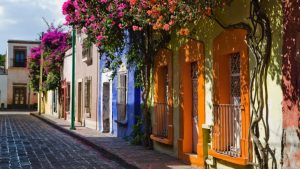
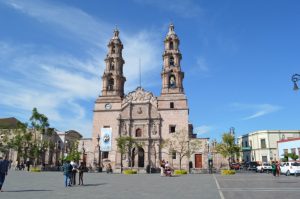
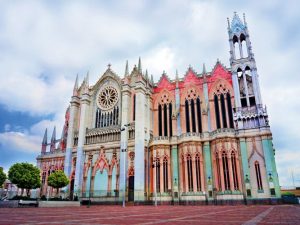













Good for nature lovers
I lived in northern Mexico for a few months but I did not go to Durango. The temperatures here are definitely cooler than where I was which is great. Overall though, I felt quite safe during my time in the country and I would visit again.
It’s funny how a city can feel like the set of a Western film and still be so isolated that you start to wonder if you’ve accidentally ridden into a ghost town.
I had no idea Durango was so isolated and surrounded by deserts, it really makes you appreciate the stunning nature you find there!
Isn’t it funny how this isolated spot has turned into a Hollywood backdrop, and yet you can still stumble upon these amazing natural spots like the Tecuan park?
I had no idea Durango was such a hidden gem, especially with those stunning deserts nearby. The thought of wandering through Tecuan ecological park sounds fantastic!
I didn’t expect Durango to have such stunning landscapes; the nature out there is seriously breathtaking, especially at Tecuan park.
Did you feel that weird mix of calm and isolation when you were in Durango, especially out by the Tecuan ecological park, or was it more the movie history and UNESCO vibe in the old city that stuck with you?
Sure, the baroque cathedral looming over the main plaza at sunset gives you that calm, slightly chilly feeling of a place with real character, but after a couple of walks you pretty quickly learn which streets to avoid.
Seeing the baroque cathedral glow at dusk still makes me oddly nostalgic, and I always feel a bit nervous taking the bus late, but the quiet plazas and sharp mountain air keep pulling me back.
Didn’t expect to find those peaceful mountain views right alongside a bustling city center, it really threw me off at first.