


 Canada : Safety by City
- Abbotsford
- Banff
- Brampton
- Burnaby
- Calgary
- Coquitlam
- Edmonton
- Halifax
- Hamilton
- Jasper
- Kelowna
- Kitchener
- Mississauga
- Montreal
- Nanaimo
- Niagara Falls
- Oshawa
- Ottawa
- Quebec City
- Red Deer
- Regina
- Saskatoon
- Thunder Bay
- Tofino
- Toronto
- Vancouver
- Victoria
- Whistler
- Windsor
- Winnipeg
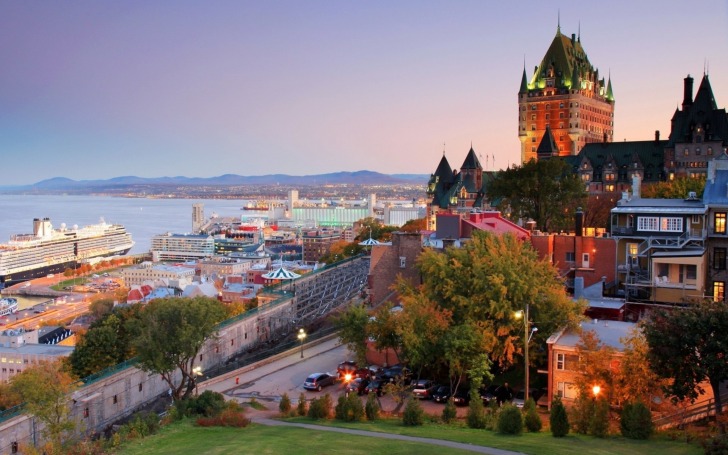
Perched along the banks of the mighty St. Lawrence River in eastern Canada, Quebec City feels like a slice of Europe transported to North America.
As the capital of the province of Quebec, it is one of the oldest cities in Canada, founded in 1608, and home to cobblestone streets, fortified walls, and the iconic silhouette of Château Frontenac overlooking Old Town.
The historic district, Old Québec, is a UNESCO World Heritage treasure and one of the most photogenic places on the continent.
But beyond the charm, fairytale architecture, and winter festivals lies a practical question every traveler should ask: How safe is Quebec City really?
After spending time exploring its neighborhoods, researching crime data, and speaking with locals, here is my detailed breakdown.
Warnings & Dangers in Quebec City

OVERALL RISK: LOW
Quebec City consistently ranks as one of the safest major cities in Canada. Violent crime rates are low compared to North American averages, and most incidents involve minor property crime rather than serious offenses. Tourists walking around Old Québec, even at night, generally report feeling secure. With normal urban precautions, the overall safety level is comfortably low.

TRANSPORT & TAXIS RISK: LOW
Public transportation, including buses operated by the Réseau de transport de la Capitale, is reliable and safe. Taxis and rideshare services operate under clear regulations. The biggest concern is winter driving conditions, not crime. Roads can become icy from November through March, so if renting a car, winter tires and cautious driving are essential.

PICKPOCKETS RISK: LOW
Pickpocketing exists but is relatively rare compared to cities like Paris or Rome. In crowded areas such as Petit Champlain or during major events like the Winter Carnival, petty theft can occur. Simple precautions like keeping bags zipped and not displaying expensive electronics are usually sufficient.

NATURAL DISASTERS RISK: LOW
Quebec City is not prone to hurricanes, earthquakes, or major flooding. The primary environmental risk is severe winter weather. Heavy snowfall, icy sidewalks, and occasional snowstorms can disrupt travel. Summer thunderstorms occur but are rarely dangerous. Proper footwear and weather awareness make natural risks manageable.

MUGGING RISK: LOW
Street robberies are uncommon, especially in tourist-heavy zones. Violent crime rates in Quebec City are significantly lower than in many similarly sized cities in the United States. Most visitors will not encounter aggressive crime. Late at night, it is wise to avoid poorly lit or isolated areas, but overall mugging risk remains low.

TERRORISM RISK: LOW
Canada maintains strong national security measures, and Quebec City is not considered a high-risk target. While no destination can be labeled zero risk, there is no consistent pattern of terrorism threats directed at the city. Major public events are monitored and well-managed by authorities.

SCAMS RISK: LOW
Tourist scams are minimal. You will not find widespread street cons or aggressive vendors. The most common issues involve overcharging in non-regulated short-term rentals or misleading pricing in some tourist shops. Reading menus and confirming prices in advance solves most problems.

WOMEN TRAVELERS RISK: LOW
Quebec City is widely regarded as safe for solo female travelers. Harassment levels are low, and public spaces are well-lit and populated. Women commonly walk alone in Old Town at night without issue. As always, standard safety awareness applies, but the risk level is low.

TAP WATER RISK: LOW
Tap water in Quebec City is safe and clean. Canada maintains strict water quality standards, and the municipal supply meets high safety benchmarks. There is no need to buy bottled water unless you prefer the taste.
Safest Places to Visit in Quebec City
One of the reasons Quebec City feels so secure is that its most visited areas are compact, lively, and well monitored.
Old Québec, including Upper Town and Lower Town, is the safest and most rewarding area to explore.
The historic district is filled with restaurants, shops, and street performers, and there is a visible police presence, especially during peak tourist seasons.
Walking along the Dufferin Terrace boardwalk offers stunning river views in a safe, open environment.
Petit Champlain is another favorite.
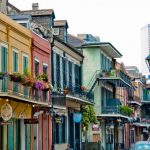
This charming neighborhood, with its narrow cobbled lanes and boutiques, is heavily visited and generally very safe both day and evening.
The atmosphere is relaxed rather than chaotic.
The Plains of Abraham, a large urban park overlooking the river, is ideal for daytime walks and picnics.
It is well-maintained and popular with families, joggers, and students.
Montcalm and Saint-Jean-Baptiste neighborhoods are also comfortable for visitors.
They offer local cafés, galleries, and a more residential feel while remaining safe and welcoming.
Places to Avoid in Quebec City
Compared to many cities, Quebec City has few truly dangerous neighborhoods.
However, some areas require more awareness, especially late at night.
Parts of Limoilou, particularly in its more industrial or less developed sections, can feel less polished after dark.
While not necessarily dangerous, there have been occasional reports of property crime.
Stick to main streets and avoid isolated areas late at night.
Vanier has historically experienced higher rates of petty crime compared to central tourist districts.
Again, this does not mean it is off limits, but tourists have little reason to wander there at night.
The Saint-Roch district deserves nuance.
It has undergone significant revitalization and is now full of trendy bars and restaurants.
During the day and early evening, it is generally fine.
Late at night, especially around certain blocks, intoxicated individuals can make the atmosphere feel less comfortable.
Overall, even these areas are mild compared to problematic districts in larger metropolitan cities.
Situational awareness is usually enough.
Safety Tips for Traveling to Quebec City
- Master winter survival before you land. If you are visiting between late November and early April, winter is your main safety concern, not crime. Temperatures can drop below -20 Celsius with wind chill. Pack insulated waterproof boots with deep tread, thermal base layers, and a heavy coat rated for subzero conditions. Sidewalks in Old Québec can ice over quickly, especially on steep streets like Côte de la Montagne. I have seen more tourists fall on frozen cobblestones than encounter any criminal issue.
- Respect the hills and staircases of Old Québec. Upper Town and Lower Town are connected by steep roads and staircases. In winter, these can become slippery. Use the Funicular when conditions are icy rather than walking up or down sharp inclines. Even in summer, wear stable shoes. The historic charm comes with uneven stone surfaces that can twist an ankle if you are distracted by your camera.
- Be strategic during Carnaval de Québec. During the annual winter carnival, crowds swell dramatically. This is when petty theft risk slightly increases. Keep phones secured in zipped pockets and avoid leaving bags hanging on chair backs in crowded restaurants. The atmosphere is festive and friendly, but dense crowds always create opportunities.
- Stay alert in Saint Roch after midnight. Saint Roch has transformed into a trendy nightlife hub with bars and microbreweries. During the day and early evening, it feels creative and relaxed. After midnight, especially on weekends, alcohol fueled behavior increases. If you stay out late, move in pairs or groups and use licensed taxis or rideshare apps to return to your accommodation.
- Choose accommodations inside or near Old Québec. If safety is your top priority, book lodging within the fortified walls or in adjacent areas like Montcalm. These zones have consistent foot traffic, strong lighting, and regular patrol presence. Staying central also reduces the need for late-night transportation.
- Prepare for snow removal operations. After heavy snowfall, the city conducts large-scale snow clearing, sometimes overnight. Temporary parking bans are enforced strictly. If you rent a car, pay attention to posted notices or risk fines or towing. This is a practical safety and financial tip many visitors overlook.
- Understand crosswalk etiquette. Drivers in Quebec City are generally respectful, but icy conditions increase stopping distance. Make eye contact before stepping into a crosswalk, especially in winter. Do not assume a vehicle can brake instantly on snow-packed roads.
- Use official transportation from the airport. From Québec City Jean Lesage International Airport, use authorized taxis, rideshare services, or public buses. The ride downtown takes about 20 to 25 minutes by car. Unofficial transport solicitations are rare, but sticking to regulated options ensures fair pricing and accountability.
- Keep weather apps handy year-round. Weather shifts quickly along the St Lawrence River. Summer thunderstorms can appear suddenly, and winter storms may disrupt transportation. Monitoring local forecasts helps you avoid getting caught unprepared on the Plains of Abraham or while walking along the riverfront.
- Protect yourself financially and medically. Canada has excellent healthcare, but it is not free for visitors. Even a minor emergency room visit can cost hundreds or thousands of dollars without insurance. Secure comprehensive travel insurance that covers medical treatment, trip interruptions, and winter-related disruptions. It is a small cost for significant peace of mind.
So... How Safe Is Quebec City Really?
Statistically speaking, Quebec City performs very well in terms of safety.
Canada as a whole reports lower homicide rates than the United States, and Quebec City’s violent crime rate is below the national Canadian average.
Property crime exists, as in any urban area, but remains moderate and concentrated in non-tourist neighborhoods.
Police visibility in historic areas, strong infrastructure, and social stability contribute to the city’s secure atmosphere.
In international comparisons, Quebec City consistently ranks among the safer destinations in North America.
In practical terms, most travelers will encounter zero safety issues beyond weather-related inconveniences.
If you practice basic travel awareness, Quebec City is one of the most comfortable urban destinations you can choose.
How Does Quebec City Compare?
| City | Safety Index |
|---|---|
| Quebec City |
88 |
| Windsor |
81 |
| Banff |
91 |
| Mississauga |
85 |
| Regina |
74 |
| Burnaby |
65 |
| Halifax |
79 |
 Road Town Road Town | 84 |
 Marrakech Marrakech | 60 |
 Grand Prairie Grand Prairie | 72 |
 Negril Negril | 51 |
| Poughkeepsie | 79 |
 Seogwipo Seogwipo | 87 |
Useful Information

Visas
Many travelers from the United States, the European Union, Australia, and several other countries do not require a traditional visa for short stays in Canada. Instead, some nationalities must apply for an Electronic Travel Authorization, which costs about 7 Canadian dollars and is valid for five years or until passport expiration.

Currency
The local currency is the Canadian dollar. Credit and debit cards are widely accepted. Currency exchange is available at banks and airports, though rates are typically better at official exchange offices in the city than at airport kiosks.

Weather
Winters are cold and snowy, often below freezing. Summers are mild to warm, averaging between 20 and 27 degrees Celsius. Pack heavy winter gear from November to March and light layers for summer evenings.

Airports
Québec City Jean Lesage International Airport is about 15 kilometers from downtown. Taxis and rideshare services reach the city center in roughly 20 to 25 minutes. Public buses are also available and cost significantly less.

Travel Insurance
Travel insurance is strongly recommended. Medical services in Canada are high-quality but expensive for visitors. A solid policy should cover health emergencies, trip cancellations, and weather-related disruptions, especially in winter.
Quebec City Weather Averages (Temperatures)
Average High/Low Temperature
| Temperature / Month | Jan | Feb | Mar | Apr | May | Jun | Jul | Aug | Sep | Oct | Nov | Dec |
|---|---|---|---|---|---|---|---|---|---|---|---|---|
| High °C |
-8 | -6 | 1 | 9 | 17 | 22 | 25 | 24 | 19 | 12 | 4 | -4 |
| Low °C |
-18 | -16 | -8 | -1 | 5 | 10 | 13 | 12 | 7 | 2 | -3 | -12 |
| High °F |
18 | 21 | 34 | 48 | 63 | 72 | 77 | 75 | 66 | 54 | 39 | 25 |
| Low °F |
-0 | 3 | 18 | 30 | 41 | 50 | 55 | 54 | 45 | 36 | 27 | 10 |
Canada - Safety by City
| City | Safety Index |
|---|---|
| Abbotsford | 83 |
| Banff | 91 |
| Brampton | 82 |
| Burnaby | 65 |
| Calgary | 85 |
| Coquitlam | 86 |
| Edmonton | 86 |
| Halifax | 79 |
| Hamilton | 76 |
| Jasper | 90 |
| Kelowna | 76 |
| Kitchener | 75 |
| Mississauga | 85 |
| Montreal | 82 |
| Nanaimo | 32 |
| Niagara Falls | 87 |
| Oshawa | 42 |
| Ottawa | 83 |
| Quebec City | 88 |
| Red Deer | 32 |
| Regina | 74 |
| Saskatoon | 73 |
| Thunder Bay | 65 |
| Tofino | 86 |
| Toronto | 83 |
| Vancouver | 80 |
| Victoria | 82 |
| Whistler | 88 |
| Windsor | 81 |
| Winnipeg | 78 |











I would sleep directly on every sidewalk and park in Quebec city and I can almost guarantee that I wouldn’t even get my stuff robbed or anything at all. As safer as it gets.
Very safe and beautiful
Quebec City is the safest of all major canadian cities. There are some years where Quebec City has no murders! On average, they get 1, 2, maybe 3 murders every year and it’s almost always targeted. Cases of armed robberies and attacks are very rare in Quebec City. That means each criminal will be found because the Quebec City police department is probably one of the least busy of all big north american cities. So they will spend a lot of ressources to solve each crime committed in the city. It also means the police has zero tolerance for all law/bylaw violations, like vandalism and loitering.
It’s a dump and most of it’s economy is based on the elderly and civil servants 30 years ago it was more vibrant but now it’s dead!
It’s such a neat experience walking around the Old Town, like stepping back in time with those beautiful walls all around you.
Looks like a storybook from the river, sure, but after slipping on those cobblestones in a January freeze and waiting twenty minutes for a cab while my fingers went numb, “safe” felt more like wishful thinking.
Sure, the cobblestone streets look charming until you trip over them while trying to dodge a tourist group, and the Château Frontenac might be pretty, but good luck finding a quiet spot without a selfie stick in your face.
Didn’t expect the cobblestone streets to feel so cozy even in the freezing cold.