


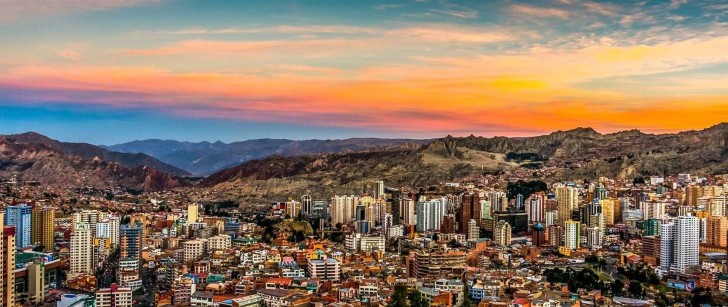
La Paz is one of those cities that grabs your attention before you even leave the airport.
Set high in the Andes of western Bolivia, it sits in a dramatic bowl-shaped valley surrounded by steep hills, brick neighborhoods, and distant snow-capped peaks.
It is widely recognized as the highest administrative capital in the world, and that altitude shapes almost everything about a visit, from the weather to the way you walk up a hill.
La Paz feels intense, colorful, and alive.
You have cable cars gliding overhead, bustling markets below, colonial landmarks in the center, and a constant backdrop of Illimani watching over the city.
It is fascinating, memorable, and more manageable than many first-time visitors expect, but it is not a place to explore carelessly.
Street smarts matter here, and so does pacing yourself.
Warnings & Dangers in La Paz

OVERALL RISK: MEDIUM
La Paz is not a no-go destination, but it is also not a city where you should switch your brain off. Most travelers visit without major problems, especially when staying in better-known areas and using common sense. The biggest concerns are petty crime, occasional muggings, transport scams, civil unrest, and the effects of extreme altitude.

TRANSPORT & TAXIS RISK: MEDIUM
Getting around La Paz is possible and often straightforward, but transport choices matter. Official radio taxis and app-based rides are far safer than random street cabs, especially after dark. The cable car system is one of the best ways to move between districts, while crowded minibuses and informal taxis can be confusing and create opportunities for theft or overcharging.

PICKPOCKETS RISK: HIGH
Pickpocketing is one of the most common traveler problems in La Paz. Busy markets, transport hubs, crowded streets around central landmarks, and packed minibuses are the main trouble spots. Phones, wallets, cameras, and backpacks attract attention quickly. The risk goes up when visitors look distracted, exhausted, or overly focused on taking photos rather than watching their surroundings.

NATURAL DISASTERS RISK: MEDIUM
La Paz is not a city where hurricanes or major tropical storms are the issue, but it does face weather-related hazards. Heavy rain during the wet season can trigger landslides, flooding, and transport disruption. The altitude is also a serious physical factor. Even healthy travelers can feel short of breath, dizzy, or weak within hours of arrival if they do too much too fast.

MUGGING RISK: MEDIUM
Muggings do happen in La Paz, though they are less likely when you stick to busy, well-known areas in daylight. Risks rise at night, on quiet side streets, and in less affluent hillside districts where tourists stand out. Some incidents involve distraction, while others are more direct. Flashy jewelry, phones in hand, and obvious confusion can make you an easier target.

TERRORISM RISK: LOW
For most tourists, terrorism is not a primary concern in La Paz. The more realistic security issue is political instability rather than organized terror attacks. Demonstrations, strikes, and roadblocks can flare up with little warning and may turn tense. Travelers are much more likely to be affected by protests and transport shutdowns than by terrorism-related incidents.

SCAMS RISK: MEDIUM
La Paz has the usual urban travel scams, plus a few that can catch tired newcomers off guard. Fake taxis, inflated fares, distraction theft, and people offering overly helpful assistance are common enough to keep your guard up. Some travelers are also tricked in nightlife settings or by unofficial tour offers that sound convenient but are badly organized or unsafe.

WOMEN TRAVELERS RISK: MEDIUM
Women can absolutely travel in La Paz, including solo, but it helps to stay alert and deliberate. Catcalling may happen, and walking alone late at night is not ideal in quieter areas. Dressing casually, avoiding isolated streets, arranging trusted transport, and keeping someone informed of your plans can make a big difference. Most visits go smoothly with sensible precautions.

TAP WATER RISK: HIGH
Drinking tap water in La Paz is not a good gamble for most travelers. Even if locals are used to it, visitors often are not. Stomach problems can ruin a trip fast, especially at high altitude where dehydration already hits harder. Stick to sealed bottled water or properly filtered water, and be cautious with ice, raw produce, and drinks from places with poor hygiene.
Safest Places to Visit in La Paz
Sopocachi
Sopocachi is often the best base for travelers who want a comfortable stay without feeling cut off from the city.
It has a more relaxed rhythm than the historic center, with cafes, restaurants, boutique hotels, and a strong local feel.
Streets are still urban and busy, but many visitors find it more pleasant for walking during the day.
It is also well connected to other parts of La Paz.
Zona Sur
If safety and comfort are your top priorities, Zona Sur deserves serious consideration.
This lower part of the city is wealthier, greener, and generally calmer than the older central districts.
Neighborhoods here often feel more residential and polished, with shopping centers, better hotels, and a slower pace.
It is not where you go for gritty market energy, but it is one of the easier areas for cautious travelers.
The Prado and Central Landmarks by Day
The Prado, Plaza Murillo, Calle Jaén, and the main central sights are very much worth visiting, especially in daylight when the streets are busier and easier to navigate.
This is where you get the classic La Paz experience: grand buildings, government architecture, history, and nonstop people-watching.
It is safest when you stay alert, keep valuables tucked away, and avoid drifting into empty side streets.
Mi Teleférico Routes
The cable car network is not just transport.
It is one of La Paz’s best sightseeing experiences.
Riding the system gives you stunning city views and a practical, safer alternative to some road journeys.
It also helps travelers move efficiently between districts without spending too much time in traffic or relying on unverified taxis.
During daylight, it is one of the smartest ways to explore.
Places to Avoid in La Paz
Isolated Parts of El Alto
El Alto is not automatically off-limits, but tourists should be cautious here, especially in isolated areas or after dark.
This is where the airport is located, and many visitors pass through without issue, yet some parts are rougher and less forgiving for outsiders who do not know the area.
Wandering aimlessly, arriving at night without arranged transport, or looking lost can raise your risk quickly.
Quiet Side Streets Around the Historic Center at Night
Central La Paz is interesting and often lively by day, but some nearby streets empty out after dark.
Once the crowds thin, the atmosphere can change fast.
A street that felt busy and colorful in the afternoon may feel exposed and uncomfortable at night.
This is especially true if you are carrying visible valuables or walking alone after bars and restaurants start closing.
Bus Stations and Crowded Market Zones
Markets are exciting, but they are also prime territory for theft.
The same goes for bus terminals and busy transport interchanges where confusion is normal and attention is scattered.
These are the places where bags get unzipped, phones disappear, and travelers get approached by aggressive helpers or unofficial drivers.
Keep visits brief, organized, and focused, especially if you are carrying luggage.
Protest Areas and Roadblocks
This is the big one that many travel articles underplay.
Demonstrations and roadblocks can seriously disrupt travel in Bolivia, including in and around La Paz.
Even if a protest begins peacefully, the atmosphere can shift.
Avoid gathering points, government-heavy areas during political tension, and any blocked roads.
It is not worth trying to squeeze through just because things look calm at first glance.
Safety Tips for Traveling to La Paz
- Take altitude seriously from the moment you land. La Paz is extremely high, and the airport is even higher. On your first day, walk slowly, drink water, eat lightly, and avoid alcohol or intense exercise. Altitude sickness can make you careless, exhausted, and more vulnerable.
- Use official taxis or reputable ride options only. Do not jump into random cabs because they stop first. Ask your hotel to arrange a taxi, use a known service, or confirm the vehicle before getting in. This is one of the easiest ways to reduce your risk.
- Keep your phone out of sight unless you truly need it. Tourists often stand on sidewalks checking maps with their phones fully exposed. That is a great way to invite attention. Download offline maps, step into a shop or cafe if you need directions, and stay discreet.
- Choose your neighborhood wisely. Where you stay shapes your experience. Sopocachi and parts of Zona Sur are usually more comfortable for first-time visitors than a random budget option in a rougher location. A cheap room can become expensive if it causes safety or transport headaches.
- Watch your bag constantly in markets and minibuses. Use a crossbody bag or anti-theft daypack, keep it in front of you, and do not place valuables in outer pockets. In crowded settings, theft often happens in seconds and without drama.
- Avoid protests completely. Do not treat demonstrations like sightseeing. Bolivia’s political protests can disrupt streets, transport, and airport access. If locals are turning around, you should too. Build extra time into important journeys in case roadblocks appear.
- Carry only what you need for the day. Bring one card, a modest amount of cash, and a copy of your passport if appropriate. Leave backup cards, extra cash, and unnecessary electronics locked away. If something goes wrong, you want the damage to be limited.
- Be careful with nightlife and drinks. Stick to established venues, do not leave drinks unattended, and do not go off with strangers who suddenly become very interested in helping you find a better bar. Late-night judgment plus altitude is not a great combination.
- Drink safe water and be selective with food. Use bottled or properly filtered water, skip questionable ice, and go easy on raw foods in places with poor hygiene. A stomach issue in La Paz is extra miserable because dehydration and altitude can hit together.
- Arrive with a flexible mindset. La Paz rewards travelers who adapt. Weather, protests, and traffic can change plans fast. Keep important bookings padded with extra time, especially when heading to the airport or connecting to other parts of Bolivia.
So... How Safe Is La Paz Really?
La Paz is the kind of destination where the answer depends heavily on how you travel.
If you stay in a decent neighborhood, use reliable transport, avoid protests, respect the altitude, and keep a close eye on your belongings, it can be a very rewarding city to visit.
Many travelers come away loving it.
The views are spectacular, the culture is rich, and the city feels unlike almost anywhere else in South America.
That said, La Paz is not low-risk in the relaxed, easygoing sense of a polished tourist capital.
Petty theft is a real issue, and street awareness matters every day.
Political disruptions can affect roads, public transport, and airport access with very little warning.
The physical challenge of the altitude is also more serious here than in most major cities.
It is not just a comfort issue.
It can shape how safely and confidently you move around.
My honest take is that La Paz is moderately safe for smart travelers and frustrating for careless ones.
It is not somewhere I would label dangerous across the board, but it does demand more caution than many popular city breaks.
Come prepared, stay alert, and La Paz can be one of the most unforgettable stops in Bolivia.
How Does La Paz Compare?
| City | Safety Index |
|---|---|
 La Paz La Paz |
55 |
| Tarija |
73 |
| Uyuni |
72 |
| Copacabana |
68 |
| Potosi |
69 |
| Sucre |
74 |
 Riga Riga | 70 |
 Chesterton Chesterton | 86 |
 Bumthang Bumthang | 92 |
 Leicester Leicester | 43 |
| Stateline | 76 |
| Fort Worth | 77 |
Useful Information

Visas
Visa rules depend on your nationality, so check before flying. Many tourists can enter Bolivia without a visa for short stays, but passport validity matters and you may be asked for proof of onward travel and accommodation. Rules can change, so confirm the latest requirements before departure rather than relying on old forum advice.

Currency
The local currency is the Bolivian boliviano. Cash is still very useful in La Paz, especially for markets, small restaurants, transport, and day-to-day purchases. Exchange money at reputable exchange houses or withdraw from ATMs in secure locations. Avoid changing cash on the street, even if someone offers a tempting rate.

Weather
La Paz is cool year-round because of its altitude, and temperatures can swing sharply between sunny afternoons and chilly evenings. The drier months are usually easier for sightseeing, while the rainy season can bring wetter streets and possible landslides. Pack layers, a warm jacket, sun protection, and comfortable walking shoes with good grip.

Airports
The main airport serving La Paz is El Alto International Airport, located above the city at an even more extreme altitude. That means arrivals can feel physically intense, especially for travelers coming from sea level. Pre-arrange transport if possible, and avoid rushing when you land. The trip into the city is straightforward if you use official, verified transport.

Travel Insurance
Travel insurance is a very smart idea for La Paz. The city combines altitude-related health concerns, possible transport disruption, petty crime, and weather-related delays. A solid policy can help with medical issues, cancellations, lost baggage, and unexpected changes to your itinerary. For a destination like this, going uninsured is just unnecessary risk.
La Paz Weather Averages (Temperatures)
Average High/Low Temperature
| Temperature / Month | Jan | Feb | Mar | Apr | May | Jun | Jul | Aug | Sep | Oct | Nov | Dec |
|---|---|---|---|---|---|---|---|---|---|---|---|---|
| High °C |
18 | 18 | 18 | 19 | 19 | 17 | 17 | 18 | 19 | 20 | 20 | 19 |
| Low °C |
6 | 6 | 5 | 4 | 3 | 3 | 3 | 3 | 4 | 5 | 5 | 6 |
| High °F |
64 | 64 | 64 | 66 | 66 | 63 | 63 | 64 | 66 | 68 | 68 | 66 |
| Low °F |
43 | 43 | 41 | 39 | 37 | 37 | 37 | 37 | 39 | 41 | 41 | 43 |
Bolivia - Safety by City
| City | Safety Index |
|---|---|
| Copacabana | 68 |
| La Paz | 55 |
| Potosi | 69 |
| Sucre | 74 |
| Tarija | 73 |
| Uyuni | 72 |













Travel here with caution
La Paz is not the best place to travel if you have no experience in South America.
You want to stick with safer areas if it is your first time.
That being said, it is a beautiful place filled with amazing things to see, foods to try, and cultures to indulge in.
Just keep in mind that it is not a place for young or new travelers.
Witches Market
The Witches Market really was a fascinating place to visit, never seen a place quite like it, a lot of interesting stuff being sold there and it might help if you befriend a local because you would understand the culture better as to why so and so product is being sold. Also be wary of your belongings, a lot of snatchers in the vicinity.
Only crime by foreign backpackers
In LA Paz like all countries the backpackers that travel cheap are a danger for the local population, want drugs, shoplifting in local stores.
Begging in the streets or selling trinkets.
LaPaz is one if them, going back yearly, I saw foreign backpackers refusing to pay for food, steal in the store I was shopping, the owner told me is a big problem.
Bolivians are who have to live unsafely with foreign backpackers, that want to travel exploiting local people.
Those cable cars actually made me grin, but hauling myself up a steep brick street left me pleasantly breathless with Illimani looming over the city.
The way the thin air hits your lungs when you climb those hills for the first time is something I won’t forget anytime soon.
Had no idea the altitude would hit me so hard, I could barely catch my breath climbing those hills but the views of Illimani made it kinda worth it.
I wasn’t ready for how much the altitude would hit me the first day, especially climbing those steep streets felt way tougher than I expected. The mix of busy markets and those peaceful mountain views made it such a strange but cool combo.
Did you find the altitude made it tough to get around at first or did you get used to it pretty quickly?
Definitely felt the altitude hitting me hard, but the view of Illimani made every uphill step worth it.