


 Bulgaria : Safety by City
Bulgaria - safety as a country
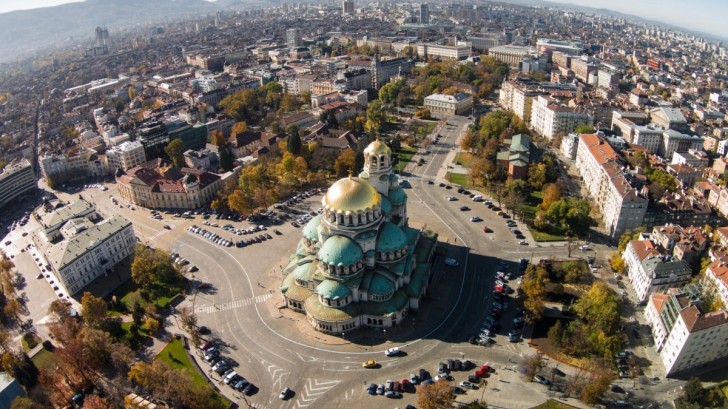
Sofia, the capital of Bulgaria, sits at the foot of Vitosha Mountain in the western part of the country, just a short drive from the borders of Serbia and North Macedonia.
It is one of Europe’s oldest cities, with layers of Thracian, Roman, Ottoman, and Soviet history visible within a few blocks of each other.
You can walk from ancient Roman ruins to grand Orthodox cathedrals to gritty street art in under ten minutes.
What surprised me most about Sofia was how relaxed it felt.
Despite being a capital city, it moves at a slower pace than many Western European hubs.
Cafés spill onto wide boulevards, parks are full of families, and public transport is efficient and affordable.
But like any city, it comes with risks.
Let’s break down exactly how safe Sofia really is for travelers.
Warnings & Dangers in Sofia

OVERALL RISK: LOW
Sofia is generally considered a low-risk destination for tourists. Violent crime against visitors is uncommon, and most issues revolve around petty theft or minor scams. Compared to many European capitals, crime rates are moderate. With normal urban precautions, most travelers experience no serious problems.

TRANSPORT & TAXIS RISK: MEDIUM
Public transport in Sofia is reliable and affordable, including buses, trams, trolleybuses, and a modern metro system. The main risk involves unlicensed taxis that overcharge tourists, especially around transport hubs. Using reputable taxi apps or ordering from official companies significantly reduces this risk.

PICKPOCKETS RISK: MEDIUM
Pickpocketing does occur, especially in crowded places such as Vitosha Boulevard, public transport during rush hour, and major tourist sites. While not rampant, it is common enough to warrant caution. Keep bags zipped, avoid back pockets, and stay alert in busy areas.

NATURAL DISASTERS RISK: MEDIUM
Sofia is located in a seismically active region, and earthquakes have occurred historically. However, major destructive events are rare. Winters can bring heavy snow, and air pollution can be noticeable in colder months. Overall, natural disaster risk is moderate but manageable.

MUGGING RISK: LOW
Muggings targeting tourists are uncommon in central Sofia. Most violent incidents tend to occur between locals and are often linked to nightlife or personal disputes. Avoid poorly lit areas late at night and excessive alcohol consumption to minimize risk.

TERRORISM RISK: LOW
There is no significant pattern of terrorist activity targeting Sofia in recent years. Bulgaria, as an EU member, maintains active security cooperation with European agencies. While no city is completely immune, the terrorism threat level is considered low.

SCAMS RISK: MEDIUM
Common scams include taxi overcharging, currency exchange tricks, and occasional distraction schemes. Some bars have historically been known for inflating bills for unsuspecting tourists. Stick to well-reviewed establishments and always check prices before ordering.

WOMEN TRAVELERS RISK: LOW
Sofia is generally safe for solo female travelers. Street harassment exists but is typically limited to occasional comments rather than aggressive behavior. Standard precautions, such as avoiding isolated areas at night and using reputable transportation, are sufficient for most women.

TAP WATER RISK: LOW
Tap water in Sofia is safe to drink and meets EU quality standards. It is sourced from mountain reservoirs, including Vitosha. Some older buildings may have aging plumbing, but generally, visitors can safely drink tap water.
Safest Places to Visit in Sofia
The city center is the safest and most comfortable area for travelers.
The area around Alexander Nevsky Cathedral is well policed and busy throughout the day.
The nearby Parliament, Presidency, and National Assembly buildings create a secure government district atmosphere.
Vitosha Boulevard is another safe and lively area.
This pedestrian street is lined with restaurants, cafés, and shops.
It remains active into the evening, making it a comfortable place for dining and strolling.
The Lozenets neighborhood, particularly around South Park, offers a more residential, upscale feel.
It is clean, quiet, and popular with families and expats.
South Park itself is well-maintained and ideal for daytime relaxation.
Boyana, at the base of Vitosha Mountain, is another peaceful area.
Visitors often come here to see Boyana Church and hike.
It feels suburban and calm, with low crime levels.
Studentski Grad, despite being a student district, is generally safe during the day.
It becomes louder at night due to nightlife, but serious crime remains uncommon.
Places to Avoid in Sofia
While Sofia is broadly safe, certain outer districts require extra caution.
Areas such as Fakulteta and parts of Nadezhda have higher poverty rates and can feel less secure, particularly at night.
These are not typical tourist destinations, so most travelers will not have a reason to visit.
Some industrial outskirts and poorly lit residential blocks on the city’s edges can feel isolated after dark.
If you find yourself far from the center late at night, consider using a licensed taxi rather than walking.
Underpasses and subway tunnels in less busy areas can sometimes attract loitering or petty crime.
During the day, they are usually fine, but at night, they can feel uncomfortable.
Nightlife zones in certain parts of Studentski Grad can become rowdy after midnight, especially on weekends.
Alcohol fueled arguments are more likely here than elsewhere in the city.
If you go out, stay in groups and monitor your belongings.
Overall, the risks are localized and manageable, especially if you stay within central and tourist-friendly areas.
Safety Tips for Traveling to Sofia
- Use the Metro From Sofia Airport Instead of Negotiating on Arrival. When you land at Sofia Airport, resist the temptation to accept ride offers inside the terminal. The metro station is directly connected to Terminal 2 and takes about 20 minutes to reach central stations like Serdika. It is inexpensive, predictable, and eliminates the risk of taxi overcharging. If you must take a taxi, order one through a reputable app or the official airport taxi desk.
- Be Extra Alert Around Serdika and Central Railway Station. Serdika Station is the transport heart of the city, where metro lines intersect near major Roman ruins and government buildings. It is safe but busy, which makes it an ideal territory for pickpockets. The same applies to Central Railway Station. Keep backpacks zipped and in front of you, and avoid displaying phones near metro doors where quick grabs can happen.
- Double Check Taxi Pricing Rules. Licensed taxis in Sofia display their rates on the window. Before getting in, confirm the daytime and nighttime per-kilometer rates posted on the sticker. If the numbers seem unusually high compared to standard city rates, simply walk away. This small habit prevents most taxi-related complaints.
- Choose ATMs Inside Malls Like Paradise Center or The Mall. While Sofia is modern, isolated street ATMs can carry skimming risks. Machines located inside large shopping centers, such as Paradise Center, or inside bank branches, offer better security. Shield your PIN entry and decline dynamic currency conversion so your bank handles the exchange rate.
- Respect the Ice in Winter. Sofia winters are not just cold, they are icy. Sidewalks can become slick, especially in residential areas that are slower to clear snow. Wear shoes with proper grip and avoid rushing down tram tracks or marble steps near churches such as Alexander Nevsky Cathedral. Slips and falls are one of the most common tourist injuries in winter.
- Monitor Air Quality During Cold Months. Sofia sometimes experiences elevated air pollution levels in winter due to heating and geographic conditions in the valley. If you have asthma or respiratory sensitivity, check daily air quality indexes online. On high pollution days, limit strenuous outdoor activity and consider indoor attractions such as museums or galleries.
- Be Selective With Nightlife in Studentski Grad. Studentski Grad is known for its party atmosphere. It is generally safe, but alcohol fueled altercations are more likely here than in the historic center. Stick with friends, watch your drinks being prepared, and avoid escalating confrontations. If a situation feels tense, leave calmly and call a taxi.
- Avoid Currency Exchange Offices Advertising Unrealistic Rates. Some exchange bureaus advertise extremely attractive rates on large signs but apply hidden commissions. Always ask what amount you will receive before handing over cash. Better yet, withdraw lev directly from a bank ATM. Bulgaria’s banking system is stable and widely accessible.
- Use Well Lit Routes at Night, Especially in Underpasses. Sofia has several pedestrian underpasses connecting major boulevards. During the day, they are busy and safe. Late at night, choose routes that remain well-lit and populated. Walking along main boulevards like Vitosha Boulevard is generally safer than cutting through quiet side streets.
- Keep Your Passport Secure but Carry ID. Bulgarian law requires individuals to carry identification. Tourists are rarely stopped without reason, but it is wise to carry a photocopy of your passport and keep the original secured in your hotel safe. If police conduct a routine check, cooperation and proper ID make the interaction quick and smooth.
So... How Safe Is Sofia Really?
From a data perspective, Sofia ranks as one of the safer capitals in Eastern Europe.
Violent crime rates remain lower than in many larger Western European cities.
Most incidents affecting tourists involve non-violent theft.
Bulgaria’s EU membership has strengthened policing standards and border security.
Public infrastructure improvements, including expanded metro lines and increased surveillance in central areas, have contributed to overall safety.
That said, Sofia is still a capital city with urban challenges.
Economic disparities exist, and certain neighborhoods reflect that reality.
However, the average traveler staying in central areas and using common sense precautions is unlikely to encounter serious trouble.
In my experience, Sofia feels safe, manageable, and refreshingly unpretentious.
It is not crime-free, but it is far from dangerous.
How Does Sofia Compare?
| City | Safety Index |
|---|---|
| Sofia |
70 |
| Bansko |
89 |
| Varna |
84 |
| Burgas |
86 |
| Plovdiv |
88 |
| Nessebar |
90 |
| Veliko Tarnovo |
91 |
 Delft Delft | 88 |
 Battle Mountain Battle Mountain | 79 |
| Estherville | 93 |
| Clinton | 82 |
| Cedar City | 86 |
| Dubuque | 79 |
Useful Information

Visas
Bulgaria is part of the European Union but not fully in the Schengen Zone yet. Many travelers from the EU, US, UK, Canada, and Australia can enter visa-free for up to 90 days within a 180 day period. Always verify entry requirements before travel.

Currency
The currency is the Bulgarian Lev. Credit cards are widely accepted in central Sofia, but cash is useful for small shops. Exchange money at banks or withdraw directly from reputable ATMs to avoid hidden fees.

Weather
Sofia has four distinct seasons. Winters are cold with snow and temperatures often below freezing. Summers are warm and sunny. Spring and autumn are mild. Pack warm layers in winter and comfortable walking shoes year-round.

Airports
Sofia Airport is the main international gateway. It is located about 10 kilometers from the city center. The metro connects the airport directly to central Sofia in around 20 minutes, making transportation easy and affordable.

Travel Insurance
Even in relatively safe destinations, travel insurance is essential. It covers medical emergencies, trip cancellations, theft, and unexpected delays. Healthcare standards are decent, but private clinics can be expensive without insurance coverage.
Sofia Weather Averages (Temperatures)
Average High/Low Temperature
| Temperature / Month | Jan | Feb | Mar | Apr | May | Jun | Jul | Aug | Sep | Oct | Nov | Dec |
|---|---|---|---|---|---|---|---|---|---|---|---|---|
| High °C |
3 | 5 | 10 | 16 | 20 | 24 | 28 | 28 | 23 | 17 | 10 | 4 |
| Low °C |
-5 | -3 | 0 | 5 | 9 | 13 | 15 | 15 | 11 | 7 | 2 | -3 |
| High °F |
37 | 41 | 50 | 61 | 68 | 75 | 82 | 82 | 73 | 63 | 50 | 39 |
| Low °F |
23 | 27 | 32 | 41 | 48 | 55 | 59 | 59 | 52 | 45 | 36 | 27 |
Bulgaria - Safety by City
| City | Safety Index |
|---|---|
| Bansko | 89 |
| Burgas | 86 |
| Nessebar | 90 |
| Plovdiv | 88 |
| Sofia | 70 |
| Varna | 84 |
| Veliko Tarnovo | 91 |



“If you are alone, you should try not to attract attention of suspicious men.”
You should really word your warnings for female travelers.
It sounds like women go around flapping their boobs and yelling HEY! HEY MAN! COME ASSUALT ME like wtf seriously?
Women don’t try to attract attention they try to be like any other human who is just travelling, and then some men are behaving like animals.
Beautiful Place
I don’t believe the author meant it the way you are taking it. Women attract attention in ways that they don’t realize. One being the way they dress. We live in a world where women need to be aware of the risk of showing a lot of skin in a foreign place. My wife and I do a lot of traveling and she knows where to cover up more because of this. We don’t all live in the same area that has the same culture. Don’t get so offended. You’re not even a woman.
I am from Sofia and I can say that it is a pretty safe city and it is lovely. However,crimes exist everywhere. It is possible that they might happen. So just be careful if you visit!
Whoever wrote this article has never ever live in Sofia…
Low crime level… “violent crime practically does not exist in Sofia” – haahahahahaaaaaaaaaaaaaaaahahaha
Would the violence comment incorrect? And if so how bad is it?
I have been to over 20 countries and I can say that Sofia and Bulgaria in general are safe.
I have a lot of friends in Bulgaria and I dare say that your comment is based on personal experience or just a negative attitude :))
Sofia is a lovely and safe space for locals and tourists
Sofia is a good place to visit
Sofia is a great example of an old city with tons of history. The capital offers a lot of nightclubs, but I would not recommend the chalga ones. You will be safe as long as you do not wander any dark streets at night, and avoid Luvov most (Lions bridge) and Studentski grad (Student city).
Some advice would be to not give money or/and attention to any beggars and always be aware of your belongings.
It’s fascinating how Sofia blends its ancient history with modern life, and standing in front of the Saint George Rotunda really makes you feel the weight of those thousands of years.
I get that Sofia has a lot of history and some pretty impressive landmarks, but sometimes it feels like the city is still figuring out how to balance that with modern growth.
Had to laugh walking past the ancient ruins while a kid on a scooter nearly ran into a priest, and I felt unexpectedly at ease sitting by the fountain with coffee in hand.
Did you feel like you could just grab a coffee and soak in the mix of history without a rush, or does it get hectic at certain spots too?