


 Bosnia and Herzegovina : Safety by City
Bosnia and Herzegovina - safety as a country
Banja Luka sits in northern Bosnia and Herzegovina on the Vrbas River, close to green hills, monasteries, thermal springs, and a city center that feels calmer than many larger Balkan capitals.
It is the second largest city in the country and the administrative center of Republika Srpska, but for travelers it often feels more like a laid-back river city with café culture, broad avenues, and easy day-to-day sightseeing.
I find Banja Luka more relaxed than chaotic, especially compared with places where traffic, touts, and tourist crowds dominate the experience.
Still, this is not a destination where you should switch off completely.
Bosnia and Herzegovina is still a country where petty theft, occasional political tensions, flood risk, and the legacy of landmines outside urban areas matter to travelers.
Warnings & Dangers in Banja Luka

OVERALL RISK: LOW
Banja Luka is generally a low-risk destination for ordinary tourism. Most visits are trouble-free, violent crime against tourists is not the main concern, and the city’s central areas are usually manageable on foot. The bigger risks are petty theft, careless late-night behavior, road safety, and wandering beyond marked areas in rural or isolated terrain where unexploded landmines remain a national issue.

TRANSPORT & TAXIS RISK: LOW
Transport risk is fairly low, but it is more about inconvenience than danger. Roads in Bosnia and Herzegovina can be uneven, public transport is functional rather than polished, and airport transfers are limited compared with bigger cities. In Banja Luka, use registered taxis, confirm the fare or meter before departure, and avoid relying on sparse late-night bus options if you have luggage or arrive after dark.

PICKPOCKETS RISK: MEDIUM
Pickpocketing is not constant, but it is common enough to be treated seriously in urban centers, including Banja Luka. Crowded buses, stations, festivals, busy cafés, and tourist spots are the classic problem areas. This is the sort of city where one distracted moment with a phone hanging out of a coat pocket can become your most memorable travel story for all the wrong reasons.

NATURAL DISASTERS RISK: MEDIUM
The main natural hazard is flooding, especially in river systems tied to the Vrbas basin, and Bosnia and Herzegovina has a documented history of severe flood events. Landslides and heavy rain can also create travel disruption. Banja Luka is not a place most people associate with natural disasters first, but weather-related problems are real enough that checking forecasts matters.

MUGGING RISK: LOW
Mugging risk is lower than petty theft risk. Most crime affecting visitors is opportunistic and non-violent, such as bag snatching, theft from vehicles, or loose valuables disappearing in busy areas. That said, alcohol, nightlife, and empty streets after midnight always change the equation, so solo walks home from bars deserve more caution than daytime sightseeing around the center.

TERRORISM RISK: MEDIUM
The practical day-to-day terrorism risk for most travelers feels low, but official advisories still flag Bosnia and Herzegovina for possible attacks with little warning in public places. That means the official risk rating should not be dismissed. It is best treated as a low probability but high consequence issue, especially around transport hubs, public gatherings, and major events.

SCAMS RISK: LOW
Scams are usually simple rather than elaborate. Think inflated taxi fares, bad exchange rates, casual overcharging in nightlife, or “helpful” strangers steering you toward a service that benefits them. Banja Luka is not famous for aggressive scam culture, which is a plus, but any traveler flashing cash, arriving tired, or skipping basic price checks can still overpay fast.

WOMEN TRAVELERS RISK: LOW
Women can usually travel in Banja Luka without major problems, especially during the day and in the central districts. The city tends to feel more relaxed than threatening, but standard precautions still matter at night, around bars, and when using taxis alone. The bigger issue is unwanted attention or poor judgment from others after drinking, not systematic targeting of women tourists.

TAP WATER RISK: LOW
Tap water risk is low in urban areas. Public water in Bosnia’s major cities is generally treated and monitored, and available evidence on Banja Luka’s water quality points to a potable municipal supply. I would still switch to bottled or filtered water temporarily after major flooding, or if you have a very sensitive stomach and are staying in an older property with aging pipes.
Safest Places to Visit in Banja Luka
The safest places to spend time are the central, well-trafficked parts of the city where locals are out all day and well into the evening.
Start with Gospodska Street and the surrounding center, where cafés, shops, and pedestrian movement make the area feel lively and easy to navigate.
This part of town is ideal for travelers who want low-stress wandering, quick coffee stops, and fewer logistical headaches.
Kastel Fortress is one of the city’s best-known sights and a smart daytime stop.
It sits right by the Vrbas and gives you a useful sense of the city’s layout.
I like it because it combines history with visibility.
You are not tucked into some isolated back corner.
During the day, especially in good weather, it is one of the easiest places to explore comfortably.
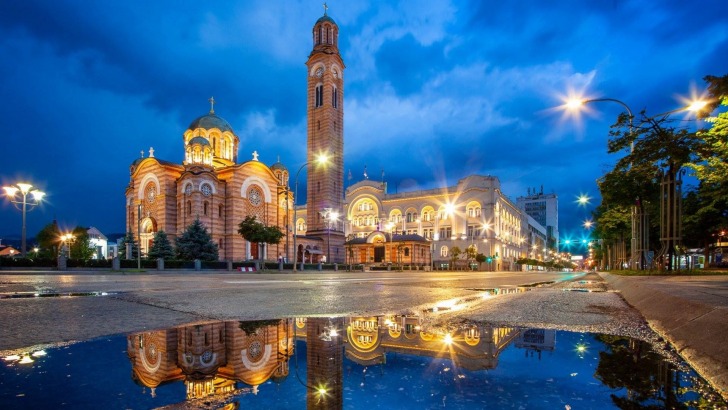
The area around the Cathedral of Christ the Saviour and the central squares is also comfortable for visitors.
These blocks are among the better choices for hotels because you can walk to restaurants and sights without depending too much on late transport.
Riverfront areas along the Vrbas can also be pleasant, especially where there are cafés, promenades, or organized recreation.
Just stick to active, populated stretches rather than drifting into dark riverbank zones late at night.
For day trips and greener surroundings, choose organized or clearly established attractions rather than random rural detours.
Bosnia and Herzegovina remains a country where official advice still warns travelers to stay on main roads and avoid isolated terrain because of landmine risk outside urban cores.
In practical terms, central Banja Luka is the easy zone.
Remote shortcuts are not.
Places to Avoid in Banja Luka
Banja Luka does not have a single internationally notorious no-go district in the way some larger cities do, but there are still places and situations I would avoid.
The first is isolated or poorly lit areas near transport points late at night, especially around bus or station zones, where tired travelers are distracted and carrying luggage.
These are classic settings for theft, overcharging, and unpleasant encounters.
I would also be cautious in quiet riverbank stretches after dark, especially if they are not lined with active cafés or visible foot traffic.
The Vrbas is a highlight by day, but riverside areas can feel very different once the crowds disappear.
The same goes for empty underpasses, dim parking lots, and side streets behind nightlife venues after closing time.
A bigger issue is not a neighborhood but the countryside beyond the city.
Bosnia and Herzegovina still has areas affected by unexploded landmines.
That means travelers should avoid wandering onto unmarked paths, abandoned properties, isolated wooded zones, and remote fields, even if they look harmless in daylight.
This matters even more if you are driving outside Banja Luka for hiking, viewpoints, or village visits.
Stay on established roads and marked routes.
Finally, avoid protests or politically tense gatherings.
Demonstrations and ethnic or political tensions can flare with little warning in Bosnia and Herzegovina, and even if Banja Luka feels calm most days, there is no upside for tourists standing around to watch.
If locals start moving away from a crowd, copy them immediately.
Safety Tips for Traveling to Banja Luka
- Stay in the city center if it is your first visit. Central accommodation cuts your exposure to transport issues, makes walking easier, and keeps you close to busier streets where petty crime is less likely to go unnoticed.
- Use registered taxis and sort out the fare before the ride starts. This is especially important from the airport or after a late arrival. A two-minute conversation before getting in the car is much better than an argument at the end.
- Treat stations, buses, and crowded cafés as pickpocket zones. Keep your phone in a front pocket, zip your bag, and do not hang a purse on the back of a chair. Opportunistic theft is the most believable everyday risk here.
- Do not improvise countryside adventures. Bosnia and Herzegovina still has landmine-contaminated areas outside city centers. If you want nature, stick to established routes, marked recreation areas, or organized outings.
- Watch the weather if you are traveling in wet periods. Heavy rain can affect roads and river conditions in this part of the country. If forecasts look ugly, rethink day trips and avoid low-lying riverside areas.
- Keep nightlife choices boring in the best possible way. Go where there are plenty of people, visible staff, and easy taxi access back to your hotel. Trouble in Banja Luka is more likely to start with alcohol and bad timing than with sightseeing.
- Carry some local cash, but not too much. Bosnia and Herzegovina still runs on a mix of cash and cards, depending on the business. Keep a working amount for the day and leave the rest secured.
- Avoid political gatherings and do not play amateur reporter. Demonstrations can disrupt traffic and escalate without much warning. Tourists who linger near tense crowds are creating a problem that did not need to exist.
- Drink tap water normally, but be flexible. In the city, it is generally fine, yet after flooding, plumbing issues, or in older guesthouses, switching to bottled water is a smart, low-cost adjustment.
- Travel by daylight if you are going outside urban Banja Luka. Daytime driving makes road conditions, signage, and route choices easier to manage, and it aligns with official safety advice for Bosnia and Herzegovina more broadly.
So... How Safe Is Banja Luka Really?
Banja Luka is reasonably safe for travel if your expectations are realistic.
I would place it in the category of cities that reward common sense.
It is not one of Europe’s polished, hyper-regulated tourist machines, but it is also not a place where ordinary visitors should expect constant stress.
The most evidence-based concerns are petty theft, transport hassles, weather-related disruptions, and the broader Bosnia and Herzegovina issues of terrorism warnings, demonstrations, and landmine contamination outside normal tourist zones.
What matters most is context.
In central Banja Luka, during the day, around cafés, shopping streets, and major sights, the city usually feels calm and manageable.
Once you add late-night drinking, empty streets, unplanned rural detours, or bad weather, the risk picture changes.
Official advisories do not tell me Banja Luka is dangerous in the everyday sense.
They tell me Bosnia and Herzegovina is a place where travelers should not be careless.
That is a meaningful difference.
My honest take is that Banja Luka is a good destination for travelers who like quieter cities and can handle light logistical friction.
If you protect your valuables, avoid remote terrain, skip political crowds, and keep your nighttime judgment intact, the odds are strongly in your favor.
How Does Banja Luka Compare?
| City | Safety Index |
|---|---|
| Banja Luka |
60 |
| Sarajevo |
65 |
| Mostar |
72 |
 Park City Park City | 78 |
 Sousse Sousse | 48 |
 Hangzhou Hangzhou | 78 |
| East Columbus | 87 |
 Rennes Rennes | 65 |
 Perth Perth | 85 |
Useful Information

Visas
Many travelers can enter Bosnia and Herzegovina visa-free for up to 90 days within a 180-day period, while longer stays usually require a permit or long-stay visa. Entry rules depend on nationality, so check before booking, especially if you plan to stay beyond three months.

Currency
The local currency is the Bosnia and Herzegovina convertible mark, abbreviated BAM. Cash is still useful in everyday travel, especially for small purchases and some taxis. Exchange money at banks or reputable exchange offices and avoid changing cash casually at transport hubs unless the rate is clearly posted.

Weather
Banja Luka has warm summers and cold winters, with July typically the hottest period and January the coldest. Rain is spread throughout the year, so a light rain layer is worth packing even outside of winter. Bring breathable clothes for summer, but add a sweater for evenings near the river.

Airports
The main gateway is Banja Luka Airport (BNX), located outside the city. A taxi ride to the center usually takes around half an hour, while bus options exist but are less seamless than in larger European cities. If you arrive late, preplanning your transfer is the safest move.

Travel Insurance
Travel insurance is worth it here. It helps with medical costs, delays, theft, weather disruption, and the occasional travel headache that is small locally but expensive internationally. In a destination where flood events, road issues, and theft risk all exist, going uninsured is just a bad gamble.
Banja Luka Weather Averages (Temperatures)
Average High/Low Temperature
| Temperature / Month | Jan | Feb | Mar | Apr | May | Jun | Jul | Aug | Sep | Oct | Nov | Dec |
|---|---|---|---|---|---|---|---|---|---|---|---|---|
| High °C |
4 | 6 | 10 | 15 | 20 | 23 | 28 | 28 | 23 | 17 | 11 | 5 |
| Low °C |
-4 | -3 | 2 | 5 | 9 | 13 | 15 | 15 | 11 | 7 | 4 | -1 |
| High °F |
39 | 43 | 50 | 59 | 68 | 73 | 82 | 82 | 73 | 63 | 52 | 41 |
| Low °F |
25 | 27 | 36 | 41 | 48 | 55 | 59 | 59 | 52 | 45 | 39 | 30 |
Bosnia and Herzegovina - Safety by City
| City | Safety Index |
|---|---|
| Banja Luka | 60 |
| Mostar | 72 |
| Sarajevo | 65 |












I need to go back again!
I loved my trip to Bosnia and Herzegovina. Sadly, I went in 2020 so my trip was cut short due to COVID issues. Had I not left when I did, I could have gotten stuck. I am planning on going back again in 2022. I will likely be going with my sister and our mutual friend again.
Get a tour guide
Be careful with your politics there, don’t discuss it there, respect their history and their recovery. It could be misunderstood especially with language barriers and it could cause some fights. It would be best to plan an itinerary ahead before even arriving there and getting a tour guide, I wouldn’t suggest to just “wing” it.
Went 2018 had the time of my life people are friendly food and alcohol are cheap .
Banja luka Republic of Srpska is safe nice people nace city . Food is good people friendly .Police patrolling City everything is nice .
Strolling along those tree-lined avenues really makes you feel like you’ve stepped into a charming postcard from another era!
Did you ever stand on the little footbridge over the Vrbas at dusk, smell the wet leaves from the tree-lined boulevards and feel this weird, warm ache like the city’s stories were pressing gently on your chest?
Sipping coffee by the Vrbas slowed me right down and felt so calm, though I kept a little extra eye on my bag after hearing about petty theft.
Spending afternoons by the Vrbas with a coffee is pleasant, yet stumbling across rusted mine warning signs on the way out of town still makes you keep your guard up.
Did you check out any of the thermal springs nearby? I remember feeling totally refreshed after a soak but wasn’t sure how safe the area felt overall.
Spent an afternoon along the Vrbas River here, and there’s something about how chill the pace is that really sticks with you, especially when you sit down at a café and watch life go by without the usual city chaos.