


 Mexico : Safety by City
- Acapulco
- Aguascalientes
- Cabo San Lucas
- Cancun
- Chichen Itza
- Chihuahua
- Cozumel
- Cuernavaca
- Culiacan
- Durango
- Ensenada
- Guadalajara
- Guanajuato
- Hermosillo
- Huatulco
- Isla Holbox
- Isla Mujeres
- Ixtapa
- Juarez
- Leon
- Los Cabos
- Manzanillo
- Matamoros
- Mazatlan
- Merida
- Mexicali
- Mexico City
- Monterrey
- Morelia
- Nogales
- Nuevo Laredo
- Oaxaca
- Piedras Negras
- Playa del Carmen
- Puebla
- Puerto Morelos
- Puerto Vallarta
- Queretaro City
- Reynosa
- Saltillo
- San Luis Potosi
- San Miguel de Allende
- Sayulita
- Tijuana
- Tulum
- Valladolid
- Veracruz
- Zacatecas
- Zamora
- Zapopan
- Zihuatanejo
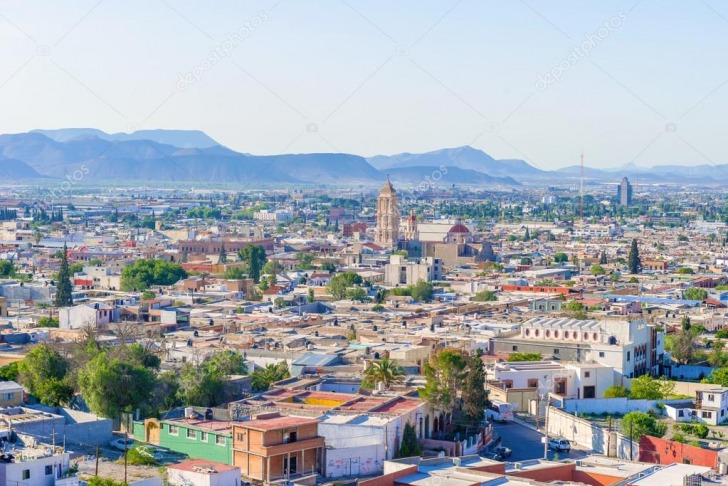
Saltillo does not usually get talked about the same way as Mexico’s big leisure destinations, but that is part of what makes it interesting.
Set high in the state of Coahuila, surrounded by mountains and semi-desert landscapes, this city feels more industrial, local, and lived-in than flashy.
It is known for its sarape tradition, strong manufacturing economy, museums, and cooler climate compared with many other northern Mexican cities.
I see Saltillo as a place that rewards travelers who like real cities with character rather than polished resort zones.
At the same time, it sits in a part of northern Mexico where regional security concerns are impossible to ignore.
That means Saltillo is not a no-brainer, carefree destination.
It is a city where smart choices matter.
If you stay alert, use reliable transportation, and avoid wandering into the wrong areas or traveling carelessly at night, Saltillo can be visited with a reasonable level of confidence.
Warnings & Dangers in Saltillo

OVERALL RISK: MEDIUM
Saltillo is safer than many travelers assume, especially in its business districts, shopping zones, and central cultural areas during the day. Still, it is in Coahuila, a state with broader security concerns tied to organized crime and regional highway risk. Most tourists who run into trouble do so through poor timing, bad route choices, or relaxed street awareness.

TRANSPORT & TAXIS RISK: MEDIUM
Getting around Saltillo is usually manageable, but transportation is one of the areas where good judgment matters most. Registered taxis, app-based rides, hotel-arranged drivers, and daytime transfers are your safest bets. Public transport is more useful for locals than tourists, and late-night rides from the street can add unnecessary risk and confusion.

PICKPOCKETS RISK: MEDIUM
Saltillo is not famous for extreme pickpocketing compared with some larger tourist cities, but crowded markets, bus areas, public plazas, and shopping zones still create opportunities for petty theft. The risk rises when travelers carry phones loosely, use backpacks carelessly, or flash cash. Simple habits make a big difference here.

NATURAL DISASTERS RISK: LOW
Saltillo does not face the same hurricane threat as coastal Mexico, which is a real advantage. The bigger natural concerns are sudden rain, flash flooding in some low spots during the wet season, and hazardous driving conditions caused by fog, wind, or storms on nearby mountain highways. For daily sightseeing, the risk is relatively low.

MUGGING RISK: MEDIUM
Muggings are not the defining feature of Saltillo travel, but robbery can happen, especially after dark, in isolated streets, or when people drift outside the busier areas. The risk is much lower for travelers who avoid empty roads, skip nighttime wandering, and move between places by car instead of on foot late in the evening.

TERRORISM RISK: LOW
A tourist in Saltillo is unlikely to face a terrorism-related threat in the way most international travelers understand that category. The bigger issue is criminal violence connected to organized groups in the wider region, not attacks aimed at visitors as symbolic targets. For the average traveler, this remains a low but not completely irrelevant concern.

SCAMS RISK: LOW
Scams in Saltillo tend to be more ordinary than elaborate. Think overcharging by unofficial drivers, inflated prices for inattentive visitors, or card issues at less reliable businesses. You are more likely to deal with small opportunistic annoyances than a sophisticated tourist con. Paying attention usually keeps this risk under control.

WOMEN TRAVELERS RISK: MEDIUM
Women can visit Saltillo safely, but it is not a place to be careless. Daytime sightseeing in busy areas is generally more comfortable than being out alone at night in quiet neighborhoods. Solo women should stick to established transport, avoid isolated bars or side streets, and choose well-reviewed hotels in stronger parts of town.

TAP WATER RISK: HIGH
This is one area where I would not gamble. Travelers should not rely on tap water for drinking in Saltillo. Use sealed bottled water, and be careful with ice, raw produce washed in unsafe water, and brushing your teeth if you have a sensitive stomach. A preventable stomach issue can ruin a trip fast.
Safest Places to Visit in Saltillo
Historic Center
Saltillo’s Historic Center is the most natural place for visitors to start.
Around the Cathedral of Santiago, Plaza de Armas, and nearby museum streets, you get the clearest sense of the city’s character without needing to roam far.
During the day, this part of town feels active and relatively manageable for tourists.
It is best for slow walking, photos, churches, museums, and people-watching rather than nightlife wandering.
Museum Zone and Cultural Stops
The city’s museums are among its strongest attractions and also among its easiest places to visit safely.
Museo del Desierto is one of the standout stops, especially if you like natural history, paleontology, and regional ecology.
The Museo de las Aves and other smaller cultural museums give Saltillo more depth than many travelers expect.
These places are controlled environments and make excellent anchors for a low-stress itinerary.
North Side Commercial Areas
Modern commercial districts and shopping areas on the north side are often the most comfortable parts of Saltillo for business travelers and cautious visitors.
Restaurant clusters, malls, newer hotels, and well-trafficked roads tend to create a more predictable experience.
These areas may not have the romance of the old center, but they often feel more secure, especially in the evening.
San Lorenzo Canyon and Protected Nature Areas
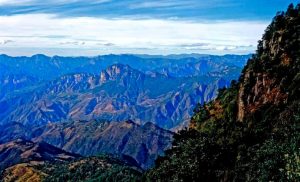
For travelers who want scenery, the nearby natural areas can be rewarding, especially for hiking and mountain views.
The key is not to improvise.
Go in daylight, check local conditions, and avoid wandering off on your own without a clear plan.
Nature around Saltillo is best enjoyed as a deliberate outing, not a spontaneous detour.
Places to Avoid in Saltillo
Remote Outskirts After Dark
The biggest mistake in Saltillo is assuming the whole urban area functions the same way.
It does not.
Outer residential fringes, poorly lit streets, and industrial edges are much less suitable for casual exploring, especially at night.
Tourists generally have no reason to wander these areas, and doing so only raises the chance of robbery, confusion, or ending up in the wrong place.
Unfamiliar Neighborhoods Away From Tourist and Business Corridors
Saltillo is not a city where I would recommend random neighborhood exploration just because something looks interesting on a map.
Once you move away from the historic center, museum circuit, and stronger commercial zones, conditions can change quickly.
Some neighborhoods are perfectly fine for locals but not especially wise for visitors who do not know the area’s rhythms.
Bus and Transit Areas Late at Night
Transport hubs deserve extra caution.
During the day, they are functional.
Late at night, they can attract opportunistic theft, harassment, and general disorder.
If you are arriving or departing by bus, plan your transfer and avoid standing around with luggage, phoning out, and looking unsure.
This is one of those places where tourists can look like easy targets.
Highways and Rural Detours in the Wider Region
The wider Coahuila region matters when judging Saltillo’s safety.
Much of the concern is not about strolling through downtown at noon.
It is about movement between cities, rural stretches, and nighttime driving.
Avoid unnecessary road travel after dark, skip remote detours, and do not treat regional highways casually just because the city itself feels calm.
Safety Tips for Traveling to Saltillo
- Stay in a strong location. Choose a hotel in the historic center, a well-known commercial district, or a business-friendly north-side area. A good location cuts down on transport problems and reduces the temptation to walk through weak areas just to get somewhere.
- Use rideshare apps or hotel-arranged transport. Do not make transportation harder than it needs to be. If you land nearby or arrive by bus, line up your ride before you stand outside with bags. Registered transport is worth the extra cost for peace of mind.
- Avoid walking alone at night. Saltillo is much easier to handle in daylight. Even if an area feels fine in the afternoon, it may feel very different after dark. For nighttime movement, use a car instead of walking between restaurants, bars, or hotels.
- Be cautious on regional roads. This is one of the most important tips. If you are coming from Monterrey or moving around northern Mexico, daytime travel is far better than nighttime driving. Weather, visibility, and security concerns all get worse once the sun goes down.
- Keep your phone and wallet out of sight in crowds. Petty theft is easier to prevent than recover from. Do not carry your phone in a back pocket, leave a bag open, or count cash in public. Small discipline makes you look less distracted and less appealing to thieves.
- Stick to planned sightseeing. Saltillo is not the place for random drifting into unknown neighborhoods. Pick the museums, plazas, churches, shopping areas, and restaurants you want to see, then move between them deliberately. This keeps your day simpler and safer.
- Do not drink tap water. Use bottled or properly filtered water, and be careful with ice and uncooked foods if you have a sensitive stomach. Food and water issues are one of the most common ways travelers lose a day or two of a trip.
- Dress low-key and avoid flashing valuables. You do not need to look poor, just unremarkable. Leave expensive jewelry at home, keep cameras tucked away when not using them, and avoid acting like you expect special treatment because you are a visitor.
- Be extra careful if you are a solo female traveler. Saltillo can work for solo women, but caution matters. Share your route with someone, keep your rides tracked, do not overdo nightlife alone, and trust your instincts if a place or situation suddenly feels off.
- Follow local updates and ask hotel staff for current advice. Conditions in Mexico can change faster than old travel articles suggest. A hotel front desk can often tell you which neighborhoods are fine right now, which roads to avoid, and whether anything is happening locally that should change your plan.
So... How Safe Is Saltillo Really?
Saltillo is not one of those destinations that can honestly be labeled either perfectly safe or wildly dangerous.
The truth sits in the middle.
On one hand, the city has a reputation for being more orderly and more livable than many outsiders expect.
It has cultural attractions, modern commercial zones, and a rhythm that often feels calmer than more chaotic Mexican cities.
On the other hand, it is located in Coahuila, and that matters.
Regional security concerns, highway risks, and the possibility of organized crime spillover mean visitors should never approach Saltillo with a resort mindset.
My overall read is that Saltillo is manageable for informed travelers who keep their plans tight and practical.
Most visitors who stay in good areas, move by reliable transport, avoid night wandering, and skip unnecessary road travel outside the city will probably find it more comfortable than its northern Mexico location suggests.
The biggest risks are not usually dramatic tourist-targeted threats.
They are more often about being in the wrong place, traveling at the wrong time, or underestimating the wider region.
So yes, Saltillo can be visited safely, but it is a destination where caution is part of the itinerary, not an optional extra.
How Does Saltillo Compare?
| City | Safety Index |
|---|---|
| Saltillo |
70 |
| Zamora |
30 |
| Cozumel |
82 |
| Manzanillo |
65 |
| Veracruz |
60 |
| Cabo San Lucas |
72 |
| Nogales |
50 |
 Hulett Hulett | 79 |
| Lovell | 81 |
| Eau Claire | 77 |
| Vincennes | 76 |
 Quepos Quepos | 55 |
 Nagasaki Nagasaki | 96 |
Useful Information

Visas
Many travelers, including visitors from the United States, Canada, the United Kingdom, and much of Europe, can enter Mexico for tourism without applying for a traditional visa in advance for short stays. You will still need a valid passport, and immigration officers decide the permitted length of stay. Always double-check your nationality’s entry rules before flying.

Currency
Saltillo uses the Mexican peso. In my opinion, the easiest approach is to withdraw pesos from bank ATMs in secure locations such as airports, malls, or major commercial areas. Avoid exchanging money with street operators. Cards are widely accepted in better hotels and restaurants, but carrying some cash is still useful for taxis, tips, and smaller businesses.

Weather
Saltillo has a milder climate than many people expect in northern Mexico because of its elevation. Summers are warm but not as brutally hot as some desert cities, while winters can feel surprisingly cool, especially in the morning and at night. Pack layers, comfortable walking shoes, sunscreen, and a light jacket even outside of winter.

Airports
Saltillo has Plan de Guadalupe International Airport, but many travelers also arrive through Monterrey’s much busier airport and continue by road. Monterrey is roughly a little over an hour away by car in normal conditions. If you come in through Monterrey, arrange onward transport carefully and avoid making that transfer late at night.

Travel Insurance
Travel insurance is a smart idea for Saltillo. I would treat it as essential rather than optional, especially because regional conditions, transport interruptions, illness, and unexpected medical needs can get expensive fast. Choose a policy that includes medical care, trip disruption, and evacuation support, not just lost luggage.
Saltillo Weather Averages (Temperatures)
Average High/Low Temperature
| Temperature / Month | Jan | Feb | Mar | Apr | May | Jun | Jul | Aug | Sep | Oct | Nov | Dec |
|---|---|---|---|---|---|---|---|---|---|---|---|---|
| High °C |
18 | 20 | 23 | 26 | 28 | 29 | 28 | 28 | 26 | 23 | 20 | 18 |
| Low °C |
4 | 6 | 9 | 12 | 14 | 16 | 15 | 15 | 14 | 11 | 7 | 4 |
| High °F |
64 | 68 | 73 | 79 | 82 | 84 | 82 | 82 | 79 | 73 | 68 | 64 |
| Low °F |
39 | 43 | 48 | 54 | 57 | 61 | 59 | 59 | 57 | 52 | 45 | 39 |















Visiting for the local sites
Reading through this article for more information on the safety of Saltillo. Compared to some of the other cities surrounding this area it seems to be relatively safe if you practice caution and don’t stay out late at night.
Interested in visiting the city to check out the colonial buildings and art galleries. I know that my partner is interested in seeing the enormous T-Rex skeleton.
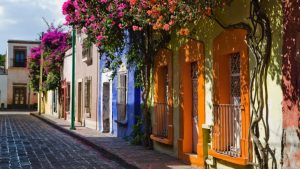
Strolling around Saltillo, I couldn’t get over how the old colonial buildings give it such a chill vibe while you’re just a few minutes away from all the modern hustle.
Guess it’s charming enough for a place that’s basically a factory with a side of colonial buildings.
There’s something so soothing about wandering through the streets of Saltillo, especially when you stumble upon those colonial buildings that whisper stories from the past; it’s like time slows down just for a moment.
Did you visit the Museum of the Desert? I’ve heard the T-Rex skeleton is pretty impressive and I’m curious about how it fits into the overall vibe of Saltillo.
Did you really think a T-Rex skeleton was going to make me forget I’m in a manufacturing hub now?
Did you happen to find any T-Rex skeletons that actually looked like dinosaurs, or were they just really big lizards with a flair for the dramatic?
It’s nice to see that Saltillo has a chill vibe despite all the growth, but I wonder if the big factories are starting to take away some of that small-town charm. The T-Rex skeleton sounds cool, though.
Did you get a chance to check out the T-Rex skeleton at the Museum of the Desert? That sounds wild!
I don’t know, the T-Rex skeleton sounds cool, but I hope it doesn’t feel too touristy in a place that’s supposed to have a chill vibe.
Saltillo’s funny like that, you hop from staring up at the cathedral to a giant T-Rex at the Museo del Desierto and then get stuck in traffic behind factory trucks on the way home.
The Museum of the Desert surprised me way more than I expected, that giant T-Rex skeleton is wild to see up close after wandering around the quiet streets near the cathedral.
Still cracks me up that you can stare up at this giant T-Rex at the Museum of the Desert and then be eating tacos in the super chill centro like 20 minutes later.
The T-Rex at the Museum of the Desert is massive and actually cool, but the center still feels like it’s pretending to be a small town while the big factories hum out at the edges.
That mid 18th century cathedral still gives the center a relaxed small town vibe, and seeing the enormous T-Rex at the Museum of the Desert made me grin as I walked back past the big factories on the outskirts.
Did you also get a little thrill standing under that enormous T-Rex at the Museum of the Desert, or was that just me getting sentimental about old bones?
That enormous T-Rex skeleton at the Museum of the Desert steals the show every time I’m wandering downtown.
The first time I walked past those sarape looms at dusk and felt the cool mountain air, I got unexpectedly teary.
Here the cool evenings by the mountains and the sarape shops give it a lived-in charm, but I still take taxis at night because you can feel the need to be careful.
Kind of surprised that wandering the sarape stalls and feeling that chilly evening mountain breeze made the whole city feel oddly cozy.