


 Mexico : Safety by City
- Acapulco
- Aguascalientes
- Cabo San Lucas
- Cancun
- Chichen Itza
- Chihuahua
- Cozumel
- Cuernavaca
- Culiacan
- Durango
- Ensenada
- Guadalajara
- Guanajuato
- Hermosillo
- Huatulco
- Isla Holbox
- Isla Mujeres
- Ixtapa
- Juarez
- Leon
- Los Cabos
- Manzanillo
- Matamoros
- Mazatlan
- Merida
- Mexicali
- Mexico City
- Monterrey
- Morelia
- Nogales
- Nuevo Laredo
- Oaxaca
- Piedras Negras
- Playa del Carmen
- Puebla
- Puerto Morelos
- Puerto Vallarta
- Queretaro City
- Reynosa
- Saltillo
- San Luis Potosi
- San Miguel de Allende
- Sayulita
- Tijuana
- Tulum
- Valladolid
- Veracruz
- Zacatecas
- Zamora
- Zapopan
- Zihuatanejo
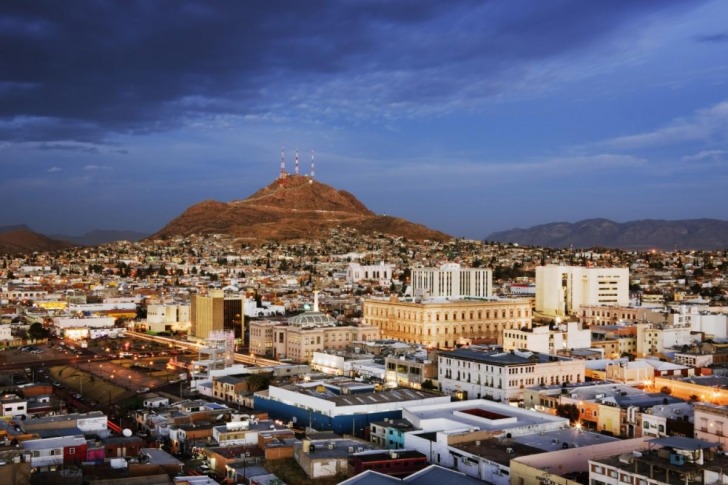
Chihuahua is one of those Mexican cities that surprises people.
It sits in northern Mexico, close enough to the U.S. border to feel strategically important, but far enough inland to have its own rhythm, identity, and pride.
As the capital of the state of Chihuahua, it blends colonial architecture, museum culture, revolutionary history, and broad desert skies.
The historic center has become a major draw, with local authorities reporting roughly 200,000 visitors a month and highlighting landmarks such as the Metropolitan Cathedral, Casa Chihuahua, Quinta Gameros, and the Museum of the Mexican Revolution.
That said, Chihuahua is also in a state that remains under elevated travel warnings, so this is not a destination where you should switch your brain off.
I would call it visitable, but only for travelers who stay alert, stick to smart routes, and avoid wandering far beyond the city’s safer core.
Warnings & Dangers in Chihuahua

OVERALL RISK: MEDIUM
The city is safer than many people assume, especially in the historic core and established commercial areas, but the broader state still carries serious security concerns. Official travel guidance has treated the city of Chihuahua differently from wider warnings that apply to much of the state, which tells you this is not a blanket no-go destination, but it is absolutely not carefree either.

TRANSPORT & TAXIS RISK: MEDIUM
Getting around by app-based rides or hotel-arranged taxis is usually the smart move, especially at night. The bigger danger is not that every ride is unsafe, but that poor route choices, random street pickups, and late-night road travel increase your exposure. In northern Mexico generally, extra caution on roads and in areas outside the main urban core is a good rule to follow.

PICKPOCKETS RISK: MEDIUM
Chihuahua is not famous in the same way as Mexico City or some beach hubs for petty theft, but crowded plazas, markets, festivals, and transit points are still the classic places where phones, wallets, and bags disappear. In practical terms, the threat is manageable if you keep valuables out of sight and do not carry your entire trip budget with you.

NATURAL DISASTERS RISK: MEDIUM
Chihuahua does not sit in Mexico’s main hurricane belt, which is good news, but it does deal with summer storms, flash flooding in heavy rain, and punishing heat during hotter parts of the year. The climate is mostly dry, with the wetter stretch concentrated in summer, so travelers should think more about heat exhaustion and sudden downpours than tropical storm landfalls.

MUGGING RISK: MEDIUM
This is where the conversation gets more serious. Chihuahua state continues to face violence linked to organized crime, and while tourists are not usually the intended targets, opportunistic robberies and street crime do happen. Recent crime survey data for the state shows a high perceived insecurity level and a large gap between crimes committed and crimes reported, which is not the profile of a place where you should get complacent.

TERRORISM RISK: LOW
Chihuahua’s danger profile is driven far more by organized crime than by ideologically motivated attacks aimed at visitors. The real issue is criminal violence and spillover risk, not tourist-targeted terrorism in the conventional sense. For most travelers, that means staying focused on personal security habits rather than worrying about headline-style terror events.

SCAMS RISK: MEDIUM
The most realistic scams here are everyday travel scams: inflated taxi fares, fake help with transport, overcharging in nightlife settings, or distraction theft. Chihuahua is not known as Mexico’s scam capital, but anywhere with tourists, cash transactions, and uneven language skills can produce annoying little hustles. Keep payments simple, confirm fares in advance, and avoid strangers who become too helpful too quickly.

WOMEN TRAVELERS RISK: MEDIUM
Plenty of women visit northern Mexico without major problems, especially when sticking to central, active areas during the day. But solo nightlife, isolated walking routes, and late transport choices raise the risk fast. The safest approach is the least glamorous one: use ride apps, share your location, avoid overdrinking, and do not assume a quiet street is a safe street just because it looks polished.

TAP WATER RISK: MEDIUM
Even if locals drink it in some homes, most visitors are better off sticking to bottled or properly filtered water. Travelers' stomachs often lose arguments with unfamiliar water systems, ice, and uncooked produce. This is one of the easiest risks to reduce, so there is no prize for being adventurous with tap water on day one.
Safest Places to Visit in Chihuahua
If you want the safest and most enjoyable version of Chihuahua, stay close to the city’s cultural heart.
The Centro Histórico is the obvious starting point.
It is the best-known visitor zone, the most walkable part of the city, and the area local authorities themselves promote most heavily.
The Metropolitan Cathedral, Plaza de Armas, and surrounding streets give you the Chihuahua that most travelers actually came to see: stately architecture, museums, cafés, and a steady flow of people that makes the area feel more comfortable than the outskirts.
The fact that the historic center attracts around 200,000 visitors a month tells you where the city’s tourism energy is concentrated.
I would also put Quinta Gameros, Casa Chihuahua, and the Museum of the Mexican Revolution on the safer shortlist, especially in daylight and with direct transport there and back.
These are not random attractions tucked into unstable edges of the city.
They are among the main cultural anchors officially highlighted by the state.
If you like your travel with a side of history, this is where Chihuahua really earns its keep.
Commercial districts with established restaurants, hotels, and business traffic also tend to feel more controlled than peripheral neighborhoods.
The formula here is simple: central, active, visible, and predictable beats remote, dark, and improvised every single time.
Chihuahua is much better as a museum-and-food city than as a let ’s-see-where-this-road-goes city.
Places to Avoid in Chihuahua
The trickiest part of writing about Chihuahua is that risk does not spread evenly across the map.
The broadest warning is not actually about one downtown block or one museum district.
It is about the state of Chihuahua as a whole, where travel guidance still warns against nonessential travel in many areas while specifically treating the city of Chihuahua differently.
That means the city is not the same thing as the wider state, and travelers should be very careful about turning a city break into a free-form road trip through remote areas.
Highways, rural zones, and nighttime drives are where the margin for error gets smaller.
Inside the city, neighborhood-level risk can change faster than travel guides do, so I would be cautious about presenting any static blacklist as gospel.
Still, local reporting has repeatedly flagged parts of the city’s periphery, including areas such as Cerro de la Cruz, Vistas del Norte, Riberas de Sacramento, and Chihuahua 2000, as places associated with higher crime or conflict at various times.
That does not mean every street there is off-limits every hour of the day.
It does mean tourists have no real reason to drift into these outer residential zones casually, especially after dark.
I would also avoid quiet industrial stretches, poorly lit overpasses, empty bus surroundings late at night, and any road excursion where you are depending on guesswork instead of a fixed plan.
In Chihuahua, avoiding often means avoiding bad timing and bad routing, not just avoiding one dramatic red-dot neighborhood.
Safety Tips for Traveling to Chihuahua
- Stay in the center or another well-reviewed business district. This is the single easiest safety upgrade. Choose a hotel in or near the historic center or in a well-known commercial area with reception, secure transport options, and good nighttime foot traffic.
- Do not drive around aimlessly, especially at night. Chihuahua is not the city for spontaneous detours into unfamiliar neighborhoods. If you rent a car, map your route in advance, stick to toll roads when leaving the city, and avoid nighttime highway travel.
- Use ride apps or arranged taxis instead of random street cabs. Predictability matters. A traceable ride with a confirmed route and fare is much better than hopping into the first available car outside a crowded area.
- Keep your phone out of sight when you are not using it. Travelers love checking maps at every corner. Thieves love that too. Step inside a café, hotel lobby, or shop if you need to reorient yourself.
- Dress normally and avoid signaling wealth. Chihuahua is not the place to advertise expensive watches, jewelry, designer bags, or wads of cash. Looking boring is an underrated travel strategy.
- Build your day around daylight. Museums, plazas, and cultural sites are best enjoyed during the day anyway. Try to make dark hours about dining, not wandering.
- Be selective with nightlife. Go to known venues, preferably recommended by your hotel or hosts. Do not bounce between unfamiliar bars, and do not accept drinks, rides, or invitations from strangers just because the conversation started well.
- Carry only what you need. Bring one payment card, limited cash, and a copy of your ID if appropriate. Leave backup cards, extra documents, and most valuables in the hotel safe.
- Drink bottled or filtered water. This sounds basic, but stomach trouble can wreck a trip faster than crime. Use sealed water for drinking, and be careful with ice and raw food from places with questionable hygiene.
- Monitor local conditions every day. Chihuahua’s risk level is not static. Weather, protests, police operations, and road issues can all affect how safe a given route feels. A five-minute check each morning is far more useful than one grand safety plan made a month before the trip.
So... How Safe Is Chihuahua Really?
Chihuahua is not one of those destinations that fit neatly into the totally safe or absolutely avoid category.
The honest answer is more interesting than that.
Chihuahua City is more viable for travelers than the wider state, and official guidance reflects that distinction.
That split matters.
If you fly in, stay in central areas, visit the major cultural sites, use reliable transport, and do not improvise road trips into rural or peripheral zones, the city can be a manageable destination for an alert traveler.
If, on the other hand, you treat Chihuahua like a zero-risk city where you can roam anywhere at any hour, you are taking on more risk than many visitors realize.
Recent crime survey data reinforces the need for caution.
State figures have estimated hundreds of thousands of crimes in a recent year, with only a small share formally reported, and a large majority of adults saying they felt insecure.
Those numbers do not mean tourists are automatically in danger every minute.
They do mean this is a place where common sense should be in the driver’s seat the whole trip.
How Does Chihuahua Compare?
| City | Safety Index |
|---|---|
| Chihuahua |
40 |
| Sayulita |
80 |
| Valladolid |
90 |
| Ixtapa |
70 |
| Mexico City |
55 |
| Merida |
82 |
| Zihuatanejo |
72 |
 West Orange West Orange | 72 |
| Rushville | 86 |
 Geelong Geelong | 86 |
 Coron Coron | 79 |
 Sharm el Sheikh Sharm el Sheikh | 70 |
| Santa Claus | 84 |
Useful Information

Visas
Mexico’s entry rules depend on your nationality. Some travelers can enter without a visa for tourism, while others need a visitor visa from a Mexican consulate. Mexico’s immigration system allows tourist stays of up to 180 days in many cases, but the exact entry permission depends on your passport and immigration approval on arrival.

Currency
The local currency is the Mexican peso. In practice, it is best to use ATMs at banks, airports, or major commercial areas rather than exchanging too much cash at once. Using pesos for everyday spending is the smoothest option, even if some tourist-facing businesses may quote prices another way.

Weather
Chihuahua has a mostly dry climate with hot periods and a wetter summer stretch. Warm days are common, but nights can cool off more than visitors expect, especially outside peak summer. Pack light clothes for daytime, but add a light jacket or layer for evenings and cooler months.

Airports
Most travelers arrive through Chihuahua International Airport. It is the main airport serving the city and is the easiest gateway for a city-based trip. From there, the most practical options into town are prearranged hotel transport, rental car, or a trusted taxi or ride service, rather than improvising on arrival.

Travel Insurance
Get travel insurance. In a destination where transport changes, medical issues, or security disruptions can affect your plans, insurance is not just box-checking. Look for a policy that covers medical treatment, trip interruption, theft, and emergency support so you are not dealing with expensive surprises away from home.
Chihuahua Weather Averages (Temperatures)
Average High/Low Temperature
| Temperature / Month | Jan | Feb | Mar | Apr | May | Jun | Jul | Aug | Sep | Oct | Nov | Dec |
|---|---|---|---|---|---|---|---|---|---|---|---|---|
| High °C |
16 | 19 | 23 | 27 | 31 | 34 | 32 | 31 | 29 | 25 | 20 | 16 |
| Low °C |
2 | 4 | 7 | 11 | 15 | 18 | 18 | 17 | 15 | 10 | 5 | 2 |
| High °F |
61 | 66 | 73 | 81 | 88 | 93 | 90 | 88 | 84 | 77 | 68 | 61 |
| Low °F |
36 | 39 | 45 | 52 | 59 | 64 | 64 | 63 | 59 | 50 | 41 | 36 |















This review regarding “women with “European” features are more attractive and these women might find themselves getting excessive attention.”, is ridiculous and absurd. In the state of Chihuahua we have plenty of people with “European” features or German and English last names, it is certainly not I common. Hello, Mennonite Cheese, who do you think make this type of cheese? LOL. Anyway, you should definitely know the state and the people who live there before making such an ignorant assertion.
Overblown
I have been traveling to the city of Chihuahua several times a year since 2012. I have NEVER seen a military checkpoint in the city and only once near Cañón Pegüis. Sometimes you will see a truck with some bored soldiers, but that is it. The “unspoken curfew” is also absurd because there isn’t one. People are out and about late at night like any city in the US. People are also out late in the clubs in Ciudad Juárez for that matter. Chihuahua has a lot of great things to check out and I always see something new each time I visit. I would encourage others to do the same.
FWIW, I hear gunfire every weekend in Memphis, TN. In fact, I can’t recall ever hearing anything like that in Chihuahua.
Chihuahua Has 110 murders per 100k which is extremely high. Don’t lie to yourself, the city is dangerous and there are better areas in Mexico than this city. Memphis is most dangerous city in America that’s why you hear gunshots. Never beard gunshot here in Boston.
female safety
I believe that the comment comes from a native of Chihuahua. My gf is from there as well and says the same things, and that women are not as safe there as men are.
I had no idea Chihuahua had such a rich history and those colonial buildings are absolutely stunning; it felt like stepping back in time wandering around the Cathedral de Chihuahua, and the vibe in the plazas is just so alive.
Did you get a chance to check out the Cathedral de Chihuahua? It sounds stunning with all that Baroque detail!
Did you get a chance to explore the museums while you were there, especially the Casa Chihuahua? It sounds like such a fascinating glimpse into the history and culture of the area.
Didn’t expect to find such amazing colonial architecture here; the Cathedral de Chihuahua is stunning!
The downtown area near the Cathedral de Chihuahua really has a unique charm, especially when you take a moment to appreciate the intricate details of the architecture.
Sitting in the plaza by the Cathedral de Chihuahua as the bells echoed off the old colonial buildings honestly gave me goosebumps, like the history in Casa Chihuahua and around downtown was quietly pressing in from every side.
I ended up grinning at the cathedral’s crazy details and lively plazas, but seriously the midday sun will steamroll you if you don’t bring a hat.
Has anyone else been surprised by how the Metropolitan Cathedral looks under those broad desert skies but felt a little uneasy once the crowds thinned?
Sitting on the cathedral steps at dusk, when the sky shifts from hard blue to soft purple, I always feel proud of how alive the city is and a quiet caution that keeps me alert.
The cathedral lights at dusk make the plaza feel strangely cozy, but the dusty wind still put me on edge.
Walking past the Metropolitan Cathedral at sunset, with the smell of street tacos and kids playing nearby, I actually felt calmer than I expected even with the usual warnings in mind.
When I walked past the Metropolitan Cathedral at dusk I felt a bit uneasy, so are you really saying the whole city deserves that travel warning or just the neighborhoods outside the historic center?