


 Japan : Safety by City
- Fukuoka
- Hakone
- Hiroshima
- Kamakura
- Kanazawa
- Kyoto
- Nagasaki
- Nara
- Nikko
- Osaka
- Sapporo
- Sendai
- Tokyo
- Yokohama
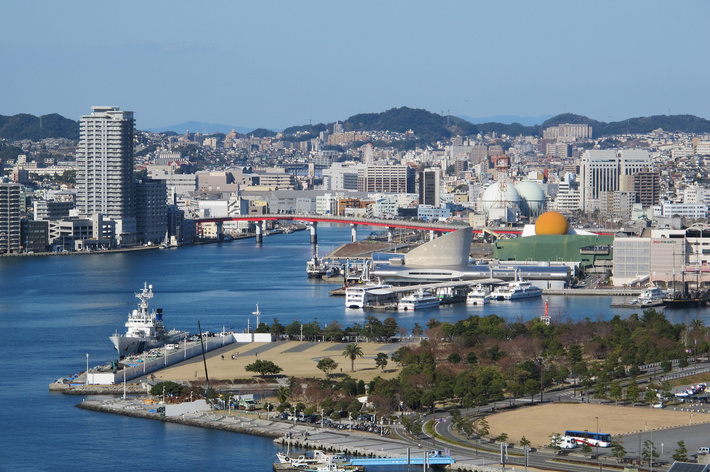
Nagasaki sits on the northwestern coast of Kyushu, Japan’s southernmost main island, wrapped around steep hills and a harbor that has shaped its identity for centuries.
It is one of those cities that feels layered in every sense: geographically, historically, and culturally.
You will find old European influences, Chinese heritage, peaceful waterfront views, and moving memorials all within the same trip.
Most travelers come for the city’s history, night views, and thoughtful atmosphere, but they often leave talking about how easy and calm it feels to explore.
Compared with many larger urban destinations in Asia, Nagasaki is noticeably more relaxed, less crowded, and less stressful to navigate.
From a safety perspective, that matters.
It is generally a very comfortable city for tourists, though like anywhere in Japan, natural disaster awareness matters just as much as street smarts.
Warnings & Dangers in Nagasaki

OVERALL RISK: LOW
Nagasaki is generally a low-risk destination for travelers. Violent crime against tourists is uncommon, public spaces are orderly, and the city has a calmer feel than Japan’s giant metropolitan centers. Most visits are trouble-free. The bigger concerns are not street crime but practical issues like heavy rain, typhoon season, slippery hills, and staying alert in crowded transit areas.

TRANSPORT & TAXIS RISK: LOW
Public transportation in Nagasaki is reliable, clean, and easy to use, especially the tram system that connects many major sights. Taxis are generally safe and professional, and serious transport scams are rare. The main risks are missing last services, dealing with language barriers in smaller situations, or taking a wrong bus route rather than anything criminal.

PICKPOCKETS RISK: LOW
Pickpocketing risk in Nagasaki is low compared with most international tourist cities. That said, low risk does not mean zero risk. Crowded trams, stations, festivals, and shopping streets are the places where inattentive travelers are most likely to lose a wallet or phone. Keep valuables zipped and avoid leaving bags hanging open in busy areas.

NATURAL DISASTERS RISK: MEDIUM
This is the category travelers should take most seriously. Nagasaki is in a country prone to earthquakes, heavy rainfall, typhoons, and occasional landslide risks in hilly areas. Major disasters are not everyday events, but they are real enough that visitors should know evacuation basics, monitor weather alerts, and pay special attention during late summer and early autumn.

MUGGING RISK: LOW
Muggings and street robberies are rare in Nagasaki. The city does not have a reputation for violent attacks on tourists, and many areas feel safe even after dark. Still, quiet side streets, poorly lit slopes, and nightlife zones are never the place to flash cash, wander drunk, or lose awareness of your surroundings.

TERRORISM RISK: LOW
The terrorism risk in Nagasaki is low. Japan in general is not considered a high-risk terrorism destination for ordinary tourists. As with any international destination, public events, transport hubs, and crowded attractions always require basic awareness, but this is not something that dominates the safety profile of the city.

SCAMS RISK: LOW
Scams are not a major problem in Nagasaki, especially compared with more aggressive scam hotspots around the world. Still, tourists should be careful in bars, with unexpected invitations from strangers, or anywhere prices are not clearly posted. Overcharging is much more likely than elaborate fraud, and even that is not common in this city.

WOMEN TRAVELERS RISK: LOW
Nagasaki is generally a comfortable destination for solo women travelers. Streets, hotels, and transit systems are usually orderly and well used. The main precautions are the same sensible ones you would take almost anywhere: avoid becoming isolated late at night, watch your drink in nightlife areas, and use licensed taxis if you are returning after dark.

TAP WATER RISK: LOW
Tap water in Nagasaki is generally safe to drink, as is standard across Japan. Most travelers can drink it without concern. If you have a very sensitive stomach or simply prefer bottled water, it is easy to find at vending machines and convenience stores all over the city, but there is usually no safety reason you must avoid the tap.
Safest Places to Visit in Nagasaki
Peace Park and the Atomic Bomb Museum Area
This is one of the most organized and respectful parts of the city for visitors.
It is well known, easy to reach, and regularly visited by tourists, school groups, and locals.
The atmosphere is reflective rather than chaotic, and the area feels secure during normal daytime sightseeing hours.
For travelers who like exploring meaningful places without the pressure of intense crowds, this part of Nagasaki is an excellent choice.
Dejima and the Waterfront
Dejima and the nearby waterfront zones are among the easiest places to enjoy Nagasaki without much stress.
These areas are open, walkable, and popular with visitors interested in history, harbor views, and museums.
Because there is steady foot traffic and a polished tourist presence, they tend to feel comfortable for first-time visitors who want a safe introduction to the city.
Glover Garden and Oura Cathedral
This hillside historical district is one of the prettiest and most visitor-friendly parts of Nagasaki.
It is well established on the sightseeing map, and the routes are straightforward if you take your time.
During the day, it feels very safe, with plenty of other travelers around.
The main thing to watch here is not crime but slopes, stairs, and weather, especially after rain.
Mount Inasa and Major Viewpoints
For one of Nagasaki’s signature experiences, Mount Inasa is a strong pick.
Visitors come for the famous night view, and the area is built to handle tourists.
It is safest when reached by proper transport, ropeway access, or planned routes rather than wandering unfamiliar hills on foot after dark.
Used sensibly, it is one of the city’s most memorable and secure attractions.
Places to Avoid in Nagasaki
Isolated Hillside Streets Late at Night
Nagasaki’s geography is beautiful, but it can also create some awkward conditions for travelers.
Narrow stairways, steep residential lanes, and dimly lit hillside roads are not necessarily dangerous in a criminal sense, but they are the places where you are more likely to get lost, slip, or feel uncomfortable at night.
Avoid wandering these areas without a clear route.
Nightlife Pockets Around Entertainment Streets
Nagasaki is not notorious for wild nightlife trouble, but entertainment districts can still be where minor overcharging, drunken behavior, and poor decisions happen.
Areas with bars and late-night drinking are the least predictable parts of the city.
Travelers do not need to avoid them entirely, but they should stay cautious about unsolicited invitations, unclear prices, and walking alone while intoxicated.
Empty Transit Surroundings After the Last Services
Once buses or trams thin out late at night, certain station-adjacent streets can feel much quieter than they do in the day.
The issue is usually inconvenience rather than danger, but being stranded, tired, and unsure of directions can create problems fast.
Know your return route before heading out, especially if your hotel is not in the city center.
Slippery Coastal and Stair Areas in Bad Weather
This is more a practical hazard zone than a crime hotspot, but it deserves mention.
Nagasaki’s hills, stone steps, and waterfront edges can become slick during rain or storms.
In bad weather, avoid rushing through scenic paths, stair-heavy neighborhoods, and exposed viewpoints.
The most realistic risk for many visitors here is a fall, not a theft.
Safety Tips for Traveling to Nagasaki
- Keep weather awareness higher than your crime anxiety. In Nagasaki, bad weather is often more relevant than bad people. Check forecasts daily, especially during typhoon season or periods of heavy rain. If local authorities issue warnings, take them seriously and adjust your plans instead of trying to squeeze in one more viewpoint or harbor walk.
- Use the tram system confidently, but watch your belongings. Nagasaki’s trams are one of the easiest ways to move around the city. They are generally safe, efficient, and tourist-friendly. Still, crowded public transport is where phones, wallets, and transit cards are most easily lost. Keep bags zipped and avoid juggling too many loose items while boarding.
- Wear shoes that can handle hills and stairs. This tip sounds simple, but it matters a lot in Nagasaki. The city’s steep slopes, staircases, and uneven walking surfaces can be tiring and slippery. Stylish but impractical shoes are a bad trade here. Good footwear reduces your risk of falls and makes the city far more enjoyable.
- Plan your last ride home before dinner. A lot of travel stress starts at the end of the day, not the beginning. Before going out for dinner, drinks, or a night view, know how you are getting back. Check whether you need a tram, bus, taxi, or simply a short walk. A little planning prevents late-night confusion.
- Be extra careful if drinking in nightlife areas. Nagasaki is calmer than Tokyo or Osaka, but normal nightlife rules still apply. Do not leave drinks unattended, do not follow strangers to a second bar with unclear pricing, and do not get so intoxicated that you lose your sense of direction on unfamiliar streets. Most problems begin with lowered judgment.
- Carry your hotel address in a form you can show someone. Even in a safe city, getting lost can be stressful. Have your hotel name and address saved on your phone and ideally written in Japanese as well. This helps with taxis, directions, and moments when you are tired and do not want to explain a complicated location from memory.
- Know basic earthquake and evacuation etiquette. You do not need to be frightened, but you should be prepared. When you check into your hotel, glance at evacuation information. If an earthquake happens, stay calm, follow staff instructions, and avoid rushing. Near the coast, know where higher ground is, just in case a stronger event triggers additional warnings.
- Use cash and cards sensibly. Japan is increasingly card-friendly, but many travelers still carry cash. Do not flash large amounts in public or pull out your entire stash at once. Split money between wallet, hotel safe, and backup storage. This is less about Nagasaki being dangerous and more about smart travel habits anywhere.
- Respect quiet neighborhoods. Some of Nagasaki’s most beautiful areas are residential. Walking respectfully, keeping noise down, and not blocking narrow lanes does more than make you polite. It also helps you avoid unwanted attention and keeps interactions with locals pleasant. Safe travel is easier when you move through a place with awareness and respect.
- Buy travel insurance before you go. Japan is efficient, but unexpected disruptions still happen. Weather cancellations, missed connections, illness, lost baggage, and medical needs can quickly become expensive. Nagasaki is not a high-crime destination, so your biggest insurance value may come from trip interruption or health coverage rather than theft claims.
So... How Safe Is Nagasaki Really?
Nagasaki is one of those destinations that feels safer in real life than many travelers expect from reading generic travel warnings.
On the ground, it is orderly, calm, and easier to handle than bigger Japanese cities.
Violent crime is rare, public transportation works well, and the overall travel rhythm is manageable even for first-time visitors to Japan.
For most people, the practical experience of Nagasaki is not one of fear but of comfort.
That said, the city’s safety story is not just about crime statistics.
The smarter way to think about Nagasaki is this: it is low risk for crime, but medium risk for environmental and situational factors.
Earthquakes are part of life in Japan, typhoons can affect travel, and Nagasaki’s steep terrain adds its own everyday hazards, especially in rain.
If you treat weather alerts casually, wear bad shoes, or wander unfamiliar hillside streets late at night, you can create problems in a city that is otherwise very forgiving.
For solo travelers, couples, older travelers, and families, Nagasaki is generally a strong choice.
It rewards thoughtful travelers who stay aware, plan their transport, and respect local conditions.
In plain terms, yes, Nagasaki is genuinely a safe place to visit, and for many travelers it will feel safer than most large cities they are used to back home.
How Does Nagasaki Compare?
| City | Safety Index |
|---|---|
| Nagasaki |
96 |
| Osaka |
88 |
| Kanazawa |
83 |
| Nara |
88 |
| Sendai |
88 |
| Fukuoka |
90 |
| Kamakura |
91 |
 San Miguel de Allende San Miguel de Allende | 80 |
 Noblesville Noblesville | 78 |
 Petaling Jaya Petaling Jaya | 76 |
 Namur Namur | 85 |
 Hammamet Hammamet | 78 |
| Montgomery | 77 |
Useful Information

Visas
Japan’s tourist entry rules depend on your nationality, but many travelers can visit visa-free for short stays, often up to 90 days. If you do need a visa, you usually apply through a Japanese embassy or consulate with a passport, photo, itinerary, and proof of funds. Processing is often measured in business days rather than weeks.

Currency
The local currency is the Japanese yen. Exchange rates at airports are convenient but not always the best value, so many travelers do better using ATMs at convenience stores or banks once in Japan. Carry some cash for smaller purchases, but cards are accepted in many hotels, stations, and larger restaurants.

Weather
Nagasaki has four distinct seasons, with hot, humid summers and mild to cool winters. Rain is common at times, and late summer into early autumn can bring typhoon-related weather. Pack layers, comfortable walking shoes, and a light rain jacket or compact umbrella. Summer travelers should also prepare for humidity.

Airports
Nagasaki Airport is the main gateway for the city, and airport buses connect it with central Nagasaki, including routes toward Nagasaki Station and Shinchi. Some travelers also arrive via larger regional hubs such as Fukuoka and continue by train or bus. For most visitors, the airport bus is the simplest arrival option.

Travel Insurance
Travel insurance is a smart idea for Nagasaki, not because the city is especially dangerous, but because travel disruptions can happen anywhere. Good coverage can help with medical costs, cancellations, delays, and lost belongings. In a destination where weather and transport issues are more likely than crime, insurance is especially worthwhile.
Nagasaki Weather Averages (Temperatures)
Average High/Low Temperature
| Temperature / Month | Jan | Feb | Mar | Apr | May | Jun | Jul | Aug | Sep | Oct | Nov | Dec |
|---|---|---|---|---|---|---|---|---|---|---|---|---|
| High °C |
10 | 11 | 14 | 19 | 23 | 25 | 29 | 31 | 28 | 23 | 18 | 12 |
| Low °C |
4 | 5 | 8 | 13 | 17 | 20 | 24 | 25 | 22 | 17 | 11 | 6 |
| High °F |
50 | 52 | 57 | 66 | 73 | 77 | 84 | 88 | 82 | 73 | 64 | 54 |
| Low °F |
39 | 41 | 46 | 55 | 63 | 68 | 75 | 77 | 72 | 63 | 52 | 43 |
Japan - Safety by City
| City | Safety Index |
|---|---|
| Fukuoka | 90 |
| Hakone | 92 |
| Hiroshima | 80 |
| Kamakura | 91 |
| Kanazawa | 83 |
| Kyoto | 83 |
| Nagasaki | 96 |
| Nara | 88 |
| Nikko | 91 |
| Osaka | 88 |
| Sapporo | 92 |
| Sendai | 88 |
| Tokyo | 90 |
| Yokohama | 87 |












Generally safe
I generally feel safe in my travel to Japan in terms of crimes and such, but the concern on earthquakes is always there. I guess you can’t have all if you know what I mean. Temples and museums would give you an insight into the history of Nagasaki.
Yeah sure buddy
Safer than iceland? Yet the only thing i should be worried about is natural disasters. Yeah sure buddy.
Seeing the replicas of Dutch homes at Huis Ten Bosch and the Oura Cathedral from 1886 left me feeling strangely quiet and a little awed at how much history this place carries.
Passing by the 1886 Oura Cathedral gave me a strange, quiet feeling in the chest, and the Dutch-style replicas at Huis Ten Bosch make you forget for a moment that this city rebuilt itself after such a violent past.
Those Dutch replica houses at Huis Ten Bosch felt oddly cozy, and Oura Cathedral from 1886 actually moved me.
Standing by the memorial with the harbor lights behind me, I felt unexpectedly calm and a little teary from the weight of the history, and the cool breeze up the hill made me slow my walk and actually breathe.
Spent a few days wandering those steep streets and honestly, the mix of quiet harbor views and old European architecture made me slow down and actually notice the little things I usually miss in busier cities.
Sure, “relaxed and less crowded” sounds great until you realize the hills are so steep your legs feel like jelly the next day.
Braving those steep hills definitely gave me a workout but the calm harbor views made it totally worth it.