


 Japan : Safety by City
- Fukuoka
- Hakone
- Hiroshima
- Kamakura
- Kanazawa
- Kyoto
- Nagasaki
- Nara
- Nikko
- Osaka
- Sapporo
- Sendai
- Tokyo
- Yokohama
Kyoto sits in the Kansai region of western Japan, tucked into a basin and ringed by low mountains that help give the city its distinct four seasons.
Once Japan’s imperial capital for more than a thousand years, it is the sort of place where ancient wooden machiya houses, world-famous temples, and spotless train stations somehow share the same everyday rhythm.
For travelers, Kyoto feels calm, organized, and wonderfully walkable, which already gives it a strong safety advantage over many major tourist cities.
But it is not a theme park, and it is not risk-free.
Crowds can be intense, summer heat can be brutal, and a few common tourist mistakes can quickly turn a dreamy visit into a stressful one.
After digging into the practical realities, I’d rate Kyoto as one of the safer major cultural destinations in Asia for careful travelers.
Warnings & Dangers in Kyoto

OVERALL RISK: LOW
Kyoto is broadly a low-risk destination for tourists. Violent crime against visitors is uncommon, streets are generally clean and orderly, and public behavior is more restrained than in many large cities. The real concerns are usually minor ones: getting overwhelmed by crowds, losing valuables, dealing with heat or typhoon season, or making avoidable mistakes late at night.

TRANSPORT & TAXIS RISK: LOW
Transportation in Kyoto is reliable and safe. Trains, subways, and buses are widely used by locals and tourists alike, and licensed taxis are generally dependable. The bigger issue is not danger but inconvenience. Buses can get extremely crowded, especially around temple districts, and travelers who are tired or distracted can miss stops or leave belongings behind.

PICKPOCKETS RISK: LOW
Pickpocketing risk in Kyoto is lower than in most famous tourist cities, but low does not mean nonexistent. Busy train stations, packed buses, festival crowds, and sightseeing hotspots like Fushimi Inari or Kiyomizu areas can create easy opportunities for petty theft. A zipped bag and basic awareness are usually enough to keep this risk in the low category.

NATURAL DISASTERS RISK: MEDIUM
This is one of the few categories where Kyoto deserves more caution. Japan is prone to earthquakes, and Kyoto also faces risks from typhoons, heavy rain, flooding, and occasional extreme summer heat. The city’s infrastructure is strong, but travelers should still know emergency procedures, pay attention to weather alerts, and never ignore evacuation guidance.

MUGGING RISK: LOW
Street robbery and mugging are rare in Kyoto compared with many international destinations. Most tourists will never come close to experiencing this kind of crime. Still, common sense matters after dark, especially in quieter side streets, near nightlife zones, or if you are visibly intoxicated and carrying cash, expensive phones, or luggage.

TERRORISM RISK: LOW
Kyoto is considered low risk for terrorism in day-to-day travel terms. That said, no major destination is completely immune to global security threats, and Japan does maintain a general posture of public vigilance. For travelers, this mostly means staying aware in crowded transit hubs and major tourist sites, not living in fear.

SCAMS RISK: LOW
Kyoto has fewer tourist scams than many heavily visited cities, which is one reason people often feel relaxed here. Still, scams do exist. The most realistic ones involve inflated prices in nightlife settings, misleading bar invitations, or tourist-targeted overcharging. Ignoring street touts, checking prices first, and booking through reputable businesses usually solves the problem.

WOMEN TRAVELERS RISK: LOW
Kyoto is one of the more comfortable cities in the world for many women travelers, including solo visitors. Public transport is orderly, crime is low, and walking during the day usually feels very manageable. The main caution points are late-night deserted areas, drinking scenes, and occasional unwanted attention, which is uncommon but not impossible.

TAP WATER RISK: LOW
Tap water in Kyoto is generally safe to drink. Japan’s drinking water standards are strong, and many travelers use tap water throughout their stay without problems. Unless your accommodation specifically tells you otherwise, tap water is not a major concern here. Bringing a reusable bottle is often more practical than constantly buying bottled water.
Safest Places to Visit in Kyoto
Central Higashiyama
If you want classic Kyoto with a strong tourist infrastructure, Central Higashiyama is one of the safest bets.
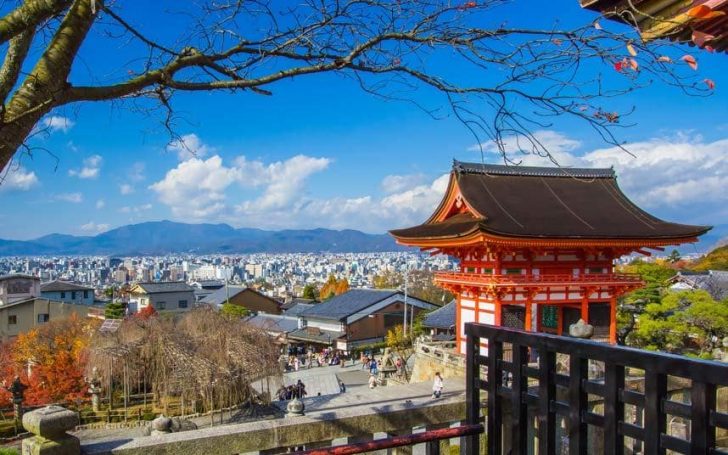
This area includes famous sights around Kiyomizu-dera, Sannenzaka, and Ninenzaka.
There are plenty of visitors, lots of signage, and a steady presence of shops, cafes, and staff who are used to helping tourists.
Go early to avoid crowd pressure.
Arashiyama
Arashiyama, on the western side of the city, is another comfortable area for travelers.
The bamboo grove gets most of the attention, but the whole district feels easy to navigate and generally relaxed.
The riverfront, temple grounds, and main shopping streets are good for travelers who want scenic beauty without a rough urban edge.
Kyoto Station Area
The Kyoto Station district is not the prettiest part of the city, but it is practical, well-connected, and usually very safe for tourists.
If you value convenience, clear transit options, and a modern environment with lots of services close by, this is one of the easiest areas to base yourself.
It is especially good for first-time visitors.
Northern Higashiyama and Okazaki
This part of Kyoto, which includes paths around Ginkaku-ji, temple areas, museums, and canal-side walks, tends to feel calm and polished.
It is a great choice for travelers who want beauty without the same crush of people found in some headline attractions.
It is especially pleasant in the morning and in the cooler seasons.
Places to Avoid in Kyoto
Late-Night Entertainment Pockets Near Shijo and Kawaramachi
Kyoto is not notorious for dangerous nightlife, but the city center around Shijo, Kawaramachi, and nearby backstreets can feel very different late at night than it does during shopping hours.
This is where you are more likely to encounter aggressive drinking culture, inflated bills, or uncomfortable encounters.
It is not a no-go zone, but it deserves more caution after dark.
Quiet Areas Around Kyoto Station Late at Night
Kyoto Station itself is busy and practical during the day, but some surrounding streets can be empty late at night.
The risk is still fairly low by international standards, yet tired travelers with luggage, phones out, or poor orientation are more vulnerable to petty problems here than in busy daytime conditions.
Stay on well-lit main routes.
Overcrowded Tourist Corridors
This might sound strange in an article about danger, but some of Kyoto’s biggest safety annoyances are caused by overcrowding rather than crime.
Around Kiyomizu slopes, Fushimi Inari, and parts of Gion, crowding can lead to jostling, distracted walking, lost property, heat exhaustion, and poor decision-making.
These are not dangerous neighborhoods, but they can still be stressful and riskier than they look.
Private Lanes in Gion
Gion itself is a major attraction and not somewhere you need to fear.
The issue is that some private alleys and residential lanes are sensitive spaces with posted restrictions.
Tourists who wander carelessly, block paths, or ignore signs can end up in tense situations.
It is less about personal danger and more about avoiding conflict, fines, or trouble caused by disrespectful behavior.
Safety Tips for Traveling to Kyoto
- Start your sightseeing early. Kyoto’s biggest attractions are safest and most pleasant in the morning. You will avoid the worst crowds, reduce the chance of losing items in packed areas, and make hot-weather walking much easier.
- Keep your bag zipped and in front of you on crowded transit. Pickpocketing is not rampant, but buses and train platforms can get very crowded. A simple habit like wearing your bag across the front in dense crowds goes a long way.
- Use trains when possible and treat buses as a backup. Kyoto buses are useful, but they can become jammed with tourists. Overcrowded buses create stress, confusion, and opportunities to leave belongings behind. Rail options are often calmer and easier.
- Do not follow touts into bars or clubs. Kyoto is milder than some larger Japanese nightlife cities, but the basic rule still holds. If someone on the street is trying to pull you into a venue, keep walking. Reputable places do not usually need that kind of sales tactic.
- Prepare for heat, not just rain. Many travelers think about cherry blossoms or temples and forget how intense Kyoto’s summer can be. Carry water, take indoor breaks, wear breathable clothes, and do not underestimate the risk of heat exhaustion.
- Learn a few emergency basics. Know your hotel address, save offline maps, and understand that 110 is for the police and 119 is for fire or ambulance. In an emergency, even a tiny bit of preparation reduces panic.
- Respect signs in Gion and residential areas. Not every beautiful lane is meant for sightseeing traffic. If a street is marked private or photography is restricted, follow the rules. This keeps you out of trouble and makes Kyoto more welcoming for everyone.
- Carry some cash, but not too much. Japan is more card-friendly than it used to be, but cash is still useful. Bring enough for daily convenience without flashing large amounts in public. Split money between wallet, bag, and hotel safe if possible.
- Book accommodation near a station if it is your first visit. Staying near Kyoto Station or another well-connected transit point reduces the chance of getting lost late at night and makes it easier to adapt if the weather changes suddenly.
- Get weather alerts on your phone. Earthquakes cannot be predicted in a useful way for travelers, but typhoons, heavy rain, and heat warnings can. Paying attention to official alerts is one of the smartest safety steps you can take in Japan.
So... How Safe Is Kyoto Really?
Kyoto is genuinely one of the safer big-name travel destinations I would recommend to most people, including first-time Japan visitors, solo travelers, and many women traveling alone.
The city benefits from Japan’s generally low crime environment, reliable transport, strong public order, and tourist-friendly infrastructure.
In practical terms, the average visitor is far more likely to deal with blisters, crowds, weather fatigue, or an overloaded sightseeing schedule than with serious crime.
That said, it is important not to confuse “safe” with “carefree.”
Kyoto’s biggest risks are concentrated in very specific situations: crowded tourist zones, summer heat, heavy rain, late-night drinking environments, and the occasional petty theft or overcharging incident.
Natural hazards also matter more here than in many European city breaks.
Earthquakes and typhoons are real parts of traveling in Japan, even if the city is well prepared.
My bottom-line view is this: Kyoto is low risk for ordinary travelers who use basic common sense.
If you stay aware, respect local rules, avoid nightlife nonsense, and take the weather seriously, Kyoto is not just safe enough to visit; it is one of the most comfortable and rewarding cultural cities to explore.
How Does Kyoto Compare?
| City | Safety Index |
|---|---|
| Kyoto |
83 |
| Nikko |
91 |
| Fukuoka |
90 |
| Osaka |
88 |
| Hakone |
92 |
| Hiroshima |
80 |
| Nagasaki |
96 |
 Baltimore Baltimore | 56 |
 Kerala Kerala | 74 |
 Pokhara Pokhara | 76 |
 Shenzhen Shenzhen | 64 |
 Gjirokaster Gjirokaster | 82 |
 Moundou Moundou | 28 |
Useful Information

Visas
For many travelers, including U.S. passport holders visiting Japan for tourism, short stays of up to 90 days generally do not require a visa. Rules depend on nationality, and some travelers from non-exempt countries need to apply in advance. Always make sure your passport is valid for the entire stay and that you can show onward or return travel.

Currency
Kyoto uses the Japanese yen. Cards are accepted in many hotels, larger stores, and transport hubs, but cash still helps at small restaurants, temples, local shops, and older businesses. The easiest exchange options are airport counters, bank-linked exchange services, and international ATMs at convenience stores.

Weather
Kyoto has four clear seasons. Spring and autumn are the most comfortable, while summer is hot, humid, and sometimes exhausting. Winter is colder than many visitors expect, especially in the morning and evening. Pack light layers for spring and fall, breathable clothes for summer, and a proper coat for winter.

Airports
Kyoto does not have its own major commercial airport. Most international visitors arrive through Kansai International Airport, while Osaka Itami Airport is closer but mainly serves domestic flights. From either airport, Kyoto is easy to reach by train, airport bus, or private transfer, with Kyoto Station serving as the main gateway.

Travel Insurance
Travel insurance is a smart buy for Kyoto, even though the city is relatively safe. Insurance helps with medical costs, cancellations, lost luggage, and disruptions caused by severe weather or transport problems. In a destination where unexpected typhoons, heavy rain, or health issues can derail an itinerary, coverage is worth having.
Kyoto Weather Averages (Temperatures)
Average High/Low Temperature
| Temperature / Month | Jan | Feb | Mar | Apr | May | Jun | Jul | Aug | Sep | Oct | Nov | Dec |
|---|---|---|---|---|---|---|---|---|---|---|---|---|
| High °C |
9 | 10 | 14 | 19 | 24 | 27 | 31 | 33 | 29 | 23 | 17 | 12 |
| Low °C |
1 | 2 | 5 | 10 | 15 | 19 | 23 | 24 | 20 | 14 | 8 | 3 |
| High °F |
48 | 50 | 57 | 66 | 75 | 81 | 88 | 91 | 84 | 73 | 63 | 54 |
| Low °F |
34 | 36 | 41 | 50 | 59 | 66 | 73 | 75 | 68 | 57 | 46 | 37 |
Japan - Safety by City
| City | Safety Index |
|---|---|
| Fukuoka | 90 |
| Hakone | 92 |
| Hiroshima | 80 |
| Kamakura | 91 |
| Kanazawa | 83 |
| Kyoto | 83 |
| Nagasaki | 96 |
| Nara | 88 |
| Nikko | 91 |
| Osaka | 88 |
| Sapporo | 92 |
| Sendai | 88 |
| Tokyo | 90 |
| Yokohama | 87 |





Sara Peterson
Having traveled to Kyoto on my own, I can without a shadow of a doubt tell you this place is 100% safe. People will help you out if you need help. No one is rude. You don’t have to worry about crime because it just doesn’t exist there! As mentioned there is a risk for storms. That is really the only thing you have to worry about in Japan. Plan ahead and watch for storm patterns and you have nothing to worry about.
Is it just me, or does the tranquility of the parks and temples in Kyoto feel like a breath of fresh air among all the bustling tourists?
Strolling through the temples in Kyoto really feels like stepping back in time; it’s such a calming contrast to the hustle and bustle of the city.
I was honestly surprised how calm some temple parks felt even with the shops and hotels buzzing right around, and those prewar buildings hit me with a weird, warm nostalgia.
Walking around town in summer still leaves me drenched with sweat, but the calm, walkable streets and spotless train stations make it easy to keep going and feel pretty safe.
Sure, everything looks calm and organized until you’re stuck sweating like a roast chicken in the August heat while trying to find some space to breathe in those crazy crowds.
The summer humidity really hits differently here, making even a short walk feel like a workout, but there’s something peaceful about wandering the temple gardens in the early morning before the crowds show up.