


 Japan : Safety by City
- Fukuoka
- Hakone
- Hiroshima
- Kamakura
- Kanazawa
- Kyoto
- Nagasaki
- Nara
- Nikko
- Osaka
- Sapporo
- Sendai
- Tokyo
- Yokohama
Yokohama is one of those cities that quietly wins people over.
Sitting just south of Tokyo on Japan’s Pacific coast, it is the capital of Kanagawa Prefecture and one of the country’s biggest port cities.
It has a polished, international feel thanks to its long history as one of the first Japanese ports opened to foreign trade in the 19th century.
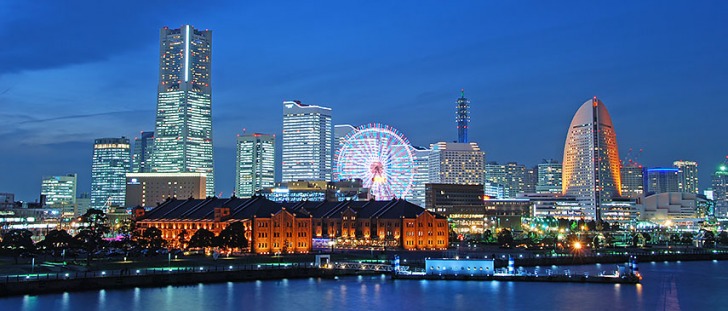
Today, travelers come for its waterfront skyline, historic neighborhoods, excellent food scene, and a pace that feels calmer than central Tokyo.
From the futuristic look of Minato Mirai to the lanterns of Chinatown, Yokohama feels modern, organized, and easy to explore.
In my view, it is one of the more comfortable large cities in Asia for first-time visitors, especially those who want big-city convenience without the constant intensity of a mega-capital.
Warnings & Dangers in Yokohama

OVERALL RISK: LOW
Yokohama is generally a low-risk destination for travelers. Violent crime against tourists is uncommon, public areas are well maintained, and the city is easy to navigate. Most visitors will likely deal with inconvenience rather than danger. The biggest concerns are petty theft, nightlife scams, and natural disaster preparedness, especially since Japan is prone to earthquakes and typhoons.

TRANSPORT & TAXIS RISK: LOW
Transport in Yokohama is one of its strong points. Trains, buses, and stations are reliable, organized, and generally safe even for solo travelers. Licensed taxis are also dependable, though they can be expensive compared with public transit. The real risk is not danger so much as confusion during transfers, late-night fare surprises, or getting into unofficial rides near busy nightlife areas.

PICKPOCKETS RISK: LOW
Pickpocketing is not a major problem in Yokohama compared with many global tourist cities, but low risk does not mean no risk. Busy train stations, crowded festivals, Chinatown, and packed waterfront events can create opportunities for opportunistic theft. Keep your phone and wallet secure, especially when distracted by photos, maps, or shopping, and you will likely be fine.

NATURAL DISASTERS RISK: MEDIUM
This is the one category every traveler should take seriously. Yokohama is in Japan, which means earthquakes are a real possibility, and typhoons can affect the region during certain times of the year. Infrastructure is excellent and emergency systems are strong, but visitors should still know evacuation basics, weather alerts, and what to do if public transportation pauses.

MUGGING RISK: LOW
Mugging risk in Yokohama is low. Street robbery is uncommon in the main tourist areas, and the city generally feels orderly and secure. Still, late at night, poorly lit backstreets, isolated park corners, and heavy drinking zones are never the smartest places to wander alone. Use the same common sense you would use in any large city after dark.

TERRORISM RISK: LOW
For ordinary tourists, terrorism risk in Yokohama is considered low. There is no everyday atmosphere of threat, and most visitors will not encounter anything beyond normal big-city security measures. That said, large international cities and transport hubs always require some awareness. Pay attention in crowded venues, major events, and transit centers, especially if local authorities issue alerts.

SCAMS RISK: LOW
Scams are not a defining problem in Yokohama, but they do exist, particularly around nightlife. Overcharging in bars, aggressive touts, and surprise fees can happen in entertainment districts. Tourists who assume every part of Japan is automatically scam-free can let their guard down too much. Be cautious with invitations from strangers and confirm prices before ordering in unfamiliar venues.

WOMEN TRAVELERS RISK: LOW
Yokohama is generally a good destination for women travelers, including solo visitors. Public transportation is safe, the streets are busy and well organized, and harassment is less common than in many large cities worldwide. Still, nighttime drinking districts can bring unwanted attention, and crowded trains can be uncomfortable. Staying alert and choosing well-reviewed accommodation goes a long way.

TAP WATER RISK: LOW
Tap water in Yokohama is safe to drink, which is great news for travelers trying to save money and cut down on plastic bottles. Restaurants often serve water automatically, and refill opportunities are easy to find. The main issue is not safety but personal preference, since some travelers may prefer bottled water if they are sensitive to taste changes.
Safest Places to Visit in Yokohama
Minato Mirai
If you want the easiest, most comfortable part of Yokohama to explore, start with Minato Mirai.
This waterfront district feels polished, modern, and traveler-friendly.
You have wide walkways, shopping centers, hotels, museums, and plenty of people around throughout the day.
It is one of the best areas for families, first-time visitors, and anyone who wants a low-stress sightseeing experience.
Yamashita Park and the Waterfront
Yamashita Park is one of the city’s most relaxing spots and a great place for travelers who enjoy scenic walks without dealing with chaotic traffic or confusing navigation.
The promenade, harbor views, and open public spaces create a calm atmosphere.
It is especially pleasant during the day and early evening, when couples, families, and joggers help keep the area lively but not overwhelming.
Motomachi and Yamate
Motomachi and the nearby Yamate area offer a quieter side of Yokohama.
This part of the city feels refined, residential, and comfortable for slow travel.
Motomachi’s shopping street is easy to stroll, while Yamate has historic homes, leafy streets, and a gentler pace.
It is ideal for visitors who prefer elegant neighborhoods to high-energy entertainment zones.
Sankeien Garden
Sankeien Garden is a smart choice for travelers who want a peaceful attraction with a strong sense of place.
Traditional architecture, landscaped grounds, and a calmer crowd make it feel very manageable.
It is not a high-risk tourist trap area, and it appeals to travelers who prefer culture, photography, and quiet walking over nightlife and busy commercial strips.
Places to Avoid in Yokohama
Noge Late at Night
Noge is fun, local, and full of character, but late at night it becomes one of the few areas in Yokohama where travelers should keep their guard up.
The small bars and drinking culture attract crowds, and alcohol always raises the risk of overcharging, arguments, and poor decisions.
It is not wildly dangerous, but it is a place to stay alert after dark.
Backstreets Around Entertainment Zones
Areas near Kannai and some nightlife pockets can feel very different depending on the hour.
In the daytime, they are usually fine.
Late at night, some backstreets become less comfortable, especially if you are alone, tired, or unfamiliar with the area.
Touts, pushy invitations, and a general drop in atmosphere are the biggest issues rather than outright violent crime.
Crowded Festival and Event Areas
This is not a neighborhood warning so much as a practical one.
During major events, fireworks, holiday illuminations, or packed weekends in Chinatown and the waterfront, overcrowding can make the city more stressful and create easy opportunities for theft or separation from your group.
Avoid the most jammed bottlenecks if you do not like dense crowds or distraction-heavy environments.
Poorly Lit Isolated Corners Near Parks or Stations
Yokohama is broadly safe, but large cities always have quieter edges that feel less secure late at night.
Empty side streets near station exits, closed commercial blocks, or isolated park paths are worth skipping if you are walking alone.
The risk is still relatively low, but there is rarely a good reason for a traveler to take the most deserted route.
Safety Tips for Traveling to Yokohama
- Keep your valuables zipped and close to your body. Even in a low-crime city, crowded stations, shopping streets, and tourist sites can attract opportunistic thieves. A crossbody bag with a zipper is smarter than carrying your phone in an open pocket or loosely holding a wallet while taking photos.
- Learn basic earthquake and typhoon safety before arrival. Yokohama is comfortable, but Japan’s natural disaster risk is real. Know where your hotel’s emergency exits are, keep your phone charged, and pay attention to weather or earthquake alerts. It is much easier to stay calm when you already know the basics.
- Use trains and buses as your main transportation. Public transport in Yokohama is efficient, safe, and easier than relying on taxis all the time. It also reduces the chance of pricing confusion. If you do take a taxi, use official ones and confirm your destination clearly before the ride begins.
- Be extra careful in nightlife areas. If someone on the street tries to lure you into a bar with promises of cheap drinks or a special deal, walk away. This is one of the most common ways travelers end up overpaying. Choose places with visible menus, clear prices, and a normal customer flow.
- Do not assume every area feels the same after dark. A place that seems harmless at noon can feel very different at midnight. Stick to well-lit main streets, especially if you are heading back alone. Yokohama is not a city that usually rewards random late-night wandering through empty side streets.
- Save your hotel address in Japanese. This is a simple trick that makes travel smoother and safer. If your battery is low, your connection fails, or there is a language barrier with a driver, having the address written down can save time and frustration.
- Watch your alcohol intake. Yokohama has plenty of excellent bars and dining spots, but getting overly drunk is one of the fastest ways to turn a safe city into a bad night. Intoxicated travelers are more vulnerable to scams, missed trains, lost belongings, and poor decision-making.
- Respect local rules and public behavior. Japan rewards travelers who pay attention. Follow station signs, queue properly, keep noise low on public transport, and avoid eating while walking in crowded places where it is discouraged. Blending in with local norms helps avoid awkward situations and keeps interactions smooth.
- Carry travel insurance and copies of important documents. A city can be safe and still hand you an unexpected medical bill, lost item, or transport disruption. Travel insurance matters even in organized destinations like Yokohama because emergencies are not always about crime. They are often about cost and convenience.
- Stay aware during major tourist rush periods. Cherry blossom season, weekend events, and holiday periods can make Yokohama much more crowded. That does not automatically make it unsafe, but it does increase the odds of lost items, confusion, and delays. Build in extra time and keep your plans flexible.
So... How Safe Is Yokohama Really?
Yokohama is one of the safer big cities travelers can visit, especially if you compare it with other major urban destinations around the world.
Day to day, the city feels orderly, well connected, and easy to handle.
Streets are generally clean, public transportation works extremely well, and violent crime against tourists is rare.
That alone makes Yokohama a very comfortable destination for families, solo travelers, and first-time visitors to Japan.
That said, the city is not risk-free.
The main threats are smaller, more practical ones.
Petty theft can happen in busy places, nightlife scams are possible if you follow touts into questionable venues, and natural disasters deserve more attention here than in many other city breaks.
Earthquakes and typhoons are not hypothetical concerns, so travelers should treat emergency awareness as part of trip planning rather than as background noise.
In my opinion, Yokohama is the kind of destination where sensible travelers usually have a very smooth trip.
If you use standard urban awareness, avoid getting careless with alcohol and valuables, and stay informed about weather conditions, the city is likely to feel impressively safe.
For most people, Yokohama lands firmly in the category of low-risk, high-reward travel.
How Does Yokohama Compare?
| City | Safety Index |
|---|---|
| Yokohama |
87 |
| Kanazawa |
83 |
| Sapporo |
92 |
| Kyoto |
83 |
| Hakone |
92 |
| Hiroshima |
80 |
| Nagasaki |
96 |
 Hershey Hershey | 82 |
 Calgary Calgary | 85 |
| Champaign | 73 |
| Valdosta | 74 |
| Clearwater | 71 |
| Chicago | 65 |
Useful Information

Visas
Japan’s visa rules depend on your nationality, and many travelers can enter visa-free for short tourist stays, often up to 90 days. Others need to apply in advance through a Japanese embassy, consulate, or the eVisa system where available. Entry rules can change, so it is smart to check requirements before booking flights and accommodation.

Currency
Yokohama uses the Japanese yen. Cards are widely accepted in hotels, malls, and many restaurants, but cash is still useful for smaller shops, local eateries, vending machines, and some attractions. Exchange money at airports, banks, or reputable exchange counters, and keep a small amount of yen on hand for convenience.

Weather
Yokohama has a relatively mild climate compared with many other parts of Japan. Spring and autumn are especially comfortable, summers are hot and humid, and winters are usually cool rather than severe. Pack light breathable clothes for summer, but bring layers, a light jacket, and an umbrella for changing conditions in other seasons.

Airports
Most international travelers use Haneda Airport, which is the closest major airport for reaching Yokohama. Narita is another option, though it is farther away. From Haneda, trains and airport buses make the trip into Yokohama fairly straightforward. Once in the city, public transit is usually the easiest way to reach hotels and tourist districts.

Travel Insurance
Travel insurance is a very good idea for Yokohama, even though the city is generally safe. Insurance can help with medical costs, delays, cancellations, lost baggage, and unexpected disruptions caused by weather or transportation issues. A safe city does not remove the need for backup, and having coverage makes travel much less stressful.
Yokohama Weather Averages (Temperatures)
Average High/Low Temperature
| Temperature / Month | Jan | Feb | Mar | Apr | May | Jun | Jul | Aug | Sep | Oct | Nov | Dec |
|---|---|---|---|---|---|---|---|---|---|---|---|---|
| High °C |
10 | 10 | 13 | 18 | 22 | 25 | 28 | 30 | 27 | 22 | 17 | 13 |
| Low °C |
2 | 2 | 4 | 9 | 14 | 18 | 21 | 25 | 22 | 17 | 12 | 6 |
| High °F |
50 | 50 | 55 | 64 | 72 | 77 | 82 | 86 | 81 | 72 | 63 | 55 |
| Low °F |
36 | 36 | 39 | 48 | 57 | 64 | 70 | 77 | 72 | 63 | 54 | 43 |
Japan - Safety by City
| City | Safety Index |
|---|---|
| Fukuoka | 90 |
| Hakone | 92 |
| Hiroshima | 80 |
| Kamakura | 91 |
| Kanazawa | 83 |
| Kyoto | 83 |
| Nagasaki | 96 |
| Nara | 88 |
| Nikko | 91 |
| Osaka | 88 |
| Sapporo | 92 |
| Sendai | 88 |
| Tokyo | 90 |
| Yokohama | 87 |












If you want to Improve your experience of japan then Start to learn Japanese Fluently.
I have met Japanrse People and they were very friendly indeed.
So thumbs up to Mr Yugi of Kochi City in Japan.
The nation is really friendly however we wait for the end of the Covid19 Outbreak to end so that we may travel to the nation to be free.
Visited Yokohama recently, and while the attractions are nice, it felt a bit touristy and not as authentic as I expected.
It’s pretty cool how Yokohama went from a fishing village to such a bustling city, and strolling through Chinatown really has this fun, lively vibe that just sticks with you.
Been coming here a lot and the salty breeze by Marine & Walk and the steam from pork buns in Chinatown still make me slow down and smile.
Spent an afternoon wandering Sankeien’s mossy paths and then piled up way too many dumplings in Chinatown, left full and oddly peaceful.
Seems nice, but are you sure it’s really calmer than Tokyo, being under the Chinatown lanterns at night felt pretty crowded to me so would first-time visitors actually find it more comfortable?
I wandered around Minato Mirai at night and couldn’t get over how chill everything felt compared to Tokyo’s usual buzz.
The way the evening lights bounce off the water at Minato Mirai always manages to calm my busy brain better than any park bench in Tokyo could.