


 Japan : Safety by City
- Fukuoka
- Hakone
- Hiroshima
- Kamakura
- Kanazawa
- Kyoto
- Nagasaki
- Nara
- Nikko
- Osaka
- Sapporo
- Sendai
- Tokyo
- Yokohama
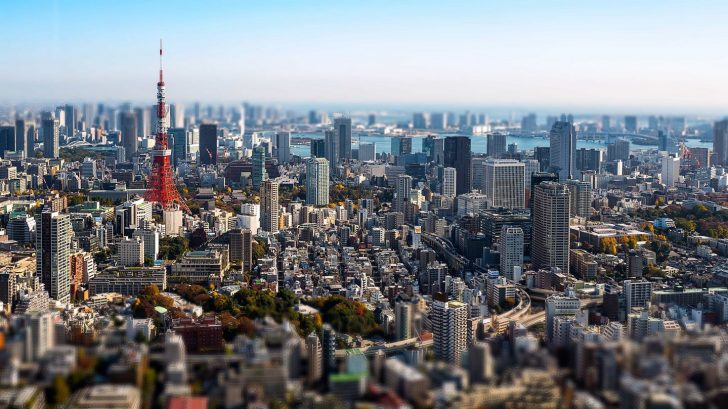
Tokyo, Japan, is a huge, bustling city that offers a combination of traditional and modern that is hard to find across the world.
It’s an amazing place to visit, full of kind people.
Even if you’re not into Japanese popular culture, it’s definitely worth a trip.
The U.S. State Department has Tokyo ranked at Level 1 for travel advisories, meaning that precautions you take should be fairly normal and common-sense.
However, Tokyo has its issues, to put it nicely.
You can’t go there and expect to be absolutely safe, especially if you don’t pay attention and don’t take precautions.
Aside from its well-known earthquake risk, the city has some crime issues tourists should be aware of.
Warnings & Dangers in Tokyo

OVERALL RISK: LOW
Japan is a normally safe country, and Tokyo ranks as one of the safest cities to visit. But common sense does need to apply, and there are certain issues that you have to keep in mind while you're there. Quakes, tsunamis, typhoons, and other climate issues are an obvious risk. There is some theft, usually low-level and petty, but people do target tourists. Groping and "bumping men" -- chikan and butsukari otoko -- are among the more serious and common problems that you have to be prepared to possibly face.

TRANSPORT & TAXIS RISK: LOW
Chikan are a problem on trains, especially crowded ones, where you have to stand; these people grope others, usually women but sometimes men. If you take a taxi, take one with green license plates. These are legitimate taxis. You will see some taxis with white plates; these are illegal and often book services via unofficial apps. Rideshare services aren't common and have to be run by taxi companies that actually employ the rideshare drivers, and sometimes these drivers also use white plates. Yes, it is confusing. It's best to stick with green-plated taxis.

PICKPOCKETS RISK: LOW
Crowded areas and tourist attractions often attract pickpockets, and that's the case in Tokyo, too. Generally, the risk of theft is low (although bike theft is an issue). But in these areas in Tokyo, pickpockets can be on the lookout for people who aren't paying attention. Keep a close eye on valuables, hang onto your bags, don't let your wallet hang halfway out of your back pocket, and so on. General tourist precautions against pickpocketing apply here.

NATURAL DISASTERS RISK: HIGH
Japan faces an extreme risk for earthquakes, obviously, and tsunamis can follow strong ones. Tokyo can get its share of typhoons in summer, resulting in high winds and flooding. Extreme heat is becoming a problem in summer; high temperatures combined with high humidity can be deadly if you don't take precautions. August 2025 saw a heatwave that tied the record for Japan's longest. As for preparedness, take it easy in summer, and be aware of heat exhaustion and heat stroke; don't overdo it. For typhoons, if you're traveling in summer, keep checking the weather reports. If a typhoon looks like it will veer toward Tokyo, ask your hotel's staff what they want tourists to do. As for quakes, ask your hotel's staff about which alert apps to download so that you can get quake alerts. Remember to crouch under tables or other strong furniture during a quake; if you're in an elevator, press buttons to see if doors will open and let you out. Look to other Japanese for guidance on what to do next. Staff in hotels, restaurants, and so on will often instruct people on what to do in the aftermath.

MUGGING RISK: LOW
The risk of a stereotypical armed mugging is low. However, stay on the lookout for pickpockets, bag snatchers, and the like. There are reports online of someone being jumped and robbed in a restaurant. Be wary in bars and never follow "touts" who try to lure you to a bar or away from a restaurant you're heading into.

TERRORISM RISK: LOW
Japan is currently at the U.S. State Department's Level 1 travel advisory, meaning you should take normal precautions. Just stay aware, and if you're American, try to stay fairly low-key. That said, Japan has had to deal with terrorism before, such as the sarin gas attacks in 1995 and a terror threat that made the Hello Kitty theme park close for a day in 2024 (no devices were found).

SCAMS RISK: LOW
Scams in Tokyo often focus on bars with dodgy deals and touts who pressure you to enter their bar. Sometimes these touts take the form of a girl or guy you meet on a dating app who then says there's a bar they really like going to. Some have reported issues with spiked drinks and suddenly maxed-out credit cards; women have reported receiving modeling offers only to find out it was really someone scouting for a brothel.

WOMEN TRAVELERS RISK: MEDIUM
Japan overall is fairly safe, but women do face a few extra issues. Women traveling alone should really consider finding a women-only hotel or one where the front desk and door are monitored 24 hours a day. Lock your hotel room door and windows, too, even if you're traveling in a group. Study maps beforehand, especially of the train lines, and look up videos of how to buy train tickets. Always have cash on you. Chikan are gropers, the ones (usually on trains) who grope women in crowds. (Or, mainly women; they sometimes grope men.) If this happens to you, the best thing to do is speak up and find a station attendant. If you freeze and can't say anything, get away immediately. If you see others being groped, get pictures of the guy and see if other men around you can help trap him. Call station attendants and the police, and see if the victim is willing to stay to file a report. Butsukari otoko means "bumping men," and these are literally men who veer out of their way to run into (rather violently) people. Some women have reported being body-slammed from behind as they were walking. Some of these men can be warded off by you appearing more confident and stronger. If you still end up being hit or seeing someone hit, making a scene is best. Getting your friends to surround the guy and call the police is better. Some Japanese women have said they'd drag a butsukari otoko to the nearest police box (witnesses are vital). There are anecdotal reports online of people spotting these men before being hit and positioning themselves to shoulder-check these men or pushing the men away after being hit.

TAP WATER RISK: LOW
Tokyo's tap water is generally very safe. Some minor risks in the form of older buildings with lead pipes or with contamination are possible, but they're generally not an issue for most people.
Safest Places to Visit in Tokyo
Most parts of Tokyo are great to visit.
In terms of where to stay, Asakusa and Ueno get high marks from people who’ve traveled to Tokyo before.
So does Ginza, and Setagaya and Suginami wards are also very safe, with some fun things to do or see.
Places to Avoid in Tokyo
Some areas in Tokyo are OK by day but not the best at night.
Roppongi is one such area.
During the day, it’s a shopping and business district, but at night, it’s home to pressure from bar touts, among other issues.
Drink-spiking and overcharging can be problems.
If you want to go to a bar in Roppongi at night, double-check that it’s a reputable one.
Shinjuku has a lot of shopping, but the Kabukicho area in the northeast is fairly seedy.
People still go there as there’s plenty to do, but it does have a reputation as being, well, more adult-oriented.
Touts are a major problem in some areas and can be very insistent that you follow them, even grabbing tourists to try to lead them in.
Safety Tips for Traveling to Tokyo
- Register with the U.S. State Department’s Smart Traveler Enrollment Program, or STEP. This allows you to see travel advisories and alerts as the State Department issues them. If you register, it will also be easier to reach a consulate or embassy if there’s an emergency.
- Always have cash on you (in yen, not dollars).
- If you take a taxi, take one that has green plates.
- On trains, especially crowded ones, be aware of chikan.
- Don’t let yourself get so lost in the magnificence of the city that you stop paying attention to what — or who — is around you. Watch out for pickpockets and butsukari otoko.
- Download a disaster alert app when you arrive. Ask the airport information staff or your hotel staff which is best for your operating system.
- Try to stay at a hotel that has someone at the front desk 24 hours per day.
- Use the currency exchanges at the airport or international ATMs to get money in yen.
- Never follow touts, no matter how intriguing their offers sound.
- Be careful meeting new people for dates, especially if you used an app. These people are sometimes touts looking for customers.
So... How Safe Is Tokyo Really?
Overall, Tokyo is one of the safest cities you could visit.
Yes, it’s going to have problems; any city will.
And problems can happen even in the safest of picturesque small towns.
Police data show that for Tokyo in 2024, Shinjuku, home to Kabukicho, had a crime rate of 1.393%.
Granted, those are reported crimes, and unreported crimes probably raise the number.
But it gives you an idea of what the city is like if that ward has that crime rate.
The number one most dangerous ward in 2024 was Chiyoda at 3.049% — and that was due to a high rate of bike thefts and other petty thefts.
How Does Tokyo Compare?
| City | Safety Index |
|---|---|
| Tokyo |
90 |
| Kyoto |
83 |
| Kamakura |
91 |
| Nikko |
91 |
| Fukuoka |
90 |
| Sapporo |
92 |
| Hiroshima |
80 |
 Novosibirsk Novosibirsk | 76 |
 Kolkata Kolkata | 49 |
 Chincoteague Island Chincoteague Island | 77 |
| Harrisburg | 54 |
| Peoria | 42 |
 Verona Verona | 65 |
Useful Information

Visas
U.S. citizens staying fewer than three months currently don't need a visa to visit Japan. If you stay longer than that, you'll need a visa that you have to get approved before your stay. If you're a U.S. resident on a visa from another country, you'll need to apply for your Japan visa through the country you're a citizen of.

Currency
Japan uses the yen. This currency doesn't have a smaller form, like dollars have cents, even though the exchange rate often shows digits to the right of a decimal point. The yen comes in both paper and coin form. As of mid-January 2026, US$1 = ¥157.96. The airports have currency exchange offices, and convenience stores have ATMs that take international cards. You can also get money at banks, but the rates might not be as good. Note that Japan is still very cash-based for daily transactions like grocery shopping, so don't leave the airport without getting some cash first.

Weather
Tokyo's weather varies greatly between winter and summer. Winters are cold and occasionally very snowy; Japan uses Celsius, but the average highs in Fahrenheit are around 44 to 50 in January, with lows in the mid-30s. Those are the averages, though, so be prepared for colder days and nights. August is the hottest month, with average highs in the upper 80s and lows in the upper 70s. Summers can be frightfully humid with average levels in the 70s. Spring and fall are lovely and have moderate temperatures, but they don't seem to last very long. Dress in layers with extra cold-weather clothing for winter and light layers for summer. Either bring umbrellas or be prepared to purchase a couple of cheap ones in town; Tokyo gets over 62 inches of precipitation annually.

Airports
The two main airports that you can fly into when visiting Tokyo are Haneda and Narita. Haneda is much closer to central Tokyo, while Narita is about an hour by train to the northeast. However, flights into Narita can be substantially cheaper, as in a few hundred dollars cheaper. The cost of the train ride to Tokyo from Narita is only about $20, depending on the exchange rate. If you can deal with the train ride, Narita looks like a winner economically. Still, Haneda has its advantages. It's connected to the Tokyo monorail and to the Keikyu train line. There are also taxis and airport buses that can take you throughout Tokyo and into nearby cities like Chiba and Saitama. Narita has multiple ways to travel, too, but that final leg will be longer if you're trying to get into central Tokyo.

Travel Insurance
You're not required to have general travel insurance to enter the country right now, although the government strongly recommends it. If you plan to drive, you'll need to purchase Japanese car insurance, which you can get through the rental car agency. Note that to drive in Japan, you need both a valid home license and an International Driving Permit issued through the AAA before your trip if you're from the U.S. As for health insurance, Japanese national insurance won't cover your care if you get sick or hurt, and there's been such a problem lately with tourists leaving unpaid bills behind that, in 2025, the government started looking at making health insurance mandatory for all foreigners, including tourists. This includes possibly detaining foreigners before they leave the country if they have unpaid bills. As of mid-January 2026, no action has been taken. But carry Japanese travel medical insurance with you just in case, preferably a cashless policy that pays doctors, rather than you having to pay and then get reimbursed.
Tokyo Weather Averages (Temperatures)
Average High/Low Temperature
| Temperature / Month | Jan | Feb | Mar | Apr | May | Jun | Jul | Aug | Sep | Oct | Nov | Dec |
|---|---|---|---|---|---|---|---|---|---|---|---|---|
| High °C |
10 | 10 | 13 | 18 | 20 | 25 | 29 | 30 | 25 | 20 | 15 | 10 |
| Low °C |
1 | 2 | 5 | 10 | 12 | 18 | 21 | 22 | 18 | 13 | 8 | 3 |
| High °F |
50 | 50 | 55 | 64 | 68 | 77 | 84 | 86 | 77 | 68 | 59 | 50 |
| Low °F |
34 | 36 | 41 | 50 | 54 | 64 | 70 | 72 | 64 | 55 | 46 | 37 |
Japan - Safety by City
| City | Safety Index |
|---|---|
| Fukuoka | 90 |
| Hakone | 92 |
| Hiroshima | 80 |
| Kamakura | 91 |
| Kanazawa | 83 |
| Kyoto | 83 |
| Nagasaki | 96 |
| Nara | 88 |
| Nikko | 91 |
| Osaka | 88 |
| Sapporo | 92 |
| Sendai | 88 |
| Tokyo | 90 |
| Yokohama | 87 |












Great but some outdated info
The information on Tokyo’s airports is outdated. Haneda Airport now has both domestic as well as international flights.
Roppongi and Kabukicho – both have crime but both are generally safe for tourists and those that do not get involved with organized crime.
pay with suica
google suica, new phones iphone7 and newer uses suica. not every place takes credit cards and this is a low-cost substitute for credit cards
you can put money on it from your bank account and you will need that along with cash
but more and more places take credit cards nowadays just don’t count on 100% credit cards
Awesome city!
Tokyo is extremely safe and quite busy. As long as you stay aware of your surroundings and don’t be disrespectful or rude you will be fine. Most people will help you if you ask politely!
I left my heart in Japan ♥️
A visit to Tokyo begins of a life long love of Japan. I went as a kid and when I finally got to return 40 years later I was stunned to see how much it had shaped my life. My husband fell in love the day we arrived. From the gracious people to the egg salad sandwiches at 7 Eleven, Japan should be at the top of your bucket list.
I went to Tokyo in the ‘90s for the first time and had to go back again, and again, and again. When I saw someone else had mentioned the egg salad sandwiches, I had to comment. I normally hate those but the ones in Japan are out of this world good and so cheap! Every time I go to Tokyo, I have to have at least one a day!
Useful Info
This info is very useful, you should definitely use it to your advantage. I’m planning a trip to Tokyo (again) it’s been 22 years, but let’s see how it is…
Tokyo is a combo of New York, Toronto, and Japan. In love with the city’s lights at night. Try eating sushi downtown. The Best!!!!
.
It’s basically if NYC was safe and futuristic.
NY safe is safe tho, but yeah not as safe as Tokyo.
NYC is bad
NYC safe? Used to be …. now it is a war zone 🙁
Did you feel like the blend of old and new made the city even more exciting, or was it a bit overwhelming at times?
Visited Tokyo recently and while it has an incredible vibe, I can’t shake the feeling that you really have to stay sharp about your surroundings, especially with some crime stuff popping up.
I had such a mixed bag of feelings in Tokyo; the energy is electric, but it’s a bit nerve-wracking knowing you’ve got to stay alert, especially with all the earthquake talk and some sketchy areas I stumbled upon.
Ever wondered how people stay so calm on those packed 8am trains, it’s oddly comforting and a bit unsettling.
People here are really kind which usually puts me at ease, but with the earthquake risk and some crime I’m still a bit on edge and keep an eye out even though it’s only a Level 1 advisory.
You’re calling it Level 1, but after my stomach dropped during a tiny tremor crossing Shibuya, do you really think visitors should just relax and not take basic precautions?
I felt a small tremor once and how strangers quietly helped each other afterward actually made me feel reassured.
The people are so polite, yet wandering through Kabukicho at 1 a.m. left me genuinely on edge.