


 Cambodia : Safety by City
Cambodia - safety as a country
Siem Reap sits in northwestern Cambodia and is best known as the gateway to Angkor Wat, one of the world’s most famous archaeological sites.
But the city itself is more than a temple stop.
It is a busy tourism hub filled with markets, riverfront streets, tuk-tuks, cafes, hotels, and a nightlife scene that ranges from quiet garden restaurants to the bright chaos of Pub Street.
That mix gives Siem Reap a friendly, easygoing feel for many visitors, especially compared with bigger and more hectic capitals in the region.
Still, “easygoing” does not mean risk-free.
Travelers need to think less about violent crime and more about petty theft, road safety, heat, heavy rain, mosquitoes, and practical issues like drinking water.
In my view, Siem Reap is one of those destinations where you can have a fantastic trip if you use normal street smarts and avoid treating a tourist city like a protective bubble.
Warnings & Dangers in Siem Reap

OVERALL RISK: LOW
For most tourists, Siem Reap is a relatively manageable destination. The biggest day-to-day issues are petty theft, scams, road safety, heat, and health precautions rather than serious violence. The city receives huge numbers of visitors because the core tourist zones are generally easy to navigate, but travelers should still stay alert in crowded tourist areas and be careful when heading into more remote parts of the province.

TRANSPORT & TAXIS RISK: MEDIUM
Transport is where many travelers get sloppy. Tuk-tuks are common and convenient, but road conditions, uneven driving standards, and long airport transfers can make transport more stressful than expected. The new Siem Reap Angkor International Airport is far from town, so arrivals often face a 60 to 90 minute ride. Use hotel-arranged pickups, official desks, or established ride apps when possible.

PICKPOCKETS RISK: MEDIUM
Pickpocketing and bag snatching are not imaginary problems here. Theft targeting foreigners does happen in Siem Reap, including snatching from sidewalks, motorcycles, and tuk-tuks. That does not mean every visitor will deal with it, but it does mean phones, loose bags, and exposed cash make you a softer target than you may realize.

NATURAL DISASTERS RISK: MEDIUM
Siem Reap is not a place most travelers associate with natural disasters, but seasonal flooding, extreme heat, and heavy rains are real concerns. During the wet season, standing water and muddy conditions can affect transport and raise health risks. Outside the city, remote areas of Siem Reap Province also carry a very different hazard: landmines and unexploded ordnance in certain rural zones.

MUGGING RISK: LOW
Mugging is not the first risk I would worry about in Siem Reap. Petty theft is the much more likely problem. Violent crime can happen anywhere, and travelers should still avoid deserted streets late at night, but most visitors are far more likely to deal with overcharging, theft of unattended items, or a risky road situation than a direct violent attack.

TERRORISM RISK: LOW
There is no strong day-to-day terrorism atmosphere in Siem Reap. Even so, it is always wise to stay alert in public places, around large gatherings, and anywhere tourists cluster. For the average visitor, terrorism is not a major practical safety concern compared with common travel risks like theft, poor transport decisions, and health-related issues.

SCAMS RISK: MEDIUM
Scams are a more realistic concern than dramatic crime. In a city built around tourism, common issues include inflated tuk-tuk prices, pressure sales, misleading “helpful” strangers, tour confusion, bar overcharging, and online booking tricks. The risk is usually more annoying than dangerous, but it can still disrupt your trip and cost you money if you let your guard down.

WOMEN TRAVELERS RISK: LOW
Women traveling solo often find Siem Reap one of the easier places in Cambodia to visit because the tourist infrastructure is strong and there are many hotels, cafes, and organized activities. The main advice is practical rather than alarming: use trusted transport after dark, avoid getting too intoxicated, and stay alert in nightlife areas. Most risk is tied to the same petty theft and transport issues everyone faces.

TAP WATER RISK: HIGH
I would not recommend drinking tap water in Siem Reap. Travelers should stick with bottled, boiled, or reliably filtered water to reduce the chance of stomach problems and other illnesses. The same caution applies to ice in less reputable places and food washed in unsafe water. It is a simple precaution that can save you from losing days of your trip.
Safest Places to Visit in Siem Reap
Angkor Archaeological Park
The Angkor temple zone is the obvious headline attraction, but it is also one of the easiest places for tourists to feel comfortable.
The area is heavily visited, there is an established tourism system, and most trips happen in daylight with drivers, guides, or organized routes.
The biggest safety issues here are fatigue, heat, dehydration, and wandering into isolated or poorly marked areas rather than crime.
Old Market and Central Tourist District
The Old Market area, including the central blocks around restaurants and shops, is one of the most convenient bases for first-time visitors.
There is constant activity, plenty of accommodation, and lots of other travelers around.
It feels lively rather than isolated.
Keep an eye on your phone and wallet, especially in crowds, but for ordinary sightseeing, meals, and shopping, this is one of the easier zones to navigate.
Wat Bo Area
If you want somewhere that feels calmer than the loudest parts of the center, Wat Bo is a good pick.
It has a more laid-back atmosphere, with boutique hotels, cafes, and quieter streets.
I like it for travelers who want easy access to the city without sleeping right in the middle of the nightlife scene.
It is still urban enough to feel connected, but usually a bit less chaotic.
Museum and Riverside Areas
The areas around major museums, established hotels, and the river are generally comfortable for travelers in daylight and early evening.
These are the parts of the city where you can move at a slower pace, browse, stop for coffee, and not feel like every second requires defensive travel mode.
Just use the same common sense you would in any tourism-heavy district.
Places to Avoid in Siem Reap
Isolated Roads and Empty Areas Late at Night
Siem Reap is much more pleasant when there are people around.
Once you move away from the central tourist streets late at night, the city can become dark and quiet fast.
That does not automatically make those areas dangerous, but it does reduce your margin for error.
If you are walking alone after drinking, carrying a phone openly, or looking obviously lost, you are making yourself easier to target.
Remote Rural Areas Outside Main Tourist Routes
This is the most important warning in the whole article.
The city of Siem Reap and remote parts of Siem Reap Province are not the same risk environment.
Some rural areas still carry the danger of landmines and unexploded ordnance.
That matters for people who like wandering off-trail, exploring countryside paths, or improvising rural excursions without local guidance.
Stick to established routes and do not pick random shortcuts through fields or forested land.
Pub Street After Midnight
Pub Street itself is not some lawless disaster zone, but late-night drinking areas anywhere bring a different kind of risk.
Overcharging, arguments, poor decisions, pickpocketing, and bad transport choices become more likely when people are drunk and distracted.
Visit it, enjoy it, but do not treat it like a place where your judgment can clock out before you do.
Any Unofficial Transport Pickup Spot
After arriving at the airport or leaving nightlife areas, avoid jumping into random transport without agreeing on price and destination first.
Unofficial or unclear rides are where confusion, overcharging, and uncomfortable situations can start.
The risk is usually a hassle rather than serious harm, but a hassle is still part of staying safe.
Safety Tips for Traveling to Siem Reap
- Do not flash your valuables. Siem Reap is tourist-friendly, but that also means thieves know exactly what visitors carry. Keep your phone out of easy-grabbing range, especially near roads where passing riders can snatch items fast. Use a crossbody bag, keep zippers closed, and do not carry your passport unless you actually need it.
- Arrange airport transport in advance. The new airport is much farther from town than many people expect. After a long flight, confusion and fatigue are prime conditions for overpaying or making a bad transport choice. Pre-book through your hotel, use the official transport desk, or take the official shuttle if it fits your schedule.
- Be careful in tuk-tuks. Tuk-tuks are part of the Siem Reap experience, but treat them as open vehicles, not private bubbles. Keep your bag on the far side of the road, do not dangle your phone over the edge for photos, and confirm the fare before the ride starts if you are not using an app.
- Drink only safe water. This is not the place to get adventurous with tap water. Use bottled, boiled, or properly filtered water, and be cautious with ice in places that do not look clean or established. Dehydration and stomach issues can ruin a temple trip faster than almost anything else.
- Respect the weather. Siem Reap can be brutally hot, especially before and around the start of the rainy season. Wear light clothing, use sun protection, and plan temple visits early in the morning when possible. In the wet season, expect sudden rain, muddy paths, and more mosquitoes.
- Use insect protection every day. Mosquitoes are not just annoying background noise. Cambodia has mosquito-borne disease risks, including dengue. Wear repellent, especially at dawn and dusk, and consider lightweight long sleeves when you are outdoors for extended periods.
- Stay on known paths outside the city. This is a huge one. If you go into rural parts of the province, do not wander into fields, dry paddies, or forested tracks without local guidance. Remote parts of Siem Reap Province are among the areas where landmines and unexploded ordnance remain a concern.
- Do not get sloppy in nightlife areas. A few cheap drinks can turn a smart traveler into an easy mark. Watch your drink, keep track of your companions, and know how you are getting back to your hotel before the night gets too messy. Most late-night problems start with lowered awareness, not with the city suddenly becoming dangerous.
- Carry small cash and pay attention to money handling. Cambodia is a place where using cash is still very normal for many transactions. Keep larger bills separate, count change carefully, and do not pull out a thick wad of notes in public. You do not need to look paranoid, just organized.
- Buy travel insurance and save emergency details. Even in a relatively tourist-ready city, delays, illness, falls on temple stairs, road accidents, and lost bags happen. Travel insurance is not glamorous, but it is part of smart travel. Save your hotel address, important contact numbers, and offline maps before you need them.
So... How Safe Is Siem Reap Really?
Siem Reap is one of those places that is safer in real life than some travelers fear, but less carefree than dreamy travel photos suggest.
I would not put it in the category of high-risk city travel for the average tourist.
Most visitors who run into trouble are dealing with smaller, preventable problems: stolen phones, sketchy transport choices, heat exhaustion, stomach illness, or late-night mistakes.
That is very different from saying nothing happens here.
The data points that matter most are practical.
Petty theft targeting foreigners does happen in Siem Reap, and Cambodia as a whole still requires increased caution in certain contexts because of crime and landmine-related risks.
That sounds dramatic until you separate the city center from remote provincial areas.
In the core tourist parts of Siem Reap, the usual traveler reality is manageable.
In isolated rural zones, the risk profile changes sharply because of unexploded ordnance.
Health-wise, the biggest recurring concerns are safe water, flood-related contamination, and mosquito-borne illness.
Add road safety into the mix, and you have the real picture.
So my honest answer is this: Siem Reap is generally safe for travel if you act like a smart traveler and not like a vacation zombie.
It rewards awareness, not fear.
How Does Siem Reap Compare?
| City | Safety Index |
|---|---|
| Siem Reap |
63 |
| Phnom Penh |
60 |
| Kampong Thom |
67 |
| Kampong Cham |
70 |
| Kratie |
71 |
| Banlung |
64 |
| Kep |
78 |
 Rijeka Rijeka | 85 |
 St. Matthews St. Matthews | 82 |
| Port Clinton | 76 |
| Asbury Park | 54 |
| Kentucky | 64 |
| Covington | 47 |
Useful Information

Visas
Most tourists need a visa for Cambodia. In general, the tourist visa is a single-entry visa valid for 30 days, and your passport should have at least six months of validity left. Many travelers use the e-Visa system before arrival, while others may qualify for a visa-on-arrival depending on nationality. Always check the latest rules before flying.

Currency
Cambodia’s official currency is the riel, but U.S. dollars are still widely used in tourist areas like Siem Reap. In practical terms, many travelers end up using a mix of both. Bring clean small bills, use bank ATMs in well-trafficked areas, and avoid exchanging large amounts at random street counters when you have more secure options.

Weather
Siem Reap has a tropical climate with a dry season and a wet season. The more comfortable months for most travelers are usually late November through February, while March to May can be intensely hot. The rainy season generally runs from around May to October, so pack light breathable clothes, sun protection, and a compact rain layer.

Airports
Most travelers now arrive through Siem Reap Angkor International Airport. One of the biggest practical surprises is how far it is from the city, roughly 50 kilometers, with the trip often taking about 60 to 90 minutes. Airport shuttles are usually the cheapest option, while private cars cost more but are simpler after a long flight.

Travel Insurance
Travel insurance is a very good idea for Siem Reap. The city is tourist-friendly, but that does not protect you from medical issues, stolen valuables, transport disruptions, or accidents during temple visits and road travel. A decent policy can be the difference between an inconvenience and an expensive mess, especially if health care or evacuation becomes necessary.
Siem Reap Weather Averages (Temperatures)
Average High/Low Temperature
| Temperature / Month | Jan | Feb | Mar | Apr | May | Jun | Jul | Aug | Sep | Oct | Nov | Dec |
|---|---|---|---|---|---|---|---|---|---|---|---|---|
| High °C |
31 | 33 | 35 | 36 | 35 | 33 | 32 | 32 | 31 | 31 | 31 | 30 |
| Low °C |
20 | 22 | 24 | 25 | 25 | 25 | 24 | 24 | 24 | 23 | 22 | 20 |
| High °F |
88 | 91 | 95 | 97 | 95 | 91 | 90 | 90 | 88 | 88 | 88 | 86 |
| Low °F |
68 | 72 | 75 | 77 | 77 | 77 | 75 | 75 | 75 | 73 | 72 | 68 |
Cambodia - Safety by City
| City | Safety Index |
|---|---|
| Banlung | 64 |
| Battambang | 70 |
| Kampong Cham | 70 |
| Kampong Thom | 67 |
| Kampot | 76 |
| Kep | 78 |
| Kratie | 71 |
| Phnom Penh | 60 |
| Siem Reap | 63 |
| Sihanoukville | 55 |












Not really.I am the one who live in Siem Reap and a lot of traveler come here and they use Tuk Tuk and cars as their vehicle not motor bike. I don’t comment motorbike to all tourism. Coz it’s really dangerous for who never experience driving in here.
for more safe you should have a tour guide, they can find you more experience and info about our ancient town.
Thanks with Regards,
Having gone to Siem Reap twice, I was never recommended to use a motorbike myself. I think people just take it upon themselves to want one in this area and you are right, it is dangerous. The roads are busy and you can easily injure yourself or others. Not worth the risk at all!
never go to siem reap
Two weeks ago, I had a bag snatch in siem reap and afterward they pulled me out of tuk tuk and now I am badly injured, I have bleeding face and bleeding eye.
this city is a combination of thieve and police collaborating with each other.
I had a bad experience too. I was just buying something in the market near Pub Street then suddenly a teenager stood beside me for few seconds. After that, my phone was gone.
Fatemeh are you man or woman?
Local guid
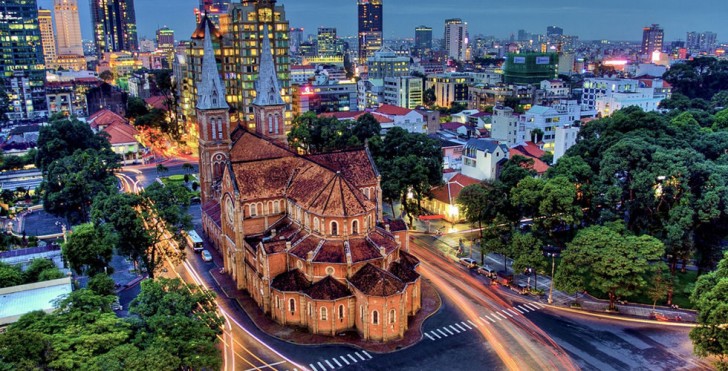
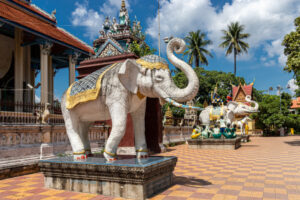
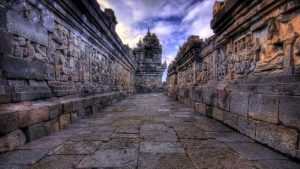
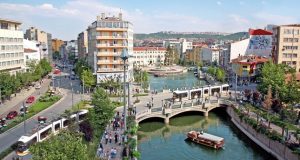
The picture is HoChiMinh city, Vietnam. Not Seam Reap
Good Get Away Location
I have been here in Siem Reap for two months, but during Covid, I lived in Siem Reap for eight months. Cambodia is a poor country. That tells you that theft of valuables like mobile phones, etc., will be prevalent, to be sure. Don’t carry your cell phone in a pouch attached to your belt, or it will be gone before you depart the country. Siem Reap is a safe place for men to walk alone at night. I can go out at midnight to get something to eat and walk around down dark streets without ever having a problem, not one problem. Now that Covid is over, many Cambodians come here to work, bringing issues. Those people are usually aggressive, so remember just to say no several times. Women who stand in front of you can be swept away. DON’T RENT A SCOOTER. Driver’s licenses are required, so you will always be wrong if you are in an accident. The Laws: If a water pot in your hotel room catches fire, you will be responsible for the repair! Unplug before leaving the room.
There’s something special about watching the sunset over Tonle Sap Lake after a long day exploring the temples.
I did not expect the sunrise to paint Angkor Wat that vivid orange, and I remember grinning like an idiot as the tuk-tuk driver rattled us through the back streets.
Seeing sunrise hit the temple stones while a vendor grills skewers nearby leaves me with an odd mix of awe and worry about how much the town’s changing.
Did you find the tuk-tuk drivers in Siem Reap easy to negotiate with or was it kind of stressful like when all the chaos hits Pub Street at night?