


 France : Safety by City
- Annecy
- Avignon
- Bordeaux
- Cannes
- Chamonix
- Colmar
- Grenoble
- Le Havre
- Lille
- Lyon
- Marseille
- Martinique
- Montpellier
- Nantes
- Nice
- Nimes
- Paris
- Reims
- Rennes
- Strasbourg
- Toulon
- Toulouse
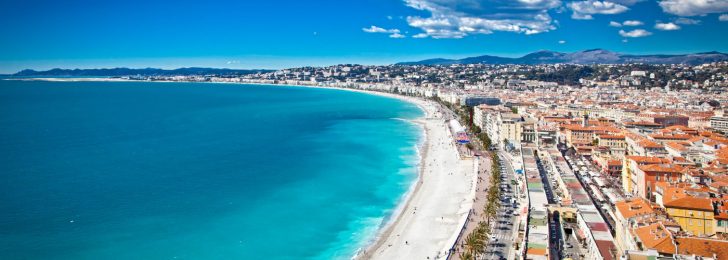
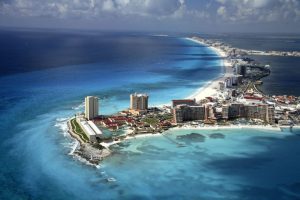
Nice is a stunning coastal city on the French Riviera in southeastern France.
It sits along the Mediterranean Sea, between Cannes and Monaco.
Known for its bright blue water, palm-lined beaches, and the famous Promenade des Anglais, Nice attracts millions of visitors every year.
The city mixes old-world charm with a modern, lively atmosphere.
You will find colorful markets, historic architecture, beach clubs, and world-class museums all in one place.
At the same time, Nice is a busy urban destination, which naturally raises safety questions for travelers.
I spent time reviewing crime data, travel advisories, and real traveler experiences to get a clear picture.
This guide shares my honest findings so you can decide if Nice feels right for your trip and how to stay safe while enjoying it.
Warnings & Dangers in Nice

OVERALL RISK: MEDIUM
Nice is generally safe for tourists, and violent crime is relatively rare. Most safety concerns involve petty crime, such as theft and scams, in crowded areas. With basic awareness and smart planning, most travelers experience no serious issues.

TRANSPORT & TAXIS RISK: MEDIUM
Public transport is reliable and widely used. Crowded buses and trams can attract pickpockets, especially during peak hours. Taxi issues usually involve overcharging rather than safety, so official taxis and ride apps are recommended.

PICKPOCKETS RISK: MEDIUM
Pickpocketing is one of the most common problems for visitors. Busy places like markets, tourist streets, beaches, and public transport are the main hotspots. Keeping valuables secure greatly reduces the risk.

NATURAL DISASTERS RISK: LOW
Nice has a low risk of natural disasters. Heavy rain can occasionally cause flooding, but major events are rare. Earthquakes and severe storms are uncommon and rarely affect travelers.

MUGGING RISK: LOW
Muggings and violent street crime are uncommon in Nice. Most incidents happen late at night in isolated areas. Sticking to well-lit streets and populated zones keeps risk low.

TERRORISM RISK: MEDIUM
France maintains a heightened security posture due to past attacks. Nice experienced a major attack in 2016, which led to increased police presence. Security is visible and ongoing, but awareness in crowded public spaces is still important.

SCAMS RISK: MEDIUM
Tourist scams do occur. Common ones include fake charity petitions, distraction techniques, and overpriced services. Polite refusal and avoiding unsolicited help are usually enough to stay safe.

WOMEN TRAVELERS RISK: LOW
Nice is considered relatively safe for women traveling alone. Street harassment is limited but can happen, especially at night. Basic precautions like avoiding deserted streets after dark are advised.

TAP WATER RISK: LOW
Tap water in Nice is safe to drink. Many locals drink it daily and refill reusable bottles without concern.
Safest Places to Visit in Nice
The safest and most enjoyable areas of Nice are also its most popular.
The Promenade des Anglais is busy, scenic, and heavily monitored.
Vieux Nice, or the Old Town, is lively during the day with markets and cafes.
Place Masséna is another safe central hub with shops, restaurants, and constant foot traffic.
Museum areas such as Cimiez, home to the Matisse Museum, are quiet and well-maintained.
Staying and spending time in these neighborhoods gives travelers both safety and easy access to attractions.
Places to Avoid in Nice
Some outer neighborhoods are best avoided by tourists, especially at night.
Areas such as L’Ariane and Les Moulins have higher crime rates and limited tourist infrastructure.
There is little reason for visitors to go there.
Certain streets north of the airport and isolated inland zones can feel unsafe after dark.
If you are unfamiliar with the area, avoid wandering outside central districts late at night.
Using public transport or taxis instead of walking reduces risk.
Safety Tips for Traveling to Nice
- Protect your valuables at all times. Use a crossbody bag with zippers or an anti-theft backpack. Keep wallets in front pockets, not back pockets. Never place phones or wallets on café tables where they can be grabbed quickly.
- Be extra cautious in crowded tourist areas. Pickpocketing is most common along the Promenade des Anglais, in Old Town, at markets, and on public transport. In crowds, keep one hand on your bag and avoid distractions like excessive phone use.
- Use official taxis and public transport only. Choose licensed taxis, ride apps, or city buses and trams. Avoid unmarked cars offering rides. If using a taxi, confirm that the meter is on before starting the trip.
- Avoid empty streets late at night. Stick to busy, well-lit areas after dark, especially near nightlife zones. If you are staying out late, plan your route home or take a taxi instead of walking.
- Do not engage with street scams. Ignore people asking you to sign petitions, donate on the street, or help with jewelry tricks. A firm but polite “no” and walking away is the safest response.
- Limit what you carry each day. Leave passports, extra credit cards, and large sums of cash in your hotel safe. Carry only what you need for the day to reduce the risk of loss if theft occurs.
- Watch your belongings on the beach. Never leave bags unattended while swimming. Bring only essentials to the beach and consider swimming in turns if traveling with others.
- Know emergency numbers and locations. The general emergency number is 112. Police can be reached by dialing 17. Save these numbers in your phone before arrival.
- Be mindful of alcohol consumption. Tourist areas have many bars and clubs. Drinking too much increases vulnerability to theft and poor decision-making. Always keep your drink in sight and know how you are getting back to your accommodation.
- Research neighborhoods before booking accommodation. Choose hotels or rentals in central, well-reviewed areas such as near Place Masséna or the Promenade. Avoid unfamiliar outer neighborhoods, especially if arriving late at night.
Following these tips significantly lowers your risk and helps you enjoy Nice with confidence.
Most safety issues are preventable with awareness, planning, and common sense.
So... How Safe Is Nice Really?
Nice is a relatively safe destination by European standards.
Violent crime rates are low, and most visitors enjoy their trip without incident.
The biggest risks involve theft, scams, and being careless in crowded areas.
Security is visible throughout the city, especially in tourist zones.
Police patrols and surveillance are common, which adds to the feeling of safety.
While France remains on alert for terrorism, everyday life in Nice feels calm and well-organized.
As long as you take normal travel precautions, Nice is a comfortable and rewarding place to visit.
It offers beauty, culture, and coastal charm without extreme safety concerns.
For most travelers, the risks are manageable and well worth the experience.
How Does Nice Compare?
| City | Safety Index |
|---|---|
| Nice |
73 |
| Lyon |
72 |
| Martinique |
78 |
| Paris |
70 |
| Avignon |
78 |
| Rennes |
65 |
| Annecy |
88 |
 Greenwich Greenwich | 89 |
| Moreno Valley | 82 |
| Elizabethtown | 87 |
 Kathmandu Kathmandu | 60 |
| Decorah | 82 |
 San Ignacio San Ignacio | 78 |
Useful Information

Visas
Many travelers can enter France without a visa for short stays of up to 90 days within 180 days. Rules depend on nationality, so it is important to confirm requirements before traveling.

Currency
France uses the Euro. ATMs are widely available throughout Nice. Exchanging money at banks usually offers better rates than exchange kiosks.

Weather
Nice has a Mediterranean climate with warm summers and mild winters. Pack light clothing for summer and layers for spring and fall. Rain is more common in autumn.

Airports
Nice Côte d’Azur Airport is the main airport serving the city. It is located close to the center and easily reached by tram, bus, or taxi.

Travel Insurance
Travel insurance is strongly recommended. It helps cover medical care, trip disruptions, and lost belongings. Having coverage provides peace of mind while traveling abroad.
Nice Weather Averages (Temperatures)
Average High/Low Temperature
| Temperature / Month | Jan | Feb | Mar | Apr | May | Jun | Jul | Aug | Sep | Oct | Nov | Dec |
|---|---|---|---|---|---|---|---|---|---|---|---|---|
| High °C |
13 | 13 | 15 | 17 | 21 | 25 | 28 | 28 | 25 | 21 | 17 | 13 |
| Low °C |
4 | 4 | 6 | 9 | 13 | 16 | 19 | 19 | 16 | 12 | 8 | 5 |
| High °F |
55 | 55 | 59 | 63 | 70 | 77 | 82 | 82 | 77 | 70 | 63 | 55 |
| Low °F |
39 | 39 | 43 | 48 | 55 | 61 | 66 | 66 | 61 | 54 | 46 | 41 |
France - Safety by City
| City | Safety Index |
|---|---|
| Annecy | 88 |
| Avignon | 78 |
| Bordeaux | 63 |
| Cannes | 80 |
| Chamonix | 84 |
| Colmar | 86 |
| Grenoble | 68 |
| Le Havre | 63 |
| Lille | 56 |
| Lyon | 72 |
| Marseille | 55 |
| Martinique | 78 |
| Montpellier | 48 |
| Nantes | 56 |
| Nice | 73 |
| Nimes | 65 |
| Paris | 70 |
| Reims | 68 |
| Rennes | 65 |
| Strasbourg | 74 |
| Toulon | 64 |
| Toulouse | 57 |














Safety and tips in Nice
Anywhere in and around the old town (Vieille Ville) or carre d’or are extremely safe or for a
Quieter stay look at nearby Villefranche-sur-Mer
Great hotels and an excellent range of self stay apartments.(apartment-in-nice.com … pebbles.com …and others)
Use Uber rather than town taxis as they can be significantly cheaper and equally good
Public transport is incredibly cheap and reliably At time of writing 1,00€ to 1,50€ Including connecting journeys
Pickpocket gangs in town tend to be gypsy or African women (had one push up against me on escalator in Nice Etoile) on Jean Médecin
YESSS
Still good to go
Yeah as the previous writer said, it’s mostly safe and safer than a lot of French cities. Old town is safe youths loiter but because they are regulars and the police know them, they are not out to cause trouble… that said they are possibly the same people who are small time dealers
I used a couple of times azur-services.com and they have some great old town apartments in the quiet quarter!
The recent terrorist attacks were by young male North African immigrants 99% aren’t the Problem and most of the time they aren’t anywhere near the main tourist areas
Very safe for solo female traveler
Was there end 2019 for 3 weeks before the pandemic. Very safe for solo female traveller. Transportation is easy to move within and nearby towns. Lovely place overall.
Are you joking?
Most of the ratings here are really not serious. That goes for all cities. Been part-time living in Nice-area for 20 years, and on French statistics Nice is in top 5 when it comes to crime. Terrorism risk: Medium??? Two of the worst attacks last. 5 years were in Nice.
Center of Nice is quite safe. Areas outside is not. Typically «banlieue» problems.
I agree that Nice is a stunning city.
You are correct on this. To a fault. France was once a beautiful place but even Nice has fallen apart over the last 15 years. I don’t know what went wrong. There are still great areas but it is surrounded by a sense of insecurity. I was going to go this year and changed my mind.
A city for all
I’ve always found Nice to be safe when exploring the center areas but otherwise it’s a no go for me, too many beggars. I’ve visited it twice, both times during the summer, and it’s breathtakingly beautiful. I prefer cities that offer both budget-friendly and luxury experiences, Nice does just that.
Nice 2021
Visited Nice in October 2021. We rented an Airbnb and it was a beautiful guest house, very peaceful and beautiful. Public transportation is A+++++ the tram that runs between Old Town and the Airport was perfect!
Very easy to navigate, very clean, masks required (thankfully) very inexpensive. Each stop was posted on an electronic board (for those of us who are not fluent in French.
We were definitely scammed by an airport taxi (not sure he was a legit taxi. I researched the cost of a taxi from the airport to our destination and we were definitely overcharged, however, we soon learned to use the tram, which was around one euro each way. Upon departure from Nice, we took the tram to the airport and saved around $20!
I highly recommend you familiarize yourself with public transportation in and around Nice. The food was amazing, however, the very touristy areas are not as good.
The bakeries on every corner are a dream come true. Coffee was very good at every cafe we visited. The Flower market was a must-visit. Also visited Renoir museum (took public transportation) to a town about 30 minutes from Nice. Well worth the visit! Overall loved Nice and felt very safe. Also noteworthy felt very safe with Covid protocols.
Masks are required and in restaurants and many shops proof of vaccinations is required.
It’s hard to shake off the feeling that while Nice looks gorgeous in pictures, the reality of navigating its crowds and safety concerns might not be as dreamy, especially with all the warnings floating around.
Reading this made me think about the mix of beauty and caution when exploring a place like Nice. There’s something surreal about strolling those palm-lined beaches while keeping one eye open, but it’s worth it for that stunning view of the Mediterranean.
Did you really dive into all that crime data just for a trip to Nice? That sounds kind of intense, but I guess it’s smart to know what to expect, right?
Walking back along the Promenade des Anglais at sunset with tired feet and a gelato in hand, I honestly felt safer there than in a lot of smaller towns I’ve visited.
It’s hard not to feel relaxed strolling the Promenade des Anglais with that gorgeous blue water sparkling at you!
Reading through this guide made me remember the vibrant energy of the Promenade des Anglais and how it feels both exciting and reassuring to stroll there despite the crowds.
Walked the seaside promenade at dawn and the light over the Mediterranean made me feel oddly calm, though the busier streets later on felt a bit tense.
The water really is that bright blue, but I got sunburned after just an hour on the beach.
Did you get that goofy feeling watching sunburned tourists and sharply dressed locals stroll the Promenade des Anglais at sunset, because I kept grinning and feeling oddly at home?
The bright blue water and palm-lined beaches are gorgeous, but after walking the Promenade des Anglais at dusk and seeing how crowded it gets I felt a bit uneasy about safety despite the charm.
Did you find any particular neighborhoods in Nice where it feels safer walking around at night, or is it better to just stick close to the Promenade des Anglais?
Sure, the beaches and colors are great but don’t be fooled by all the hustle and bustle; I remember feeling a bit on edge walking back late from the market despite all the charm.
I remember feeling a bit uneasy walking late near the Promenade des Anglais even though the view was amazing, did you find certain areas calmer or safer at night?