


 France : Safety by City
- Annecy
- Avignon
- Bordeaux
- Cannes
- Chamonix
- Colmar
- Grenoble
- Le Havre
- Lille
- Lyon
- Marseille
- Martinique
- Montpellier
- Nantes
- Nice
- Nimes
- Paris
- Reims
- Rennes
- Strasbourg
- Toulon
- Toulouse
Rennes sits in northwestern France, about two hours by train from Paris, and serves as the lively capital of Brittany.
It is a city that often surprises travelers.
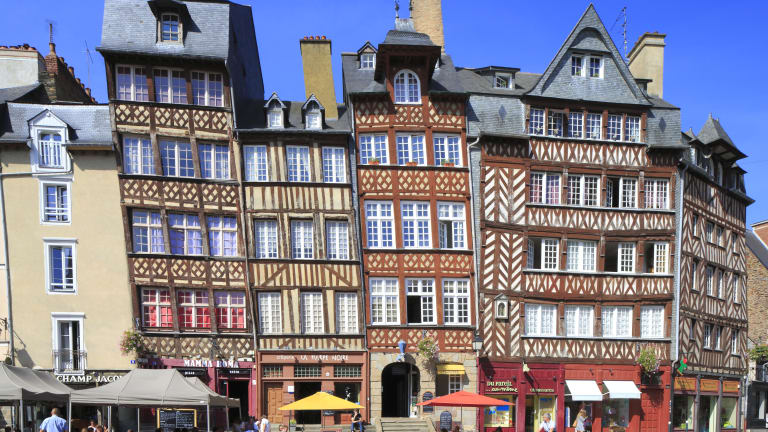
On one side, you get timber-framed houses, elegant squares, food markets, and a historic center that feels made for wandering.
On the other hand, Rennes has a young, energetic pulse thanks to its huge student population, active nightlife, and constant flow of locals through cafés, bars, and public transit.
That mix makes it feel less polished than some postcard-perfect French destinations, but also more real and more fun.
In my view, Rennes is one of those cities that rewards travelers who like culture without chaos.
It is not a place that usually lands on “dangerous city” lists for tourists, but like any urban destination, it comes with a few specific issues you should understand before you go.
Warnings & Dangers in Rennes

OVERALL RISK: LOW
Rennes is generally a low-risk destination for travelers. Most visits are trouble-free, especially for people staying in the center, using common sense, and avoiding late-night trouble spots. The main concerns are petty theft, occasional nightlife-related incidents, and the broader terrorism alert level that applies across France rather than a Rennes-specific crisis.

TRANSPORT & TAXIS RISK: LOW
Public transportation in Rennes is efficient and usually safe. The metro and bus network make it easy to get around, and taxis are not a major safety issue. The biggest risks are late-night disorder around busy stations or bar areas, plus normal urban concerns like keeping an eye on your phone and wallet on crowded buses

PICKPOCKETS RISK: MEDIUM
Pickpocketing is not as notorious here as in Paris, but it still happens in crowded places. Areas around the train station, transit hubs, busy shopping streets, and nightlife zones are where you need to be most alert. Bag theft and phone snatching are more realistic concerns than elaborate professional pickpocket rings.

NATURAL DISASTERS RISK: LOW
Rennes does not face major natural disaster danger regularly. You are not dealing with earthquakes, tropical storms, or extreme heat at the level seen in some other destinations. The more realistic weather issues are heavy rain, wind, and occasional winter storms that can cause delays rather than major tourist safety emergencies.

MUGGING RISK: LOW
Violent crime against tourists is not one of Rennes’ defining problems. Still, muggings and assaults can happen late at night, especially where alcohol, arguments, and poorly lit streets mix. Travelers who stay aware, avoid isolated areas after midnight, and do not flash valuables greatly reduce their risk.

TERRORISM RISK: MEDIUM
Rennes itself is not a city most travelers associate with terror incidents, but France as a whole remains on a heightened security footing. That means the risk category cannot honestly be called low. For visitors, this mostly translates into extra awareness in crowded public spaces, transport hubs, and during major events or demonstrations.

SCAMS RISK: LOW
Scam levels in Rennes are lower than in France’s biggest tourist magnets. You are less likely to run into aggressive street tricksters than in Paris. Still, travelers should be cautious with fake charity approaches, overfriendly strangers in nightlife areas, card payment distractions, and unofficial rides or services offered near busy transport points.

WOMEN TRAVELERS RISK: LOW
Rennes is generally manageable for women traveling alone, especially during the day and in the central tourist areas. The main issue is not citywide danger but late-night behavior around bars, clubs, and certain transit zones. Sensible precautions, such as using trusted transport at night and avoiding isolated streets after heavy nightlife hours, usually go a long way.

TAP WATER RISK: LOW
Tap water in Rennes is generally safe to drink. France has strong drinking water standards, and visitors normally do not need to rely on bottled water. The bigger question is taste rather than safety. If you are sensitive to mineral flavor, chilled tap water or a filter bottle may make it more pleasant.
Safest Places to Visit in Rennes
Historic Center
The historic center is the easiest and safest place for most tourists to enjoy Rennes.
The streets around Place Sainte-Anne, the Parliament of Brittany, and the old half-timbered buildings are usually busy, walkable, and full of normal city life.
During the day and early evening, this is where Rennes feels most relaxed and welcoming.
Thabor Gardens
Parc du Thabor is one of the calmest spots in the city.
It combines formal gardens, shaded paths, lawns, and a more leisurely local atmosphere.
It is ideal for travelers who want a quiet break from urban noise.
In daytime, it feels especially comfortable for solo travelers, couples, and families.
République and Central Shopping Areas
The area around République is practical, central, and full of movement.
Because so many buses and daily commuters pass through here, it usually feels active rather than isolated.
That constant foot traffic can be reassuring in daylight, though you still need to watch your belongings in crowded moments.
Saint-Germain and Cultural Core
The streets around Saint-Germain and the cultural heart of Rennes offer a good mix of cafés, churches, museums, and attractive public spaces.
These parts of town tend to draw both locals and visitors rather than only heavy nightlife crowds, which helps them feel balanced and easier to navigate.
Marché des Lices
One of Rennes’ great experiences is the Marché des Lices, especially if you want to see the city at its most authentic.
It is lively, social, and usually quite comfortable for tourists.
The normal rule applies: crowded market equals extra care with wallets and phones. Still, it is busier than threatening.
Places to Avoid in Rennes
Around the Train Station Late at Night
The area near Gare de Rennes is useful and generally fine during the day, but it deserves more caution late at night.
Like many station districts, it can attract loitering, intoxicated people, and opportunistic theft.
It is not a no-go zone, but it is not the place to wander distracted with luggage or a phone in hand after midnight.
Colombier After Dark
Colombier is central and convenient, but parts of it can feel rougher once the evening crowd changes.
The combination of nightlife spillover, transport traffic, and less polished surroundings can create an uneasy atmosphere late at night.
If you pass through, stay on busier streets and avoid lingering aimlessly.
Le Blosne
Le Blosne is a residential district rather than a tourist zone, and visitors have little reason to spend time there unless they know someone locally.
It has a reputation for more social problems than the postcard center, and travelers unfamiliar with the area may feel out of place, especially after dark.
Maurepas and Some Outer Residential Pockets
Maurepas and certain outer neighborhoods are not tourist hot spots, and they can feel less comfortable for visitors who do not know the city.
The issue is usually not that something will definitely happen to you, but that these areas are less useful, less lively for visitors, and more prone to the kinds of petty problems tourists want to avoid.
Isolated Streets After Nightlife Hours
In Rennes, the bigger pattern is often time-based rather than district-based.
Streets that feel normal at 6 p.m. can feel completely different at 2 a.m. after bars close.
If you are out late, avoid shortcuts through quiet side streets, empty parks, or underused transit entrances.
Safety Tips for Traveling to Rennes
- Stay alert around nightlife zones. Rennes has a young population and a strong bar scene, which means many problems happen late rather than all day long. If you go out drinking, keep track of your group, do not leave your drink unattended, and head back before the streets empty out too much.
- Keep your phone out of sight in crowded transit areas. Phone theft is often easier and more common than full-on robbery. At bus stops, on packed buses, or near the train station, hold your device firmly and avoid standing near doors while scrolling absentmindedly.
- Choose accommodations in central, well-reviewed areas. For most travelers, staying near the historic center or other lively central districts makes everything simpler. You will be closer to major sights, more likely to walk on active streets, and less dependent on late-night transit through unfamiliar neighborhoods.
- Avoid demonstrations. France has a strong protest culture, and demonstrations can develop quickly. Even when a protest begins peacefully, transport disruption or clashes can follow. If you see a gathering forming, do not stop to watch just because it looks interesting. Leave the area.
- Use trusted transport at night. The metro and buses are generally fine, but if you are returning very late, tired, or alone, paying for a licensed taxi or ride service can be a better choice. It is often worth the extra cost for peace of mind.
- Do not assume a smaller city means zero theft. Travelers sometimes drop their guard outside Paris. That is a mistake. Rennes is easier and calmer than many large cities, but theft still happens when visitors leave bags hanging on chairs, place phones on café tables, or stash wallets in back pockets.
- Keep evenings simple if you have an early train or flight. Transport hubs are the last place you want to be exhausted, hungover, or disorganized. If you are leaving early the next day, pack the night before, pre-book transport if necessary, and keep your documents together so you are not fumbling in public.
- Dress for changing weather. Rennes can shift from dry to rainy quickly, and breezy weather can make the city feel colder than the thermometer suggests. A light waterproof layer and comfortable closed shoes are smarter than packing only for ideal conditions.
- Carry only what you need for the day. Leave spare cards, excess cash, and backup documents in your accommodation if it has a secure place to store them. The fewer valuables you carry, the less stressful any petty theft incident becomes.
- Trust your instincts after dark. This sounds basic, but it matters. If a street suddenly feels too empty, if a group is acting aggressively, or if a transit area looks sketchy, change direction immediately. Travelers often get into trouble not because danger was everywhere, but because they ignored a clear bad feeling.
So... How Safe Is Rennes Really?
Rennes is one of those cities that is safer in practice than people sometimes expect from hearing broad headlines about France.
For the average tourist, the realistic risk profile is pretty straightforward: petty theft, some rough late-night pockets, occasional tension around protests, and the general national security concerns that affect the whole country.
That is very different from saying the city is dangerous in day-to-day tourist terms.
What works in Rennes’ favor is that it is compact, active, and well-connected.
Much of what visitors want to see is concentrated in the center, and the city has a strong student and local presence that keeps many areas lively.
That usually creates a sense of normal urban energy rather than intimidation.
What works against Rennes is mostly timing and behavior.
If you stay out very late, drink heavily, drift into non-tourist residential zones without purpose, or move through station and nightlife areas carelessly, your chances of a bad experience go up.
But that is true in many European cities.
My honest take is that Rennes is a low-risk destination overall, with a medium level of caution needed in specific situations.
It is a city where awareness matters more than fear.
Travel smart, stay centered, and Rennes is very likely to feel comfortable, interesting, and easy to enjoy.
How Does Rennes Compare?
| City | Safety Index |
|---|---|
| Rennes |
65 |
| Annecy |
88 |
| Montpellier |
48 |
| Cannes |
80 |
| Marseille |
55 |
| Reims |
68 |
| Nice |
73 |
 Cancun Cancun | 70 |
 Novosibirsk Novosibirsk | 76 |
 San Juan San Juan | 55 |
 Sumbe Sumbe | 46 |
 La Vista La Vista | 74 |
 Krabi Krabi | 70 |
Useful Information

Visas
France is part of the Schengen Area, so visa rules depend on your nationality. Many tourists, including Americans, Canadians, Brits, and Australians, can usually visit for up to 90 days within a 180-day period without a visa. Your passport should be valid well beyond your stay, and you should always check the latest entry rules before departure.

Currency
Rennes uses the euro. Credit and debit cards are widely accepted, so you usually do not need much cash. The easiest option is to withdraw euros from a bank ATM after arrival rather than exchanging large amounts at airport counters, where rates are often worse.

Weather
Rennes has a mild oceanic climate. Summers are generally pleasant rather than brutally hot, and winters are cool but not extreme. Rain can appear at any time of year, sometimes on and off within the same day, so packing layers and a light waterproof jacket is the smart move.

Airports
The main airport is Rennes Bretagne Airport, a short drive from the city. It is small and convenient, and the center can be reached by road in about 10 minutes or by bus in roughly 20 minutes. Some travelers also arrive through Paris and continue to Rennes by high-speed train.

Travel Insurance
Travel insurance is absolutely worth having for Rennes, just as it is for anywhere in Europe. Even in a relatively low-risk city, canceled transport, lost bags, pickpocketing, or unexpected medical issues can ruin a trip financially. Good coverage is one of the easiest safety decisions you can make.
Rennes Weather Averages (Temperatures)
Average High/Low Temperature
| Temperature / Month | Jan | Feb | Mar | Apr | May | Jun | Jul | Aug | Sep | Oct | Nov | Dec |
|---|---|---|---|---|---|---|---|---|---|---|---|---|
| High °C |
9 | 10 | 12 | 15 | 18 | 22 | 24 | 24 | 22 | 17 | 12 | 10 |
| Low °C |
3 | 3 | 4 | 6 | 8 | 12 | 14 | 13 | 12 | 10 | 6 | 4 |
| High °F |
48 | 50 | 54 | 59 | 64 | 72 | 75 | 75 | 72 | 63 | 54 | 50 |
| Low °F |
37 | 37 | 39 | 43 | 46 | 54 | 57 | 55 | 54 | 50 | 43 | 39 |
France - Safety by City
| City | Safety Index |
|---|---|
| Annecy | 88 |
| Avignon | 78 |
| Bordeaux | 63 |
| Cannes | 80 |
| Chamonix | 84 |
| Colmar | 86 |
| Grenoble | 68 |
| Le Havre | 63 |
| Lille | 56 |
| Lyon | 72 |
| Marseille | 55 |
| Martinique | 78 |
| Montpellier | 48 |
| Nantes | 56 |
| Nice | 73 |
| Nimes | 65 |
| Paris | 70 |
| Reims | 68 |
| Rennes | 65 |
| Strasbourg | 74 |
| Toulon | 64 |
| Toulouse | 57 |
















Some mistakes in description
I live there and I’m surprised by the risk rating, it’s not perfect and as anywhere avoid shady streets at night in the center, but terrorism risk high ? Nah
Risk of avanlanches and roads in mountains ???? No mountain close to that place.
When I see this I can only wonder if the ratings are correct for others countries.
Just what we’ve hoped
I would rather go to an unpopular destination than to have to feel like a sardine in cool cities. Rennes was a nice surprise, quiet with a certain charm specific to most French cities. My golden rule, regardless if I‘m traveling or not, is to never venture at night alone. I’ve found Rennes to be your ol’ run-of-the-mill decent place, no one approached us, we just went about our day as usual.
Wait, did you get to see the Festival des Tombées de la Nuit in early July, because the streets by Rue de la Psalette felt so alive and a bit chaotic?
Funny, after being there in early July for the Festival des Tombées de la Nuit the half-timbered houses on Rue de la Psalette felt oddly alive and left me with a warm, slightly uncanny sort of comfort.
I get a little teary every time I walk down Rue de la Psalette at dusk during the Festival des Tombées de la Nuit in early July, those half-timbered houses still make me stop and stare.