


 France : Safety by City
- Annecy
- Avignon
- Bordeaux
- Cannes
- Chamonix
- Colmar
- Grenoble
- Le Havre
- Lille
- Lyon
- Marseille
- Martinique
- Montpellier
- Nantes
- Nice
- Nimes
- Paris
- Reims
- Rennes
- Strasbourg
- Toulon
- Toulouse
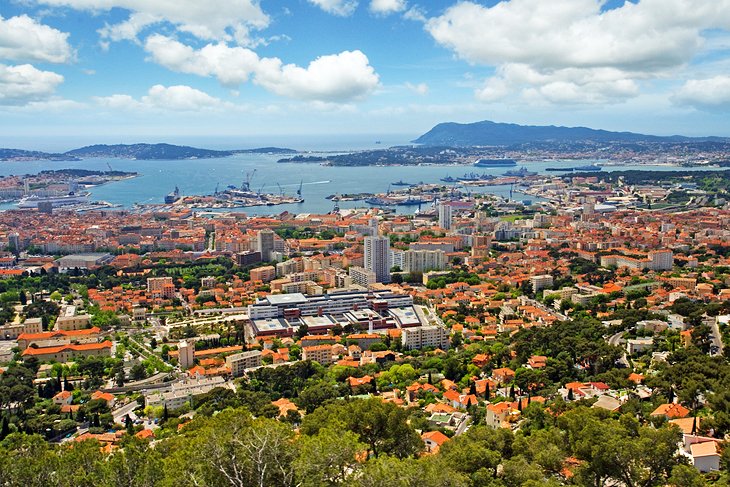
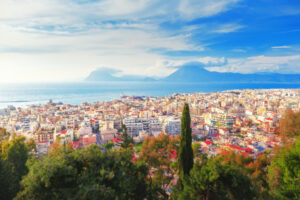
Toulon sits on France’s Mediterranean coast between Marseille and Saint-Tropez, wrapped around one of Europe’s great natural harbors and backed by the limestone rise of Mont Faron.
It is a naval city, a working port, a beach destination, and a place that feels far more lived-in than polished.
That mix gives Toulon personality.
You get morning markets, ferries crossing the bay, palm-lined promenades, and neighborhoods that still move at a local rhythm rather than a tourist one.
From a traveler’s point of view, that is part of its charm, but it also means you should approach it like a real city, not a theme park.
In my view, Toulon is generally safe for tourists who use normal street smarts, stay aware in busy areas, and avoid wandering into poorly lit districts late at night.
Warnings & Dangers in Toulon

OVERALL RISK: LOW
Toulon is generally a low-risk destination for most travelers. Violent crime against tourists is uncommon, and most visits are trouble-free. The bigger issues tend to be petty theft, occasional late-night problems in certain urban pockets, and the broader security concerns that apply across France. If you stay alert and avoid careless behavior, Toulon feels manageable and comfortable.

TRANSPORT & TAXIS RISK: LOW
Public transport in and around Toulon is usually reliable and straightforward, especially for daytime sightseeing. Buses, ferries, and trains are commonly used by locals and visitors alike. Taxis are generally safe, though it is always smarter to use official ranks, apps, or pre-booked rides. The main annoyance is more likely confusion or delay than danger.

PICKPOCKETS RISK: MEDIUM
Pickpocketing is not the city’s defining problem, but it can happen in crowded areas such as markets, train stations, promenades, and on public transport. Travelers carrying phones in back pockets or bags left open at outdoor cafés make easy targets. The risk rises in busy summer months, especially where visitors gather near the waterfront and central streets.

NATURAL DISASTERS RISK: LOW
Toulon does not face the kind of dramatic natural-disaster profile you see in earthquake or cyclone zones, but it is not risk-free. Summer heat, brushfire conditions in the surrounding hills, and occasional heavy Mediterranean downpours can disrupt plans. Strong sun and heat are the most likely issues tourists will actually feel, especially in July and August.

MUGGING RISK: LOW
Muggings are not a major concern for most visitors in Toulon, especially in tourist-facing parts of the city. That said, risk goes up late at night in quieter back streets or rougher residential areas away from the main visitor zones. Solo travelers who are intoxicated, distracted, or visibly carrying valuables are more vulnerable than the average tourist.

TERRORISM RISK: MEDIUM
This is less about Toulon specifically and more about France as a whole. Like other French cities, Toulon exists within a country that remains alert to terrorism risks, especially around transport hubs, public events, and crowded spaces. For travelers, that means staying aware, following police instructions, and not being alarmed by visible security measures.

SCAMS RISK: LOW
Toulon is not especially notorious for scams compared with bigger tourist magnets, but standard European travel scams still exist. Watch for overfriendly strangers, distraction tactics, overpriced unofficial rides, and the occasional attempt to overcharge in tourist-heavy spots. Most of these are avoidable if you confirm prices first and keep your guard up.

WOMEN TRAVELERS RISK: LOW
Women can travel in Toulon with a fairly normal level of caution. During the day, central areas, beaches, and major sights are generally comfortable. At night, the usual rules matter more: avoid isolated streets, do not accept rides from strangers, and use trusted transport if returning late. Solo female travelers should stay alert, not fearful.

TAP WATER RISK: LOW
Tap water in Toulon is generally considered safe to drink. France has high drinking-water standards, and most travelers will have no issue using hotel or restaurant tap water. If you have a sensitive stomach, the adjustment to local minerals may feel unfamiliar at first, but safety is not usually the problem. A reusable bottle is practical here.
Safest Places to Visit in Toulon
Le Mourillon
Le Mourillon is one of the easiest areas in Toulon for travelers to enjoy with confidence.
It has beaches, family-friendly walks, restaurants, and a more relaxed atmosphere than some central districts.
In daylight and early evening, it is one of the city’s most comfortable areas for couples, families, and solo travelers who want sea views without much stress.
Mont Faron
Mont Faron is one of Toulon’s signature experiences and one of the places where the city feels most scenic rather than urban.
The cable car ride and summit views are excellent, and the area attracts hikers, families, and day-trippers.
Safety issues here are usually about practical outdoor concerns like heat, footwear, and weather rather than crime.
The Old Port and Waterfront
The harborfront around the old port is usually a good place for visitors to start.
There is constant foot traffic, cafés, ferries, and a strong local presence that helps it feel active rather than isolated.
It is a smart area for daytime strolling, especially if you enjoy watching boats and soaking up the city’s maritime identity.
Central Old Town by Day
Toulon’s old center has narrow lanes, markets, churches, and squares that reward slow wandering.
By day, it is lively and interesting, particularly near Cours Lafayette and the more active commercial streets.
I would call it safe for ordinary sightseeing, though it makes sense to stay aware of your belongings in crowded spots and avoid drifting too far into empty streets after dark.
Places to Avoid in Toulon
Around the Station Late at Night
The area around Toulon’s main station is not automatically dangerous, but like station districts in many cities, it can feel rougher after dark than it does by day.
There may be loitering, petty theft risk, and a generally less comfortable atmosphere for tired travelers with luggage.
In daylight, it is mostly fine. Late at night, move with purpose.
Saint-Jean-du-Var and Similar Inner-City Pockets After Dark
Some local advice about Toulon tends to point toward extra caution in less polished urban districts such as Saint-Jean-du-Var, especially at night.
That does not mean every street is unsafe or that tourists are certain to have problems.
It means these are not the areas I would recommend for casual evening wandering if you do not know the city well.
Pont du Las and Outlying Residential Streets at Night
Pont du Las and certain surrounding residential zones can feel less welcoming after hours, particularly for visitors unfamiliar with the local rhythm.
These are working neighborhoods, not sightseeing zones, and the issue is more about reduced comfort and occasional petty crime than dramatic danger.
Travelers do best sticking to busier, better-lit routes and known destinations.
Isolated Back Streets and Empty Parks
In Toulon, the biggest mistake is not visiting a famous bad neighborhood.
It is assuming every quiet street is equally fine after midnight.
Isolated stairways, dark side lanes, and empty park areas can feel sketchier than the main promenades and central squares.
If a place looks deserted and poorly lit, trust that instinct and turn around.
Safety Tips for Traveling to Toulon
- Keep valuables out of sight in crowded places. Markets, train stations, waterfront walks, and packed buses are where distraction theft is most likely. Use a crossbody bag that closes properly, keep your phone off café tables, and never leave wallets in back pockets.
- Use official taxis or trusted ride options. Most drivers are fine, but travel goes more smoothly when you use marked taxis, hotel-arranged transport, or recognized apps. Confirm the destination clearly before the ride begins and keep an eye on the route if you can.
- Treat the train station area with extra caution at night. During the day, it is a normal transit hub. Late at night, especially if you are alone with luggage, it is better to move quickly, avoid lingering outside, and book your onward transport before arriving.
- Do not confuse “local” with “risk-free.” Toulon is not as tourist-saturated as Nice or Cannes, which can make it feel more authentic. That is great, but it also means you should stay aware. Some streets empty quickly, and not every area is designed for late-night wandering.
- Watch the heat in summer. The Mediterranean sun is strong, and travelers often underestimate it. Carry water, wear a hat, use sunscreen, and avoid long uphill walks in the hottest part of the day, especially if you plan to visit Mont Faron.
- Stay updated on transport and weather conditions. Summer fire risk, heavy rain, or transport delays can affect plans more than crime does. Check local schedules before heading to the airport, cable car, or ferry connections so you do not end up stranded or rushing.
- Be smart with nightlife. Toulon has bars and lively evening areas, but normal nightlife rules apply. Do not leave drinks unattended, avoid getting heavily intoxicated in unfamiliar districts, and plan your route back before the night starts.
- Choose accommodations in well-connected areas. Staying near Le Mourillon, the harbor, or central areas with regular foot traffic makes a big difference. A cheap room far from the center can be a false bargain if you end up walking through deserted streets at night.
- Carry only what you need for the day. There is no prize for traveling around town with all your cash, backup cards, passport, and expensive gear. Leave unnecessary valuables locked in your hotel and carry digital copies of important documents separately.
- Respect local security procedures. In France, visible security presence is normal. Bag checks, police patrols, and heightened awareness around crowded places are part of the daily reality. Cooperate calmly, stay informed, and do not ignore official instructions during events or disruptions.
So... How Safe Is Toulon Really?
Toulon is one of those cities that is safer in practice than some travelers expect, but a little rougher around the edges than postcard destinations on the Riviera.
That is the honest version.
It is not a high-danger place for tourists, and many people come for the harbor, the beaches, Mont Faron, and the old center without any problems at all.
The typical issues are petty theft, occasional neighborhood discomfort after dark, and the broader security environment that comes with traveling anywhere in France.
What matters most is context.
In daytime tourist areas such as Le Mourillon, the waterfront, and the more active parts of the center, most visitors will feel perfectly comfortable.
Trouble is more likely to come from bad timing, distraction, or poor choices than from the city itself.
Walking alone at 2 a.m. through a quiet district, flashing valuables, or arriving unprepared at the station late at night changes the risk level more than choosing Toulon as a destination does.
My overall take is that Toulon is reasonably safe for ordinary tourism and a good choice for travelers who want a Mediterranean city that feels real.
It rewards awareness, not paranoia.
Come prepared, stay alert, and you can enjoy it with confidence.
How Does Toulon Compare?
| City | Safety Index |
|---|---|
| Toulon |
64 |
| Le Havre |
63 |
| Lille |
56 |
| Cannes |
80 |
| Avignon |
78 |
| Toulouse |
57 |
| Strasbourg |
74 |
 Scranton Scranton | 66 |
| Norwich | 91 |
| Piscataquog | 73 |
| Tonopah | 81 |
 Chengdu Chengdu | 74 |
| Utica | 57 |
Useful Information

Visas
France is part of the Schengen Area, so many visitors can enter visa-free for short tourist stays of up to 90 days within a 180-day period, while others must apply in advance. Requirements depend on nationality, passport validity, and travel purpose. Check the current rules before booking, because entry conditions can change.

Currency
Toulon uses the euro. Credit and debit cards are widely accepted, but it is still useful to carry a small amount of cash for markets, buses, or smaller purchases. Avoid exchanging money at airports unless necessary, since city bank ATMs and reputable exchange services usually give better value.

Weather
Toulon has a Mediterranean climate with hot, sunny summers and mild winters. Summer packing should focus on light clothing, sun protection, and comfortable walking shoes. In cooler months, bring layers and a light jacket, especially for evenings by the water or windy days higher up around Mont Faron.

Airports
The nearest airport is Toulon-Hyères Airport, which sits east of the city and connects to Toulon by road and bus. Some travelers also fly into Marseille and continue by train or car. If you land at Toulon-Hyères, pre-check bus times or taxi options so arrival feels simple rather than improvised.

Travel Insurance
Travel insurance is a very smart idea for Toulon, even though it is not an especially risky destination. Delayed flights, lost bags, petty theft, medical needs, and trip interruptions happen everywhere. A good policy gives you backup for the problems most likely to disrupt a trip, not just the dramatic ones.
Toulon Weather Averages (Temperatures)
Average High/Low Temperature
| Temperature / Month | Jan | Feb | Mar | Apr | May | Jun | Jul | Aug | Sep | Oct | Nov | Dec |
|---|---|---|---|---|---|---|---|---|---|---|---|---|
| High °C |
13 | 13 | 16 | 20 | 23 | 27 | 30 | 29 | 26 | 22 | 17 | 14 |
| Low °C |
6 | 6 | 8 | 11 | 14 | 18 | 20 | 20 | 17 | 14 | 10 | 7 |
| High °F |
55 | 55 | 61 | 68 | 73 | 81 | 86 | 84 | 79 | 72 | 63 | 57 |
| Low °F |
43 | 43 | 46 | 52 | 57 | 64 | 68 | 68 | 63 | 57 | 50 | 45 |
France - Safety by City
| City | Safety Index |
|---|---|
| Annecy | 88 |
| Avignon | 78 |
| Bordeaux | 63 |
| Cannes | 80 |
| Chamonix | 84 |
| Colmar | 86 |
| Grenoble | 68 |
| Le Havre | 63 |
| Lille | 56 |
| Lyon | 72 |
| Marseille | 55 |
| Martinique | 78 |
| Montpellier | 48 |
| Nantes | 56 |
| Nice | 73 |
| Nimes | 65 |
| Paris | 70 |
| Reims | 68 |
| Rennes | 65 |
| Strasbourg | 74 |
| Toulon | 64 |
| Toulouse | 57 |













Good info on Toulon for travel!
Great for a summer destination
Placed along the French Riviera, Toulon is the city to be in spring-summer when the weather is warm and you can hit the beach. Safety-wise I would not portray it as a dangerous city but one that can be annoying at times when you are approached by small kids asking for money. Traveling as a family we had zero problems exploring the city.
There’s something surreal about standing on Mont Faron and imagining all the history that unfolded right below, especially with those towers still telling their stories.
Strolling up Mont Faron the other day I actually counted the nine towers and got a funny little chill spotting the massive Charles de Gaulle in the Rade while fishermen sorted nets down by the quay.
Seeing the Charles de Gaulle up close in the Rade de Toulon was oddly humbling, and the climb to Mont Faron past those nine ruined towers left me thinking about how many lives have crossed this port.
Have you noticed if the local vibe around the palm-lined promenades changes much between morning and evening?