


 Tunisia : Safety by City
Tunisia - safety as a country
Tunis, the capital of Tunisia, sits along the Mediterranean coast of North Africa, just a short flight from southern Europe and a world away in atmosphere.
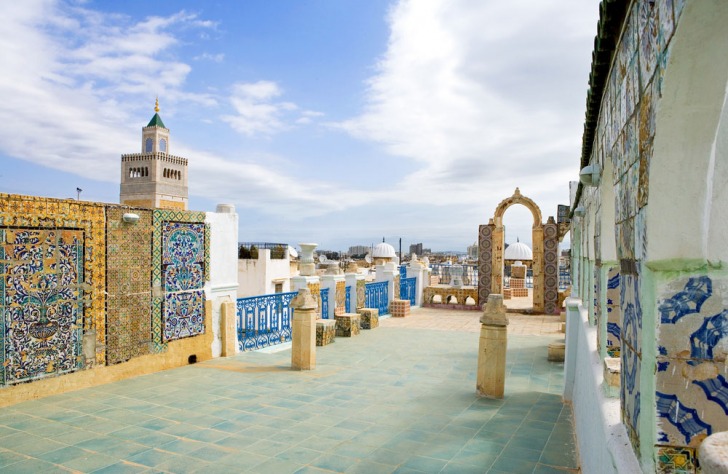
It is a city where Roman ruins stand near French colonial boulevards and labyrinth-like souks spill out from the ancient Medina.
Just outside the city, the ruins of Carthage overlook the sea, while the village of Sidi Bou Said glows in white and blue above the cliffs.
I have always found Tunis fascinating because it feels layered.
You can sense its Phoenician, Roman, Arab, Ottoman, and French past all at once.
But like many travelers, I wondered before visiting: how safe is Tunis really?
Let’s break it down honestly, clearly, and without exaggeration.
Warnings & Dangers in Tunis

OVERALL RISK: MEDIUM
Tunis is generally safe for tourists who stay in central and well-known areas, but it does come with moderate risks. Petty crime, occasional political protests, and a history of terrorism incidents raise the overall risk to medium. Most visits are trouble free, but awareness and preparation are essential.

TRANSPORT & TAXIS RISK: LOW
Public transportation such as the light rail and buses is widely used and generally safe during the day. Taxis are inexpensive and common, though drivers sometimes refuse meters or overcharge tourists. The main risk here is minor disputes or overpricing rather than violence.

PICKPOCKETS RISK: MEDIUM
Pickpocketing is one of the most common issues in Tunis, especially in crowded areas like the Medina and public transport. It is rarely aggressive, but distraction techniques are common. Keeping valuables secure and avoiding visible displays of wealth significantly reduces the risk.

NATURAL DISASTERS RISK: LOW
Tunis does not face major natural disaster threats. Earthquakes are rare and typically minor. The city can experience heavy rain and localized flooding during winter storms, but serious natural events are uncommon compared to many other global destinations.

MUGGING RISK: LOW
Violent street crime against tourists is not widespread, but it can occur in poorly lit or isolated areas at night. Most incidents involve locals rather than visitors. Avoiding deserted neighborhoods after dark keeps the risk relatively low.

TERRORISM RISK: MEDIUM
Tunisia experienced high-profile terrorist attacks in the past, including incidents targeting tourist sites. Security has since increased significantly, particularly in major cities and around hotels and cultural landmarks. While the risk today is lower than it was years ago, it remains a consideration.

SCAMS RISK: MEDIUM
Common scams include unofficial “guides” offering help in the Medina, inflated taxi fares, and small overcharges in shops. These scams are generally non violent and rely on confusion or social pressure rather than force.

WOMEN TRAVELERS RISK: MEDIUM
Women can travel safely in Tunis, but street harassment such as catcalling is common. Dressing modestly and avoiding isolated areas at night helps reduce unwanted attention. Many female travelers visit without serious problems, though cultural differences should be respected.

TAP WATER RISK: MEDIUM
Tap water in Tunis is treated and technically safe in many areas, but quality can vary. Some travelers experience mild stomach discomfort. Bottled water is widely available and inexpensive, making it the safer choice for short visits.
Safest Places to Visit in Tunis
Tunis rewards travelers who choose their base wisely.
While the city has contrasts, there are several districts where you can comfortably explore, linger at cafés, and wander with confidence.
La Marsa: Seaside Calm with a Local Feel
If you like your cities with a bit of breathing room, La Marsa is hard to beat.
Located along the Mediterranean coast northeast of central Tunis, this district feels relaxed and residential.
You will find beach promenades, open-air cafés, and families strolling in the evening.
Security here tends to be solid, and the atmosphere is noticeably calmer than the dense streets of the old city.
Many expatriates and affluent Tunisians live in this area, which means better infrastructure, cleaner streets, and generally lower petty crime rates.
It is especially pleasant for evening walks compared to the city center.
Sidi Bou Said: Picture Perfect and Well Patrolled
Just minutes from La Marsa, Sidi Bou Said is famous for its whitewashed buildings and blue doors perched above the sea.
Because it is one of the country’s most photographed destinations, there is regular police presence and steady tourist traffic.
The constant flow of visitors makes it feel lively rather than isolated.
Vendors can be persistent, but serious safety issues are rare.
Stick to the main lanes and viewpoints, and you will likely feel comfortable even if you are traveling solo.
Les Berges du Lac: Modern and Orderly
Les Berges du Lac, often called simply “Lac,” is one of the most modern parts of Tunis.
Embassies, corporate offices, and newer apartment complexes dominate the skyline.
The roads are wider, lighting is better, and the overall layout feels more structured.
This area is not as culturally immersive as the Medina, but from a safety perspective it is among the most predictable.
It is a strong choice for business travelers and anyone who prefers modern amenities and quieter streets.
Carthage: History with Visible Security
Carthage sits between Tunis and the coast and is home to expansive Roman ruins overlooking the Mediterranean.
Because it is a major heritage site, security is more visible than in many other neighborhoods.
The area is residential and relatively affluent, which contributes to a sense of stability.
Daytime exploration of the archaeological sites is generally low risk, especially when combined with a visit to nearby Sidi Bou Said.
Central Tunis During the Day
The city center, including Avenue Habib Bourguiba and parts of the Medina, can be very safe during daylight hours.
Shops are open, police patrols are visible, and there is constant foot traffic.
If you visit the Medina, go during the morning or early afternoon when it is busy but not overwhelming.
Stay on the main arteries, and you will find it energetic rather than intimidating.
Places to Avoid in Tunis
Tunis is not a city where tourists routinely stumble into dangerous war zones, but there are areas and situations that are best avoided, especially if you are unfamiliar with the city.
Outer Western Suburbs
Neighborhoods such as parts of Ettadhamen and other western districts have higher unemployment rates and fewer tourist oriented services.
These areas are primarily residential and offer little of interest to visitors.
Crime here is more likely to affect locals than tourists, but there is no reason for travelers to wander into unfamiliar suburbs without a specific purpose.
If you find yourself far from known landmarks with no visible tourist infrastructure, it is wise to turn back.
The Medina After Dark
The Medina of Tunis is magical during the day.
At night, it transforms.
Once shops close, the maze of narrow alleys becomes dimly lit and disorienting.
With fewer people around, the sense of safety decreases.
Petty theft and harassment are more likely when streets are empty.
If you want to experience the Medina, do so during daylight hours and plan to leave before it grows quiet.
Isolated Streets Near the Port Area
Some industrial or port adjacent zones near La Goulette can feel deserted outside working hours.
While not necessarily dangerous, they lack the steady pedestrian traffic that helps create a feeling of security.
If you are exploring near the port, stick to known restaurants and seaside areas rather than wandering through empty side streets.
Protest Zones and Government Buildings
Political gatherings occasionally occur near central government buildings and along major boulevards.
These demonstrations are often peaceful but can escalate quickly.
If you see large crowds forming, heavy police presence, or road closures, avoid the area entirely.
Even if tourists are not the target, being caught in the middle of unrest is unnecessary risk.
Poorly Lit Streets at Night
Like in many cities, safety in Tunis drops when lighting and foot traffic disappear.
Quiet backstreets, especially outside major districts, are best avoided after dark.
If you need to move between neighborhoods at night, use a licensed taxi rather than walking.
Safety Tips for Traveling to Tunis
- Keep valuables out of sight. Use anti theft bags or money belts when walking through crowded markets or public transportation. Keep phones and wallets secure and avoid placing them on café tables.
- Use registered taxis only. Official yellow taxis are metered. Ask the driver to use the meter before the trip starts. If they refuse, politely exit and find another taxi.
- Avoid walking alone late at night. Stick to well lit, populated streets after dark. If returning late, use a taxi instead of walking through quiet neighborhoods.
- Dress modestly. Tunisia is relatively liberal compared to some neighboring countries, but conservative dress reduces unwanted attention and shows cultural respect.
- Be cautious with strangers offering help. In the Medina, some individuals may insist on guiding you and then demand payment. Politely decline and continue walking.
- Monitor local news. Stay aware of political developments. Protests can form quickly, particularly near central government buildings.
- Choose reputable accommodations. Stay in well reviewed hotels in central or coastal districts. Areas like La Marsa and Les Berges du Lac offer added comfort.
- Use bottled water. Even if tap water is technically safe, bottled water helps avoid digestive discomfort during short trips.
- Keep copies of documents. Have digital and printed copies of your passport and travel insurance in case of loss or theft.
- Purchase travel insurance. Medical care in Tunis is adequate in private clinics, but insurance ensures quick access and financial protection in emergencies.
So... How Safe Is Tunis Really?
Based on crime data, travel advisories, and on the ground reports, Tunis falls into a moderate safety category.
Petty crime such as pickpocketing is the most common issue affecting tourists.
Violent crime rates are lower than in many major cities worldwide.
Tunisia has strengthened counterterrorism measures significantly since the attacks of the mid 2010s.
Tourist zones now have visible security, and international visitors continue to return in growing numbers.
The biggest safety variable tends to be economic instability and occasional protests rather than random violence.
Most travelers who stick to central areas, avoid political gatherings, and use basic street smarts report positive experiences.
In my view, Tunis is not a high risk destination, but it is not carefree either.
It rewards cautious travelers who stay aware.
If you approach it thoughtfully, you are far more likely to remember the mosaics of Carthage and the call to prayer over the Medina than any safety concern.
How Does Tunis Compare?
| City | Safety Index |
|---|---|
| Tunis |
55 |
| Sousse |
48 |
| Kairouan Medina |
52 |
| Bab Bhar |
56 |
| Djerba |
53 |
| Hammamet |
78 |
| Sidi Bou Said |
42 |
 Wiesbaden Wiesbaden | 57 |
 Rumonge Rumonge | 54 |
 Piscataquog Piscataquog | 73 |
| Detroit Lakes | 82 |
| Chamblee | 71 |
| San Angelo | 83 |
Useful Information

Visas
Many travelers from Europe, North America, and several other countries can enter Tunisia visa free for up to 90 days for tourism. Your passport must typically be valid for at least six months. Always confirm requirements with your local Tunisian consulate before departure.

Currency
The local currency is the Tunisian dinar. It is a closed currency, meaning you cannot legally bring it in or out of the country. Exchange money at official exchange offices or banks, and keep receipts for reconversion when leaving.

Weather
Tunis has a Mediterranean climate with hot, dry summers and mild, wetter winters. Summer temperatures often exceed 30 degrees Celsius. Pack light clothing for summer and a jacket for cooler winter evenings.

Airports
Tunis Carthage International Airport is the main gateway, located about 8 kilometers from the city center. Taxis are readily available outside arrivals and typically reach downtown in 15 to 20 minutes depending on traffic.

Travel Insurance
Travel insurance is highly recommended for Tunis. It covers medical emergencies, trip interruptions, and theft. Even if risks are moderate, having coverage adds peace of mind and financial protection during your trip.
Tunis Weather Averages (Temperatures)
Average High/Low Temperature
| Temperature / Month | Jan | Feb | Mar | Apr | May | Jun | Jul | Aug | Sep | Oct | Nov | Dec |
|---|---|---|---|---|---|---|---|---|---|---|---|---|
| High °C |
16 | 16 | 18 | 21 | 25 | 30 | 33 | 33 | 30 | 26 | 21 | 17 |
| Low °C |
10 | 9 | 10 | 13 | 16 | 21 | 24 | 25 | 23 | 19 | 15 | 11 |
| High °F |
61 | 61 | 64 | 70 | 77 | 86 | 91 | 91 | 86 | 79 | 70 | 63 |
| Low °F |
50 | 48 | 50 | 55 | 61 | 70 | 75 | 77 | 73 | 66 | 59 | 52 |
Tunisia - Safety by City
| City | Safety Index |
|---|---|
| Bab Bhar | 56 |
| Djerba | 53 |
| Hammamet | 78 |
| Kairouan Medina | 52 |
| Mahdia | 32 |
| Sidi Bou Said | 42 |
| Sousse | 48 |
| Tunis | 55 |











Not very safe
People here are very racist, I didn’t feel safe here at all, yes, most people seem ok and keep to themselves, but still you feel how different they treat you as a foreigner, and not in a nice way.
People shout and threat each other and it doesn’t feel safe, I would rate it as 2 star in safety.
People are so friendly they want always to help us , it’s a beautiful country we feel so safe in Tunisia, then we discovered that many foreigners come from Europe to live in Tunisia cause it’s cheap and safe and near to Europe.
Wonderful
Tunisia is very safe to visit and to live! No place on earth is completely “safe” but i will take someone who’s trying to sell me a pricy souvenir over gun shots and murder any day of the week! People are very friendly and approachable in fact we noticed that they became even friendlier when we went straight and asked them without second thoughts i guess they take it as a sign of trust. ( They’re highly educated by the way and they speak French and English and sometimes Italian and German)
Food is amazing, if you like fresh ingredients and mediterranean gastronomy then you’ll love it!
I met with my childhood friend who moved there 5 years ago and she couldn’t be happier!
Places to visit: Tunis old town (souk), Sidi Bousaid (Like Santorini) , Gammarth, Hammamet and Sousse for nightlife and beaches, El Djem collasyium (second largest after Rome), The island of Djerba, Toseur and Douze in the south for desert safari and oasis ( The set of star wars) , also plenty of ruins and historical places some aged over 3000 years!
So, if you’re into ancient ruins and a side of Arabic culture, Tunis is basically the place where history goes to chill out and do some sightseeing.
Walking the Medina at dusk, I honestly felt safer than I’d expected, especially with the tiny cafés, noisy scooters, and shopkeepers waving from their doorways.
Walking the narrow Medina alleys at dusk with spice stalls still open and the call to prayer drifting through, I felt surprisingly at ease despite the bustle.
I got lost in the Medina at dusk and felt my chest tighten with awe and a little unease when the muezzin started and the alleyways smelled of spices and frying fish.
Laughed when a Roman ruin popped up between the French boulevards and the Medina, felt weirdly at home.
Walking the Medina at dusk, I was surprised how calm it felt despite all the souk noise and my shoulders actually unclenching for the first time in days.
Did you feel comfortable walking around the Medina at night or was it better to stick to daytime?
Spent a whole afternoon wandering the souks and got totally lost but loved the surprise of finding little tea spots tucked away in the alleys.
I got lost in the Medina for hours and somehow still ended up loving every chaotic minute despite sweating buckets in that maze.
I wandered through the Medina and got totally lost, but it was kind of thrilling not knowing if I’d turn a corner into history or a hidden cafe. The mix of old ruins and French-style streets somehow feels like stepping through time while still smelling fresh bread from a corner bakery.