


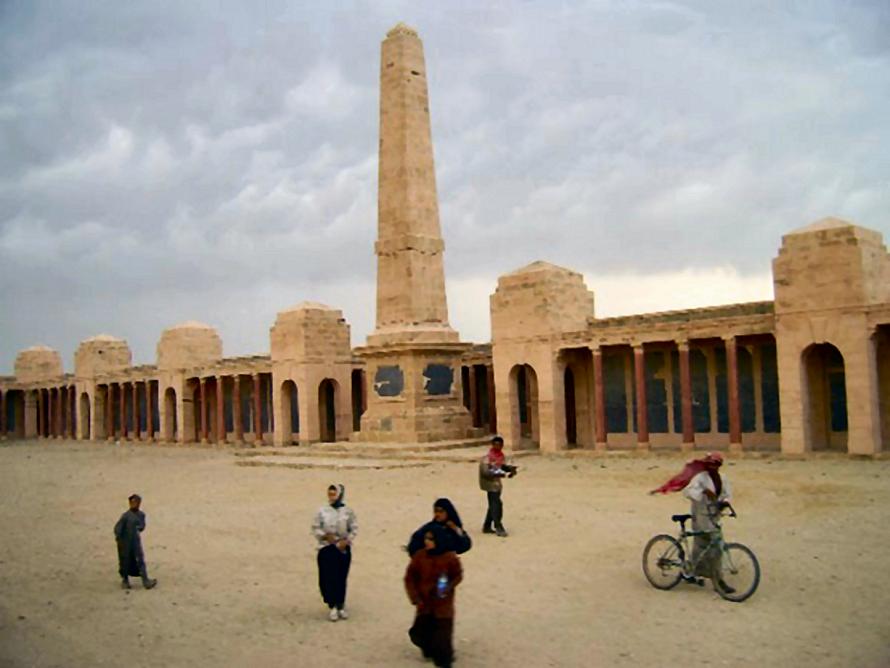
Basra sits in far southern Iraq, close to the Persian Gulf and threaded by the Shatt al-Arab waterway, where the Tigris and Euphrates meet before reaching the sea.
It is Iraq’s main port city, a place of riverfront promenades, old shanasheel houses with carved wooden balconies, date palms, seafood, and a long, complicated history shaped by trade, war, and oil.
On paper, Basra sounds like the kind of city that should be one of the Middle East’s great travel stories.
In some ways, it is.
The museum, the corniche, and the marshland excursions nearby can be genuinely fascinating.
But Basra is not a normal, easygoing city break.
The broader security picture in Iraq remains severe, and recent regional escalation has made conditions even more unpredictable.
So while Basra has interesting sights and some relatively calmer central areas, anyone considering a trip needs to judge it through a serious safety lens first.
Warnings & Dangers in Basra

OVERALL RISK: HIGH
Basra itself has central areas that can feel calmer than Iraq’s reputation suggests, but the city is still part of a country currently under very severe travel advisories. The U.S. says do not travel to Iraq for any reason, citing terrorism, kidnapping, armed conflict, and civil unrest, while the U.K. advises against all travel because of fast-moving regional escalation. That makes Basra a high-risk destination overall, even if your hotel street looks quiet.

TRANSPORT & TAXIS RISK: MEDIUM
Inside central Basra, taxis are common, and local guidance says they are widely available, with hotel cars and app-based options being the safer choice in the evening. The real issue is not that transport is nonexistent, but that standards vary, meters may not always be used, and security conditions can shift suddenly. For most visitors, random street transport is a bad gamble after dark.

PICKPOCKETS RISK: MEDIUM
Basra is not internationally known as a pickpocket capital, but crowded markets, transport points, and busy riverfront areas still create the usual petty-theft opportunities. Visitors often need to carry cash because card acceptance is limited outside hotels and modern restaurants, which raises the stakes if a wallet disappears. I would not rate pickpocketing as the city’s top danger, but I would not dismiss it either.

NATURAL DISASTERS RISK: MEDIUM
The biggest natural threats in and around Basra are not earthquakes or hurricanes. They are extreme heat, dust storms, poor air quality, water stress, and occasional flooding linked to intense weather and upstream water releases. Southern Iraq regularly deals with brutal summer heat, and severe dust storms have recently closed Basra airport and sent large numbers of people to hospitals with breathing problems.

MUGGING RISK: MEDIUM
Street robbery is not the headline risk foreigners usually hear about in Basra, but violent crime is still part of the broader Iraq security picture. The country advisories mention kidnapping and violent crime, and that alone should make you cautious about isolated streets, nighttime walking, and low-visibility areas outside central zones. In Basra, the safest approach is to avoid creating any chance for a confrontation at all.

TERRORISM RISK: HIGH
This is one of the clearest high-risk categories. The U.S. advisory explicitly warns of terrorist violence, militia threats, kidnapping, drone and indirect-fire attacks, and incidents affecting major cities. On top of that, early March 2026 brought new regional escalation, staff evacuations tied to Basra projects, and maritime attacks affecting Iraqi waters near Basra. Even if you are not personally targeted, the environment is volatile enough to disrupt normal travel fast.

SCAMS RISK: MEDIUM
The classic Basra tourist scam landscape is smaller than in places with mass tourism, but small overcharging and informal hustles are still realistic, especially with taxis, unofficial vendors, and anyone offering “help” without being asked. Local guidance already warns travelers to confirm fares if the meter is not running and to stick to official selling points for services like SIM cards. That tells me scam risk is real, just not the main problem.

WOMEN TRAVELERS RISK: MEDIUM
A woman can visit Basra, but this is not a carefree solo destination. Southern Iraq is conservative, and practical advice consistently points toward modest dress, avoiding nighttime wandering alone, and using a guide or trusted driver, especially on a first trip. The risk is less about one single rule and more about unwanted attention, cultural friction, and the broader security environment stacking on top of that.

TAP WATER RISK: HIGH
I would not drink tap water in Basra. Southern Iraq has been dealing with serious water stress, salinity, and pollution problems, and Basra has been specifically cited as suffering from rising salinity and pollution linked to water scarcity, along with water-related illnesses. Even locals often rely on filtered or purchased water when conditions deteriorate. Travelers should stick to sealed bottled water and avoid ice unless they trust the source.
Safest Places to Visit in Basra
If you do go to Basra, the places that make the most sense are the better-known central, public, and well-trafficked spots rather than isolated corners of the city.
The Basra Civilization Museum is one of the smartest choices because it is a defined cultural site with clear tourism value and a more controlled setting.
It sits on the Shatt al-Arab and gives visitors a strong introduction to Mesopotamian history without requiring you to navigate unpredictable side streets for hours.
The Basra Corniche and Shatt al-Arab riverfront are also among the city’s more comfortable visitor areas, especially in the early evening when there are families, lights, and regular activity.
This is the kind of place where Basra feels most like a city people actually live in rather than just a headline.
A short walk here or a carefully arranged boat ride can be one of the more enjoyable parts of the trip.
Local tourism guidance specifically describes the central corniche atmosphere as relatively safe and notes that central areas have patrols.
I also like the Old City Shanasheel area in principle, because it is visually distinctive and historically Basrawi.
The catch is that it should be explored in daylight and preferably with someone local who knows which streets are active and which ones are simply crumbling and empty.
Ashar Market and the Indian Market can be interesting during the day for atmosphere, food, and people-watching, but they are better treated as short, purposeful visits rather than places to drift around aimlessly.
Finally, the Mesopotamian Marshes are one of the most memorable excursions accessible from Basra, but they are best done as an organized day trip with a local guide and secure transport.
UNESCO and the U.N. both highlight the marshlands as an extraordinary ecological and cultural landscape, and they are one of the strongest reasons Basra still attracts adventurous travelers.
Places to Avoid in Basra
Basra’s danger map is less about one famous “bad neighborhood” that every tourist knows by name and more about certain categories of places and situations that smart travelers should avoid.
First on my list would be political gatherings, protests, and any crowd that forms suddenly, even if it looks peaceful at first.
Official Iraq travel advice warns that demonstrations and strikes can emerge without notice and turn violent, and recent protests in Basra show that public gatherings can still flare up quickly.
I would also avoid remote industrial zones, oil infrastructure areas, port approaches, and roads linked to sensitive facilities.
Basra is deeply tied to Iraq’s energy industry, which makes parts of the wider area strategically important and therefore more exposed during regional tension.
The news from March 2026 about staff evacuations from Basra projects and attacks affecting maritime traffic near Iraqi waters is exactly the kind of backdrop that should keep tourists away from anything connected to oil, shipping, or security sites.
Be extra cautious with deserted side streets in the Old City after dark, poorly lit riverbank stretches away from the main corniche, and outlying roads toward the marshes or rural palm-grove areas if you are traveling independently.
These are the kinds of places where you lose the natural safety that comes from visibility, traffic, and other people nearby.
Even local tourism guidance that presents Basra positively still says central areas are the safer bet and warns against political gatherings at night.
I would also treat checkpoints, military sites, police buildings, government compounds, and border-related routes as hard no-go areas for sightseeing.
They are not attractions, photography can create trouble, and in a city like Basra, the difference between a harmless detour and a very bad misunderstanding can be much smaller than tourists expect.
Safety Tips for Traveling to Basra
- Reconsider whether this trip is worth the current risk. Basra is not just “a bit edgy.” It sits inside a country under top-tier travel warnings from multiple governments, and March 2026 has brought fresh regional instability. Before you think about hotel bookings or museum stops, decide whether you are traveling for a compelling reason or just for novelty. In Basra, that difference matters.
- Use a trusted local fixer, guide, or host from day one. This is not the city to freestyle. A good local contact can tell you which roads are calm, where checkpoints are likely, when a district is having demonstrations, and which taxi driver is actually reliable. That kind of real-time judgment is worth far more here than any generic travel app.
- Stay only in a reputable central hotel with security. Your hotel should not just be “nice.” It should be known, staffed, and used to handling foreign guests. In Basra, a secure hotel in a central area gives you controlled transport, people who understand the local rhythm, and an easy retreat if the city mood changes suddenly.
- Do not walk around casually after dark. The corniche may feel lively in the evening, but Basra is still not a city where wandering without a plan is wise. Move with purpose, keep outings short, and return by taxi rather than stretching your luck just because one area seemed fine at 8 p.m.
- Drink only sealed bottled water and go easy on ice and raw food. Basra’s water issues are too well-documented to ignore. Use bottled water for drinking and even for brushing your teeth if you are sensitive. In the heat, dehydration can creep up fast, and stomach problems in a high-risk environment are the last thing you want.
- Prepare for extreme heat as if it were a safety issue, not a comfort issue. In Basra, heat can become a real health threat. Build your schedule around early mornings and late afternoons, wear loose clothing, carry oral rehydration salts, and never assume that “I’m used to hot weather” is enough when the city is pushing past brutal summer temperatures.
- Use hotel taxis or vetted drivers and agree on the fare first. Even local tourism guidance says to confirm prices if the meter is not running. That is your signal to avoid vague transport arrangements. Save your hotel address in Arabic, keep cash in small notes, and do not get into fare debates on the roadside.
- Avoid protests, processions, and emotionally charged crowds immediately. Do not pause to watch. Do not take photos. Do not assume it is harmless because families are present. In Iraq, gatherings can shift tone very quickly, and foreigners sticking around to “see what happens” are making a terrible bet.
- Dress modestly and keep your profile low. This matters for both men and women, though especially for women travelers. Basra is conservative, and modest clothing helps reduce friction and unwanted attention. It also signals that you are paying attention to where you are, which is half the game in places like this.
- Keep a layered backup plan. Have offline maps, a local SIM, photocopies of your passport, embassy details, your hotel’s business card, emergency cash, and a plan for how you would leave quickly if flights were disrupted. In Basra, good travel is less about spontaneity and more about staying one step ahead of problems.
So... How Safe Is Basra Really?
Basra is one of those cities where two truths exist at the same time.
On the ground, parts of it can feel surprisingly normal.
The museum is real, the riverfront is real, the seafood restaurants are real, and local tourism material is not wrong when it says central areas can feel relatively safe and that travelers do visit the corniche, markets, and marshes.
But zoom out, and the bigger truth takes over.
Basra is still in Iraq, and Iraq is currently under extremely severe travel warnings from the U.S., U.K., Canada, and Australia because of terrorism, armed conflict, kidnapping, violent crime, and rapidly changing regional tensions.
The U.S. advisory explicitly warns of attacks in major cities, and recent events this month have included heightened regional conflict, staff evacuations connected to Basra projects, and attacks affecting shipping near Basra’s waters.
So my honest read is this: Basra is not a safe mainstream destination right now.
It may be manageable for highly prepared, well-connected, risk-tolerant travelers with local support and a strong reason to go.
But for ordinary tourists, especially first-time visitors to Iraq, the downside is simply too high.
The city itself has things worth seeing, yet the security envelope around it is unstable enough that I cannot call it a genuinely safe trip in any normal sense.
How Does Basra Compare?
| City | Safety Index |
|---|---|
 Basra Basra |
51 |
| Sulaymaniyah |
68 |
| Najaf |
49 |
| Baghdad |
25 |
| Kirkuk |
47 |
 Pembroke Pembroke | 73 |
| Hammonton | 75 |
| San Mateo | 84 |
| Dayton | 40 |
| Pooler | 86 |
| Bolingbrook | 92 |
Useful Information

Visas
Iraq operates an official e-Visa portal, and the Foreign Ministry states that a tourist visa generally allows one entry within three months from issuance and a stay of up to one month. Some embassies also publish separate fees for certain nationalities, so the exact cost can vary by passport. Check the official Iraq e-Visa or embassy channel before booking anything.

Currency
Basra uses the Iraqi dinar, or IQD. In practice, cash is still king for taxis, markets, and many everyday purchases, while cards are mostly limited to some hotels and modern restaurants. Bring clean U.S. dollars or withdraw dinars locally, then keep plenty of small notes on you for fares, snacks, and quick purchases.

Weather
Basra is extremely hot for much of the year. Average temperatures can climb into the mid to upper 110s Fahrenheit in summer, and the city also deals with dust storms and dry conditions. Spring and autumn are far easier on the body. Pack light, breathable clothing, sun protection, and something to cover your face when dust and sand kick up.

Airports
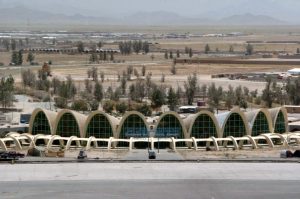
The main gateway is Basra International Airport, BSR, which serves southern Iraq. From there, travelers typically continue into the city by taxi or prearranged transfer, and the ride is usually around 25 to 45 minutes, depending on traffic and route. Given the security environment, I would arrange pickup through your hotel or a trusted operator instead of improvising on arrival.

Travel Insurance
Do not even think about going without travel insurance, but read the fine print carefully. Many standard policies exclude travel to destinations under government “do not travel” or “avoid all travel” advisories, which can leave you uncovered when you need help most. In a place like Basra, you want medical, evacuation, and security-related coverage that explicitly applies to Iraq.
Basra Weather Averages (Temperatures)
Average High/Low Temperature
| Temperature / Month | Jan | Feb | Mar | Apr | May | Jun | Jul | Aug | Sep | Oct | Nov | Dec |
|---|---|---|---|---|---|---|---|---|---|---|---|---|
| High °C |
17 | 20 | 25 | 32 | 39 | 43 | 45 | 45 | 42 | 36 | 27 | 20 |
| Low °C |
8 | 10 | 14 | 19 | 24 | 27 | 29 | 29 | 26 | 21 | 15 | 10 |
| High °F |
63 | 68 | 77 | 90 | 102 | 109 | 113 | 113 | 108 | 97 | 81 | 68 |
| Low °F |
46 | 50 | 57 | 66 | 75 | 81 | 84 | 84 | 79 | 70 | 59 | 50 |
Iraq - Safety by City
| City | Safety Index |
|---|---|
| Baghdad | 25 |
| Basra | 51 |
| Kirkuk | 47 |
| Najaf | 49 |
| Sulaymaniyah | 68 |












Affordable!
It would help if you have a friend who is a local or familiar with the place to tour you around, I was lucky enough to have a familiar face tour me around, we just made use of a taxi though. I would say we were easily able to get around there and the prices were affordable. I do agree with the tip on discussing the price of the trip especially for longer rides. I think I would have a harder time had my friend not been there to assist me in the tour.
Couldn’t help grinning at the carved wooden balconies and the corniche at dusk, the smell of grilling fish and river mud somehow comforting even as I felt a small knot of nerves when we passed the checkpoints.
Did you find the corniche at dusk smelled of grilled fish and dates and kind of felt cozy even with the checkpoints making me laugh nervously?
I once wandered along the corniche at sunset and the mix of calm water and city buzz stuck with me, but you definitely feel the tension lurking just beneath the surface.
Tried the corniche walk there and the river views are really something, but you gotta stay alert with all the security stuff going on.
I was really caught off guard by how quiet the riverfront felt compared to all the history packed into those old wooden balconies.
There’s something about walking along the corniche at sunset that stays with you, even when the city feels tense around you.
I once walked along the corniche at sunset and the mix of salty air and date palms was oddly comforting despite everything going on around.