


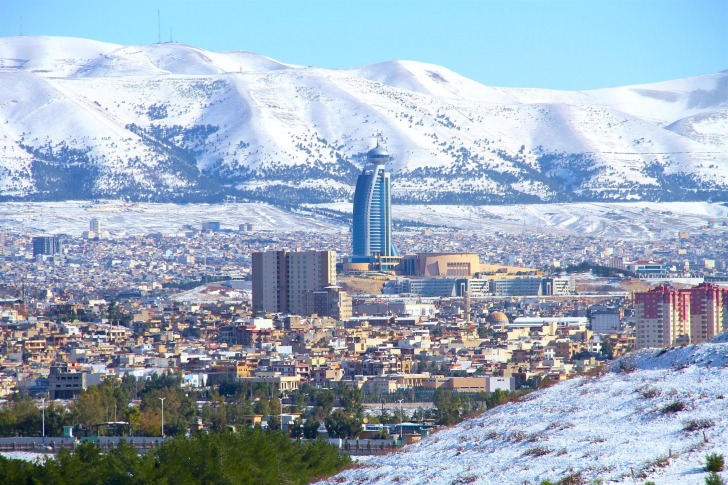
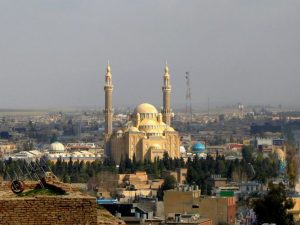
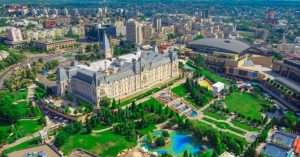
Sulaymaniyah, often called Slemani, sits in the northeastern corner of Iraq within the autonomous Kurdistan Region.
Framed by mountain ranges near the border with Iran, it is known for its intellectual vibe, modern cafes, and a strong sense of Kurdish identity.
Unlike the images many people associate with Iraq, Sulaymaniyah feels surprisingly relaxed, with leafy parks, bustling bazaars, and a growing arts scene.
With a population of roughly 800,000 in the metropolitan area, it is one of the region’s major cultural centers.
Travelers often visit for its cool mountain air, scenic lakes, and historical sites tied to Kurdish heritage.
But safety is the question that always comes up.
After digging into reports, traveler experiences, and local conditions, here is my honest, data-informed take.
Warnings & Dangers in Sulaymaniyah

OVERALL RISK: MEDIUM
Compared to much of federal Iraq, Sulaymaniyah is considered one of the safest cities in the country. The Kurdistan Regional Government maintains tight security. Violent crime against foreigners is rare. However, Iraq as a whole remains politically sensitive, so regional instability can affect perception and travel advisories.

TRANSPORT & TAXIS RISK: LOW
Taxis are plentiful and inexpensive. Most drivers are straightforward, and crime targeting tourists in taxis is uncommon. Roads are generally in decent condition within the city, though traffic accidents do occur. Public transportation options are limited, so taxis are the primary mode of transport for visitors.

PICKPOCKETS RISK: LOW
Petty theft exists but is not widespread. In busy markets and crowded events, standard precautions apply. Compared to many major European capitals, reports of pickpocketing are relatively low. Still, keeping valuables secure is wise, especially in bazaars.

NATURAL DISASTERS RISK: LOW
Sulaymaniyah sits in a seismically active region, and minor earthquakes occasionally occur. Severe quakes are rare but possible. Summers are hot and dry, while winters can bring snow to higher elevations. Flooding is not a major concern in the city itself.

MUGGING RISK: LOW
Street muggings are uncommon, particularly in central districts. The visible security presence and relatively low street crime rate contribute to a generally safe urban environment. Walking at night in well-lit areas is usually considered safe, though caution is always advised.

TERRORISM RISK: MEDIUM
While the Kurdistan Region has been more stable than other parts of Iraq, the broader country has faced extremist threats in recent years. Sulaymaniyah has not been a frequent target, but regional tensions and proximity to disputed territories mean the risk cannot be labeled as low.

SCAMS RISK: LOW
Tourist scams are minimal compared to heavily touristed destinations. Overcharging in taxis or markets can happen, but aggressive scams targeting foreigners are rare. Most locals are hospitable and helpful.

WOMEN TRAVELERS RISK: MEDIUM
Sulaymaniyah is more socially liberal than many parts of Iraq. Women travelers generally report feeling safe, especially during the day. Modest dress is recommended out of respect for local norms. Solo female travelers should take standard precautions, particularly at night.

TAP WATER RISK: MEDIUM
Tap water is not reliably safe for drinking. Most locals use bottled or filtered water. Visitors should avoid drinking directly from the tap and use bottled water for brushing teeth to minimize gastrointestinal issues.
Safest Places to Visit in Sulaymaniyah
One of the safest and most pleasant areas is the city center around Salim Street and the historic bazaar.
This is where you will find shops, cafes, and families strolling in the evening.
The atmosphere feels lively yet calm, with a noticeable police presence.
Azadi Park is another safe and welcoming space.
It is popular with families and students, especially in the late afternoon.
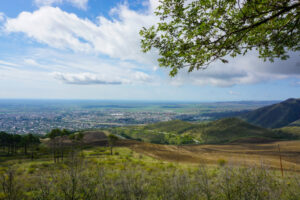
The park provides a relaxing place to walk and enjoy views of the surrounding mountains.
For history lovers, the Amna Suraka Museum, once a Baathist prison, now serves as a museum documenting Kurdish history.
It is well secured and professionally maintained.
Visitors often describe it as moving and informative.
A short drive outside the city brings you to Dukan Lake.
This scenic reservoir is a favorite weekend escape for locals.
Resorts and picnic areas dot the shoreline, and it is generally considered safe during daylight hours.
The surrounding mountain areas, such as those near Goizha Mountain, offer panoramic views and hiking opportunities.
As with any outdoor destination, go with a guide or a local if you are unfamiliar with the terrain.
Places to Avoid in Sulaymaniyah
While Sulaymaniyah is comparatively safe, caution is advised near political gathering points during protests.
Demonstrations occasionally occur, particularly around government buildings.
Even peaceful protests can escalate quickly.
Border regions near Iran can be sensitive due to geopolitical tensions.
Military activity and cross-border incidents have occurred in remote areas.
Tourists have no real reason to approach these zones, and it is best to avoid them entirely.
Poorly lit outskirts late at night are not ideal for solo exploration.
Although violent crime rates are low, limited lighting and fewer people around can increase vulnerability.
Travelers should also avoid traveling by road to disputed territories outside the Kurdistan Region without up-to-date information.
Security conditions can shift quickly in certain rural corridors.
Safety Tips for Traveling to Sulaymaniyah
- Monitor regional news, not just city headlines. Sulaymaniyah itself is often calm, but it exists within the broader context of Iraq and the Kurdistan Region. Pay attention to regional developments, especially news involving border tensions or political disputes. Conditions can shift quickly in nearby provinces even if the city remains stable. Set up alerts from your government’s travel advisory service and check them regularly during your stay.
- Respect checkpoints and carry identification at all times. Security checkpoints are common throughout the Kurdistan Region. They are routine and usually quick, but you should always carry your passport and visa documents. Keep digital copies stored securely in case of loss. Remain patient, polite, and cooperative. Photography near checkpoints or military buildings is strongly discouraged.
- Blend in with local dress and behavior. Sulaymaniyah is relatively progressive, but modest clothing still helps you avoid unwanted attention. Lightweight long pants, covered shoulders, and conservative outfits are ideal for both men and women. Avoid loud or confrontational behavior in public. Being respectful of cultural norms significantly lowers your risk profile.
- Use hotels as safety anchors. Choose reputable hotels in central neighborhoods. Good hotels can arrange trusted drivers, recommend safe areas, and provide updates about local conditions. Before heading out each day, ask the front desk if there are any areas you should avoid. Staff often have real-time insight that travelers do not.
- Avoid border areas and remote mountain zones without guidance. The mountains around Sulaymaniyah are stunning, but some border regions near Iran can be sensitive due to military activity. Stick to well-known tourist areas such as Dukan Lake or designated viewpoints. If you want to hike, go with a local guide who understands which areas are safe and which are restricted.
- Plan your movements at night. The city center is generally safe in the evening, especially around busy streets and parks. However, outer districts may be poorly lit. Arrange transport in advance if you plan to stay out late. Avoid wandering into unfamiliar residential areas after dark. A simple plan for getting back to your hotel reduces unnecessary risk.
- Manage your money smartly. Sulaymaniyah operates largely on cash. Withdraw or exchange money at reputable exchange offices or banks. Do not display large amounts of cash in public. Keep small bills accessible for taxis and purchases, and store the rest in a money belt or secure pocket. ATM availability exists but can be inconsistent.
- Be cautious with water and food hygiene. Do not drink tap water. Use bottled water for drinking and brushing your teeth. Choose restaurants that appear busy and clean, as high turnover generally means fresher food. In hot summer months, food spoilage can occur quickly, so avoid street food that has been sitting out in high heat.
- Stay connected with reliable communication tools. Purchase a local SIM card upon arrival at Sulaymaniyah International Airport. Reliable mobile data allows you to check maps, call taxis, and receive security updates. Share your itinerary with a trusted person back home and check in regularly. In unfamiliar environments, communication is one of your strongest safety tools.
- Prepare for emergencies before you need them. Know the location of the nearest hospital and your country’s consular contact in the Kurdistan Region. Keep emergency numbers saved in your phone. Travel insurance with medical evacuation coverage is essential, as serious cases may require transport outside Iraq. Having a plan in place provides peace of mind and allows you to respond quickly if something unexpected happens.
So... How Safe Is Sulaymaniyah Really?
In my opinion, Sulaymaniyah is one of the safest urban areas in Iraq.
The Kurdistan Region has maintained relative stability since the early 2000s, with its own security forces and checkpoints.
Crime rates for violent offenses are significantly lower than in many large Western cities.
However, the broader geopolitical context matters.
Iraq has experienced periods of insurgency and political unrest, and while Sulaymaniyah has largely avoided the worst of it, the risk environment is shaped by regional dynamics.
For travelers who stay within city limits, avoid border zones, and follow basic precautions, the risk level is manageable.
This is not a zero-risk destination, but it is far from the conflict image many imagine.
Prepared, informed travelers often find it welcoming, culturally rich, and safer than expected.
How Does Sulaymaniyah Compare?
| City | Safety Index |
|---|---|
 Sulaymaniyah Sulaymaniyah |
68 |
| Najaf |
49 |
| Baghdad |
25 |
| Basra |
51 |
| Kirkuk |
47 |
 Boulder City Boulder City | 74 |
| Montrose | 88 |
| Muskegon | 72 |
| Fargo | 65 |
 Tuzla Tuzla | 84 |
| Bolingbrook | 92 |
Useful Information

Visas
Many nationalities can obtain a visa on arrival for the Kurdistan Region at airports, often valid for 30 days. Fees typically range from 70 to 80 USD. Always confirm requirements before departure, as rules can vary by nationality.

Currency
The local currency is the Iraqi dinar. US dollars are widely accepted in hotels and larger businesses. Exchange money at reputable exchange offices rather than informal street vendors. Credit card acceptance is limited.

Weather
Summers are very hot, with temperatures often exceeding 40 C in July and August. Winters are cooler, averaging 5 to 15 C, with occasional snow in nearby mountains. Pack light breathable clothes for summer and warm layers for winter.

Airports
Sulaymaniyah International Airport is about 15 kilometers from the city center. Taxis are the main transport option and usually take 20 to 30 minutes, depending on traffic.

Travel Insurance
Travel insurance is strongly recommended. Policies should include medical coverage, emergency evacuation, and trip interruption. Healthcare facilities in Sulaymaniyah are decent, but serious cases may require evacuation abroad.
Sulaymaniyah Weather Averages (Temperatures)
Average High/Low Temperature
| Temperature / Month | Jan | Feb | Mar | Apr | May | Jun | Jul | Aug | Sep | Oct | Nov | Dec |
|---|---|---|---|---|---|---|---|---|---|---|---|---|
| High °C |
9 | 11 | 16 | 22 | 29 | 35 | 41 | 40 | 36 | 28 | 19 | 12 |
| Low °C |
-1 | 1 | 5 | 9 | 14 | 19 | 23 | 22 | 18 | 12 | 6 | 2 |
| High °F |
48 | 52 | 61 | 72 | 84 | 95 | 106 | 104 | 97 | 82 | 66 | 54 |
| Low °F |
30 | 34 | 41 | 48 | 57 | 66 | 73 | 72 | 64 | 54 | 43 | 36 |
Iraq - Safety by City
| City | Safety Index |
|---|---|
| Baghdad | 25 |
| Basra | 51 |
| Kirkuk | 47 |
| Najaf | 49 |
| Sulaymaniyah | 68 |












This Iraq Thing Is So Much Nice And Safe
Trip to kirdistan
Best place ever
Love this place.
Safe, hospitality, many good restaurants and hotels.
The most of the people are open minded.
Christians and Moslims living together.
I swung by Sulaymaniyah last spring and was honestly surprised by how chill the vibe was, especially chilling at a little cafe where the mountain breeze just made everything feel a bit more laid back.
Did you find any spots in Sulaymaniyah where you could just chill and soak in that mountain breeze without feeling rushed?
Didn’t expect the mountain air there to feel so fresh, makes all the busy bazaars way more chill than I thought.
Didn’t expect the bazaars there to be so lively, definitely felt like the city has its own chill beat going on.