


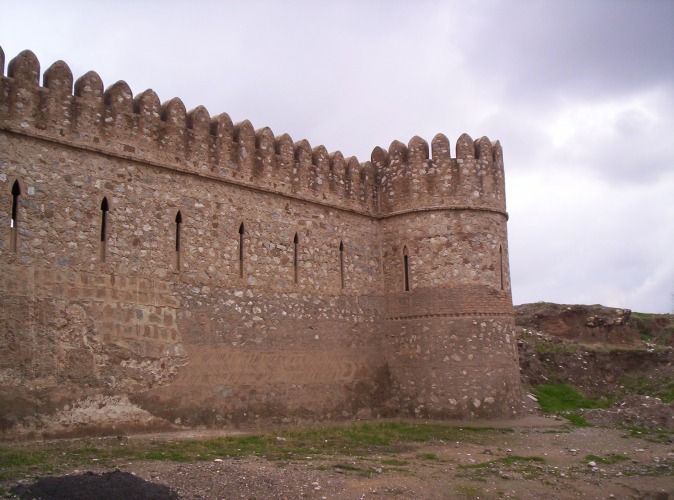
Kirkuk sits in northern Iraq, about midway between Baghdad and Erbil, and has long been one of the country’s most strategically important cities.
It is known for its oil fields, layered identity, and history that stretches back through Assyrian, Ottoman, Kurdish, Arab, and Turkmen chapters.
On paper, that makes it sound fascinating for travelers who love places with deep historical roots.
In reality, Kirkuk is not a casual tourism destination.
It is a city where politics, security, and daily life are closely tied together, and that changes the way you have to think about travel here.
I always tell readers that Kirkuk is interesting, yes, but it is not a place to approach with the same carefree mindset you would bring to a weekend in Amman, Istanbul, or even Erbil.
Planning, caution, and realism matter here far more than bucket-list excitement.
Warnings & Dangers in Kirkuk

OVERALL RISK: HIGH
Kirkuk carries a high overall travel risk for foreign visitors. The main problem is not ordinary tourism inconvenience but the wider security environment, including the possibility of violence, checkpoints, unrest, and sudden disruptions. Even travelers with regional experience need to approach Kirkuk as a place requiring serious planning, strong local contacts, and up-to-date security awareness.

TRANSPORT & TAXIS RISK: MEDIUM
Transport in Kirkuk is workable, but it is not especially tourist-friendly. Taxis are common, yet the bigger concern is not the taxi itself but moving safely through the city and surrounding roads. Routes can change, checkpoints may slow travel, and unfamiliar visitors can attract attention. Prearranged rides with a trusted local contact are far safer than improvising on arrival.

PICKPOCKETS RISK: MEDIUM
Pickpocketing is not the first safety issue most travelers think about in Kirkuk, but that does not mean it should be ignored. Busy markets, transport hubs, and crowded commercial areas can still create opportunities for petty theft. The difference here is that petty crime is overshadowed by broader security concerns, so travelers sometimes forget basic street smarts. Keep valuables hidden and carry very little.

NATURAL DISASTERS RISK: LOW
Kirkuk is not known for major natural disasters in the way that some destinations are known for hurricanes, earthquakes, or flooding seasons. The more realistic environmental concerns are extreme summer heat, dust, dehydration, and poor air quality during dry periods. Those hazards may sound less dramatic, but they can still ruin a trip quickly if you are not prepared.

MUGGING RISK: MEDIUM
Mugging is not usually the top risk highlighted for Kirkuk, but personal robbery can happen, especially if someone appears lost, isolated, or visibly foreign in the wrong place at the wrong time. The safest approach is to avoid walking alone after dark, avoid showing phones or cash openly, and reduce the chances of being singled out in the first place.

TERRORISM RISK: HIGH
This is the category that pushes Kirkuk firmly into high-risk territory. The broader security situation in Iraq means attacks, militant activity, and politically motivated violence remain possible, including in areas beyond the obvious flashpoints. In Kirkuk, that risk deserves to be taken seriously by any traveler. It is not background noise. It is one of the central facts of travel planning here.

SCAMS RISK: MEDIUM
Classic tourist scams are less likely to define your experience in Kirkuk than in heavily touristed cities, but small overcharging, transport price inflation, and opportunistic hustling can still happen. Because foreigners are less common, you may be treated as someone unfamiliar with local prices and routines. Agree on fares in advance, use trusted intermediaries, and stay skeptical of random offers of help.

WOMEN TRAVELERS RISK: HIGH
Women can travel in Iraq, but Kirkuk is not the kind of place where solo female travelers should expect easy, anonymous movement. Conservative dress, local cultural awareness, and staying with trusted hosts or guides matter a great deal. A woman traveling alone may attract attention more quickly, and the wider security environment makes that attention more complicated than merely uncomfortable.

TAP WATER RISK: MEDIUM
Tap water quality can be inconsistent, and even where locals use it for daily life, visitors should be cautious. Water treatment and distribution do not always guarantee the kind of reliability most tourists want. I would not recommend drinking unfiltered tap water in Kirkuk. Stick to sealed bottled water and use it for brushing your teeth if you have a sensitive stomach.
Safest Places to Visit in Kirkuk
Kirkuk Citadel Area
If you are going to visit Kirkuk for its history, the Citadel is the obvious starting point.
It is the symbolic heart of the city and one of the places that gives Kirkuk its identity.
This area makes the most sense for travelers because it is central, well-known, and easier to explain to a local driver.
It is still not a place to wander carelessly, but it is one of the more understandable areas for a short, focused visit.
Qishla and Heritage-Focused Stops
For travelers interested in architecture and local history, the Qishla area and nearby heritage sites offer a more structured reason to be in the city.
These stops make more sense than random exploration because they give your outing a clear purpose and usually keep you in more established parts of town.
I would strongly favor targeted sightseeing over spontaneous neighborhood drifting.
Family Parks and Public Spaces in Daylight
Some public parks and family-oriented gathering spots are calmer during daylight hours, especially when local families are out.
These are better choices than empty side streets or isolated urban stretches because they offer visibility and normal social activity.
That said, even these spaces should be visited conservatively, in daylight, and ideally with someone local who understands current conditions.
Well-Known Commercial Streets
If you need food, supplies, or a quick look at local life, stick to active commercial areas with steady daytime foot traffic.
Busy streets are not automatically safe, but they are generally better than deserted blocks where you stand out immediately.
I would keep the visit short, avoid evening hours, and use a driver who knows exactly where you are going and when you are returning.
Places to Avoid in Kirkuk
Outlying Areas and Rural Roads
The biggest mistake travelers can make is treating the areas around Kirkuk like harmless side-trip territory.
Roads leading out of the city, quieter approaches, and less monitored stretches can carry a much higher security risk than the city center itself.
If you do not have a compelling reason and trusted local guidance, do not head into peripheral zones just because they look nearby on a map.
Poorly Lit Streets After Dark
Nighttime changes the equation in Kirkuk.
Streets that feel manageable in the afternoon can become tense, quiet, and harder to navigate after sunset.
For visitors, this is not the city for evening wandering, late café-hopping, or casual exploration.
Limit movement after dark as much as possible and avoid walking anywhere that is not clearly active and familiar.
Politically Sensitive or Security-Heavy Areas
Places near government buildings, security compounds, protests, and politically charged gathering points are best avoided entirely.
Even if nothing is happening when you arrive, the situation can shift quickly.
Foreigners have very little margin for error in these environments.
If you see armed presence, barriers, or unusual activity, treat that as a sign to leave, not as something interesting to observe.
Unfamiliar Residential Neighborhoods
Residential districts may seem calm, but for a visitor, they can be the hardest areas to read correctly.
You may stand out immediately, and there is usually little reason for a traveler to be there unless visiting someone specific.
Kirkuk is not a city where getting pleasantly lost is part of the charm.
Unplanned detours into unfamiliar neighborhoods are a bad idea.
Safety Tips for Traveling to Kirkuk
- Do not treat Kirkuk like a normal leisure destination. This is the most important mindset shift. If you arrive expecting a typical city break, your judgment will be off from the start. Kirkuk requires a security-first approach, which means every movement, booking, and day plan should be intentional.
- Have a trusted local contact before you go. A real local connection is far more valuable here than a generic travel app or a hotel front desk clerk. You want someone who can tell you which areas are calm, which roads to avoid, and whether your plans still make sense that day.
- Keep your schedule flexible. In a place like Kirkuk, conditions can change suddenly. A road that was fine yesterday may not be a good idea today. Build room into your itinerary so you can cancel, reroute, or stay put without creating a bigger problem.
- Use prearranged transport whenever possible. Avoid making transportation decisions on the fly. A trusted driver or locally recommended taxi is much better than flagging down random rides. It also reduces the amount of time you spend standing around looking uncertain.
- Limit movement after dark. Daylight is your friend in Kirkuk. Once the sun goes down, unfamiliar streets become harder to read and more stressful to navigate. Finish your sightseeing early and be back at your accommodation before evening, whenever possible.
- Dress conservatively and keep a low profile. Blending in is not about pretending to be local. It is about avoiding unnecessary attention. Wear modest, practical clothing, skip flashy accessories, and avoid broadcasting wealth with phones, watches, or cameras.
- Carry only the essentials. Bring the cash you need for the day, one copy of important documents, and as little visible gear as possible. The less you carry, the less you worry about, and the less attractive you look to opportunists.
- Drink bottled water and practice good food hygiene. Even if a restaurant looks fine, you still need to be selective. Drink sealed bottled water, avoid ice unless you trust the source, and choose busy places where food turnover is high. Stomach trouble is an easy way to turn a hard destination into a miserable one.
- Do not photograph sensitive places. Avoid taking photos of checkpoints, military personnel, police, government buildings, oil infrastructure, or anything that looks security-related. What seems like harmless travel photography to you may be interpreted very differently on the ground.
- Listen to local advice over your own assumptions. A map can tell you distance, but it cannot tell you atmosphere, tension, or what changed this morning. If a trusted local tells you not to go somewhere, do not debate it. In Kirkuk, local judgment often matters more than any itinerary.
So... How Safe Is Kirkuk Really?
Kirkuk is a high-risk destination for travelers, and I do not think there is an honest way to soften that.
The city’s main safety challenge is not that it is full of classic tourist crime.
It is that the broader security environment in Iraq, including the possibility of militant violence, kidnapping, unrest, and sudden disruptions, remains a serious factor.
That alone puts Kirkuk in a very different category from mainstream destinations in the region.
At the same time, high risk does not mean every street is chaotic every hour of the day.
People live, work, shop, and move around Kirkuk normally.
Local life continues.
That is exactly why some outsiders can misread the city and assume it is fine for casual travel.
It is better understood as a place where daily life exists alongside risks that can escalate quickly and affect visitors more severely than locals.
My honest take is this: Kirkuk is not a good choice for inexperienced travelers, solo travelers looking for easy exploration, or anyone hoping to improvise.
It may be manageable for people with strong local support, a clear purpose, and a high tolerance for complexity.
But for the average tourist, there are safer places in Iraq and much safer places in the wider region.
Fascinating city, yes.
Easy destination, absolutely not.
How Does Kirkuk Compare?
| City | Safety Index |
|---|---|
 Kirkuk Kirkuk |
47 |
| Sulaymaniyah |
68 |
| Baghdad |
25 |
| Basra |
51 |
| Najaf |
49 |
 Port of Spain Port of Spain | 50 |
 Darby Darby | 84 |
 Jaipur Jaipur | 53 |
| Greenwood | 84 |
| Andover | 93 |
| Terrytown | 57 |
Useful Information

Visas
Many travelers now use Iraq’s e-visa system rather than going through a traditional embassy process. Requirements, eligible nationalities, fees, and length of stay can vary, so check the current rules before booking anything. Your passport should be valid well beyond your entry date, and you should carry printed confirmations in case airport systems are slow.

Currency
The local currency is the Iraqi dinar. In practice, cash is still very important for day-to-day spending, especially outside the most polished business settings. Bring clean banknotes and exchange money through reputable exchange offices or banks when possible. Do not assume cards will work everywhere, and always keep smaller bills for taxis and everyday purchases.

Weather
Kirkuk gets extremely hot in summer, with intense sun and dry air that can wear you down fast. Winters are much cooler and generally more comfortable for sightseeing, though nights can feel chilly. Pack lightweight, modest clothing for heat, plus a layer for evenings and cooler months. Sunglasses, sunscreen, and hydration gear are essentials.

Airports
Kirkuk has its own airport, which is the most direct option if flights line up with your plans. Some travelers may also route through larger airports such as Erbil or Baghdad, then continue onward by road, though overland travel requires extra caution. If arriving at Kirkuk Airport, arrange your onward transport in advance rather than relying on an improvised pickup.

Travel Insurance
Travel insurance is a must for Kirkuk, but not every policy will cover high-risk destinations or security-related disruptions. Read the wording carefully before you buy. You want coverage for medical care, cancellations, emergency evacuation, and unexpected changes to your itinerary. In a place like this, basic insurance is not enough. You need coverage that actually fits the destination.
Kirkuk Weather Averages (Temperatures)
Average High/Low Temperature
| Temperature / Month | Jan | Feb | Mar | Apr | May | Jun | Jul | Aug | Sep | Oct | Nov | Dec |
|---|---|---|---|---|---|---|---|---|---|---|---|---|
| High °C |
14 | 16 | 20 | 26 | 33 | 39 | 44 | 43 | 39 | 32 | 23 | 16 |
| Low °C |
4 | 6 | 9 | 14 | 19 | 24 | 28 | 27 | 23 | 17 | 11 | 6 |
| High °F |
57 | 61 | 68 | 79 | 91 | 102 | 111 | 109 | 102 | 90 | 73 | 61 |
| Low °F |
39 | 43 | 48 | 57 | 66 | 75 | 82 | 81 | 73 | 63 | 52 | 43 |
Iraq - Safety by City
| City | Safety Index |
|---|---|
| Baghdad | 25 |
| Basra | 51 |
| Kirkuk | 47 |
| Najaf | 49 |
| Sulaymaniyah | 68 |




Kirkuk Is Safe!
this is completely false, Kirkuk itself is a safe city with barely any danger. There has not been a terror attack since 2006. Almost every major city in iraqi kurdistan is safe. I definitely recommened visiting Kirkuk, they have beautiful culture, tradition and food.
When did you travel last
So, let me get this straight: a city riddled with violence is still a hotspot because of a flame that’s been burning for 4,000 years? Sounds like a real vacation paradise.
What was it like visiting the Eternal Flame; did it feel surreal being at a place that’s been around for so long, especially given everything happening in the city?
Seeing the Eternal Flame that’s been burning for more than 4000 years made me weirdly cheerful, and clambering up the citadel’s 40 m mound felt like a tiny win.
Spent an afternoon wandering around and gotta say, the mix of ancient vibes and the constant buzz of daily life makes Kirkuk feel like a city that’s really holding its breath.