


 Austria : Safety by City
- Bregenz
- Eisenstadt
- Graz
- Hallstatt
- Innsbruck
- Klagenfurt
- Linz
- Saint Pölten
- Salzburg
- Vienna
- Zell am See
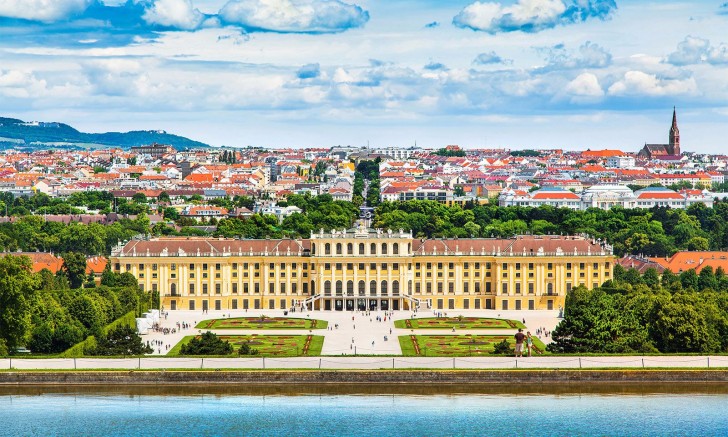
Vienna, Austria’s capital, is a culturally rich city renowned as the “City of Music,” home to imperial Habsburg history, grand palaces (Schönbrunn, Hofburg), iconic coffee houses, and famous composers like Mozart and Beethoven, offering a unique blend of imperial grandeur, vibrant arts, delicious cuisine (like Wiener Schnitzel), and high quality of life with abundant green spaces.
Over half the city consists of parks and green areas, including the Vienna Woods and Prater, with vineyards within city limits.
It’s a global music hub, attracting composers and hosting world-class opera and classical music, with cultural institutions like the Vienna State Opera.
For those who enjoy experiencing great architecture, a former imperial capital, Vienna, boasts stunning Baroque architecture, palaces, and historic city centers.
So, how safe is it to visit this city and experience all it has to offer?
Let’s take a look.
Warnings & Dangers in Vienna

OVERALL RISK: LOW
Vienna is one of the safest destinations in the world. While there are the "normal" dangers that come with being in a densely-populated area, using common sense and taking normal precautions are all that is necessary to keep your visit safe.

TRANSPORT & TAXIS RISK: LOW
Five subway lines, 29 tram lines, and 135 bus routes serve the city, with over 9,500 employees. Safety is a priority. The city offers a well-regulated taxi service and both buses and subways. These are all reliable forms of transportation and are considered safe. Every cab must allow cashless payment and the obligation to provide transportation and assistance with loading and unloading luggage. In addition, QR codes must be clearly visible from every seat in a Vienna cab. These allow passengers to give direct feedback about their ride or check that they are traveling in a licensed Vienna taxi. You can recognize one when you get in by the taxi roof sign and by the Vienna number plate, which ends with “TX” or “ATX”, “BTX”, “CTX”, or “DTX”. In addition, a fare can be agreed upon if plans are made in advance.

PICKPOCKETS RISK: MEDIUM
As with all places where there are large gatherings of people, the risk of pickpockets is present. Using some diligence, you can avoid being a victim. Stay aware of your surroundings during large events, at the transportation hubs, and anywhere else that crowds gather.

NATURAL DISASTERS RISK: MEDIUM
Vienna's primary natural disaster risk involves severe flooding from the Danube and Wien rivers, mitigated by extensive flood defenses like the New Danube and Danube Island. The Vienna Basin is seismically active, with a medium risk (10% chance of damaging shaking in 50 years) along fault lines, requiring consideration in construction.

MUGGING RISK: LOW
Vienna has a low incidence of violent crimes. You are more likely to be a victim of a theft from leaving your items unattended than you are a mugging. That does not mean it isn't possible. Don't take chances by wearing flashy jewelry, showing large amounts of money, or carrying expensive phones and cameras.

TERRORISM RISK: HIGH
Vienna does face a risk of terrorism. The main threat comes from Islamic extremists. For this reason, you can expect to see heightened police presence and security at large gatherings and key sites. Heed instructions from local authorities and be prepared for potential disruptions or increased security measures.

SCAMS RISK: MEDIUM
The greatest risk comes from people who try to convince you they are legitimate taxi services. Some restaurants and bars will try to sneak in extra charges. A final threat is the offer to sell you event tickets when there is either no event or the tickets are not legal. Watch any bills you get when out, and don't buy from dealers of anything that seems to be shady. Some people frequently ask for money because they have a "great need" or because their family is in danger.

WOMEN TRAVELERS RISK: LOW
Vienna is considered one of the safest places in the world for women to travel alone. In addition to many solo-friendly activities, the public transportation subway runs 24/7 on weekends. The streets are well-lit, making it safe to walk at nearly any time of the day.

TAP WATER RISK: LOW
Tap water is of high quality, potable, and comes from mountain springs, with strict monitoring. Some older buildings may still have lead pipes, but by running the water for a few minutes before using it, you should avoid any trouble.
Safest Places to Visit in Vienna
Innere Stadt (1st District) & City Center):
Mostly pedestrianized and very safe for walking, though watch for pickpockets in large crowds.
Schönbrunn Palace Area (13th District):
Beautiful, clean, and reported as very safe by residents and visitors.
Leopoldstadt (2nd District) (Prater Area):
Generally safe, but some find it feels slightly less appealing at night.
Mariahilf (6th) & Neubau (7th Districts):
Trendy, hip areas near Mariahilfer strasse considered safe and vibrant.
Places to Avoid in Vienna
Vienna is generally considered to be a safe place, but there are a couple of places that need caution.
Schwedenplatz & Karlsplatz:
These are central but can be noisy and attract rougher crowds due to nightlife and traffic; they’re more about noise/liveliness than danger.
Ottakring (near U-Bahn & Gürtel):
While diverse, this area can become rowdy with fights or drunkenness at night.
Safety Tips for Traveling to Vienna
- Use cross-body bags. Keep wallets attached with a chain and don’t leave anything expensive where it can be easily grabbed.
- Leave important papers in the hotel. Carry a copy of important papers if you need them, but keep the originals locked away in your hotel, where they are not available to be taken.
- Validate tickets. Authorities check these religiously, and you can be fined if they are not validated. Make sure you avoid trouble by validating all tickets. Don’t be afraid to ask if you aren’t sure.
- Use licensed taxis. The transportation system is highly regulated, but there are still people who try to get you to pay outlandish fares. Stick with the taxi service that is sanctioned.
- Listen to the authorities. Remember, this is their city, and they know what needs to happen to keep everyone safe. If you are given an order by an authority member, follow that order.
- Be extra cautious during crowded events. This is the time when the chance of vulnerability to a terrorist attack, scam, or pickpocketing can occur. Keep an eye on your surroundings and make note of anything that doesn’t feel right.
- Monitor the local weather. Flash flooding and earthquakes are things you need to be aware of. By knowing of the possibility in advance, you have the chance to stay safe.
- Avoid dark streets and alleys. While the city is normally safe, frequenting these places is asking for trouble and not using common sense.
- Don’t give in to panhandlers. While it can be tempting to help others, there is a large chance of getting scammed or having your money grabbed if you pull it out.
- Get updated on the local laws. Things like covering your face in public are illegal, and you will be stopped. This may not be an issue during the summer, but it can be during cold weather. Make sure you know the laws of the area to avoid trouble.
So... How Safe Is Vienna Really?
The Global Peace Index rated Austria as a whole as the fourth most peaceful country in the world.
Vienna keeps up with this image.
Following normal safety protocol, you can avoid the dangers of being scammed or becoming the victim of a pickpocket.
Violent crime is very rare in the city, so avoiding being alone in the drinking district after closing hours should keep you safe.
While flooding and earthquakes do occur, the city has measures in place to help divert excess floodwaters.
Listen to weather reports and follow any advice you are given about safety protocols in case of these events.
While there is a larger than normal chance of terrorism, avoiding extra-large gatherings should help you avoid being in the middle of anything like this.
Traveling alone and even being out at night are relatively safe in Vienna.
Overall, a trip here will give you the chance to relax and thoroughly enjoy all the city has to offer.
How Does Vienna Compare?
| City | Safety Index |
|---|---|
| Vienna |
92 |
| Linz |
86 |
| Klagenfurt |
85 |
| Eisenstadt |
87 |
| Saint Pölten |
90 |
| Zell am See |
93 |
| Bregenz |
92 |
 Hannibal Hannibal | 76 |
| Gruene | 82 |
| Rochester | 67 |
| Oregon | 88 |
| Upper Township & Ocean City | 74 |
| Del Rio | 68 |
Useful Information

Visas
Applying for a Visa is complicated, and you need to visit the website to see if you are required to have one. U.S. citizens are not required to have a Visa for stays of up to 60 days. You will need to apply for an ETIAS (European Travel Information and Authorisation System) authorization for these visa-free stays, and a specific visa is required for longer stays or work/study.

Currency
The currency used in Vienna, Austria, is the Euro (€), the official currency of the Eurozone, which is divided into 100 cents. You'll find standard Euro banknotes (€5 to €500) and coins (€1, €2, and cents), with specific Austrian designs on the coins. Credit/debit cards are widely accepted, but carrying some cash for small purchases is recommended. For better rates, exchange money at banks or online brokers rather than airports, and always check fees for card usage abroad.

Weather
The coldest months are probably December to February, when some days can see temperatures struggle to get much above 0°C (32°F). The local authorities and house owners clear the sidewalks and roads remarkably quickly, and public transport is rarely troubled. The hottest time of year is July and August. “Comfortably warm” is a typical description for the summer, but this is a city, so it might get sticky at times. There are a few days when it gets up above 30°C (86°F). Pack according to the season. Remember that the snow and cold temperatures will require you to have a coat, boots, and gloves/mittens. In the summer, it is unusual to need long sleeves, but you will want to pack rainwear.

Airports
Vienna Airport is centrally located and offers the best services available. It is 100% accessible. Around 680 signs with LED lighting and color coding help visitors find their way around, while monitors at eye level make the flight information easier to read. Vienna Airport has good connections to the public transport network and can be reached quickly by train, bus, or cab.

Travel Insurance
If you plan on being in Vienna for less than 90 days, you are not legally required to have traveler's insurance. That said, having some is something any traveler should consider. Most health insurance plans won't cover medical emergencies in Vienna or other countries. While you hope nothing will happen, it is better to be prepared just in case. Insurance will also protect you against things like canceled trips, getting back non-refundable monies, replacing lost baggage, and replacing anything else that is lost or stolen.
Vienna Weather Averages (Temperatures)
Average High/Low Temperature
| Temperature / Month | Jan | Feb | Mar | Apr | May | Jun | Jul | Aug | Sep | Oct | Nov | Dec |
|---|---|---|---|---|---|---|---|---|---|---|---|---|
| High °C |
1 | 3 | 10 | 15 | 20 | 23 | 25 | 25 | 20 | 14 | 7 | 3 |
| Low °C |
-4 | -2 | 2 | 6 | 10 | 10 | 15 | 15 | 10 | 6 | 2 | -1 |
| High °F |
34 | 37 | 50 | 59 | 68 | 73 | 77 | 77 | 68 | 57 | 45 | 37 |
| Low °F |
25 | 28 | 36 | 43 | 50 | 50 | 59 | 59 | 50 | 43 | 36 | 30 |
Austria - Safety by City
| City | Safety Index |
|---|---|
| Bregenz | 92 |
| Eisenstadt | 87 |
| Graz | 89 |
| Hallstatt | 92 |
| Innsbruck | 90 |
| Klagenfurt | 85 |
| Linz | 86 |
| Saint Pölten | 90 |
| Salzburg | 91 |
| Vienna | 92 |
| Zell am See | 93 |












Great City!!
From my experience visiting Vienna for 2 times already on different occasions it is a very safe city, I’ve never encountered any troubles walking the streets all day touring the city.
Beautiful City
I was in Vienna with my wife in mid September. Locals were very helpful when we asked for direction. Very safe city to walk around and explore.
Opinion of an Austrian
I don’t quite agree with the rating for Vienna in comparison to other cities in Europe like Zurich or Munich – both of these are safer than Vienna and still are ranked lower. Also there are quite some areas in Vienna which are objectively unsafe late at night – so you might not want to get onto the subway alone at these times. It’s nothing compared to cities outside of Western Europe for sure (looking at you, US of A), but comparatively it is not as safe as this site might lead you to believe. If you keep your eyes open and don’t do something stupid you should be fine though. Just mind some parts of town after nightfall.
As an Austrian, I can fully confirm this! Vienna is a beautiful city, but definitely not as safe as the ranking says.
Most beautiful!
IMHO Vienna is the most beautiful & amazing city in Europe.
It’s generally very safe – just mind the pseudo-official taxis or you’ll be scammed! Real Taxis have a yellow/black taxi sign – they might not always be the fanciest cars but they’ll take you to your destination and you’ll be sure to pay the official fare!
So far been twice and even Istanbul felt safer than Vienna especially with the recent almost terrorist attack. The city is nice it’s just the safety rating I don’t agree with.
Strolling through the parks in Vienna while savoring a slice of Sachertorte just feels like stepping into a beautiful dream.
Do you think it’s really safe to stroll through the Prater in the evening, since it’s one of the city’s big green areas?
Honestly, I was surprised how calm it felt walking past the State Opera at midnight, that quiet gave me an oddly comforting sense of safety even when I was alone.
A Wiener Schnitzel makes me grin every time and wandering the Prater later I’m suddenly zen, Vienna really knows how to do contrasts.
Seeing the State Opera lit up at dusk gave me goosebumps, and the warm scent of Wiener Schnitzel from a corner stand made me grin like an idiot.