


 Costa Rica : Safety by City
Costa Rica - safety as a country
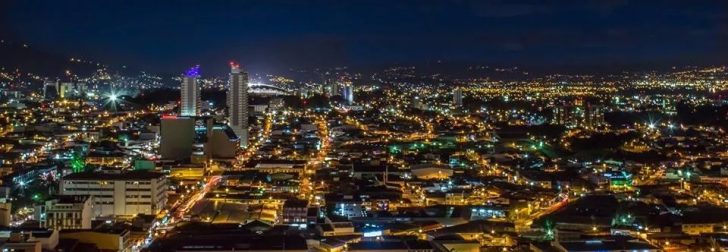
San José sits in Costa Rica’s Central Valley, ringed by mountains, volcanoes, coffee-growing hills, and a constant flow of travelers starting or ending a national adventure.
A lot of visitors treat the capital like a quick overnight stop before heading to beaches, rainforests, or hot springs, but that sells the city short.
San José has grand old theaters, excellent museums, lively food neighborhoods, busy markets, and a street-level energy that gives you a more honest look at Costa Rican life than a resort ever could.
It is not the prettiest capital in Latin America, and it is definitely not the calmest, but it is interesting, useful, and far more rewarding than people expect.
The catch is that you need to approach it like a real city, not a theme park. With smart planning, it can be a worthwhile and manageable stop.
Warnings & Dangers in San Jose

OVERALL RISK: MEDIUM
San José is manageable for tourists, but it is not a city where you should switch off your street smarts. Petty theft is the most common problem, and robberies do happen, especially after dark or in quieter areas. Most travelers visit without serious trouble, but staying alert, choosing neighborhoods carefully, and avoiding flashy behavior make a real difference here.

TRANSPORT & TAXIS RISK: MEDIUM
Transportation in San José is generally usable, but it requires caution. Official airport taxis and reputable ride apps are usually the best choices for visitors. Public buses are cheap and widespread, though they can be crowded and confusing for first-time travelers. Taxi overcharging, route padding, and theft around transit hubs are more likely than major transport-related violence.

PICKPOCKETS RISK: HIGH
Pickpocketing is one of the biggest day-to-day concerns in San José. Crowded downtown streets, bus terminals, markets, and areas around major attractions can attract thieves looking for phones, wallets, jewelry, and backpacks. This is not a city where you want valuables sticking out of your pockets. A little care goes a long way, but the risk is definitely real.

NATURAL DISASTERS RISK: MEDIUM
Costa Rica is vulnerable to earthquakes, heavy rain, landslides, flooding, and volcanic activity in some parts of the country. San José itself is not constantly under threat, but weather-related disruptions can happen, especially in the rainy season. Travelers are more likely to deal with transport delays and sudden downpours than a major disaster, though it is wise to monitor conditions.

MUGGING RISK: MEDIUM
Muggings are less common than pickpocketing, but they do happen in San José, especially at night, in quieter streets, near poorly lit areas, or when travelers are distracted. Walking alone while using your phone or carrying visible valuables raises the risk. Most incidents are opportunistic rather than targeted, but tourists should take the possibility seriously and avoid unnecessary exposure.

TERRORISM RISK: LOW
There is no strong pattern of terrorist incidents affecting tourists in San José, and this is not one of the city’s defining travel risks. Visitors should stay aware of their surroundings as they would in any capital city, but crime is a much more realistic concern than terrorism. For most travelers, this category is far less important than theft, transport safety, and nighttime movement.

SCAMS RISK: MEDIUM
Scams in San José tend to be low-level and annoying rather than highly sophisticated. Visitors might run into inflated taxi fares, fake tour offers, card issues, distraction thefts, or people posing as helpful strangers near transit areas. ATM caution matters too. The best defense is to use official services, avoid rushed street deals, and keep your financial transactions simple and traceable.

WOMEN TRAVELERS RISK: MEDIUM
Many women travel through San José without major problems, especially when staying in better neighborhoods and using trusted transport. Still, solo women should take extra care at night, avoid isolated streets, and be selective about nightlife situations. Street harassment can happen, and alcohol can make travelers more vulnerable. Sensible planning usually keeps the risk manageable rather than severe.

TAP WATER RISK: MEDIUM
Tap water in Costa Rica is often considered better than in many neighboring countries, and in central urban areas, it may be treated and generally usable. Still, consistency can vary, and travelers with sensitive stomachs often do better with bottled or filtered water, especially if they are only in town briefly. For short visits, being cautious is the more comfortable option.
Safest Places to Visit in San Jose
Barrio Escalante
Barrio Escalante is one of the easiest areas for travelers to enjoy.
It is known for its restaurants, cafés, and a more polished, modern feel than parts of downtown.
During the day and early evening, it is a comfortable area for walking, dining, and getting a sense of contemporary city life.
It is especially appealing for travelers who want food, nightlife, and a neighborhood atmosphere without diving straight into the busiest downtown streets.
La Sabana
La Sabana is a smart choice for visitors who prefer wider roads, major hotels, and a little more breathing room.
The park itself is one of the city’s best-known green spaces, and the surrounding area tends to feel more businesslike and organized than the historic center.
It is also practical for travelers who want easier hotel access and reliable transport connections.
Museum District and Central Landmarks
For daytime sightseeing, the area around the National Museum, the Jade Museum, the Pre-Columbian Gold Museum, and the National Theatre is one of the best ways to experience San José.
These are high-interest stops in well-known visitor zones where you can learn a lot about Costa Rica’s history and culture.
The key is timing.
Visit in daylight, stay aware, and avoid wandering too far aimlessly once the business day winds down.
Barrio Amón
Barrio Amón has old architecture, boutique stays, and more character than many first-time visitors expect from the capital.
It can be a good base for travelers who want something historic and central, though it is best enjoyed with the same usual city caution.
In the daytime, it offers charm, walkability, and a calmer pace than the busiest commercial stretches.
Places to Avoid in San Jose
Parts of Downtown Late at Night
Downtown San José is not one single danger zone, but certain blocks become much less comfortable after dark.
Commercial streets that feel busy in the afternoon can empty quickly at night, leaving tourists more exposed to theft or mugging.
Travelers should avoid wandering without a destination once shops close, especially near bus corridors, side streets, and quiet plazas.
Bus Terminals and Surrounding Streets
Areas around major bus terminals deserve extra caution because they combine crowds, confusion, luggage, and distraction.
That is the perfect setup for thieves. Even if you are only passing through, keep your bags zipped, your phone out of sight, and your attention up.
These areas are not necessarily places you must never enter, but they are places where tourists are easier targets.
Red-Light and Poorly Lit Areas
Like many capital cities, San José has pockets where nightlife, informal street activity, and weak lighting create a rougher atmosphere.
Visitors who do not know the city well can accidentally drift into blocks that feel sketchy fast.
If a street suddenly looks deserted, heavily graffitied, or poorly maintained, that is your cue to turn around or get a ride.
Remote Streets Around Central Attractions
One of the easiest mistakes in San José is assuming that being near a known attraction means every nearby block is equally safe.
That is not always true.
A museum, market, or landmark may be fine in daylight, while a few streets away, things feel much less secure.
Stick to active routes, avoid shortcuts, and do not follow your map blindly into quiet backstreets.
Safety Tips for Traveling to San Jose
- Do not treat San José like a beach town. This is a working capital city, and your mindset should match that. Walk with purpose, keep your belongings close, and stay aware of who is around you. Travelers who act overly relaxed or distracted stand out immediately.
- Use official taxis or trusted ride apps. Especially when arriving at the airport or moving around after dark, reliable transport is worth the extra cost. Random street taxis can be fine, but official services reduce the chances of overcharging, confusion, or ending up somewhere you did not intend to go.
- Keep phones and wallets out of sight in crowded areas. Downtown, markets, and transit zones are where opportunistic theft happens fastest. Avoid carrying your phone in your back pocket or hanging a bag loosely behind you. A crossbody bag worn in front is a much better choice.
- Stay in a better neighborhood, even if it costs a little more. A cheap hotel in the wrong area can create more stress than savings. For many visitors, places around Barrio Escalante, La Sabana, or reputable parts of the central city offer a much smoother experience than unknown bargain options.
- Avoid walking alone late at night. Even if a route looks short on the map, the safest option after dark is often a quick ride rather than a walk. Streets can change character fast at night, and a ten-minute walk is not worth the risk just to save a few dollars.
- Be careful at ATMs and with card payments. Use ATMs inside banks, malls, or well-guarded locations rather than on the street. Check card readers, cover your PIN, and keep receipts when possible. If something feels off, cancel the transaction and move on.
- Leave expensive jewelry and flashy accessories at home. San José is not the place to show off luxury watches, designer handbags, or stacks of electronics. Looking low-key is one of the simplest ways to reduce unwanted attention. Blend in as much as possible.
- Watch the weather during the rainy season. Heavy rain can quickly affect traffic, visibility, and road conditions. Pack a light rain jacket, shoes that can handle wet sidewalks, and a little flexibility in your schedule. Afternoon downpours can change your plans fast.
- Do not get careless because an area feels touristy. Some of the most common thefts happen in places visitors assume are safe because there are restaurants, hotels, or museums nearby. Keep the same level of awareness whether you are in a polished district or a busy central street.
- Trust your instincts and change plans early. If a street feels wrong, a driver seems suspicious, or a situation starts getting pushy, do not talk yourself out of your own warning signals. Go into a shop, call a ride, or turn around. In San José, quick decisions often prevent bigger problems.
So... How Safe Is San Jose Really?
San José is neither a city to fear nor a city to underestimate.
The realistic answer is that it is moderately safe for travelers who use common sense, but noticeably riskier than Costa Rica’s resort zones, eco-lodges, or smaller tourist towns.
The biggest issue is not terrorism, political unrest, or some dramatic movie-style danger.
It is ordinary urban crime: pickpocketing, bag snatching, scams, and occasional robberies that tend to affect distracted people in the wrong place at the wrong time.
That matters because many tourists arrive expecting Costa Rica as a whole to feel uniformly easygoing.
San José is different.
It is busier, rougher around the edges, and more practical than idyllic.
At the same time, it remains a common gateway city with major museums, strong hotel infrastructure, and a steady stream of international visitors passing through every day.
In my view, San José is best handled as a short city stay rather than a carefree wandering destination.
Spend a day or two, choose your neighborhood carefully, use reliable transport, and avoid late-night aimless walking.
Do that, and the city is very manageable for most travelers.
Ignore those basics, and your odds of an unpleasant experience rise quickly.
In other words, San José is safe enough for tourism, but only when approached with real city awareness.
How Does San Jose Compare?
| City | Safety Index |
|---|---|
| San Jose |
59 |
| Manuel Antonio |
58 |
| Puerto Viejo |
52 |
| Monteverde |
74 |
| Quepos |
55 |
| Santa Teresa |
72 |
| Tamarindo |
57 |
 Aswan Aswan | 68 |
 Okoboji Okoboji | 88 |
 Pune Pune | 74 |
| Mackinac Island | 83 |
| Meredith | 79 |
 Leipzig Leipzig | 78 |
Useful Information

Visas
Many tourists can enter Costa Rica without getting a visa in advance for short stays, but the exact entry rules depend on nationality. A valid passport and proof of onward or return travel are commonly required. Immigration officers determine the authorized length of stay on arrival, so travelers should check the latest rules before flying and avoid assuming a fixed number of days.

Currency
Costa Rica uses the colón, though U.S. dollars are widely accepted in many tourism-related businesses. In San José, it is usually easy to withdraw local currency from ATMs or exchange money at banks and authorized exchange spots. Using small bills is practical, and relying on a mix of card payments and modest cash is often the easiest approach.

Weather
San José has a spring-like climate compared with Costa Rica’s hotter lowland destinations, thanks to its elevation in the Central Valley. The dry season is generally more predictable, while the rainy season brings frequent afternoon showers. Pack light clothes for daytime, but also bring a rain jacket and a light layer for cooler evenings.

Airports
The main airport serving San José is Juan Santamaría International Airport, which is actually in the Alajuela area rather than central San José. It is the country’s busiest international gateway and the one most tourists use. From the airport, travelers usually reach the city by official taxi, shuttle, hotel transfer, or ride service, depending on arrival time and comfort level.

Travel Insurance
Travel insurance is a smart buy for San José and Costa Rica in general. It can help with medical issues, trip delays, lost baggage, theft, and last-minute disruptions caused by weather or transport problems. Even a short city stop is enough to justify coverage, especially if you are carrying valuables or connecting onward to more remote parts of the country.
San Jose Weather Averages (Temperatures)
Average High/Low Temperature
| Temperature / Month | Jan | Feb | Mar | Apr | May | Jun | Jul | Aug | Sep | Oct | Nov | Dec |
|---|---|---|---|---|---|---|---|---|---|---|---|---|
| High °C |
15 | 17 | 19 | 21 | 23 | 26 | 28 | 28 | 27 | 24 | 19 | 15 |
| Low °C |
5 | 6 | 7 | 8 | 10 | 12 | 13 | 14 | 13 | 11 | 7 | 5 |
| High °F |
59 | 63 | 66 | 70 | 73 | 79 | 82 | 82 | 81 | 75 | 66 | 59 |
| Low °F |
41 | 43 | 45 | 46 | 50 | 54 | 55 | 57 | 55 | 52 | 45 | 41 |
Costa Rica - Safety by City
| City | Safety Index |
|---|---|
| Manuel Antonio | 58 |
| Monteverde | 74 |
| Puerto Viejo | 52 |
| Quepos | 55 |
| San Jose | 59 |
| Santa Teresa | 72 |
| Tamarindo | 57 |


















Glad I didn't go...
I almost went to Costa Rica in 2019… ALMOST. I changed my mind at the last second. I was going to be going with my brother and a group of friends but I didn’t want to fall behind at work. Needless to say, I am thankful I didn’t go. My brother and one of his friends got jumped and robbed twice in one week. Both times were at night so I am sure this plays a role in it. Either way, if I can’t feel safe somewhere, I won’t be able to enjoy it.
Private tour guide
Get a private car and you will feel safe and more secure in your travel. I heard taxis were dreadful to ride, and having a private tour guide would do wonders. Thats what we did and it was a breeze. A lot of national parks and reserves to visit, the fees do add up so keep that in mind.
Costa Rica is an amazing destination IF you do things right.
I totally agree with what was said here. Get a guide and Costa Rica will be an amazing trip for you! The guide knows exactly what to do, what not to do and where to take you to so you don’t get robbed or overpay for a taxi. Costa Rica is an amazing destination IF you do things right.
I never expected the museums to be so packed with history; the gold artifacts at Museo de Oro Precolombino blew my mind!
Exploring San Jose’s vibrant culture really opened my eyes to how rich the history is here, especially wandering through the Museo de Oro Precolombino.
Was skeptical at first, but those busy markets and grand old theaters had me roaming the streets longer than I planned, even if the place is definitely not calm.
Did you find any particular neighborhood or spot where the local food really stood out without feeling too touristy? I remember the markets having this chaotic charm that made wandering around kind of exciting.
Wait, did you find any spots in those lively food neighborhoods where the coffee wasn’t super bitter? I’ve been there and remember the energy being kinda overwhelming but somehow alive in a way I didn’t expect.