


 China : Safety by City
- Beijing
- Chengdu
- Guangxi Guilin
- Guangzhou
- Hangzhou
- Hong Kong
- Lhasa
- Macau
- Shanghai
- Shenzhen
- Suzhou
- Tianjin
- Tibet
- Xian
- Xinjiang
- Yangshuo
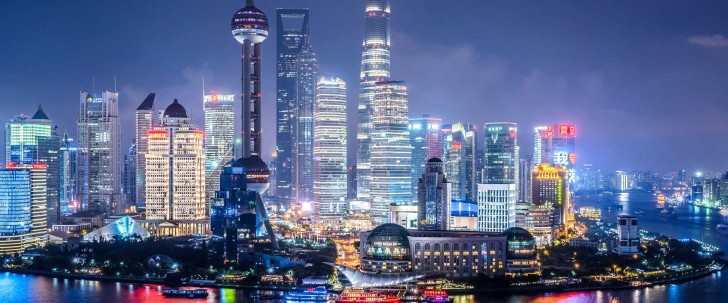
If there is one city in Asia that perfectly blends futuristic skylines with old-world charm, it is Shanghai.
Located on China’s central coast at the mouth of the Yangtze River, Shanghai is the country’s largest city with more than 24 million residents.
It is China’s financial powerhouse, home to soaring towers in Pudong and historic colonial era architecture along the Bund.
I have visited several megacities around the world, and Shanghai stands out for its efficiency, order, and surprisingly calm atmosphere despite its size.
High-speed trains, spotless metro stations, and some of the lowest violent crime rates among global cities make it fascinating from both a travel and safety perspective.
Still, like any massive urban center, it comes with certain risks that travelers should understand before arriving.
Let’s break it all down.
Warnings & Dangers in Shanghai

OVERALL RISK: LOW
Shanghai is widely considered one of the safest major cities in the world. Violent crime against tourists is rare, and heavy surveillance combined with a strong police presence contributes to a very secure environment. Most risks travelers face are minor inconveniences such as scams or petty theft rather than serious crime.

TRANSPORT & TAXIS RISK: LOW
Public transportation is modern, affordable, and extremely well organized. The Shanghai Metro is one of the largest in the world and is very safe, even late at night. Official taxis are regulated, but travelers should avoid unlicensed drivers at airports or tourist spots who may overcharge.

PICKPOCKETS RISK: MEDIUM
Pickpocketing does occur, especially in crowded areas like Nanjing Road, metro stations during rush hour, and major tourist attractions. While it is not rampant, crowded conditions make it easier for thieves to operate discreetly. Keep valuables secure and avoid carrying large sums of cash.

NATURAL DISASTERS RISK: MEDIUM
Shanghai occasionally experiences typhoons between June and September. Flooding and heavy rain can disrupt transportation. Earthquakes are rare, and the city’s infrastructure is designed to handle severe weather. Monitor forecasts during typhoon season and follow local guidance.

MUGGING RISK: LOW
Street muggings are extremely uncommon in Shanghai. Walking alone at night in central districts is generally safe. Compared to many Western cities, violent street crime rates are significantly lower.

TERRORISM RISK: LOW
There is no significant recent history of terrorist attacks targeting tourists in Shanghai. Security is tight at airports, train stations, and major public venues. The overall threat level for travelers remains low.

SCAMS RISK: MEDIUM
The most common issue travelers face is scams. The well-known tea house scam, art student scam, and fake taxi drivers are typical examples. These scams are nonviolent but can be costly. Awareness is your best defense.

WOMEN TRAVELERS RISK: LOW
Shanghai is generally very safe for women, including solo travelers. Harassment levels are lower than in many global cities. Normal precautions apply, especially in nightlife areas, but violent incidents involving foreign women are rare.

TAP WATER RISK: HIGH
Tap water in Shanghai is not considered safe to drink without boiling. Most locals boil water before use. Visitors should stick to bottled water or use filtered water for drinking and brushing teeth.
Safest Places to Visit in Shanghai
When I think of safe and enjoyable areas in Shanghai, a few neighborhoods immediately come to mind.
The Bund, officially known as Zhongshan East 1st Road, is one of the safest and most heavily patrolled tourist areas.
With constant foot traffic and police presence, it feels secure day and night.
The skyline views across the Huangpu River toward Lujiazui are unforgettable.
Lujiazui in Pudong, home to landmarks like the Shanghai Tower and the Oriental Pearl Tower, is ultra-modern and exceptionally well monitored.
It is a financial district with wide sidewalks, clean streets, and strong security.
The Former French Concession is another favorite.
Tree lined avenues, boutique shops, and cafes create a relaxed atmosphere.
It is residential, well-lit, and ideal for strolling.
Yu Garden and its surrounding bazaar area are crowded but safe, especially during the day.
The heavy tourist presence keeps serious crime low.
Overall, central districts such as Huangpu, Xuhui, and Jing’an are extremely safe for visitors.
Places to Avoid in Shanghai
Shanghai does not have many truly dangerous neighborhoods in the traditional sense.
However, some areas require extra awareness.
Remote industrial outskirts far from central districts are not ideal for tourists, particularly late at night.
These areas are not necessarily dangerous, but they lack lighting, English signage, and convenient transportation.
Be cautious around unlicensed taxi drivers near transportation hubs like Shanghai Pudong International Airport and major train stations.
Overcharging scams are more common here.
Crowded pedestrian streets such as Nanjing Road can attract pickpockets.
While not dangerous, the density of people increases the risk of petty theft.
Nightlife streets with heavy drinking may bring minor altercations, especially involving other foreigners.
Incidents are rare but more likely after midnight.
In my experience, Shanghai’s “unsafe” areas are more about inconvenience and scams than violent crime.
Staying in central, well-populated districts minimizes almost all risk.
Safety Tips for Traveling to Shanghai
- Use Official Transportation. Only take licensed taxis or rides booked through reputable apps. Avoid drivers who approach you inside airports or tourist attractions.
- Watch for Common Scams. If friendly strangers invite you to tea ceremonies, art exhibitions, or bars unexpectedly, politely decline. Many scams begin this way.
- Carry Your Passport Copy. Police occasionally conduct ID checks. Keep a photocopy of your passport and visa with you.
- Secure Your Valuables. Use anti-theft bags in crowded markets and on public transport. Keep phones and wallets in front pockets.
- Avoid Drinking Tap Water. Stick to bottled water and check that the seal is intact before opening.
- Monitor Weather During Typhoon Season. If visiting between June and September, watch forecasts and follow official advisories.
- Respect Local Laws. China has strict laws regarding drugs and public behavior. Penalties are severe.
- Use Reputable Hotels. International chain hotels and well-reviewed local hotels have higher safety standards and English-speaking staff.
- Be Cautious with Public WiFi. Use a VPN and avoid accessing sensitive financial information on public networks.
- Learn Basic Local Phrases. Even simple Mandarin phrases can help in emergencies and reduce misunderstandings.
So... How Safe Is Shanghai Really?
From a data-driven standpoint, Shanghai ranks as one of the safest megacities globally.
Violent crime rates are significantly lower than in major cities in North America and parts of Europe.
Strict law enforcement, widespread CCTV coverage, and severe legal penalties contribute to deterrence.
Petty crime exists, but at moderate levels compared to other tourist hubs.
The primary risks are nonviolent scams and minor theft.
Public transportation safety is excellent, and walking at night in central areas generally feels secure.
The biggest practical concern for travelers is not crime but health-related issues, such as drinking untreated tap water or navigating air pollution days.
In my honest opinion, Shanghai earns a strong Low overall risk rating for travelers who use common sense.
It is one of the easiest large Asian cities to explore safely.
How Does Shanghai Compare?
| City | Safety Index |
|---|---|
| Shanghai |
70 |
| Beijing |
75 |
| Xian |
73 |
| Tibet |
87 |
| Hong Kong |
75 |
| Macau |
85 |
| Suzhou |
79 |
 Ogden Ogden | 72 |
| Junction City | 47 |
 Dresden Dresden | 75 |
| Fort Myers | 75 |
| Palm Springs | 65 |
| Seaside Heights | 48 |
Useful Information

Visas
Most travelers require a tourist visa to enter China, typically valid for 30 to 60 days. Fees vary by nationality but often range from 140 to 185 USD for US citizens. Some short-term visa-free transit options exist for eligible travelers staying under 144 hours.

Currency
Shanghai uses the Chinese Yuan, also called Renminbi. Credit cards are accepted in major hotels, but mobile payments dominate locally. Exchange money at banks or withdraw from official ATMs for the best rates.

Weather
Shanghai has four distinct seasons. Summers are hot and humid with temperatures above 90°F. Winters are damp and cold around 35 to 45°F. Pack light breathable clothing for summer and layered clothing for winter visits.

Airports
The city is served by Shanghai Pudong International Airport and Shanghai Hongqiao International Airport. Pudong handles most international flights. The metro and airport buses provide affordable access to the city center in 45 to 60 minutes.

Travel Insurance
Comprehensive travel insurance is highly recommended. It should cover medical emergencies, trip cancellations, and evacuation. While Shanghai has excellent hospitals, treatment can be expensive without proper coverage.
Shanghai Weather Averages (Temperatures)
Average High/Low Temperature
| Temperature / Month | Jan | Feb | Mar | Apr | May | Jun | Jul | Aug | Sep | Oct | Nov | Dec |
|---|---|---|---|---|---|---|---|---|---|---|---|---|
| High °C |
8 | 9 | 13 | 19 | 24 | 27 | 32 | 32 | 28 | 23 | 17 | 10 |
| Low °C |
1 | 2 | 5 | 11 | 16 | 20 | 23 | 25 | 20 | 15 | 9 | 3 |
| High °F |
46 | 48 | 55 | 66 | 75 | 81 | 90 | 90 | 82 | 73 | 63 | 50 |
| Low °F |
34 | 36 | 41 | 52 | 61 | 68 | 73 | 77 | 68 | 59 | 48 | 37 |
China - Safety by City
| City | Safety Index |
|---|---|
| Beijing | 75 |
| Chengdu | 74 |
| Guangxi Guilin | 76 |
| Guangzhou | 64 |
| Hangzhou | 78 |
| Hong Kong | 75 |
| Lhasa | 72 |
| Macau | 85 |
| Shanghai | 70 |
| Shenzhen | 64 |
| Suzhou | 79 |
| Tianjin | 67 |
| Tibet | 87 |
| Xian | 73 |
| Xinjiang | 80 |
| Yangshuo | 77 |













Misleading ratings
This rating is ridiculously naive and misleading…if you ever lived in those cities in China for just a couple of months, you’ll find it’s the safest place in the world.
Absolutely agree, safest place in the World.
Yes
I’m sure about what you said.
agree
Lived in China for many years. It certainly is not he safest place in the world. It can be dangerous.
Well Because of the CCP
Ehh.. If Winnie the pooh will be gone it will be a safer place in my opinion
Safety
It’s definitely one of the safest places in the world, and maybe the safest CITY in the world. I’m a female and I can walk alone safely at midnight. One of the reasons is that many restaurants open at midnight, so there are also many people in the street like during the day, just fewer people and more chill. When you are in Shanghai, just bring your phone and your passport if necessary. No need of wallet since nearly all payments can be made via phone(Alipay, apple pay, etc), some farmer market even do not accept cash😂
A huge city filled with good and bad
Keep this in mind and you will be golden:
“Always bear in mind that even though people from Shanghai are very friendly, they do not approach a foreigner first.” people here will almost never approach you first. If you ask them something they will gladly assist you. If someone approaches you, be very vigilant. Other than this, it is a huge city with many inhabitants, many places to visit, have fun at and enjoy. You’ll spend weeks here and not even scratch the surface.
Very biased and outdated. I haven’t used cash in Shanghai for years so where comes the problem of fake money?
Strolling through those busy streets, you really feel the buzz of history and modernity dancing together like an old couple at a wedding.
Have you found any hidden gems in Shanghai that really capture its blend of modern and traditional?
It’s interesting how you can feel the mix of old and new just walking around, like one moment you’re near a skyscraper and the next by a centuries-old temple.
It’s fascinating how you can feel the blend of old and new everywhere you go in Shanghai, especially standing in front of those breathtaking modern skyscrapers while knowing the history behind the temples nearby.
Did you really find a balance between the old and new in Shanghai, or do you think the modern stuff kind of overshadows the traditional charm?
I was really struck by how seamlessly the old and new blend together here; it’s like walking through a living history book.
Have you ever stood on the Bund at dawn with the lights still blinking and felt this sudden tight warmth in your chest that made the whole city’s order and craziness feel almost tender?
Okay, the calm and order thing is real; I once missed a meeting because I got sucked into watching the Pudong skyline from the station and ended up sipping awful instant coffee on the spotless metro platform, feeling oddly at ease.
Strolled the Bund as the Pudong towers flickered on and the spotless metro got me there on time, which somehow made Shanghai feel surprisingly calm even with 24 million people around.
The only risk in Shanghai is… The last train of the metro runs away already at 22.30!
Tried the metro during rush hour once and honestly thought I was gonna lose my shoe in the crowd but somehow everyone just flows like clockwork.