


 China : Safety by City
- Beijing
- Chengdu
- Guangxi Guilin
- Guangzhou
- Hangzhou
- Hong Kong
- Lhasa
- Macau
- Shanghai
- Shenzhen
- Suzhou
- Tianjin
- Tibet
- Xian
- Xinjiang
- Yangshuo
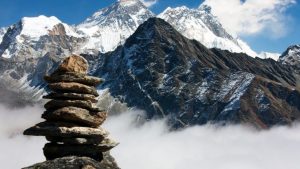
Tibet sits on the roof of the world, high on the Tibetan Plateau in western China, where snowy peaks, vast grasslands, turquoise lakes, and deeply spiritual monasteries create one of the most unforgettable landscapes on Earth.
For many travelers, it feels less like a normal destination and more like a once-in-a-lifetime journey.
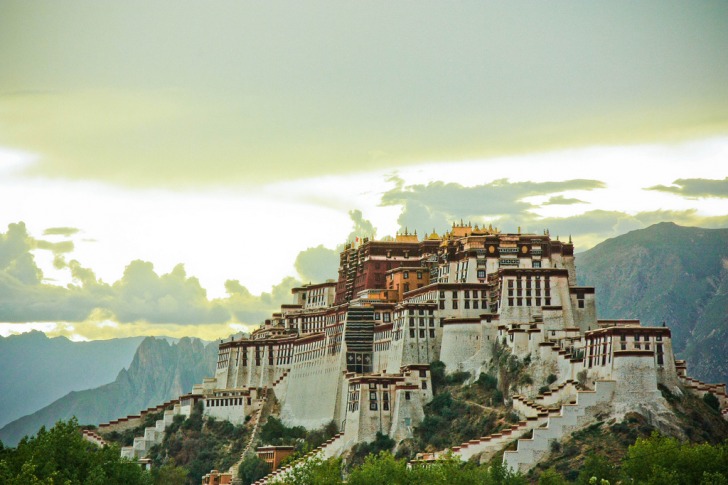
The Potala Palace towers over Lhasa, prayer wheels spin in old quarters scented with incense, and the Himalayas seem close enough to touch.
But Tibet is not a casual weekend getaway.
Safety here is shaped less by street crime and more by altitude, distance, weather, strict permit rules, transport challenges, and the fact that travel conditions can change quickly.
In my view, Tibet can be a rewarding place to visit, but only if you arrive prepared, patient, and realistic about the risks.
Warnings & Dangers in Tibet

OVERALL RISK: MEDIUM
Tibet is not usually dangerous in the classic big city sense. Violent crime against tourists is uncommon, and many visits go smoothly. The bigger issues are high altitude, remote roads, sudden permit restrictions, heavy security checks, and limited emergency support in some areas. For prepared travelers on legal, organized itineraries, Tibet is manageable, but it is not a low effort destination.

TRANSPORT & TAXIS RISK: MEDIUM
Transport in Tibet is more complicated than risky, but the risks are real. Long mountain drives, weather disruptions, road conditions, and altitude can turn short routes into tiring journeys. Unmarked or unofficial taxis can also lead to fare disputes or other problems, so travelers should stick to official transport whenever possible. In Tibet, the remoteness of many routes adds another layer of caution.

PICKPOCKETS RISK: LOW
Pickpocketing is not the main concern in Tibet, especially compared with larger urban tourist hubs elsewhere in Asia. Still, crowded places such as Barkhor Street, transport hubs, and busy sightseeing areas can attract opportunistic theft. I would not call it a major threat, but keeping your phone, passport, and cash secure is still basic common sense.

NATURAL DISASTERS RISK: MEDIUM
This is one of Tibet’s most serious safety issues. Tibet lies in an active seismic region, and earthquakes have affected parts of the plateau in recent years. Landslides, altitude related illness, sudden weather changes, and hazardous mountain roads also matter. Travelers heading into remote areas need to treat nature, not crime, as the primary danger.

MUGGING RISK: LOW
Street mugging is not a leading concern for most Tibet visitors. Serious crime against foreign nationals is relatively rare, and Tibet is more known for regulation, surveillance, and environmental hazards than for robbery. That said, isolated places after dark are never ideal, and remote roads can leave you with few easy options if something goes wrong.

TERRORISM RISK: LOW
Tibet is not generally treated as a standard terrorism hot spot for tourists. The more visible reality is heightened security, surveillance, police presence, and sensitivity around political activity. Travelers should avoid demonstrations, keep a low profile, and stay away from anything authorities could interpret as political involvement.

SCAMS RISK: MEDIUM
Scams are more likely than violent crime. Common tourist scams can include inflated prices, fake friendliness that leads to expensive invitations, and overcharging in busy visitor areas. In Tibet, the scam risk is usually concentrated in crowded tourist spots, souvenir zones, and around informal services. Use licensed guides, official drivers, and agree on prices in advance.

WOMEN TRAVELERS RISK: MEDIUM
Many women travel in Tibet without serious trouble, especially on organized itineraries. Still, solo women should stay alert in nightlife settings, avoid isolated wandering after dark, and be careful with drinks. Tibet’s remoteness means that even minor problems can become harder to deal with quickly, so extra caution is always a smart idea.

TAP WATER RISK: HIGH
Do not drink tap water in Tibet. This is one of the clearest safety rules. Even in major Chinese cities, travelers are often advised not to rely on tap water, so in a high altitude, remote region like Tibet, bottled or properly boiled water is the safer choice. I would also avoid ice unless you trust the source.
Safest Places to Visit in Tibet
Central Lhasa
For most travelers, central Lhasa is the easiest and safest base.
The area around the Potala Palace, Jokhang Temple, and Barkhor has the strongest tourism infrastructure, the most familiar hotel options, and the highest concentration of other visitors.
You will still deal with security checks and crowds, but it is the most straightforward place to acclimatize and get your bearings.
Norbulingka and the Main Monastic Circuit
Norbulingka, Sera Monastery, and Drepung Monastery are generally safer sightseeing choices because they are established, frequently visited, and usually included on organized itineraries.
These are places where transport, access, and visitor flow are more predictable than in remote frontier areas.
They also let you experience Tibet’s culture without immediately pushing into extreme altitude or isolated terrain.
Shigatse on an Organized Route
Shigatse is a logical next stop for travelers who have already acclimatized in Lhasa.
It is one of Tibet’s main urban centers and is commonly used on guided overland routes.
That makes it more manageable than the far west or remote border zones.
You still need to respect altitude, weather, and road fatigue, but it is a more structured travel environment than deeper expedition-style destinations.
Nyingchi for Travelers Worried About Altitude
Nyingchi is often seen as a gentler introduction to Tibet because it sits lower than many classic plateau destinations.
It is not risk free, but for travelers nervous about altitude, it can be a more forgiving part of the region.
The scenery is stunning, and the overall pace feels less physically punishing than the highest Himalayan circuits.
This is where I would steer cautious first timers who still want the Tibet experience.
Places to Avoid in Tibet
Remote High Altitude Western Tibet
Ngari and far western Tibet may look irresistible on a map, but these areas are not ideal for inexperienced travelers.
Distances are huge, services are sparse, weather can shift fast, and altitude stress is constant.
If you are not already well acclimatized and traveling with a capable, legal operator, this is the kind of place where a small problem can become a serious one very quickly.
Tingri and Everest Routes During Unstable Conditions
The Everest corridor is spectacular, but it also comes with serious exposure to altitude, cold, rough roads, and changing mountain weather.
The southern plateau has also seen earthquake activity in recent years, which is a reminder that this is a physically volatile environment.
I would be especially cautious here during poor weather, after seismic events, or if you are feeling even mild altitude symptoms.
Restricted Border and Military Sensitive Areas
Some of the biggest problems in Tibet come from going where you should not.
Authorities may restrict access to border regions, military areas, and politically sensitive zones, sometimes at short notice.
Signs are not always obvious, and foreigners found in restricted areas can face detention, fines, or deportation.
This is not a region where improvising your route is smart.
Isolated Roads and Outskirts After Dark
Tibet does not have a long list of infamous tourist neighborhoods, but night movement in quiet outskirts or remote roads is still something I would minimize.
Poor lighting, fewer people around, long response times, and limited transport options make minor problems harder to solve.
In Tibet, “avoid” often means avoiding bad circumstances rather than a famous bad district.
Safety Tips for Traveling to Tibet
- Take altitude seriously from day one. Tibet’s elevation is not a gimmick. Many destinations in the region sit above 10,000 feet, and rapid ascent without acclimatization can make even healthy travelers miserable or dangerously ill. Spend your first days moving slowly, eating lightly, hydrating well, and avoiding the urge to treat arrival day like a sightseeing marathon.
- Do not plan Tibet like an independent backpacking trip. Foreign visitors usually need a special Tibet permit in addition to a Chinese visa, and travel is typically handled through authorized agencies and organized tours. Permits can also be paused or restricted without much warning. The safest move is to work only with operators that know the current rules and handle the paperwork correctly.
- Use only official transport and registered drivers. Tibet is not the place to bargain with random roadside vehicles. Mountain distances are long, roads can be tiring, and unofficial rides can create unnecessary risk. A cheap ride is not a bargain if it leads to safety problems, delays, or trouble with authorities.
- Carry your passport and permits carefully at all times. Security checks are common in Tibet, and travelers may need to show identification and permits regularly. Keep originals secure, store digital backups separately, and never assume a photocopy alone will be enough. This matters more in Tibet than in many tourist destinations because checkpoints are a normal part of travel.
- Stay far away from protests, political talk, and sensitive photography. Tibet is politically sensitive, and authorities maintain heightened surveillance and security. Avoid demonstrations, do not photograph police or checkpoints casually, and do not engage in political discussions with strangers. Even comments that feel harmless elsewhere can create unwanted attention here.
- Drink only bottled or properly boiled water. This is one of the easiest mistakes to avoid. Tibet is not the place to gamble with stomach issues while already dealing with altitude. Use sealed bottled water, be cautious with ice, and keep rehydration packets with you in case your body reacts badly to the environment or food.
- Expect weather and road delays, then build margin into your itinerary. Tibet rewards patience. Snow, landslides, altitude fatigue, and road closures can upset even well-planned routes. Do not stack tight connections or same day international departures after remote overland travel. The safest itinerary in Tibet is the one with breathing room built into it.
- Protect yourself from scams in tourist areas. The most likely bad experience for many travelers is not violent crime but a money trap. Be wary of sudden invitations for tea, shopping, or special deals from strangers. If something feels overly staged or too friendly too quickly, trust your instincts and walk away.
- Women travelers should be extra careful with nightlife and isolation. Many women have smooth, enjoyable trips in Tibet, especially on guided routes, but common sense matters. Do not leave drinks unattended, avoid being alone with strangers in informal settings, and keep your hotel informed of late returns on quieter nights. Tibet is not wildly unsafe for women, but its remoteness makes precaution more valuable.
- Buy insurance that actually covers altitude, evacuation, and trip disruption. Standard policies are not always enough for Tibet. This is a high altitude, remote region where medical evacuation, delayed routes, and permit-related disruptions are real possibilities. Before you leave, make sure your policy covers the exact altitude, route, and activities you plan to do.
So... How Safe Is Tibet Really?
Tibet is safer than many people assume if you judge safety only by crime.
Street violence and mugging are not the defining story here.
The real story is structural risk: altitude, remoteness, strict travel rules, security controls, and a natural environment that can turn hostile without much warning.
Even when Tibet feels calm, it is not a place where travelers have much flexibility when something goes wrong.
In practical terms, most well-organized tourists who acclimatize properly, obey local rules, and travel through approved operators are unlikely to face serious crime problems.
But that does not make Tibet carefree.
Earthquake activity, landslides, extreme weather, and altitude sickness are all part of the region’s safety profile.
My take is simple: Tibet can be reasonably safe for prepared travelers, but it is absolutely not a destination for improvisation, stubbornness, or cutting corners.
If you go in with realistic expectations, careful planning, and respect for the local environment and rules, Tibet can be an amazing trip.
If you go in casually, it can become stressful faster than you expect.
How Does Tibet Compare?
| City | Safety Index |
|---|---|
| Tibet |
87 |
| Lhasa |
72 |
| Xian |
73 |
| Macau |
85 |
| Hong Kong |
75 |
| Chengdu |
74 |
| Tianjin |
67 |
 Port-au-Prince Port-au-Prince | 20 |
 Puerto Viejo Puerto Viejo | 52 |
 Erie Erie | 62 |
| Jonesboro | 71 |
| West Hartford | 85 |
 Rumonge Rumonge | 54 |
Useful Information

Visas
For most travelers, Tibet is a two step destination. You generally need a valid Chinese visa first, and then a separate Tibet Travel Permit arranged through a travel agency in China. Organized tours are commonly required for foreign visitors. Visa fees vary by nationality and where you apply, so check the latest requirements before booking anything.

Currency
Tibet uses the Chinese yuan, also called renminbi. Cashless payments are very common across China, but outside bigger urban centers, card acceptance and ATM access can be limited. I would carry a reasonable amount of cash in yuan for remote stretches, while also using trusted exchange services before heading deeper into the region.

Weather
Tibet’s climate is all about altitude. Even when the sun feels strong, mornings and nights can be cold, and mountain weather changes quickly. Summer is usually the mildest time for travel, while winters can be bitter and dry. Pack layers, a warm jacket, sunscreen, lip balm, and shoes you trust on uneven ground.

Airports
The main gateway is Lhasa Gonggar International Airport, which sits about an hour from central Lhasa by road. It is the region’s main air hub and the most common arrival point for visitors. Some travelers also enter Tibet by train from mainland China, but if you are flying in, Lhasa Gonggar is the airport to know.

Travel Insurance
Do not skip travel insurance for Tibet. For this destination, I would look specifically for policies that include high altitude travel, medical treatment, evacuation, and trip interruption. Tibet is exactly the kind of place where a routine medical issue can become expensive and logistically difficult, so good coverage is well worth the cost.
Tibet Weather Averages (Temperatures)
Average High/Low Temperature
| Temperature / Month | Jan | Feb | Mar | Apr | May | Jun | Jul | Aug | Sep | Oct | Nov | Dec |
|---|---|---|---|---|---|---|---|---|---|---|---|---|
| High °C |
7 | 9 | 12 | 16 | 20 | 23 | 22 | 21 | 20 | 16 | 12 | 8 |
| Low °C |
-10 | -7 | -3 | 1 | 5 | 9 | 10 | 9 | 8 | 1 | -5 | -9 |
| High °F |
45 | 48 | 54 | 61 | 68 | 73 | 72 | 70 | 68 | 61 | 54 | 46 |
| Low °F |
14 | 19 | 27 | 34 | 41 | 48 | 50 | 48 | 46 | 34 | 23 | 16 |
China - Safety by City
| City | Safety Index |
|---|---|
| Beijing | 75 |
| Chengdu | 74 |
| Guangxi Guilin | 76 |
| Guangzhou | 64 |
| Hangzhou | 78 |
| Hong Kong | 75 |
| Lhasa | 72 |
| Macau | 85 |
| Shanghai | 70 |
| Shenzhen | 64 |
| Suzhou | 79 |
| Tianjin | 67 |
| Tibet | 87 |
| Xian | 73 |
| Xinjiang | 80 |
| Yangshuo | 77 |







Tibet is STUNNING!
Tibet is STUNNING! I wish I had gone more than once. I did plan on going back but given the state of China and everything happening right now, I would not advise anyone visiting the country unless it is to see family or for business. It is a mess over there right now.
Breathtaking scenery
The scenery is just breathtaking, pictures are not enough you need to be there to truly appreciate hoe beautiful the landscape is. Note that in some sacred areas, picture taking is not allowed so just research ahead or ask your tour guide. Overall safety is not an issue, dress accordingly for the weather though! And bring the basic medicines just to be safe.
A wonderful experience!
Tibet is one of the most beautiful and different (in a very good way) place on earth. You will feel the positive energy as soon as you get there. People are friendly and the place is safe. You can find a certain energy that will fill your body and offer you something you’ve never had: tranquility and peace of mind. Right now things are not the best considering everything that is going on, but once things settle, go to Tibet.
Standing outside a monastery with prayer flags and nearly choking on the thin air at 5400 m, I got unexpectedly teary because everything there feels both fragile and enormous.
Walking the old quarters with the prayer wheels spinning made me feel dizzy from the thin air near the Potala Palace, any tips you swear by for dealing with the altitude?
When the thin air left me dizzy near the Potala Palace, how did you deal with permits and sudden weather changes without getting totally frazzled?