


 China : Safety by City
- Beijing
- Changsha
- Chengdu
- Chongqing
- Dalian
- Guangxi Guilin
- Guangzhou
- Hangzhou
- Harbin
- Hong Kong
- Kunming
- Lhasa
- Macau
- Nanjing
- Ningbo
- Qingdao
- Shanghai
- Shenzhen
- Suzhou
- Tianjin
- Tibet
- Wuhan
- Xiamen
- Xian
- Xinjiang
- Yangshuo
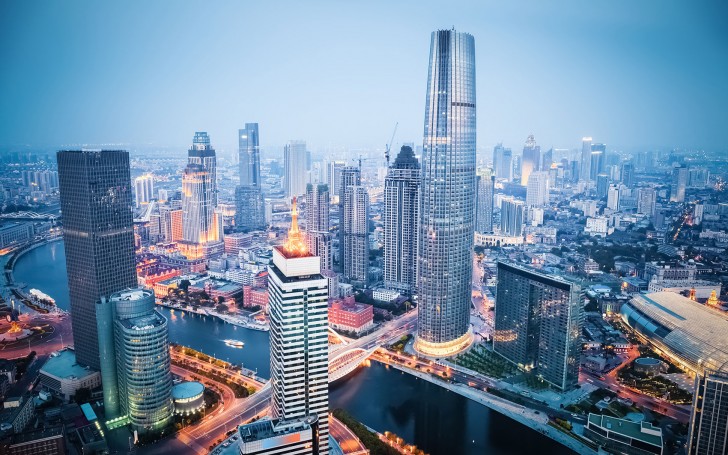
Tianjin sits in northern China, just southeast of Beijing, where grand European-era buildings, broad riverfront boulevards, and old Chinese market streets all collide in one surprisingly stylish package.
It is one of China’s biggest municipalities and an important port city, but it often feels more relaxed than the capital.
I think that is part of Tianjin’s appeal.
You get major-city energy without quite the same intensity.
Travelers come for the colonial architecture in the former concession districts, the food scene, the Haihe River views, and famous spots like the Tianjin Eye.
From a safety perspective, Tianjin is generally manageable for tourists who use common sense, stay alert in crowded places, and prepare for the practical realities of travel in mainland China.
Warnings & Dangers in Tianjin

OVERALL RISK: LOW
Tianjin is generally a low-risk destination for ordinary tourists. Violent crime against visitors is not the main concern here. The bigger issues tend to be petty theft, occasional scams, language barriers, and the need to respect local laws very carefully. In my view, Tianjin feels more like a city where you need awareness, not fear.

TRANSPORT & TAXIS RISK: LOW
Transport in Tianjin is usually reliable, and the city has a substantial metro, bus, taxi, and airport connection network. The main risks are not dramatic ones. There are things like unlicensed drivers, communication problems, and occasional overcharging if you jump into the wrong cab. Stick to marked taxis, metro lines, or ride apps when possible.

PICKPOCKETS RISK: MEDIUM
Pickpocketing is not the first thing people associate with Tianjin, but it is still a realistic risk in crowded transport hubs, shopping streets, tourist markets, and packed metro cars. Like other major cities in China, busy public areas are where phone theft, wallet lifting, and bag snatching are most likely to happen. Keep valuables zipped up and close.

NATURAL DISASTERS RISK: MEDIUM
Tianjin does not usually strike travelers as a disaster-prone destination, but risk is not zero. Northern China can experience earthquakes, and Tianjin’s low-lying coastal setting also means heavy summer rain and localized flooding can occasionally disrupt transport. Most visits are unaffected, but weather can create inconvenience and short-term hazards, especially during the rainy season.

MUGGING RISK: LOW
Mugging and street robbery are generally low concerns for travelers in Tianjin compared with many large cities around the world. That said, deserted areas late at night, poor judgment after drinking, and wandering with visible valuables can still create avoidable problems. I would not call the city risk-free, but I would call it comparatively calm on this front.

TERRORISM RISK: LOW
For the average tourist moving around Tianjin’s central districts, the day-to-day terrorism risk is low. The broader travel advisories for China focus much more on local laws, state security issues, and regional concerns than on tourist-targeted attacks in cities like Tianjin. Travelers are more likely to deal with routine urban issues than anything resembling a direct terrorism threat.

SCAMS RISK: MEDIUM
Scams are a more realistic problem than violent crime. Overpriced services, fake goods, tea-house style setups, or friendly strangers steering visitors into inflated bills are the kind of things I would watch for. Tianjin is not usually singled out as China’s worst city for scams, but tourist-targeted fraud can still happen.

WOMEN TRAVELERS RISK: LOW
Women can travel in Tianjin with a relatively low overall risk, especially during the day and in well-trafficked areas. Still, solo travelers should stay cautious with nightlife, taxis late at night, and crowded public transport where harassment can sometimes occur. The city is not one I would classify as unusually threatening, but standard solo-travel precautions absolutely still apply.

TAP WATER RISK: HIGH
I would not recommend drinking tap water in Tianjin. Even where locals use it for cooking after boiling, many travelers prefer bottled or properly filtered water to avoid stomach issues. This is one of those simple choices that can save a trip from being derailed. Use bottled water for drinking and even for brushing teeth if you have a sensitive stomach.
Safest Places to Visit in Tianjin
Five Great Avenues
Five Great Avenues is one of Tianjin’s best areas for cautious travelers because it is well known, heavily visited, and visually stunning.
The neighborhood is famous for its old villas and tree-lined streets, and it is ideal for daytime walking.
I like it because it feels open, elegant, and easier to navigate than more chaotic market districts.
It is a strong choice for first-time visitors.
Ancient Culture Street
Ancient Culture Street is busy, tourist-friendly, and one of the easiest places to soak up local atmosphere without venturing too far off the beaten path.
You will find handicrafts, food stalls, temple-adjacent cultural sites, and plenty of other visitors.
Because it is popular, you should still watch your bag, but it remains one of the more comfortable areas for sightseeing.
Haihe River and Jinwan Square
The Haihe River corridor, including Jinwan Square, offers some of the city’s most polished urban scenery.
It is a good area for evening walks, photos, and people-watching, especially where the lighting and foot traffic are strong.
This part of Tianjin blends historic architecture with modern development, and it generally feels orderly and public rather than isolated.
Italian Style Town
Italian Style Town is one of the easiest areas for travelers who want a familiar, photogenic environment with cafes, plazas, and restored historic buildings.
It is usually more comfortable for visitors who are easing into China travel and want a central district with obvious tourist infrastructure.
I would still be careful with overpriced dining or souvenir traps, but safety-wise, it is a sensible stop.
Places to Avoid in Tianjin
Empty Industrial Outskirts at Night
Tianjin is a huge municipality, and not every area is designed with tourists in mind.
The farther you move into industrial zones or peripheral districts without a clear reason, the less traveler-friendly things become.
These areas are not necessarily dangerous in a dramatic sense, but they can feel isolated, poorly lit, and difficult to navigate, especially if you do not speak Mandarin.
Crowded Transit Hubs During Rush Periods
Places around major stations and busy interchanges deserve extra caution.
These are the spots where confusion, distraction, and petty theft are most likely.
I would not tell people to avoid them completely because they are often unavoidable, but I would say to move through them with purpose, keep your phone secured, and avoid flashing cash or travel documents.
Late-Night Entertainment Areas With Unclear Pricing
Any nightlife zone with aggressive touts, unclear drink prices, or pushy strangers inviting you somewhere “special” should put your radar up immediately.
Tianjin is not known internationally as a scam capital, but inflated bar tabs and tourist-targeted setups can happen.
If a place feels vague, rushed, or too eager for your business, walk away.
Poorly Lit Streets Away From Main Tourist Routes
Central Tianjin has many pleasant areas, but wandering far from the main commercial streets after midnight is rarely a good idea in any major city.
Solo travelers, especially women, should stick to well-lit areas, avoid needless shortcuts through quiet blocks, and arrange transport before a night out rather than improvising at 1 a.m.
Safety Tips for Traveling to Tianjin
- Carry your passport details safely. Keep your passport secure in your hotel safe when practical and carry a copy or digital backup where appropriate. You may need identification for transport, hotels, or official checks, but you do not want to be the tourist fishing an actual passport out of a backpack in a crowded station.
- Use official transport options. Tianjin’s transport network is broad enough that you do not need to gamble on random drivers. Use marked taxis, metro lines, airport shuttles, or established ride-booking options. Confirm that the meter is running or agree on the fare structure before moving.
- Watch your belongings in crowded areas. This is not paranoia. It is just smart travel. In markets, stations, and busy sightseeing streets, keep your phone out of back pockets, wear your bag in front if needed, and zip everything closed. Petty theft thrives on distraction.
- Be cautious with strangers who approach too quickly. Friendly conversation is not a problem. The problem is when a stranger instantly pivots into invitations for tea, art shows, bars, or shopping. Tourist scams often begin with warmth and confidence. If something feels rehearsed, it probably is.
- Do not drink tap water. This is one of the easiest ways to avoid trouble. Buy sealed bottled water, and use it if you are sensitive. Even a small stomach issue can derail sightseeing, train travel, and food plans.
- Respect local laws and political sensitivities. China’s legal and enforcement environment can be very different from what some travelers are used to. Do not assume behavior that is normal elsewhere will be viewed casually here. Keep documents in order, avoid public confrontations, and stay away from anything that could draw official attention.
- Prepare for language barriers. Tianjin is easier to navigate if you save hotel addresses, destination names, and essential phrases on your phone in Chinese. A transport problem becomes much less stressful when you can show the exact address instead of trying to pronounce it from memory.
- Stay weather-aware in summer and winter. Summers can be hot and humid, while winters are cold and dry. That means hydration and sun protection matter in one season, and serious layers matter in the other. Rain can also interfere with plans in summer, so keep a flexible schedule.
- Choose central, well-reviewed accommodation. A hotel in a central district can reduce a lot of friction. You will have easier access to transport, more street activity at night, and less guesswork when returning after dark. Cheap but remote lodging often ends up costing more in hassle.
- Get travel insurance before you go. Even in a relatively manageable city like Tianjin, delays, illness, missed connections, and lost items happen. Good insurance matters more than people think, especially when you are dealing with a different language, healthcare system, and transport setup.
So... How Safe Is Tianjin Really?
Tianjin is, in practical terms, a fairly safe destination for most tourists who behave sensibly.
I would not put it in the category of places where travelers need to be constantly on edge.
The more realistic picture is that Tianjin has the safety profile of a large modern city where petty crime, scams, transport confusion, and legal misunderstandings are more likely than outright violence.
Country-level travel guidance for China tends to emphasize caution around crime in crowded areas, scams, local laws, and broader security issues rather than warning that cities like Tianjin are especially dangerous for ordinary sightseeing.
What makes Tianjin easier to visit than some destinations is its well-developed infrastructure.
There is a major airport, an extensive transport network, and well-established tourist areas such as Five Great Avenues and Ancient Culture Street.
Weather and natural hazards are not the city’s defining travel risk, but they are worth respecting, particularly summer rain and the country’s broader seismic exposure.
Tianjin also has a pronounced seasonal swing, with hot summers and cold winters, which affects comfort and planning.
My honest take is this: Tianjin is safe enough for most travelers, but not careless travelers.
Go prepared, stay observant, and it is very likely to feel rewarding rather than stressful.
How Does Tianjin Compare?
| City | Safety Index |
|---|---|
| Tianjin |
67 |
| Guangzhou |
64 |
| Chengdu |
74 |
| Beijing |
75 |
| Shanghai |
70 |
| Chongqing |
72 |
| Xian |
73 |
 Oran Oran | 31 |
 Clifton Clifton | 73 |
| Cedar Lake | 86 |
 Bruges Bruges | 84 |
| Bowling Green | 76 |
| Shelbyville | 86 |
Useful Information

Visas
China’s entry rules have changed quite a bit recently, so travelers need to check their nationality carefully before booking. Some ordinary passport holders from specified countries can enter visa-free for short stays, and there is also a transit policy for eligible travelers passing onward to a third destination. Others still need a standard tourist visa in advance.

Currency
The local currency is the Chinese yuan, also called renminbi. In practice, travelers should exchange money through banks, airport services, or withdraw from reputable ATMs rather than relying on informal exchange offers. It is wise to carry some cash, but digital payment systems are widely used in China, so prepare a payment strategy before arrival.

Weather
Tianjin has four distinct seasons. Winters are cold and dry, while summers are hot, humid, and wetter. Pack layers in spring and fall, real winter clothing in colder months, and breathable clothes plus rain protection in summer.

Airports
The main gateway is Tianjin Binhai International Airport, which connects travelers to the city by taxi, bus, and other transport options. Getting downtown is generally straightforward, and some onward links also make travel to Beijing possible from the airport area. For most visitors, arriving through Tianjin itself is easier than trying to backtrack from elsewhere.

Travel Insurance
Do not skip travel insurance for a trip to Tianjin. Even when a destination is relatively safe, insurance helps with medical issues, cancellations, lost property, and other messy surprises. When you are traveling in a foreign language environment with different systems and procedures, a good policy can save a huge amount of stress.
Tianjin Weather Averages (Temperatures)
Average High/Low Temperature
| Temperature / Month | Jan | Feb | Mar | Apr | May | Jun | Jul | Aug | Sep | Oct | Nov | Dec |
|---|---|---|---|---|---|---|---|---|---|---|---|---|
| High °C |
2 | 5 | 12 | 21 | 26 | 30 | 31 | 30 | 26 | 20 | 11 | 4 |
| Low °C |
-8 | -5 | 1 | 9 | 15 | 20 | 23 | 22 | 16 | 9 | 1 | -5 |
| High °F |
36 | 41 | 54 | 70 | 79 | 86 | 88 | 86 | 79 | 68 | 52 | 39 |
| Low °F |
18 | 23 | 34 | 48 | 59 | 68 | 73 | 72 | 61 | 48 | 34 | 23 |
China - Safety by City
| City | Safety Index |
|---|---|
| Beijing | 75 |
| Changsha | 73 |
| Chengdu | 74 |
| Chongqing | 72 |
| Dalian | 79 |
| Guangxi Guilin | 76 |
| Guangzhou | 64 |
| Hangzhou | 78 |
| Harbin | 75 |
| Hong Kong | 75 |
| Kunming | 74 |
| Lhasa | 72 |
| Macau | 85 |
| Nanjing | 78 |
| Ningbo | 81 |
| Qingdao | 80 |
| Shanghai | 70 |
| Shenzhen | 64 |
| Suzhou | 79 |
| Tianjin | 67 |
| Tibet | 87 |
| Wuhan | 71 |
| Xiamen | 82 |
| Xian | 73 |
| Xinjiang | 80 |
| Yangshuo | 77 |
















Almost completely safe
I lived in Tianjin for 2 years. To say that the pickpocket risks are high is absurd. In fact, there’s almost no chance that you’ll be the victim of any crime in this city other than bicycle theft.
Visit Tianjin if you want a special experience
Here I’ve had some of the best seafood ever.
The food was very fresh and well cooked.
Every building and street is beautiful here and has something special.
You have to experience the city to understand what I mean.
I have lived as a Canadian expat in Tianjin for the past three years. It is an exceptionally safe and welcoming city. It is certainly safer than my hometown of Vancouver, Canada. Tianjin is safe at night and there are always people around especially in the downtown districts of Hebei and Nankai. Risk of pickpocketing is low. There used to be a lot of scams in China but everything that I’ve experienced is by the book: hotel deposits, gym fees, prices at grocery stores. Few merchants are looking to rip off foreigners. It can happen, but it was more common before we chat when I lived in China from 2004-2012. Come visit Tianjin, you’ll enjoy it!
Tianjin’s mix of stunning architecture and vibrant street life makes it feel like a little slice of Europe, especially while munching on some fresh seafood by the coast. The city’s energy is contagious, and catching a show of Beijing opera is definitely a must-do!
Did you really just drop a mention of the Tianjin Eye like it’s an everyday thing? I can’t believe I haven’t checked that out yet!
The way the European buildings glow along the Haihe at dusk gave me a real lump in my throat and the smell of fried dough from the street stalls made it feel strangely like coming home.
Can’t believe how relaxed the city felt as the Tianjin Eye lit up over the Haihe River, that cool river breeze actually made me slow down and just watch the old European buildings.
Have you got a favorite spot along the Haihe for an evening stroll where the riverside lights and old concessions made me feel oddly relaxed?
There’s something about walking along the Haihe River at dusk that just makes the city’s mix of old and new feel so alive and real.
Walking along the river at dusk here really feels like stepping into a different world with those old buildings lit up.