


 China : Safety by City
- Beijing
- Chengdu
- Guangxi Guilin
- Guangzhou
- Hangzhou
- Hong Kong
- Lhasa
- Macau
- Shanghai
- Shenzhen
- Suzhou
- Tianjin
- Tibet
- Xian
- Xinjiang
- Yangshuo
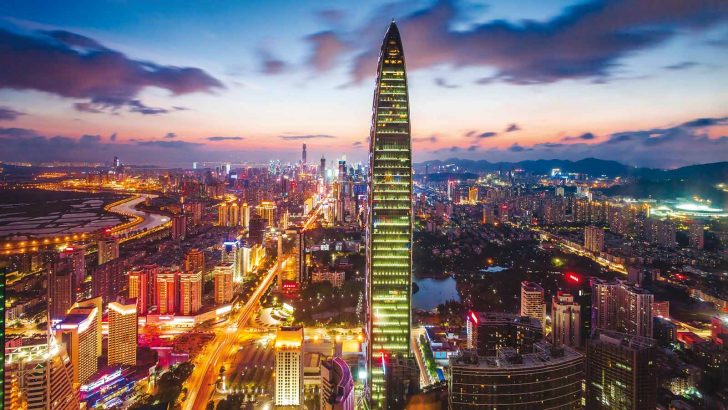
If you had told me 40 years ago that a sleepy fishing village would transform into a futuristic megacity of more than 17 million people, I might not have believed you.
Yet that is exactly what happened in Shenzhen.
Located in southern China’s Guangdong Province, directly across the border from Hong Kong, Shenzhen is China’s first Special Economic Zone and one of the fastest growing cities in modern history.
Today, it is a global technology powerhouse, home to giants like Huawei and Tencent.
But beyond business, Shenzhen offers leafy parks, modern shopping districts, beaches, and surprisingly clean streets.
So how safe is this high speed metropolis for travelers?
After digging into crime data, traveler experiences, and local regulations, here is my honest breakdown.
Warnings & Dangers in Shenzhen

OVERALL RISK: LOW
Overall, I rate Shenzhen as Low risk for travelers. Violent crime rates are low compared to many global cities of similar size. Police presence is visible, surveillance systems are extensive, and streets are generally well lit and orderly. For most visitors, safety concerns revolve more around scams or language barriers than physical danger.

TRANSPORT & TAXIS RISK: LOW
Public transportation in Shenzhen is modern, efficient, and affordable. The metro system is clean and easy to navigate, with English signage in most stations. Registered taxis are generally safe, though language can be a barrier. Ride hailing apps are widely used. The main risk is overcharging by unlicensed drivers near transit hubs.

PICKPOCKETS RISK: MEDIUM
Pickpocketing is not widespread, but it does occur in crowded shopping malls, metro stations, and tourist attractions. Busy areas such as pedestrian shopping streets attract opportunistic thieves. I would call it Medium risk simply because Shenzhen is a dense urban environment, and crowded spaces always increase the chances of petty theft.

NATURAL DISASTERS RISK: MEDIUM
Shenzhen sits along the South China Sea and is vulnerable to typhoons, especially between July and September. Heavy rains can cause localized flooding. Earthquakes are rare but possible. The city’s infrastructure is modern and built with storms in mind, but travelers should monitor weather forecasts during typhoon season.

MUGGING RISK: LOW
Street robberies and muggings are uncommon in Shenzhen. Violent crime rates remain low compared to many cities of similar population size. Most neighborhoods feel safe even after dark, particularly commercial and residential districts. Basic urban awareness is still important, but mugging is not a frequent concern.

TERRORISM RISK: LOW
There have been no significant terrorist incidents targeting tourists in Shenzhen. China maintains strict internal security measures, and surveillance is widespread. While no major city can be considered risk free, current data supports a Low risk assessment in this category.

SCAMS RISK: MEDIUM
Scams exist, particularly targeting foreigners unfamiliar with local customs. Common issues include tea house scams, counterfeit electronics, and inflated prices in tourist areas. Online payment systems dominate daily life, which can confuse visitors. Awareness and skepticism help reduce exposure to these relatively minor but annoying problems.

WOMEN TRAVELERS RISK: LOW
Shenzhen is generally safe for solo female travelers. Public harassment is less common than in many large global cities. Public transport is monitored, streets are well lit, and violent crime is rare. Cultural differences may exist, but from a safety perspective, I consider it Low risk for women.

TAP WATER RISK: MEDIUM
Tap water in Shenzhen is treated but not recommended for direct drinking. Locals typically boil water before consumption or use bottled water. For short term visitors, I strongly recommend sticking to bottled or filtered water to avoid stomach issues.
Safest Places to Visit in Shenzhen
One of the safest and most enjoyable areas I explored was Futian District.
This is Shenzhen’s central business district, filled with skyscrapers, shopping malls, and civic buildings.
The streets are clean, security presence is strong, and it feels extremely orderly.
Another favorite is Nanshan District, especially around Shenzhen Bay.
This area blends tech campuses, waterfront parks, and modern residential zones.
It feels polished and safe both day and night.
For nature lovers, Lianhua Mountain Park offers panoramic city views and peaceful walking trails.
It is popular with families and retirees, which adds to the relaxed atmosphere.
If you want entertainment, OCT Loft Creative Culture Park provides art galleries, cafes, and live music in a trendy but well maintained setting.
Finally, beachgoers should consider Dameisha Beach.
While it can get crowded, it is generally safe, patrolled, and well managed.
Stick to designated swimming areas and follow posted safety guidelines.
Places to Avoid in Shenzhen
Compared to many global megacities, Shenzhen does not have clearly defined dangerous neighborhoods.
However, some areas require more caution.
Border areas near checkpoints connecting to Hong Kong can be chaotic, particularly around train stations and bus terminals.
Crowds create ideal conditions for pickpocketing.
Remain alert in these transit heavy zones.
Certain older industrial zones on the outskirts of the city, especially late at night, may feel less secure due to lower foot traffic and fewer open businesses.
While not inherently dangerous, these areas lack the visible security presence of central districts.
Unlicensed markets selling counterfeit goods also deserve caution.
Disputes over pricing or quality can escalate into uncomfortable situations.
Avoid engaging in confrontations and simply walk away if something feels off.
Construction sites are common across Shenzhen due to constant development.
Sidewalk obstructions and temporary fencing can create poorly lit or isolated stretches after dark.
I recommend staying in well populated, central neighborhoods where police presence and surveillance are more prominent.
Safety Tips for Traveling to Shenzhen
- Stick to Official Transportation and Apps. Shenzhen’s public transport is modern, reliable, and extremely safe, but always use official metro lines, buses, and licensed taxis. Avoid drivers who approach you at train stations or bus terminals, as overcharging or scams can occur. Ride hailing apps like Didi are widely used, but make sure your app account is verified and linked to a secure payment method. Keep a screenshot of your route in case you need to explain your destination.
- Keep Your Passport and ID Secure. Chinese law requires foreigners to carry identification. Keep your passport in a hidden travel pouch or hotel safe and carry a photocopy when exploring the city. A small digital copy stored securely on your phone can help if your documents are lost. Never leave your passport unattended, especially in crowded markets or tourist sites.
- Be Mindful of Your Belongings in Crowded Areas. Shenzhen can get busy in shopping centers like Luohu Commercial City or crowded metro lines during rush hour. Use anti-theft backpacks or crossbody bags and keep wallets and phones in front pockets. Be cautious around people bumping into you or creating distractions, as pickpockets often work in teams.
- Plan for Typhoon Season. Typhoons hit Shenzhen mainly between July and September. Check weather forecasts daily, follow official advisories, and avoid low-lying streets prone to flooding. Hotels usually provide safety information, and some metro stations serve as temporary shelters. Even if a typhoon is forecasted, minor disruptions like delayed trains and temporary mall closures are common, so plan your itinerary with flexibility.
- Use Bottled or Filtered Water Only. Tap water is technically treated but not recommended for drinking. To avoid stomach issues, use bottled water for drinking and brushing teeth. Many hotels provide filtered dispensers, and convenience stores sell affordable bottled water. Carry a reusable bottle and refill it from filtered sources to reduce plastic waste.
- Learn Basic Mandarin and Cultural Phrases. English is limited outside hotels and tourist hotspots. Knowing simple phrases such as “thank you,” “how much,” and “where is…” can prevent confusion and help in emergencies. A translation app with offline capabilities is invaluable. Understanding basic customs, like not pointing or raising your voice in public, helps you blend in and avoid drawing unnecessary attention.
- Be Cautious with Payments. Shenzhen relies heavily on QR code payments via WeChat Pay and Alipay. Tourists may find these unfamiliar. If you link your bank card, ensure your account has strong security settings. When paying in cash, count notes carefully and avoid exchanging money on the street, where counterfeit bills can circulate.
- Respect Local Laws and Rules. China enforces laws strictly, and penalties for minor infractions can be severe. Avoid photographing sensitive infrastructure, littering, or using drones in restricted areas. Drug offenses, even for small amounts, carry extremely harsh consequences. Staying aware of local regulations keeps your trip trouble-free and stress-free.
- Choose Accommodation in Safe, Well-Lit Areas. Hotels in central districts like Futian, Nanshan, or near the airport are safest. They typically offer round-the-clock security, CCTV, and multilingual staff. Avoid staying in isolated industrial areas or unverified guesthouses. Check reviews for both safety and hygiene, and book through trusted platforms with verified hosts.
- Invest in Comprehensive Travel Insurance. Unexpected medical emergencies, theft, or travel delays can be costly. Shenzhen has modern hospitals, but costs for foreigners can be high without insurance. Look for policies covering emergency medical evacuation, lost luggage, and trip interruption. Some insurance plans even offer 24/7 multilingual assistance, which is extremely helpful if you encounter an unexpected situation in a foreign city.
So... How Safe Is Shenzhen Really?
From my research and personal evaluation, Shenzhen ranks as one of the safer major cities in Asia for travelers.
Violent crime rates are low relative to its population of over 17 million.
Surveillance systems are extensive, police visibility is strong, and infrastructure is modern.
The primary risks are environmental and situational rather than criminal.
Typhoons pose seasonal challenges.
Language barriers can complicate emergencies.
Scams exist but rarely escalate into violence.
Compared to many Western cities of similar size, Shenzhen experiences lower rates of street crime.
However, travelers must adapt to strict legal enforcement and different digital payment systems.
In my opinion, Shenzhen is safe for tourists who practice normal urban precautions.
It may feel intense due to its size and rapid pace, but statistically and practically, it offers a secure environment for business travelers, solo adventurers, and families alike.
How Does Shenzhen Compare?
| City | Safety Index |
|---|---|
| Shenzhen |
64 |
| Guangzhou |
64 |
| Hangzhou |
78 |
| Macau |
85 |
| Beijing |
75 |
| Tibet |
87 |
| Lhasa |
72 |
 Mount Dora Mount Dora | 91 |
| Berwyn | 74 |
 Karachi Karachi | 35 |
 San Sebastian San Sebastian | 56 |
 Dundee Dundee | 60 |
| Kalamazoo | 44 |
Useful Information

Visas
Most travelers require a Chinese tourist visa obtained in advance. Single entry visas typically cost between 140 and 180 USD for US citizens and allow stays of 30 to 60 days. Some nationalities can access limited visa free transit options. Apply through a Chinese consulate or authorized visa center.

Currency
Shenzhen uses the Chinese Yuan, also called Renminbi. Credit cards are accepted in major hotels, but mobile payments dominate daily transactions. Exchange money at banks or withdraw from ATMs. Airport exchange counters often have higher fees.

Weather
Shenzhen has a humid subtropical climate. Summers are hot and humid, often exceeding 30 C with heavy rainfall. Winters are mild, averaging 15 to 20 C. Pack lightweight clothing for summer and a light jacket for cooler months.

Airports
The main airport is Shenzhen Bao'an International Airport, located about 32 kilometers from downtown. Metro Line 11 and airport buses connect directly to central districts. Taxi rides typically take 30 to 45 minutes depending on traffic.

Travel Insurance
Medical facilities in Shenzhen are modern but can be expensive for foreigners. Comprehensive travel insurance covering medical emergencies, trip delays, and lost belongings is highly recommended before departure.
Shenzhen Weather Averages (Temperatures)
Average High/Low Temperature
| Temperature / Month | Jan | Feb | Mar | Apr | May | Jun | Jul | Aug | Sep | Oct | Nov | Dec |
|---|---|---|---|---|---|---|---|---|---|---|---|---|
| High °C |
18 | 18 | 22 | 26 | 29 | 31 | 32 | 32 | 31 | 28 | 24 | 20 |
| Low °C |
13 | 13 | 16 | 20 | 23 | 25 | 26 | 26 | 25 | 22 | 18 | 14 |
| High °F |
64 | 64 | 72 | 79 | 84 | 88 | 90 | 90 | 88 | 82 | 75 | 68 |
| Low °F |
55 | 55 | 61 | 68 | 73 | 77 | 79 | 79 | 77 | 72 | 64 | 57 |
China - Safety by City
| City | Safety Index |
|---|---|
| Beijing | 75 |
| Chengdu | 74 |
| Guangxi Guilin | 76 |
| Guangzhou | 64 |
| Hangzhou | 78 |
| Hong Kong | 75 |
| Lhasa | 72 |
| Macau | 85 |
| Shanghai | 70 |
| Shenzhen | 64 |
| Suzhou | 79 |
| Tianjin | 67 |
| Tibet | 87 |
| Xian | 73 |
| Xinjiang | 80 |
| Yangshuo | 77 |













Your website needs update urgenly
You are describing the Shenzhen of 1990s. I grow up in Shenzhen, for 20 years me and my family have never meet pocketpickers.
Shenzhen one of the safest places in the world
I am a European living in Shenzhen since 2006 (15 years now). Your reviews are not accurate at all.
Never had any issue, and in 2021 it is getting as safe, if not even safer, than Singapore or Japan.
All green lights on all topics now!
Lived 2 years in Shenzhen. Very safe. The city is covered by police security cameras. Much safer than any big USA city. There is counterfeit money but easy to distinguish real from fake if you look on line to determine how.
SAFE AS A BABY
WTF? There isn’t s single pick pocket in the city. Your data is 15 years out of date. Shenzhen is probably the safest city in the entire world.
Information needss upgrade
With Wechat pay you can purchase almost everywhere. Do not bring too much cash in China. It’s uncommon now. And Shenzhen is much much more safer than London, Paris, Amsterdam, etc, although it’s not in the safest tier of Chinese cities.
Are you kidding me? I grew up in Shenzhen and I can assure you it’s a very, very safe city and it’s definitely safer than Hong Kong today, if Hong Kong is 70, Shenzhen must be 80.
A place filled with history and fun
It’s hard to believe this was once a small town seeing how big and populated it is today. You can do a lot of shopping here plus there are many themed parks that are very exciting. I’ve visited Buddhist temples where the energy was very different from the outside. It was a surreal experience for me.
In 15 years living here, I have never, ever even once seen a pickpocket. One of the safest cities in the world.
In the pre-pandemic days, tickets scalpers we recognizable for being the people waving Tufts of cash in the air in the middle of the crowds. Tufts! Of cash!
What was it like to see those historical sites mixed in with the modern hustle of Shenzhen? It must create such a unique vibe!
Not sure if all the hype is deserved, but I did find Dafen Oil Painting Village pretty interesting, even if it felt a bit touristy.
So, is the fun and shopping in Shenzhen really that much better than just binge-watching Netflix at home?
So, are all those theme parks just a cover-up for the fact that Shenzhen used to be a tiny town? Seems like a huge leap from quiet streets to amusement overload!
I must admit, it’s pretty wild to think that Shenzhen’s clean streets and tech vibes overshadowed its fishing village roots completely.
Funny how a city of 17 million can feel so calm, the surprisingly clean streets and leafy parks by the beach always put me at ease.
Walking home from a late-night noodle stall, I felt surprisingly safe and kind of amused by how spotless the sidewalks were compared with other big cities.
I’ve been around Shenzhen a few times and yeah, the streets do look pretty spotless, but I still felt a bit on edge in some crowded spots, so don’t expect everything to be all sunshine and safety just because it’s shiny and new.
I’ve been to Shenzhen a few times and never expected the parks to be such a chill spot right in the middle of all that tech buzz; did you find any quieter neighborhoods to escape the crowds?
I remember wandering around those clean streets and feeling that mix of amazement and weird comfort, like this city completely rewrote what I thought about urban life.
I was honestly surprised by how calm the streets felt even during busy times, like the parks seemed like a quiet break from all the tech buzz around.