


 China : Safety by City
- Beijing
- Chengdu
- Guangxi Guilin
- Guangzhou
- Hangzhou
- Hong Kong
- Lhasa
- Macau
- Shanghai
- Shenzhen
- Suzhou
- Tianjin
- Tibet
- Xian
- Xinjiang
- Yangshuo
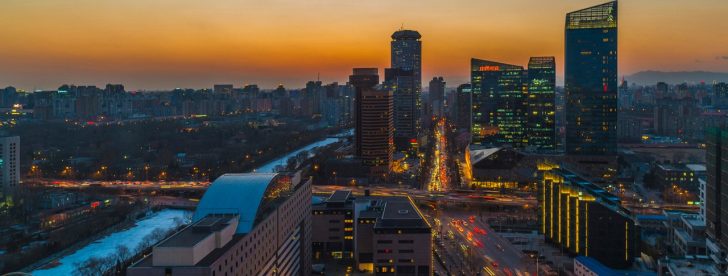
Beijing sits in northern China, a sprawling capital where ancient dynasties and futuristic skylines coexist in the same breath.
One minute you are standing beneath the vermilion gates of the Forbidden City, the next you are gliding on a spotless subway under glass towers and digital billboards.
With more than 20 million residents, Beijing is not just the political heart of China but also its cultural and historical soul.
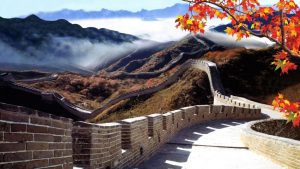
From the Great Wall snaking across nearby mountains to the vast symmetry of Tiananmen Square, Beijing feels monumental in every sense.
But size and global significance often raise one big question for travelers: Is Beijing safe?
After researching crime data, travel advisories, and speaking with fellow travelers who have explored the city, here is my honest, practical breakdown.
Warnings & Dangers in Beijing

OVERALL RISK: LOW
Beijing is generally a low crime city for visitors. Violent crime against tourists is rare, and heavy police presence, surveillance systems, and strict law enforcement contribute to a strong sense of public order. Petty crime exists but is manageable with basic awareness. Compared to many global capitals, Beijing feels notably secure.

TRANSPORT & TAXIS RISK: LOW
Public transport in Beijing is modern, affordable, and extremely safe. The subway system is clean and monitored. Licensed taxis are reliable, though occasional overcharging can happen if drivers avoid using the meter. Ride-hailing apps are widely used and reduce risk even further. Traffic accidents are a bigger concern than crime.

PICKPOCKETS RISK: MEDIUM
Pickpocketing occurs in crowded areas like subway stations, major tourist sites, and busy markets. It is not rampant, but it does happen. The risk increases during national holidays when domestic tourism surges. Keeping bags zipped and phones secure significantly lowers the chances of problems.

NATURAL DISASTERS RISK: MEDIUM
Beijing is occasionally affected by earthquakes, though major ones are rare. Summer brings heavy rainstorms and occasional flooding. Winter can be bitterly cold with icy sidewalks. Air pollution, while improved in recent years, can spike during certain seasons and may affect travelers with respiratory conditions.

MUGGING RISK: LOW
Street robberies and muggings are uncommon in Beijing, especially in central districts. The city is well lit at night and heavily monitored. Most neighborhoods frequented by tourists feel safe even after dark, though isolated areas on the outskirts should still be approached cautiously.

TERRORISM RISK: LOW
Beijing maintains strict security protocols and visible law enforcement in public spaces. Major tourist sites, transport hubs, and government buildings are monitored closely. Incidents are rare, and security screening is common in subway stations and public buildings, which contributes to the low risk level.

SCAMS RISK: MEDIUM
Scams are one of the more realistic concerns for travelers. The well-known “tea house scam” and art student invitations around tourist areas like Wangfujing have targeted visitors in the past. Fake taxi drivers at airports also occasionally approach tourists. Staying skeptical of unsolicited invitations is key.

WOMEN TRAVELERS RISK: LOW
Beijing is generally safe for women traveling alone. Public harassment is relatively uncommon compared to many major cities worldwide. That said, common sense precautions apply, especially late at night. Women often report feeling comfortable using public transport and walking in central areas.

TAP WATER RISK: HIGH
Tap water in Beijing is not considered safe for direct drinking. Locals typically boil water before consumption. Visitors should rely on bottled water or filtered water provided by hotels. Brushing teeth with tap water is generally fine, but drinking it untreated is not recommended.
Safest Places to Visit in Beijing
Central Beijing is where travelers will feel most comfortable.
The area around the Forbidden City and Tiananmen Square is heavily patrolled and constantly monitored.
While crowded, it is orderly and secure.
The same applies to the Temple of Heaven Park, where locals practice tai chi at dawn and tourists stroll without concern.
The Sanlitun district is another safe and lively area, especially for international travelers.
Known for embassies, upscale malls, and nightlife, it has a visible police presence and modern infrastructure.
It feels cosmopolitan and welcoming.
Wangfujing, Beijing’s famous shopping street, is well lit and busy into the evening.
Although it attracts pickpockets, violent crime is rare.
Staying alert is enough.
The Olympic Park area, home to the iconic Bird’s Nest stadium, is spacious and calm, especially during the day.
Families, joggers, and tourists frequent this area, and it has a relaxed atmosphere.
Finally, the Mutianyu section of the Great Wall, about 90 minutes from the city center, is one of the safest and best maintained stretches for visitors.
Organized tours and proper facilities make it a secure and enjoyable excursion.
Places to Avoid in Beijing
Beijing does not have clearly defined “no-go” zones like some major cities, but certain areas require caution.
Unlicensed taxi drivers operating near airports and train stations should be avoided.
They often approach foreigners aggressively and may overcharge.
Always use official taxi stands or ride-hailing apps.
Certain nightlife pockets in outer districts can become rowdy late at night.
While central Sanlitun is generally safe, venturing deep into unfamiliar alleyways after heavy drinking is unwise.
Remote suburban districts far from tourist infrastructure may lack English signage, reliable transport options, and visible security presence.
While not necessarily dangerous, they can leave visitors vulnerable if something goes wrong.
Tourist scam hotspots near major attractions also deserve caution.
Individuals who approach claiming to be students wanting to practice English, or inviting you to tea ceremonies, are often involved in overpriced scam setups.
As with any large metropolis, deserted parks or poorly lit areas late at night are best avoided.
Safety Tips for Traveling to Beijing
- Use the Subway Strategically and Avoid Rush Hour Crush. Beijing’s subway system is one of the safest and most efficient ways to get around, but it can become intensely crowded between 7:30 to 9:30 AM and 5:00 to 7:30 PM. During peak hours, trains are packed shoulder to shoulder, which increases the risk of pickpocketing and simple discomfort. If your schedule allows, plan major sightseeing trips outside rush hour. Use Line 1 for central landmarks like Tiananmen Square, and keep your bag in front of you in dense crowds.
- Stick to Licensed Taxis and App Based Rides, Especially at Airports. At Beijing Capital and Daxing airports, ignore anyone approaching you inside the terminal offering a ride. Follow official taxi signage and queue at designated stands. Insist that the driver uses the meter. Ride hailing apps are often more transparent on pricing and reduce language confusion. Keep your destination written in Chinese characters to show drivers clearly.
- Be Alert to the “Tea House” and “Art Student” Scams. In areas around Wangfujing and near Tiananmen Square, strangers may approach claiming to be students wanting to practice English. The interaction often ends with an invitation to a tea ceremony or gallery visit with an inflated bill. The safest approach is polite refusal. Genuine cultural exchanges rarely begin with persistent street invitations.
- Monitor Air Quality and Plan Outdoor Activities Accordingly. Air pollution in Beijing has improved significantly, but certain days still see elevated particulate levels. Download a reliable air quality app and check the AQI each morning. If levels spike, consider indoor attractions like museums or shopping complexes. Travelers with asthma or respiratory conditions should carry necessary medication and consider a high quality mask for poor air days.
- Carry Your Passport and Understand Police Checks. Chinese regulations require foreigners to carry valid identification. While checks are not constant, they can occur near major government buildings or during events. Keep your passport securely stored in a concealed pouch. Hotels automatically register your stay, but if staying in a private apartment, ensure local registration procedures are followed.
- Be Extra Cautious Crossing Streets, Even with a Green Light. Traffic in Beijing moves fast, and drivers sometimes turn right on red without yielding fully to pedestrians. Always make eye contact with drivers before stepping into the road. Electric scooters are especially silent and can approach quickly from unexpected angles. Pedestrian safety is less about crime and more about traffic awareness.
- Use Bottled or Boiled Water Only. Tap water in Beijing is not recommended for direct drinking. Even locals typically boil water before consumption. Purchase sealed bottled water from reputable shops and avoid ice in small, unknown establishments unless you are confident it was made from purified water. Upscale hotels and international restaurants generally use filtered systems.
- Avoid Political Discussions and Respect Local Laws. Beijing is the political center of China, and security is particularly tight around government areas. Avoid photographing sensitive buildings, military installations, or security checkpoints. Public demonstrations are rare and strictly controlled. Respect local laws carefully, especially concerning controlled substances, which carry severe penalties.
- Plan Great Wall Visits with Reputable Operators. If visiting sections of the Great Wall near Beijing, choose established operators or public transport routes to Mutianyu or Badaling. Avoid random drivers offering “cheap tours.” Proper operators provide clear pricing and safe transportation. Bring sufficient water, especially in summer, as heat exposure on the Wall can be intense.
- Prepare for Language Barriers with Smart Tech Backup. English is not widely spoken outside hotels and tourist centers. Download offline maps and translation apps before arrival. Screenshot your hotel address in Chinese characters. This simple preparation prevents confusion with taxi drivers and helps if your phone loses connectivity. Clear communication reduces stress and prevents small logistical issues from becoming safety concerns.
So... How Safe Is Beijing Really?
Objectively speaking, Beijing ranks as one of the safer mega cities in the world for tourists.
Violent crime rates are low compared to many Western capitals.
Heavy surveillance, strong police presence, and strict law enforcement contribute to an environment where street crime is limited.
The biggest risks are not violent attacks but petty theft, scams, traffic accidents, and health related concerns like air pollution or water quality.
For context, millions of international visitors travel to Beijing annually with minimal incident.
What stands out most is the sense of public order.
Subway stations have security checks, public squares have patrols, and CCTV cameras are widespread.
While this level of monitoring may surprise some visitors, it undeniably contributes to a feeling of safety.
In practical terms, if you exercise the same caution you would in any global capital, Beijing is very safe for travel.
How Does Beijing Compare?
| City | Safety Index |
|---|---|
| Beijing |
75 |
| Tibet |
87 |
| Xian |
73 |
| Hong Kong |
75 |
| Lhasa |
72 |
| Guangzhou |
64 |
| Suzhou |
79 |
 Old Saybrook Old Saybrook | 91 |
 Palermo Palermo | 55 |
| Arnolds Park | 85 |
| Hoboken | 73 |
 Montego Bay Montego Bay | 60 |
 Gyumri Gyumri | 87 |
Useful Information

Visas
Most travelers require a tourist visa before arriving in China. Fees typically range from 140 USD for US citizens, with processing taking several business days. Short visa free transit options exist for certain nationalities staying under specific time limits. Always confirm requirements well before departure.

Currency
Beijing uses the Chinese Yuan Renminbi. Mobile payments are dominant, but tourists can use cash and international cards in major hotels and malls. Exchange money at banks or airport counters, though rates are better in the city.

Weather
Beijing experiences hot summers and cold winters. Summer temperatures often exceed 90°F with humidity, while winter can drop below freezing. Spring and autumn are ideal. Pack layers and prepare for significant seasonal swings.

Airports
Beijing is served by Beijing Capital International Airport and Beijing Daxing International Airport. Both connect to the city via airport express trains, taxis, and buses. The train is the fastest and most convenient option for most travelers.

Travel Insurance
Travel insurance is highly recommended. It protects against medical emergencies, trip cancellations, and unexpected disruptions. Healthcare in Beijing is good at international hospitals, but costs can be high without insurance coverage.
Beijing Weather Averages (Temperatures)
Average High/Low Temperature
| Temperature / Month | Jan | Feb | Mar | Apr | May | Jun | Jul | Aug | Sep | Oct | Nov | Dec |
|---|---|---|---|---|---|---|---|---|---|---|---|---|
| High °C |
2 | 5 | 13 | 21 | 27 | 31 | 32 | 30 | 26 | 18 | 10 | 3 |
| Low °C |
-8 | -6 | 1 | 9 | 15 | 19 | 22 | 21 | 15 | 7 | 0 | -7 |
| High °F |
36 | 41 | 55 | 70 | 81 | 88 | 90 | 86 | 79 | 64 | 50 | 37 |
| Low °F |
18 | 21 | 34 | 48 | 59 | 66 | 72 | 70 | 59 | 45 | 32 | 19 |
China - Safety by City
| City | Safety Index |
|---|---|
| Beijing | 75 |
| Chengdu | 74 |
| Guangxi Guilin | 76 |
| Guangzhou | 64 |
| Hangzhou | 78 |
| Hong Kong | 75 |
| Lhasa | 72 |
| Macau | 85 |
| Shanghai | 70 |
| Shenzhen | 64 |
| Suzhou | 79 |
| Tianjin | 67 |
| Tibet | 87 |
| Xian | 73 |
| Xinjiang | 80 |
| Yangshuo | 77 |






Nice city
Beijing is a beautiful place for architecture and holy grounds. I was not sure how I would feel traveling there though. A long-time friend of mine I have known online for over 10 years invited me to visit for 2 weeks and I went earlier this year. Having someone who knew the area helped a lot. I would not have went knowing nothing as I likely would have gotten into some trouble somewhere.
Super safe, lots of things to do
Beijing will overload you with things to do. And besides some pickpockets and scams, this place is extremely safe. This city has very historical sites and is probably the most modern city in the world.
safe for the most part
I’ve been living in Beijing for almost five years. I can really say that it’s safe for the most part, except my bike was stolen once. the police helped me though and I ended up getting it back within a week. Funny thing: the thief was a foreigner! a tip that has also helped me a lot is that you shouldn’t give 100¥ bills to taxi drivers.
In some rare cases, they will drop it on the floor, exchange it with a fake bill and then say that you gave them the fake money.
beware of that, always lock your bike and as long as you always check your belongings, you will be just fine.
Good
I’ve lived here for months and I’ve not experienced even a greedy taxi driver. The buses are great because they are mostly electric.
Beijing deserves a >90 not 65. I haven’t witnessed pickpocketing/scams.
So, are you saying that getting lost in the smog while trying to find the Forbidden City is part of the charm, or did I miss the memo?
Walking out of the Forbidden City at dusk I felt surprisingly relaxed, the subway car was spotless and a warm jianbing from a nearby stall made the evening feel cozy.
Subway spotless and fast, yet I still clutched my bag walking past Tiananmen and felt oddly on edge, which makes me wonder how safe it really is.
Standing beneath those vermilion gates made me unexpectedly teary, then zoning out on a spotless subway under glass towers felt oddly comforting.