


 Indonesia : Safety by City
Indonesia - safety as a country
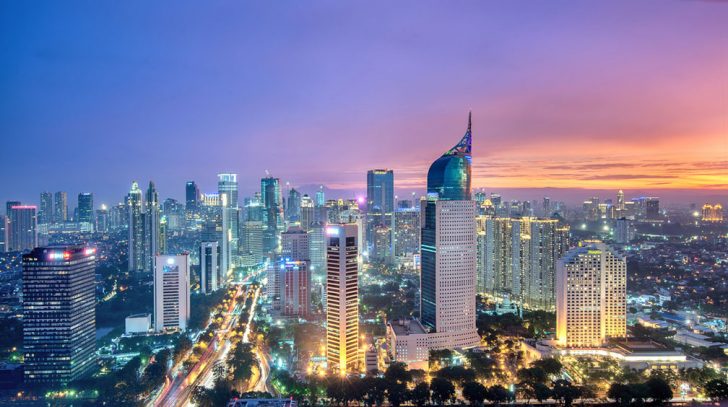
Jakarta is a city of scale and contrast.
As the capital of Indonesia, it is home to more than 10 million people within city limits and over 30 million in the greater metropolitan area.
Skyscrapers rise above sprawling neighborhoods, luxury malls sit beside chaotic street markets, and traffic can feel like a sport of its own.
Unlike Bali, which is designed around tourism, Jakarta is a working megacity.
It is the political, financial, and cultural engine of the country.
Most visitors come for business, food exploration, or as a transit stop before heading elsewhere in Indonesia.
From a safety perspective, Jakarta is not a high violence city for tourists.
Serious crime targeting visitors is relatively uncommon.
However, petty theft, traffic risks, flooding, and urban scale are the real considerations.
So how safe is Jakarta really?
Let’s break it down honestly and in detail.
Warnings & Dangers in Jakarta

OVERALL RISK: MEDIUM
Jakarta is generally safe for travelers who practice urban awareness. Violent crime against tourists is uncommon, especially in central business districts. The primary risks are pickpocketing, scams, traffic accidents, and occasional flooding. With smart planning, most visits are smooth.

TRANSPORT & TAXIS RISK: MEDIUM
Traffic is one of Jakarta’s biggest hazards. Road accidents are common due to congestion and motorbike density. Licensed taxis and reputable ride share apps are safe and widely used. Avoid unregistered taxis and always confirm driver details before entering the vehicle.

PICKPOCKETS RISK: MEDIUM
Pickpocketing occurs in crowded areas such as markets, bus stations, and commuter trains. It is usually non violent and opportunistic. Keeping bags zipped and phones discreet greatly reduces risk.

NATURAL DISASTERS RISK: MEDIUM
Jakarta is prone to flooding during heavy rains, especially between November and March. Parts of the city also face land subsidence. Indonesia sits on the Pacific Ring of Fire, meaning earthquakes are possible, though less common in Jakarta than other regions.

MUGGING RISK: LOW
Muggings are not widespread in central business districts but can occur in poorly lit or less populated neighborhoods. Avoid walking alone late at night outside major commercial zones.

TERRORISM RISK: MEDIUM
Indonesia has experienced terrorist incidents in the past, including attacks in Jakarta. Security in malls, hotels, and office buildings is visibly strong, with bag checks and vehicle screening common.

SCAMS RISK: MEDIUM
Taxi overcharging, fake tour offers, and distraction techniques in busy areas can occur. Financial scams are more common than physical threats.

WOMEN TRAVELERS RISK: MEDIUM
Jakarta is relatively modern and cosmopolitan. Solo female travelers generally report feeling safe in business and commercial districts. Modest dress and avoiding isolated areas at night are advisable.

TAP WATER RISK: HIGH
Tap water is not safe for drinking. Bottled water is inexpensive and widely available.
Safest Places to Visit in Jakarta
Safety in Jakarta depends heavily on district selection.
Central Jakarta, especially around the Sudirman and Thamrin business corridors, is considered the safest area for visitors.
This district includes major hotels, office towers, embassies, and shopping centers.
Security checks are routine at malls and hotels, which adds a layer of protection.
Menteng is an upscale residential area with tree lined streets and colonial era homes.
It is quieter and generally safe during the day.
SCBD (Sudirman Central Business District) is one of the most modern parts of the city.
Restaurants, nightlife venues, and office buildings are concentrated in a controlled environment with private security.
Kemang in South Jakarta is popular with expats.
It has cafés, bars, and international restaurants.
While generally safe, it is best navigated by car or ride share rather than on foot at night.
Shopping malls such as Grand Indonesia and Plaza Indonesia are highly secure and commonly used as social hubs.
Security screenings at entrances are standard practice.
Places to Avoid in Jakarta
Jakarta does not have clearly defined tourist no go zones, but certain areas are less suitable for casual exploration.
Some densely populated neighborhoods in North Jakarta and parts of West Jakarta experience higher crime rates and infrastructure challenges.
These are primarily residential or industrial areas with little tourist appeal.
The old port area near Tanjung Priok is not recommended for independent exploration.
Certain sections of Kota Tua (Old Town) are safe during the day when tourists are present, but deserted streets after dark can feel isolated.
Flood prone districts during heavy rains can become difficult to navigate and unsafe due to water levels and traffic chaos.
As a rule, if an area lacks commercial activity, visible security, and consistent foot traffic, it is better to avoid wandering there casually.
Safety Tips for Traveling to Jakarta
- Choose Accommodation in Central or South Jakarta. Staying near Sudirman, Thamrin, SCBD, or Menteng reduces transportation risks and keeps you within heavily monitored business districts. Location directly impacts your overall safety experience in Jakarta.
- Use Reputable Ride Share Apps Instead of Street Taxis. Apps like Grab and Gojek are widely used and provide driver tracking and fare transparency. Confirm the license plate and driver name before entering the vehicle. Avoid accepting unsolicited ride offers.
- Plan Around Traffic, Not Just Distance. A short distance on the map can take over an hour in Jakarta traffic. Being stuck in traffic late at night in unfamiliar areas increases vulnerability. Schedule movements during daylight whenever possible.
- Stay Alert in Public Transit and Stations. The MRT is modern and generally safe, but commuter trains and bus terminals can be crowded. Keep bags in front of you and avoid using your phone near doors during stops.
- Prepare for Flood Season. If traveling between November and March, monitor weather forecasts. Heavy rain can cause flash flooding and severe traffic disruption. Avoid low lying areas during storms.
- Expect Security Checks and Cooperate Calmly. Bag inspections at malls and hotels are standard. These checks are part of Indonesia’s preventive security measures. Allow extra time and comply respectfully.
- Avoid Flashy Displays of Wealth. Jakarta is a city of extremes, with visible wealth and poverty side by side. Wearing expensive jewelry or displaying large amounts of cash can attract unwanted attention.
- Use ATMs Inside Banks or Shopping Centers. Standalone street ATMs are more vulnerable to tampering. Withdraw money during the day and store it discreetly.
- Dress Modestly in Non Commercial Areas. Jakarta is modern, but Indonesia is culturally conservative. Dressing modestly outside nightlife zones shows respect and reduces unwanted attention.
- Have Offline Access to Maps and Contacts. Internet service is generally reliable but can fail. Download maps and keep hotel contact information accessible offline in case you need assistance quickly.
Jakarta rewards organized travelers. It is not a city for spontaneous wandering without direction. Structure and planning make a measurable difference.
So... How Safe Is Jakarta Really?
Jakarta is a megacity, not a resort town.
Comparing it to Bali would be misleading.
As an urban capital, it carries typical big city risks: petty crime, traffic hazards, infrastructure stress, and occasional political demonstrations.
However, violent crime targeting tourists is not widespread.
Central business districts are heavily monitored, and security practices are visible and systematic.
Terrorism risk exists historically, but preventive measures are robust.
In my assessment, Jakarta falls into the moderate risk category.
It is not dangerous for informed travelers, but it demands attentiveness and planning.
If you stay in the right districts, use reputable transport, and avoid unnecessary risks, Jakarta can be explored safely and confidently.
How Does Jakarta Compare?
| City | Safety Index |
|---|---|
| Jakarta |
55 |
| Ubud |
80 |
| Surabaya |
80 |
| Bali |
70 |
| Denpasar |
60 |
| Kuta Beach |
70 |
| Lombok |
74 |
 Elmira Elmira | 64 |
| Hulett | 79 |
| St. Charles | 79 |
| Luray | 81 |
 Chandigarh Chandigarh | 77 |
 Vagharshapat Vagharshapat | 88 |
Useful Information

Visas
Many travelers can enter Indonesia visa free for short stays or obtain a visa on arrival valid for 30 days. Requirements vary by nationality, so verify before departure.

Currency
Indonesia uses the Indonesian rupiah. Exchange money at authorized money changers or banks. Credit cards are widely accepted in malls and hotels.

Weather
Jakarta has a tropical climate with high humidity year round. The rainy season runs roughly from November to March. Lightweight, breathable clothing is recommended.

Airports
Soekarno Hatta International Airport is the main gateway to Jakarta, located about 45 to 90 minutes from central districts depending on traffic. Airport trains, official taxis, and ride share services are available.

Travel Insurance
Comprehensive travel insurance is strongly recommended. Ensure coverage includes medical treatment, trip disruption, and natural disaster related delays. Jakarta is intense, layered, and fast moving. With the right approach, it is also manageable and surprisingly welcoming.
Jakarta Weather Averages (Temperatures)
Average High/Low Temperature
| Temperature / Month | Jan | Feb | Mar | Apr | May | Jun | Jul | Aug | Sep | Oct | Nov | Dec |
|---|---|---|---|---|---|---|---|---|---|---|---|---|
| High °C |
30 | 30 | 31 | 32 | 32 | 32 | 32 | 33 | 33 | 33 | 32 | 31 |
| Low °C |
24 | 24 | 24 | 24 | 24 | 24 | 24 | 24 | 24 | 24 | 24 | 24 |
| High °F |
86 | 86 | 88 | 90 | 90 | 90 | 90 | 91 | 91 | 91 | 90 | 88 |
| Low °F |
75 | 75 | 75 | 75 | 75 | 75 | 75 | 75 | 75 | 75 | 75 | 75 |
Indonesia - Safety by City
| City | Safety Index |
|---|---|
| Bali | 70 |
| Bandung | 78 |
| Banjarmasin | 63 |
| Denpasar | 60 |
| Jakarta | 55 |
| Jayapura | 46 |
| Kuta Beach | 70 |
| Lombok | 74 |
| Medan | 62 |
| Surabaya | 80 |
| Ubud | 80 |
| Yogyakarta | 75 |





Stunning city
Jakarta is a very busy place so if you are not keen on going to a place where you always have to be moving, go elsewhere. This place seems to get a lot of tourists and the locals do not slow down the pace for no one. I had a wonderful time here with my wife and our friends did not. It was just too busy for them to enjoy it.
I’m sorry, but I live in Jakarta and there arent any terrorist attack neither earthquakes and tsunami’s that occur, the transport risks are not majorly in Jakarta you may be talking about the country itself but to throw this out there it’s safe and even if there are thefts they’re mostly in suburban places
Another citizen.
Noticable earthquakes do happen probably once or twice a year but other then that I agree.
Expériences in the city
I agree with most of informations.
Just as usually in any country with high % of poor people, you will consider the difference of their revenue that could push some people to be opportunistic.
Generally it’s advised not to stay alone anywhere and to be connected with local practices.
Visiting this city is in itself an adventure. You feel to be part of the last century in some areas.
Yes
I will go there again after covid 19
Busy, lively city
I’ve lived 30 years in Jakarta and whilst it is might be not the safest city, it is not also a dangerous place to live at all. Of course, there are some sketchy areas, where there are no tourist attractions. But locals wouldn’t even go there anyway. Just stay in Central or South Jakarta, where it is mostly safe. We have MRT now which really clean and safe. Yes, terrorist attacks occurred a couple of times in the past, but gunshots and gang fights happened almost every day in US cities, which I find more terrifying. Antiterrorism special forces also worked very hard to capture terrorists in our country. We have so many great cafes, restaurants, street food, attractions you should try.
I live in usa. The places that gun violence happens everyday, you would never visit.
There’s something unforgettable about the mix of old and new in Jakarta, like wandering through the Old City and suddenly being hit with memories of a different time while not far away, the buzz of modern life is happening all around.
Navigating through the traffic can be overwhelming, but the energy of the city really pulls you in.
Got stuck in Jakarta traffic and felt totally wiped out, but a tiny street-food stall by the chaotic market served the best meal and kept me exploring.
Honestly, the traffic on Sudirman made me miss a meeting, but grabbing sate near Pasar Baru afterward actually made the whole day worth it.
Trying to cross those endless streets always feels like an adrenaline rush, but hey, once you get the hang of it, the chaos kinda becomes part of the city’s charm.