


 Indonesia : Safety by City
Indonesia - safety as a country
Denpasar is the capital of Bali, sitting on the island’s southern side between busy tourist zones and more local neighborhoods that show a very different face of Bali.
Many travelers pass through it without giving it much thought, usually on the way from Ngurah Rai International Airport to places like Sanur, Kuta, or Ubud.
That is a mistake.
Denpasar is not the polished postcard Bali of infinity pools and clifftop sunsets.
It is a real working city with markets, temples, government buildings, local food streets, and a fast pace that feels far more Indonesian than resort heavy beach towns nearby.
I find Denpasar interesting because it gives travelers a grounded look at daily life in Bali.
In safety terms, it is not a city that should scare most tourists, but it is definitely a place where awareness matters.
Warnings & Dangers in Denpasar

OVERALL RISK: MEDIUM
Denpasar is fairly safe for most travelers, especially during the day and in well known areas. Violent crime against tourists is not the main issue here. The bigger concerns are petty theft, traffic chaos, scams, and health related problems like unsafe drinking water or food hygiene mistakes. Travelers who stay alert usually do fine.

TRANSPORT & TAXIS RISK: MEDIUM
Transport in Denpasar can be stressful more than dangerous, but the roads are busy, scooters move aggressively, and traffic rules often feel flexible. Taxi overcharging and unofficial drivers can be an issue around tourist routes and transport hubs. I would stick to reputable taxi companies, ride hailing apps, or hotel arranged transfers whenever possible.

PICKPOCKETS RISK: MEDIUM
Pickpocketing is not the first thing most people fear in Bali, but it does happen in crowded markets, shopping areas, and busy roadside spots. Phone snatching and bag grabs from passing motorbikes are often a bigger problem than classic pickpockets. Keep your valuables zipped up and never let a bag hang loosely toward traffic.

NATURAL DISASTERS RISK: HIGH
This is one risk travelers should take seriously. Bali faces earthquakes, flooding, strong storms in the wet season, and island wide disruption from volcanic activity in the region. Denpasar itself is not usually the most dramatic disaster zone, but heavy rain can flood roads and create major transport problems. Weather awareness matters here.

MUGGING RISK: MEDIUM
Straight up mugging is not one of the most common tourist problems in Denpasar, but bag snatching and street robberies do happen, especially at night or on quieter roads. Travelers walking alone with visible phones, jewelry, or handbags are more exposed. I would not call Denpasar highly dangerous, but I would not call it carefree either.

TERRORISM RISK: MEDIUM
Indonesia has faced terrorist incidents in the past, and Bali’s tourism profile makes security a standing concern. Denpasar is not under constant threat in a way most tourists will directly feel, but crowded venues, nightlife areas, and symbolic places always deserve extra awareness. In everyday terms, the risk is low frequency but taken seriously by authorities.

SCAMS RISK: MEDIUM
Scams are one of the most realistic annoyances for visitors. These can include inflated taxi fares, rigged exchange counters, fake transport offers, scooter rental disputes, and overcharging in tourist facing businesses. None of this means Denpasar is a scam capital, but it does reward travelers who confirm prices in advance and avoid random street offers.

WOMEN TRAVELERS RISK: MEDIUM
Women travel through Denpasar safely every day, including solo travelers, but extra caution is smart after dark. Poorly lit streets, drink spiking risks in Bali, and unwanted attention can become issues in nightlife adjacent areas. I would say Denpasar is manageable rather than intimidating, especially if you use trusted transport and avoid isolated areas late at night.

TAP WATER RISK: HIGH
Do not drink tap water in Denpasar. This is one of the easiest ways to ruin a trip. Stick to sealed bottled water or properly filtered water from reputable hotels and restaurants. Be careful with ice in less reliable places, and use bottled water even for brushing your teeth if you have a sensitive stomach.
Safest Places to Visit in Denpasar
Sanur
Sanur is technically part of Denpasar and, in my view, the easiest and safest area for most travelers to enjoy.
It has a calmer pace, a family friendly feel, and a long beachfront promenade that is far more relaxed than the louder beach zones elsewhere in South Bali.
Streets are generally easier to navigate, and the atmosphere is noticeably softer at night.
Renon
Renon is one of the better parts of Denpasar for travelers who want a clean, local, daytime experience.
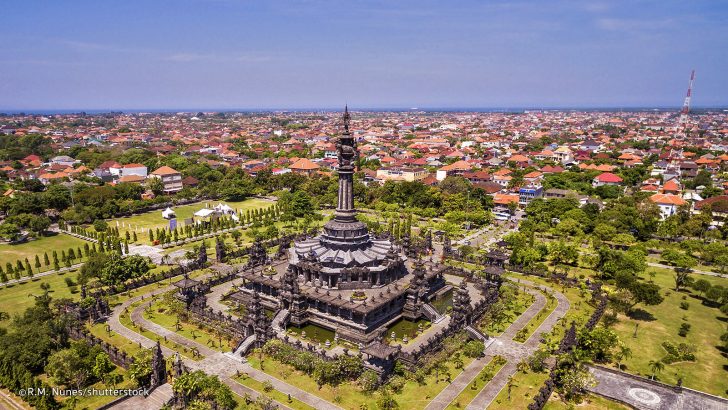
It is known for wide roads, government buildings, parks, and the Bajra Sandhi Monument area.
It feels more orderly than many surrounding districts.
I like it for walking, casual food stops, and getting a sense of city life without the heavier tourist chaos.
Sindhu Market Area in Daylight
For travelers who want a local market experience without diving too deep into hectic urban zones, the Sanur side market areas are a good starting point.
Morning visits are best.
The atmosphere is busy but manageable, and you can enjoy local snacks, fruit, and daily life with a lower stress level than some denser central city markets.
Bajra Sandhi Monument and Civic Areas
The parkland and civic center around the monument are among the easier places in Denpasar to explore.
It is open, well known, and popular with locals.
This kind of public space feels much more comfortable than wandering random back streets.
It is a good place to start if you want to ease into Denpasar rather than get thrown into traffic and confusion.
Places to Avoid in Denpasar
Quiet Roads at Night in West and South Denpasar
The biggest problem in Denpasar is not one specific notorious district.
It is the combination of darkness, traffic, and opportunity crime on quieter roads.
Some parts of West Denpasar and less busy stretches in South Denpasar can feel deserted at night.
That is when bag snatching and opportunistic theft become more likely.
Crowded Traditional Markets With Loose Security
Markets are fascinating, but they are also where distracted tourists can lose phones, wallets, or bags quickly.
Areas around larger traditional markets can be chaotic, especially for first time visitors who are trying to manage cash, directions, and shopping all at once.
Go during daylight, carry very little, and stay aware of who is close behind you.
Transport Hubs and Random Street Pickup Points
Bus terminals, roadside pickup spots, and unregulated transport zones are where confusion turns into bad decisions.
This is where tourists are more likely to meet overcharging drivers or aggressive offers.
If I were arriving in Denpasar for the first time, I would not experiment here.
I would arrange a ride in advance or use a trusted app.
Heavy Nightlife Spillover Zones Nearby
Denpasar itself is not Bali’s main nightlife capital, but it sits close enough to party corridors that intoxicated behavior, bad judgment, and transport scams can affect visitors moving in and out of the city.
If your evening starts elsewhere and ends in Denpasar late at night, that is exactly when your safety judgment tends to weaken.
Safety Tips for Traveling to Denpasar
- Use trusted transport only. Book airport transfers through your hotel, use well known taxi companies, or order rides through established apps. Random roadside offers can lead to overcharging, route confusion, or pressure tactics.
- Keep bags away from the street side. In Bali, bag snatching from passing motorbikes is a real concern. Carry your bag across your body and keep it on the side furthest from traffic whenever you walk near the road.
- Do not drink the tap water. This is one of the most basic but important safety rules in Denpasar. Use sealed bottled water, and be cautious with ice, uncooked foods, and poorly reviewed budget eateries if your stomach is sensitive.
- Avoid walking alone late at night on quiet streets. Busy areas can feel fine, but quieter roads become much riskier after dark. Even if the threat level is not extreme, there is no reason to make yourself an easy target.
- Agree on prices before services begin. Whether it is a driver, guide, market vendor, or scooter rental, set the price upfront. Ambiguity is where a lot of travel frustration begins in Bali.
- Respect local conditions and laws. Indonesia has local cultural expectations and national laws that may feel stricter than what some tourists are used to. Dress appropriately at temples, behave respectfully, and do not assume resort culture means anything goes.
- Watch the weather, especially in wet season. Heavy rain can flood roads quickly and turn a simple journey into a miserable one. Build extra time into your plans and do not underestimate how fast local conditions can change.
- Be careful with alcohol and nightlife. Drink spiking and unsafe alcohol are recurring concerns in Bali. Watch your drink being prepared, do not leave it unattended, and know your limits. A lot of bad travel stories begin with one careless night out.
- Do not rent a scooter unless you are truly confident. Many tourists treat scooter rental like a Bali rite of passage. In reality, road accidents are one of the most common ways visitors get hurt. If you are inexperienced, skip it and hire a driver.
- Carry only what you need for the day. Leave spare cards, extra cash, passports, and expensive jewelry secured at your accommodation. A lighter day bag reduces both theft risk and travel stress.
So... How Safe Is Denpasar Really?
Denpasar is reasonably safe for travelers, but it is not the kind of destination where you should switch your brain off.
I would describe it as a city with manageable risk, not a city with no risk.
Most visitors who run into trouble here are dealing with theft, transport issues, drink related mistakes, food and water problems, or traffic accidents rather than serious violent crime.
What matters most is context.
Denpasar is Bali’s capital, a busy urban center connected to one of the world’s most visited island destinations.
That means it combines local city life with tourist traffic, which naturally creates more opportunity for scams and petty crime.
On top of that, Bali sits in a disaster prone part of the world, so earthquakes, flooding, and regional volcanic disruption are part of the bigger safety picture.
My honest take is that Denpasar is safe enough for most tourists, including careful solo travelers, couples, and families.
Still, I would rank it below the most carefree city breaks in Asia because of road safety, health risks from water and food mistakes, and the general need for street awareness.
If you stay alert, use common sense, and choose your areas wisely, Denpasar is very manageable.
How Does Denpasar Compare?
| City | Safety Index |
|---|---|
| Denpasar |
60 |
| Bandung |
78 |
| Jayapura |
46 |
| Medan |
62 |
| Ubud |
80 |
| Bali |
70 |
| Surabaya |
80 |
 Hood River Hood River | 82 |
| Des Plaines | 87 |
| Huntsville | 66 |
 Jarabacoa Jarabacoa | 54 |
| Georgetown | 74 |
 Meads Bay Meads Bay | 90 |
Useful Information

Visas
Many tourists can enter Indonesia with a Visa on Arrival or electronic Visa on Arrival. A common fee is IDR 500,000 for a 30 day stay, with the option to extend once for another 30 days. Your passport should usually be valid for at least six months, and you may need proof of onward travel.

Currency
Denpasar uses the Indonesian rupiah, or IDR. It is best to exchange money at licensed exchange counters or withdraw from bank affiliated ATMs in secure locations. Be cautious with street side exchange booths offering suspiciously good rates, because short changing scams still happen.

Weather
Denpasar is hot and humid year round. The dry season is generally the easiest time for travel, while the wet season brings heavier rain, flooding risk, and sticky conditions. Pack light breathable clothes, a rain layer, sun protection, and footwear that can handle wet sidewalks and sudden downpours.

Airports
The main airport is Ngurah Rai International Airport, also called DPS, near the southern tourist belt and not far from Denpasar. Travel time into the city can be fairly short in light traffic but much longer during busy periods. Official taxis, app based rides, and hotel transfers are usually the safest arrival options.

Travel Insurance
Travel insurance is absolutely worth it for Denpasar. The biggest reasons are medical costs, transport accidents, theft, weather disruptions, and missed connections. Bali can feel easygoing, but one scooter crash or sudden illness can get expensive very fast. I would not visit without a solid policy.
Denpasar Weather Averages (Temperatures)
Average High/Low Temperature
| Temperature / Month | Jan | Feb | Mar | Apr | May | Jun | Jul | Aug | Sep | Oct | Nov | Dec |
|---|---|---|---|---|---|---|---|---|---|---|---|---|
| High °C |
31 | 31 | 31 | 32 | 31 | 30 | 29 | 29 | 31 | 32 | 32 | 31 |
| Low °C |
22 | 22 | 23 | 24 | 23 | 22 | 20 | 20 | 22 | 23 | 24 | 23 |
| High °F |
88 | 88 | 88 | 90 | 88 | 86 | 84 | 84 | 88 | 90 | 90 | 88 |
| Low °F |
72 | 72 | 73 | 75 | 73 | 72 | 68 | 68 | 72 | 73 | 75 | 73 |
Indonesia - Safety by City
| City | Safety Index |
|---|---|
| Bali | 70 |
| Bandung | 78 |
| Banjarmasin | 63 |
| Denpasar | 60 |
| Jakarta | 55 |
| Jayapura | 46 |
| Kuta Beach | 70 |
| Lombok | 74 |
| Medan | 62 |
| Surabaya | 80 |
| Ubud | 80 |
| Yogyakarta | 75 |
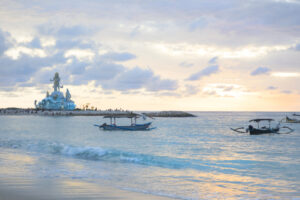
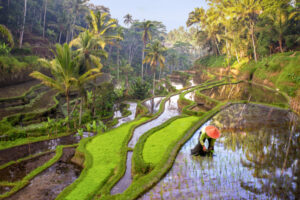













Hi! On my last trip to Bali, I stopped here! It’s definitely worth it, just be sure to follow the safety tips given here! Personally, I didn’t have any issues.
I didn’t expect the temples to feel so alive with history; they really draw you in.
Denpasar has such a unique vibe, and wandering through the temples with a sarong on definitely made me feel connected to the culture. Puputan Square was a great spot to just soak it all in.
I had no idea Denpasar had such rich cultural spots; the temples are absolutely stunning and wandering around Puputan Square felt like stepping back in time. The dress code was a bit of a surprise, though!
Denpasar’s cool and all with the temples and the whole sarong situation, but after sweating through Puputan Square in the midday heat and then getting sand stuck everywhere at Kuta, it’s more exhausting than those dreamy Instagram shots make it look.
Being handed a mandatory sarong in 35°C humidity and then trudging back with sand in my shoes from Kuta Beach was the kind of “authentic” experience I did not need.
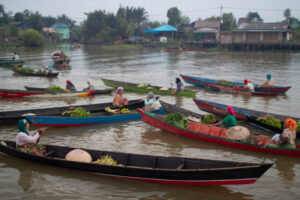
Surprised to find the market so loud and alive at dawn, the smell of street food and nonstop scooters actually made me feel right at home.
I wandered the markets and local food streets and felt more of Bali’s everyday energy than any nearby resort ever showed me.