


 Indonesia : Safety by City
Indonesia - safety as a country
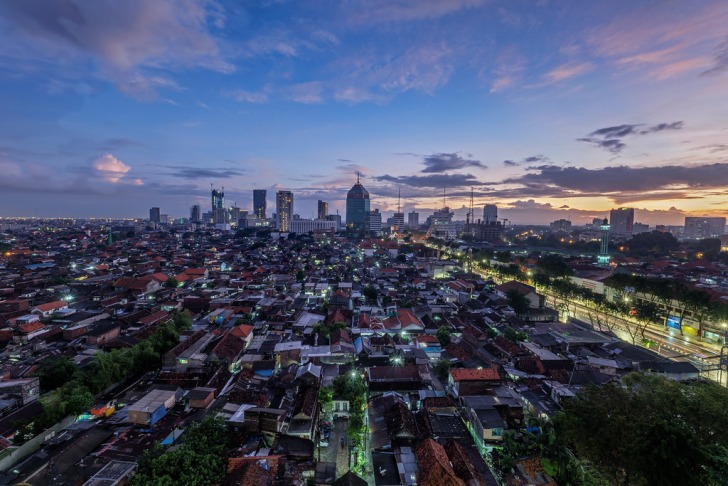
Surabaya is Indonesia’s second-largest city and the busy capital of East Java, sitting on the northeastern side of the island near the Madura Strait.
Most travelers know it as a gateway to Mount Bromo, Ijen, and other East Java adventures, but Surabaya deserves more credit than it usually gets.
It is a real working city, not a polished resort destination, which means it feels more local, more energetic, and sometimes a little rougher around the edges.
You will find modern malls, historic Arab and Chinese quarters, old colonial buildings, and a food scene that can keep you happily distracted for days.
In my view, Surabaya is generally safe for travelers who use common sense, but it is not a place where you should switch off completely.
Traffic, petty theft, scams, and basic health precautions matter here more than in a quiet beach town.
Warnings & Dangers in Surabaya

OVERALL RISK: MEDIUM
Surabaya is not one of Southeast Asia’s most dangerous cities, but it is also not the kind of place where tourists can wander carelessly without consequences. Most visits go smoothly, especially in business districts, shopping areas, and well-known attractions. The biggest issues are traffic, petty theft, scams, and occasional neighborhood level crime rather than targeted violence against tourists.

TRANSPORT & TAXIS RISK: MEDIUM
Getting around Surabaya is usually manageable, but the roads can be chaotic, congested, and stressful if you are not used to Indonesian traffic. App-based rides are generally the safest choice because pricing is clearer and routes are trackable. Street taxis can be fine, but overcharging and route padding are more likely if you do not use a reputable operator.

PICKPOCKETS RISK: MEDIUM
Pickpocketing is not the city’s defining problem, but it can happen in crowded markets, transport hubs, shopping areas, and busy streets. Bag snatching and phone theft are often bigger worries than classic pickpockets. I would not call it extreme, but keeping your belongings loose and visible is an unnecessary gamble in Surabaya.

NATURAL DISASTERS RISK: MEDIUM
Surabaya itself is not usually the first place travelers think of for natural disasters, but Indonesia as a whole carries real risk from earthquakes, volcanic activity, flooding, and severe weather. During the rainy season, heavy downpours can cause street flooding and transport disruption. The city is safer than some coastal or volcanic zones, but the broader regional risk is real.

MUGGING RISK: MEDIUM
Violent crime against tourists is less common than petty crime, but street robberies and motorbike snatch theft do happen, especially after dark in quieter areas. The risk rises if you walk alone late at night, flash valuables, or drift into poorly lit streets. Mugging is not the norm, but it is not something I would dismiss.

TERRORISM RISK: MEDIUM
Indonesia continues to carry a terrorism warning, and Surabaya has a painful history tied to attacks in past years. That does not mean travelers should panic, but it does mean the threat cannot be ignored. Hotels, places of worship, malls, restaurants, and other public gathering points are the types of places that receive extra security attention for a reason.

SCAMS RISK: MEDIUM
Scams in Surabaya are usually more annoying than devastating. Think inflated taxi fares, fake helpful strangers, bad exchange deals, card issues, or tourist overpricing. Compared with some heavily touristed places, the scam scene feels less intense, but being unfamiliar with prices and local systems can still make you an easy target if you are not paying attention.

WOMEN TRAVELERS RISK: MEDIUM
Many women travel through Surabaya without major problems, especially if they stick to busy areas and use sensible transport choices. Still, solo women should be more cautious at night, avoid isolated streets, and dress with local norms in mind. Unwanted attention can happen, but serious incidents are not the usual experience for prepared travelers.

TAP WATER RISK: HIGH
This is one area where I would not try to be adventurous. Tap water in Surabaya is not considered safe for tourists to drink. Use sealed bottled water, be cautious with ice in less reliable places, and brush your teeth with safe water if you have a sensitive stomach. Food and water issues can derail a trip fast.
Safest Places to Visit in Surabaya
Tunjungan Area
If you want a central area that feels lively and relatively comfortable for visitors, Tunjungan is a strong pick.
Tunjungan Plaza and the surrounding commercial streets are busy, modern, and well populated.
That constant movement helps from a safety perspective because you are rarely isolated.
It is also one of the easier places to find restaurants, cafes, shops, and transport options without feeling far out of your depth.
House of Sampoerna and Old Surabaya
The heritage side of Surabaya is one of its most interesting faces.
Around the House of Sampoerna and the old city zones, you get a more cultural experience with historic architecture and a strong sense of place.
Daytime visits here are generally the best bet.
I like these areas for travelers who want character without diving straight into confusing local chaos.
Pakuwon and West Surabaya
West Surabaya feels more polished and suburban, especially around the larger malls, hotels, and newer developments.
For many travelers, this part of the city can feel easier and calmer than older central neighborhoods.
It is a good base if you want modern comforts, dependable dining, and a slightly more controlled environment after a day out exploring.
G Walk and Family Friendly Commercial Zones
Areas such as G Walk attract families, groups, and evening crowds looking for food and casual entertainment.
That matters because busy, social areas are usually more comfortable for visitors than quiet side streets.
These spots are best for relaxed dining and an easy local night out, though I would still use ride apps rather than walking long distances after dark.
Places to Avoid in Surabaya
Poorly Lit Back Streets at Night
The biggest mistake in Surabaya is assuming every street is equally fine after dark.
Quiet lanes, poorly lit residential roads, and back streets away from malls or main roads can feel empty fast.
Even if the city seems calm by day, those same places become less predictable at night.
I would avoid wandering and use a ride instead.
Crowded Markets and Transport Hubs Without Caution
Markets, bus terminals, and hectic transit points are not no go zones, but they do deserve extra care.
These are the places where distraction theft, bag snatching, and confusion-based scams are most likely.
If you visit, keep your phone secured, avoid dangling bags, and do not stand around looking lost with your luggage open.
Isolated Waterfront or Industrial Edges
Surabaya is a major port and industrial city, which means some outer areas are not designed with tourists in mind at all.
Warehouse zones, port edges, and remote stretches can feel uncomfortable and empty, especially after business hours.
There is rarely a good tourist reason to spend time there unless you have a specific local contact or purpose.
Unfamiliar Neighborhoods Far From Main Roads
This is not a city where I would freestyle my way through random neighborhoods just because a map shows a shortcut.
Some districts are perfectly ordinary for locals but not especially visitor-friendly, particularly if you do not speak Indonesian and stand out immediately.
Stick to known commercial, historical, and dining areas unless you are with someone who knows the city.
Safety Tips for Traveling to Surabaya
- Use ride-hailing apps whenever possible. This is one of the easiest ways to reduce stress in Surabaya. App-based transport helps you avoid fare arguments, questionable routes, and language confusion. It also gives you a digital record of your trip, which is useful if anything goes wrong.
- Do not drink tap water. Even confident travelers get caught by this one. Drink sealed bottled water, avoid suspicious ice, and be careful with uncooked food from places that do not look hygienic. A stomach problem in Surabaya can turn a good itinerary into a hotel-bound memory.
- Keep your phone out of easy reach near traffic. In many Indonesian cities, theft from passing motorbikes is a bigger practical risk than dramatic street crime. Do not hold your phone loosely by the road, especially while waiting for transport or checking maps.
- Choose well-reviewed hotels in busy districts. Where you stay matters. A hotel in a busy area with good access to malls, restaurants, and transport will usually make your trip safer and easier. Saving a little money on a remote or poorly reviewed property is often not worth it.
- Avoid walking alone late at night. Surabaya is much easier by day than after dark. Even if an area looked normal earlier, quiet streets can empty quickly at night. Use a car or motorbike ride instead of walking long stretches.
- Dress practically and modestly. Surabaya is not as conservative as some places, but dressing respectfully still helps you blend in and avoid unwanted attention. Light, breathable clothes are ideal because the city is hot and humid most of the year.
- Carry only what you need for the day. Leave extra cash, spare cards, and unnecessary documents locked away. If something is lost or stolen, the damage stays smaller. I also recommend keeping a digital copy of your passport and visa information.
- Be skeptical of random help from strangers. Most people are friendly, but every city has opportunists. If someone suddenly offers transport, currency help, or a special deal you did not ask for, pause before agreeing. It is smarter to arrange what you need through official counters or apps.
- Watch the weather, especially in the rainy season. Heavy rain can flood roads, delay traffic, and make city movement far more frustrating. If you are visiting during the wetter months, build flexibility into your plans and carry shoes that can handle wet streets.
- Stay aware in public places with security lines or crowds. Malls and hotels in Indonesia often have visible security measures. Follow them patiently and stay alert in the process. Crowds, entrances, and busy commercial spaces are places where both petty theft and general security concerns matter more.
So... How Safe Is Surabaya Really?
Surabaya is reasonably safe for travelers, but it rewards alertness more than laziness.
I would place it in the category of a city where most tourists will be absolutely fine if they behave sensibly, use good transport choices, stay in the right areas, and take normal urban precautions.
It is not a city that feels built around tourism, and that actually shapes the safety experience.
You are moving through a large, active Indonesian city first and a tourist destination second.
The biggest day-to-day risks are traffic, petty theft, water-related illness, and situational problems in less busy areas after dark.
Violent crime against tourists is not the dominant story.
That said, Indonesia does carry broader national concerns tied to terrorism and natural disasters, and Surabaya is not completely separate from those realities.
Security checks in hotels and malls are common, and there is a reason for that.
In practical terms, I would feel comfortable recommending Surabaya to travelers who are confident in cities and willing to stay switched on.
Families, couples, and solo travelers can all visit safely, but I would not describe it as carefree.
Smart habits make a very noticeable difference here.
If you travel thoughtfully, Surabaya can be a rewarding and surprisingly enjoyable stop.
How Does Surabaya Compare?
| City | Safety Index |
|---|---|
| Surabaya |
80 |
| Bandung |
78 |
| Jakarta |
55 |
| Jayapura |
46 |
| Medan |
62 |
| Yogyakarta |
75 |
| Kuta Beach |
70 |
 Fort Atkinson Fort Atkinson | 86 |
 Canberra Canberra | 88 |
 Dhaka Dhaka | 32 |
 Windhoek Windhoek | 65 |
| Niagara Falls | 63 |
 Bergen Bergen | 71 |
Useful Information

Visas
Many tourists can enter Indonesia with a Visa on Arrival or an electronic version arranged before the trip. A common tourist stay is 30 days, often extendable once for another 30 days. The typical fee is around 500,000 Indonesian rupiah. Your passport should usually have at least six months of validity remaining.

Currency
Surabaya uses the Indonesian rupiah, written as IDR. It is best to exchange money at reputable counters, banks, or withdraw from secure ATMs inside malls or bank branches. Avoid random street exchange offers. Small cash is useful for everyday purchases, but cards are widely accepted in malls, hotels, and many restaurants.

Weather
Surabaya is hot and humid year-round, with a wetter season roughly from late fall through spring and a drier stretch around the middle of the year. Pack light clothes, breathable fabrics, sun protection, and shoes that can handle sudden rain. Air conditioning indoors can be strong, so one light layer helps.

Airports
The main airport is Juanda International Airport, located outside central Surabaya in the Sidoarjo area. It is the main gateway for domestic and international arrivals into East Java. You can reach the city by airport bus, taxi, or app-based ride. For most travelers, pre booked or app based transport is the smoothest option.

Travel Insurance
Travel insurance is a very smart idea for Surabaya. It can help with medical treatment, trip disruption, lost baggage, and the kinds of transport or weather problems that are hard to predict. Since Indonesia also has broader natural disaster and health-related travel risks, I would not visit without solid coverage.
Surabaya Weather Averages (Temperatures)
Average High/Low Temperature
| Temperature / Month | Jan | Feb | Mar | Apr | May | Jun | Jul | Aug | Sep | Oct | Nov | Dec |
|---|---|---|---|---|---|---|---|---|---|---|---|---|
| High °C |
32 | 32 | 32 | 33 | 33 | 32 | 32 | 33 | 33 | 34 | 33 | 32 |
| Low °C |
24 | 24 | 24 | 24 | 24 | 23 | 23 | 23 | 23 | 24 | 24 | 24 |
| High °F |
90 | 90 | 90 | 91 | 91 | 90 | 90 | 91 | 91 | 93 | 91 | 90 |
| Low °F |
75 | 75 | 75 | 75 | 75 | 73 | 73 | 73 | 73 | 75 | 75 | 75 |
Indonesia - Safety by City
| City | Safety Index |
|---|---|
| Bali | 70 |
| Bandung | 78 |
| Banjarmasin | 63 |
| Denpasar | 60 |
| Jakarta | 55 |
| Jayapura | 46 |
| Kuta Beach | 70 |
| Lombok | 74 |
| Medan | 62 |
| Surabaya | 80 |
| Ubud | 80 |
| Yogyakarta | 75 |












Plan accordingly
It is quite rainy in Surabaya when it is around January, as per my experience. So unless you’re the type who wants to get wet in the rain, perhaps the dry season would be a much more enjoyable experience for you which I plan to do should the time permit! I have yet to see and enjoy the white beaches the city has to offer!
Strolling through Old Town and spotting those colonial buildings felt like stepping back in time, even if the rest of the city doesn’t have a ton of touristy spots.
When you wandered through the Old Town, did the colonial buildings and renovated sidewalks make you want to grab a coffee and sit in one of the street parks?
I checked out Surabaya last month and yeah, the food was good but man, the traffic jams really tested my patience way more than I expected.
Did you find any particular neighborhood in Surabaya where the mix of historic and modern vibes felt especially alive to you? I noticed how buzzing the street food scene can be, but wondering if some areas felt safer to explore after dark?
I was surprised at how the mix of old colonial buildings and lively street food spots gave the city this gritty but charming vibe that’s easy to get hooked on.