


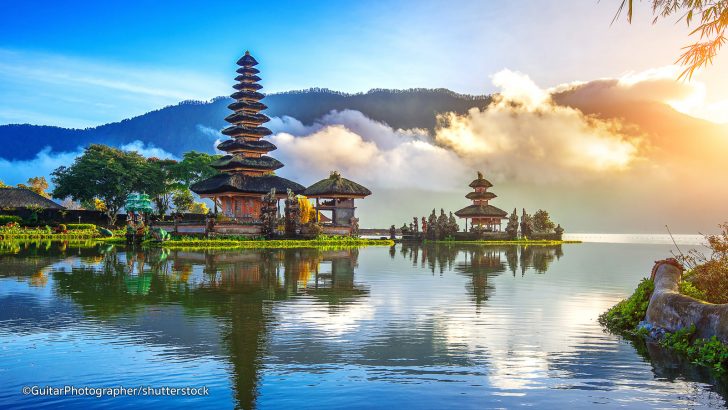
 Indonesia : Safety by City
Indonesia - safety as a country
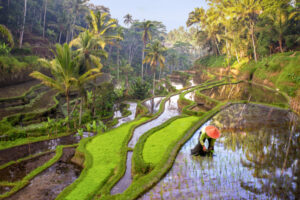
Bali, Indonesia’s “Island of the Gods,” is famous for its unique Hindu culture, stunning volcanic landscapes, lush rice terraces, and vibrant arts scene, attracting tourists with its spiritual atmosphere, beautiful beaches, world-class surfing, and rich traditions amidst tropical beauty.
As the only Hindu-majority province in Indonesia, it offers a distinct cultural experience with numerous temples, unique festivals like Nyepi (day of silence), and a blend of Balinese, Chinese, and Indian influences, making it a top global travel destination.
You can experience thousands of temples, unique rituals, dance, music, and crafts, active volcanoes, dense jungles, pristine lakes, and beautiful beaches, offering great surfing and relaxation.
As beautiful as all this sounds, how safe is it to visit this island?
We have all the answers here.
Warnings & Dangers in Bali

OVERALL RISK: LOW
Several governments, including the US, Canada, and New Zealand, currently maintain a Level 2 status for Indonesia ("Exercise Increased Caution"). This is primarily due to risks of civil unrest, terrorism, and natural disasters, though Bali is considered significantly safer than other regions like Papua.

TRANSPORT & TAXIS RISK: HIGH
Risks with Bali transport include aggressive local taxi monopolies ("mafias") overcharging and harassing app users, scams like inflated fares or fake meters, poor road conditions, and high risk with scooter rentals. Choose reputable Blue Bird taxis and agree on fares upfront.

PICKPOCKETS RISK: HIGH
Pickpocketing and bag-snatching are common in crowded tourist hubs like Kuta, Seminyak, and Ubud. The risk is highest, especially in crowded tourist spots like markets, beaches, and nightlife areas, as well as from opportunistic motorbike snatchers targeting phones. A thing to especially watch out for is that the monkeys at the temples often snatch phones, glasses, or jewelry.

NATURAL DISASTERS RISK: HIGH
Bali is in the "Ring of Fire" and prone to volcanic eruptions and earthquakes. Monitor the BMKG (Meteorology Agency) for alerts. According to a report from Radio Republik Indonesia (May 20, 2025), the Bali Provincial Disaster Management Agency (BPBD) is strengthening its preparedness for potential earthquakes and tsunamis. Given Bali's geographic and topographical conditions, the island is considered highly vulnerable.

MUGGING RISK: LOW
Mugging risk in Bali is generally low, with most crime being opportunistic petty theft (pickpocketing, bag snatching) in crowded areas like Kuta, Seminyak, and Canggu, rather than violent attacks, though rare violent incidents do occur, often linked to alcohol or disputes.

TERRORISM RISK: LOW
While Bali's terrorism risk is considered low due to enhanced security, the overall threat in Indonesia remains present, with past attacks and ongoing vigilance against extremism, so exercising a high degree of caution, being aware of your surroundings, and monitoring official travel advisories are recommended, as authorities continue to thwart plots targeting public places like tourist spots, markets, hotels, and restaurants.

SCAMS RISK: MEDIUM
Common scams involve unofficial money changers, "taxi mafias" charging inflated prices, and ATM skimming. The scams primarily involve petty financial tricks like overcharging (taxis, rentals, markets), currency exchange fraud, fake guides/tours, motorbike damage claims, and theft (phone snatching, bag dipping).

WOMEN TRAVELERS RISK: LOW
Bali is generally safe for solo female travelers, known for its welcoming culture, but risks like petty theft, drink spiking, scams, and potential for uncomfortable advances exist, requiring common-sense precautions such as staying aware of surroundings, using reputable transport apps, securing belongings, setting clear boundaries with overly forward individuals, and being cautious with alcohol and money exchanges, similar to other popular tourist destinations.

TAP WATER RISK: HIGH
Bali's tap water is generally not safe to drink due to potential contaminants like bacteria, viruses, parasites, and chemicals, risking severe diarrhea (Bali Belly) or infections, so always use sealed bottled water, boiled water, or filtered water for drinking and brushing teeth, avoiding ice unless confirmed safe. While you can shower and wash your hands with it, avoid swallowing any water and be cautious with unpeeled fruits and salads, opting for peeled fruits and hot, freshly cooked meals.
Safest Places to Visit in Bali
There are quite a few safe places in Bali, as long as you keep aware of your surroundings.
The top safest places are:
- Uluwatu:
Known for stunning cliffs, surf breaks, and beautiful beaches, while popular, it’s generally considered safer with fewer petty crimes than Canggu/Kuta.
- Nusa Dua:
A gated resort area with luxurious hotels, pristine beaches, and a very secure, controlled environment, excellent for families.
- Ubud:
A cultural heartland known for its spiritual atmosphere, lush rice paddies, low crime, and strong community, making it ideal for solo travelers and those seeking tranquility.
- Sanur:
A relaxed, family-friendly coastal town with calm, swimmable beaches, a walkable boardwalk, and a slower pace, making it very safe and convenient.
Places to Avoid in Bali
There are places and situations to avoid in Bali.
Places to avoid are:
- Tanah Lot:
Beautiful temple, but often extremely crowded with tourists, notes Greta’s Travels, making it hard to experience peacefully
- Kuta & Legian:
Famous for intense nightlife, budget tourists, and a party atmosphere, it can feel chaotic and less culturally rich.
- Seminyak:
Trendy but can be very tourist-heavy and busy; some areas feel inauthentic.
- Canggu:
Popular with digital nomads and surfers, but traffic is notoriously bad, and it’s very built-up and westernized.
Two situations to avoid are:
- Animal Tourism:
Avoid places like Bali Zoo or elephant rides/breakfasts with orangutans due to animal welfare concerns
- Uluwatu Temple Monkeys:
Known for snatching glasses, phones, and jewelry.
Safety Tips for Traveling to Bali
- Observe and respect local culture. Dress conservatively in temples and observe Nyepi, which is the Balinese Day of Silence.
- Never drink tap water. Use bottled water even for brushing teeth.
- Avoid Arak. These locally distilled spirits are sometimes contaminated with lethal methanol.
- Use caution when consuming street food. This is one of the draws of a vacation, but watch for signs of uncleanliness. Don’t eat anything that looks like it has been sitting out all day. Opt for make-as-you-order food.
- Use banks with the official Bank of Indonesia logo and a QR code for money changing. One of the common scams involves unofficial money changers.
- Don’t drive. The leading cause of death and serious injury for foreigners in Bali is motorbike and scooter accidents. Opt instead touse ride-hailing apps like Grab for safe, fixed-price transport.
- Wear a money belt. Don’t make it easy for someone to bump into you and get a wallet from your pocket. Money belts, fanny packs, and cross-body bags are safest.
- Only carry copies. Don’t carry any original ID or travel documents; always opt for copies. Keep the originals locked up, and you can retrieve them if necessary.
- Keep up on weather reports. Volcanoes and storms can cause a good vacation to go bad. Make sure you stay aware of what the daily weather holds in store and plan accordingly. Bali need for Visa.
- Never leave your drink Unattended. This advice is for everyone, as drinks are often spiked to take advantage of unsuspecting tourists. Make sure your drink is always in sight, and always go out with a trusted friend.
So... How Safe Is Bali Really?
Bali may well be one of the safest vacation destinations you consider.
While the rest of Indonesia is still a hot zone, the security measures within Bali itself keep it highly safe.
Violent crime is very low, and even scammers and pickpockets are only busy in the most populated areas.
The local monkeys, however, do need to be watched!
It is a location where a solo woman traveler will feel safe as long as she uses common sense and avoids being out at night alone in dark areas.
The two biggest concerns are the food/water pollution and the weather.
Take precautions with the food you eat and never drink the tap water.
These should keep you fairly safe.
You can’t prevent a natural disaster, but keeping in touch with weather forecasts and knowing what to do in the case of an emergency will help keep you safe.
How Does Bali Compare?
| City | Safety Index |
|---|---|
| Bali |
70 |
| Jayapura |
46 |
| Lombok |
74 |
| Kuta Beach |
70 |
| Medan |
62 |
| Banjarmasin |
63 |
| Surabaya |
80 |
 Sitka Sitka | 91 |
| Scottsbluff | 71 |
| Jonesboro | 71 |
| Carmel | 88 |
| Kirkwood | 77 |
| Anaheim | 73 |
Useful Information

Visas
Yes, most travelers need a visa for Bali, but for tourism, the Visa on Arrival (VOA) is the easiest option, available online (e-VOA) before travel or upon arrival at Denpasar Airport, valid for 30 days and extendable once; ensure your passport is valid for 6+ months and have a return flight, plus complete the digital All Indonesia Arrival Card within 3 days of landing. Visa on Arrival (VOA) (B1): For stays up to 30 days, extendable for another 30 days (total 60 days). oApply: Can be done online (e-VOA) before departure or at the airport. oCost: Around IDR 500,000 (approx. $35 USD). 60-Day Visit Visa (B211A): For longer stays (over 60 days) or specific purposes like business/digital nomads.

Currency
The Indonesian Rupiah (IDR) is Bali’s official currency. It is represented by the symbol “Rp”. Rp 10,000 is roughly equal to $0.64. Indonesian banks like BCA, Mandiri, and BNI offer currency exchange services with transparent rates. Authorized bureaus display licenses and clear rates. They are more reliable and transparent than smaller, independent money changers. Airport exchange counters are convenient. But their rates are usually less favorable than those in town.

Weather
Bali is a great place to visit if you don't like cold weather. The lowest temperatures at night are at least 71 degrees F, and the hottest days are 84 degrees F or lower. December, January, and February are the most likely rainy times, with an average of six rainy days a month. The rest of the year it normally only rains, maybe two days at the most. The hottest months are October and November. When packing, make sure you pack lightweight clothing and open-toed shoes. Throw in swimwear, as you will want to enjoy a swim.

Airports
Bali has one main airport, I Gusti Ngurah Rai International Airport (DPS), also known as Denpasar Airport, which handles all international and domestic flights, serving as the primary gateway to the island from its location in South Bali near Kuta and Jimbaran. It's a busy hub for tourists, with interchangeable names like Bali Airport or DPS, and is essential for accessing popular spots like Ubud, Seminyak, and Nusa Dua. It is in South Bali, close to major tourist areas.

Travel Insurance
While not legally mandatory for entry, travel insurance for Bali is highly recommended because it protects against high costs for medical emergencies, trip disruptions (like volcanic eruptions or tsunamis), lost belongings, and unexpected events, which can be very expensive without coverage. It's a vital safeguard for dealing with potentially high medical bills, even for simple issues, and financial losses from unforeseen events. If you plan on enjoying adventures such as rafting or surfing, you will also need to consider the possibility of an accident.
Bali Weather Averages (Temperatures)
Average High/Low Temperature
| Temperature / Month | Jan | Feb | Mar | Apr | May | Jun | Jul | Aug | Sep | Oct | Nov | Dec |
|---|---|---|---|---|---|---|---|---|---|---|---|---|
| High °C |
30 | 30 | 31 | 31 | 30 | 29 | 28 | 28 | 29 | 30 | 30 | 30 |
| Low °C |
24 | 24 | 24 | 24 | 23 | 23 | 22 | 22 | 23 | 23 | 24 | 24 |
| High °F |
86 | 86 | 88 | 88 | 86 | 84 | 82 | 82 | 84 | 86 | 86 | 86 |
| Low °F |
75 | 75 | 75 | 75 | 73 | 73 | 72 | 72 | 73 | 73 | 75 | 75 |
Indonesia - Safety by City
| City | Safety Index |
|---|---|
| Bali | 70 |
| Bandung | 78 |
| Banjarmasin | 63 |
| Denpasar | 60 |
| Jakarta | 55 |
| Jayapura | 46 |
| Kuta Beach | 70 |
| Lombok | 74 |
| Medan | 62 |
| Surabaya | 80 |
| Ubud | 80 |
| Yogyakarta | 75 |















Messy transportation but overall ok
I have to admit I was a bit anxious when I booked a hotel for our honeymoon but I’ve always wanted to visit Bali so I went for it. I’ve heard some scary stories regarding their public transportation but it wasn’t that bad. Yes, a bit chaotic, but you kinda expect it.
Beautiful country and amazing hotels
I’ve visited Bali three times and I’ll definitely come back. The Anvaya Resort and The Hanging Gardens of Bali are my absolute two favorite places EVER! I was more worried about seeing rats on the streets but lucky me didn’t see one until now #fingerscrossed
Watch out for traffic and relentless shop keepers
Travelled late Feb. Was not expecting the heat and high humidity. Everywhere is dirty and crowded. But food is good. The hawkers will drive you insane if you let them. As a woman walking alone during the day i felt safe but did get lost lol. Shopping prices are average. Clothes the cheapest. Hire a driver for a couple of days is a must to see remote regions.
I mostly felt safe during the day on my own but I noticed I was getting looks. One man got a bit too close for my comfort. I never felt safe to go out early morning or late evening. I agree about it being a bit messy but man do they have some really nice food. Safety wise, I had to give it a 3/5 from my experiences as a woman but I am happy others have felt safe here.
Question
How much expense you done there?
no body help you if you have problem, money problem/credit card lost in Bali
you must be careful Bali not safe.
i have been going to bali for 16 years and love the island and all it has to offer food is great shopping is fun my home is fun of things i bring back every year i like going for the month of feb and \the rain that comes and goes does not bother me one bit stay at the rama beach hotel and the staff there are the best going back in feb 2023 for a month again
Not worth it, they prey on travellers, very unsafe transport, hawkers and scammers will drive u insne
Smoky & Chaotic
Agree, not worth it – on one hand, very warm and hospitable but really felt that was to attract the tourist – can also be very misogynistic as I found w/ the hecklers on the streets. Unless you want to spend all your time in a resort, the streets are chaotic, mass tourism means everyone is crashing around and although smoking is illegal in public places, it was hard to get away from it in most resorts and outdoor seating areas.
we have been to bali 5 times it is going to be interesting to see what it is like after covid. we are heading back there in august it is a great spot for a cheap holiday and the bali people are beautiful people. we will keep going to bali for years to come
The energy in Bali is unlike anywhere else, and being able to witness a Nyepi celebration was a profoundly humbling experience that really made me appreciate the depth of the culture.
Ah yes, nothing screams “relaxation” like pondering safety while dodging monkeys in a thousand temple maze!
Tried surfing at Kuta and wiped out so hard I laughed for ten minutes, but the sunset made it totally worth it.
Ran out for a sunrise scooter ride through the rice terraces and the cool mist and distant temple bells actually made me feel way more grounded than any guidebook promised.
Nyepi was eerie and strangely peaceful when I visited, did you notice the temples felt more alive after the silence?
Caught a crazy sunset at Tanah Lot last month and honestly felt like time just stopped for a bit, didn’t expect that peace in such a busy spot.
Caught a few waves there last summer and honestly, the mix of calm beaches and buzzing temple ceremonies made it feel like nowhere else I’ve been.