


 France : Safety by City
- Annecy
- Avignon
- Bordeaux
- Cannes
- Chamonix
- Colmar
- Grenoble
- Le Havre
- Lille
- Lyon
- Marseille
- Martinique
- Montpellier
- Nantes
- Nice
- Nimes
- Paris
- Reims
- Rennes
- Strasbourg
- Toulon
- Toulouse
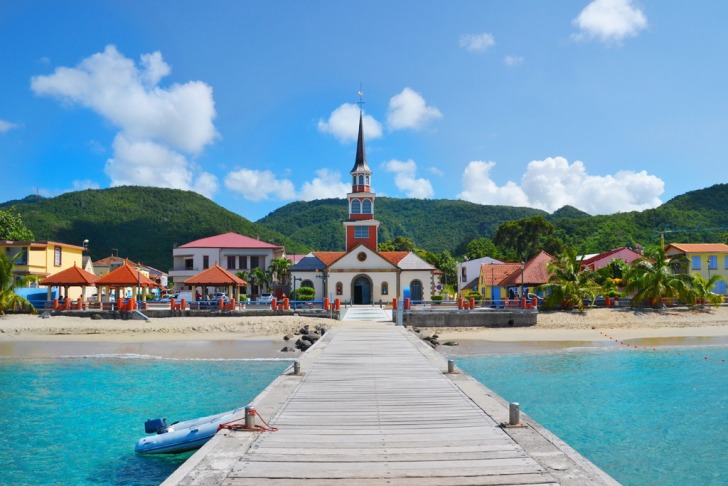
Martinique is a Caribbean island with a distinctly French identity.
Located in the Lesser Antilles between Dominica and Saint Lucia, it is not an independent nation but an overseas region of France.
That means the Euro is the currency, French law governs the island, and public infrastructure follows European standards.
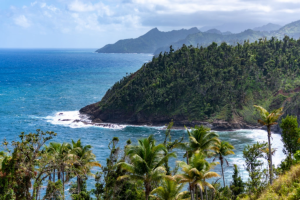
At the same time, Martinique offers rainforests, rum distilleries, dramatic coastal cliffs, black sand beaches in the north, and white sand stretches in the south.
Travelers are drawn here for Mount Pelée’s volcanic landscapes, snorkeling near Les Anses d’Arlet, exploring Fort de France’s colonial architecture, and relaxing in Sainte Anne.
Because it feels more organized and developed than some neighboring islands, many visitors assume it must be extremely safe.
Others worry about Caribbean crime headlines and wonder if Martinique carries similar risks.
The truth is balanced.
Martinique is generally considered one of the safer Caribbean destinations, but it is not completely risk-free.
Understanding where the risks actually lie makes all the difference.
Warnings & Dangers in Martinique

OVERALL RISK: LOW
Martinique ranks as a low-risk Caribbean destination for travelers. Violent crime targeting tourists is uncommon, and most visits are smooth and trouble-free. The primary issue affecting visitors is property crime, particularly theft from parked rental cars or unattended beach belongings. Travelers who stay in established tourist areas and practice normal precautions typically experience no serious safety problems.

TRANSPORT & TAXIS RISK: LOW
Road conditions in Martinique are generally good, especially compared to many Caribbean islands. Highways and main coastal routes are well maintained, and driving standards are relatively structured. Rental cars are the most common way to explore the island and are safe when basic precautions are followed. Taxi services are regulated, though fares can be high. There are no widespread reports of taxi-related crime. The main transportation risk is leaving valuables inside parked vehicles.

PICKPOCKETS RISK: LOW
Pickpocketing is not widespread but can occur in crowded areas such as the covered markets in Fort de France or during Carnival celebrations. Incidents tend to be opportunistic rather than aggressive. Tourists who carry minimal cash, keep bags zipped, and avoid leaving phones exposed in crowded settings are unlikely to encounter problems.

NATURAL DISASTERS RISK: MEDIUM
Martinique sits within the Atlantic hurricane belt. Hurricane season runs from June through November. While direct hits are not guaranteed every year, tropical storms can bring heavy rainfall, flooding, and travel disruptions. The island is also home to Mount Pelée, an active volcano that famously erupted in 1902. Today, it is carefully monitored, and there is no current threat, but its presence is part of the island’s geological reality.

MUGGING RISK: LOW
Muggings are rare in Martinique, especially in resort towns such as Trois Îlets, Sainte Anne, and Le Diamant. In Fort de France, certain outer residential districts have higher crime rates than beach towns, but violent incidents involving tourists remain uncommon. Walking alone in poorly lit areas late at night is not recommended, but daytime exploration is generally safe.

TERRORISM RISK: LOW
There is no specific terrorism threat associated with Martinique. As part of France, the island falls under the national French security systems and intelligence networks. Travelers face no elevated risk beyond general global travel considerations.

SCAMS RISK: LOW
Martinique does not have a strong reputation for organized tourist scams. Overcharging for informal tours or small service misunderstandings may happen occasionally, but aggressive scam tactics common in some tourist hubs are rare here. Most transactions in established businesses are transparent and regulated.

WOMEN TRAVELERS RISK: LOW
Solo female travelers generally report positive experiences in Martinique. Street harassment levels are relatively low compared to many global destinations. As with anywhere, avoiding isolated areas late at night and maintaining situational awareness is advisable, but overall, the island feels comfortable and manageable for women traveling independently.

TAP WATER RISK: LOW
Tap water in Martinique meets French health standards and is safe to drink. Water quality is regularly monitored. Temporary advisories may be issued after heavy rainfall, but these are uncommon. Visitors do not need to rely on bottled water unless they prefer to.
Safest Places to Visit in Martinique
The southern and western coastal regions are widely considered the safest areas for visitors.
Trois Îlets is one of the most popular bases for travelers.
It offers beach resorts, marina access, restaurants, and steady tourist traffic.
Streets are well-lit, and accommodations often include additional security measures.
The combination of infrastructure and consistent foot traffic contributes to a strong sense of safety.
Sainte Anne is another highly recommended area.
Known for Les Salines Beach, one of the island’s most photographed stretches of sand, Sainte Anne has a relaxed, family-friendly atmosphere.
Crime levels here are low, and daytime beach activity creates natural oversight.
Le Diamant offers scenic coastal views and a quieter atmosphere.
While it becomes calmer at night, it maintains low crime rates and feels secure for visitors staying in established accommodations.
Saint Pierre and Le Carbet on the western coast provide small town settings with limited nightlife and minimal crime.
Saint Pierre, once destroyed by the 1902 volcanic eruption, now attracts history enthusiasts and divers.
Its compact size and tourism-oriented businesses contribute to safety.
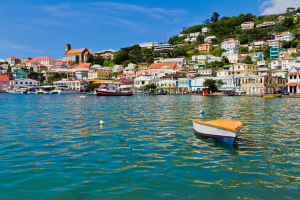
In Fort de France, the waterfront district around La Savane Park, the Schoelcher Library, and the cruise port area is safe during the day.
Police patrols are visible, and tourism activity is steady.
Caution should increase in quieter residential districts after dark.
Places to Avoid in Martinique
While Martinique does not have extreme danger zones for tourists, certain areas warrant additional awareness.
Some outer neighborhoods of Fort de France experience higher rates of petty crime than beach towns.
These are primarily residential districts with limited tourist activity.
Visitors rarely have reason to explore them, particularly at night.
Industrial zones and poorly lit suburban roads should also be avoided after dark.
Even in relatively safe destinations, isolation increases vulnerability.
Remote beaches after sunset are not recommended.
Although violent crime is rare, darkness reduces visibility and limits response options in case of an emergency.
Parking areas at scenic viewpoints and hiking trailheads are common locations for rental car break-ins.
Leaving valuables visible significantly increases risk.
Overall, safety concerns in Martinique focus far more on property protection than personal safety.
Safety Tips for Traveling to Martinique
- Choose Accommodation in Established Tourist Areas. Stay in Trois Îlets, Sainte Anne, Le Diamant, or Saint Pierre for the most predictable safety conditions. These areas offer better lighting, steady visitor presence, and stronger infrastructure than remote rural rentals.
- Remove All Valuables from Rental Cars. Car break-ins are the most common issue affecting tourists. Even sunglasses or small bags left on seats can attract thieves. Always clear the vehicle completely before parking.
- Avoid Quiet Streets in Fort de France After Dark. While the waterfront is active during the day, the city center can feel empty at night. Stick to populated restaurant zones and avoid wandering into dark side streets.
- Monitor Weather During Hurricane Season. Travel between June and November requires flexibility. Track forecasts regularly and ensure accommodations and flights allow adjustments.
- Respect Ocean Safety Warnings. Strong currents and changing tides occur, especially on Atlantic-facing beaches. Follow warning flags and avoid swimming during rough conditions.
- Secure Important Documents. Carry photocopies of your passport while exploring and store originals securely. Losing documents abroad can be complicated and time-consuming.
- Avoid Isolated Hiking Late in the Day. Rainforest trails can become slippery after rainfall. Hike during daylight hours and inform someone of your route.
- Be Cautious in Parking Areas. Scenic lookouts and lesser-known beaches can attract opportunistic theft. Lock doors, close windows fully, and double-check before leaving.
- Use Bank Affiliated ATMs. Withdraw cash from machines inside banks or commercial centers rather than isolated outdoor units.
- Stay Informed Through Local Sources. Hotels and local authorities provide updates on weather advisories and road conditions. Following official guidance enhances safety.
So... How Safe Is Martinique Really?
Martinique stands out as one of the more secure destinations in the Caribbean.
Its governance under France contributes to stable infrastructure, reliable healthcare, and organized law enforcement.
Violent crime involving tourists is rare, and the vast majority of incidents reported by visitors involve non-violent property theft.
Natural risks such as hurricanes and ocean currents present more realistic concerns than criminal activity.
Travelers who secure their belongings, avoid isolated areas at night, and stay in established tourist zones typically experience smooth visits.
Compared to many Caribbean islands, Martinique offers a favorable balance of tropical beauty and structural stability.
It is not completely risk-free, but it ranks high in terms of safety for visitors seeking both relaxation and peace of mind.
How Does Martinique Compare?
| City | Safety Index |
|---|---|
| Martinique |
78 |
| Nantes |
56 |
| Cannes |
80 |
| Rennes |
65 |
| Strasbourg |
74 |
| Toulon |
64 |
| Nimes |
65 |
 Cali Cali | 52 |
 Rincon Rincon | 74 |
 Plovdiv Plovdiv | 88 |
 Maryland Maryland | 65 |
| Schulenburg | 83 |
| Holly Springs | 72 |
Useful Information

Visas
Martinique follows French entry rules. Many travelers from the United States, Canada, and European Union countries can stay visa-free for up to 90 days within a 180 day period. Passports are generally required to be valid for at least three months beyond departure. Always confirm requirements based on nationality.

Currency
The official currency is the Euro. Credit cards are widely accepted in hotels, restaurants, and shops. ATMs are available throughout towns and resort areas. Withdrawing cash from bank-affiliated machines typically offers better exchange rates than airport counters.

Weather
Martinique has a tropical climate with warm temperatures year-round. The dry season runs roughly from December to May and is considered the most comfortable period for travel. The rainy season occurs from June through November, coinciding with hurricane season. Lightweight clothing is ideal, but pack rain protection.

Airports
Martinique Aimé Césaire International Airport near Fort de France is the island’s primary gateway. It offers direct connections to Europe and regional Caribbean hubs. Rental cars, taxis, and shuttle services are available at the terminal.

Travel Insurance
Travel insurance is strongly recommended, particularly during hurricane season. Ensure your policy covers trip interruptions, medical expenses, and emergency evacuation. Even in relatively safe destinations, insurance provides financial protection and peace of mind.
Martinique Weather Averages (Temperatures)
Average High/Low Temperature
| Temperature / Month | Jan | Feb | Mar | Apr | May | Jun | Jul | Aug | Sep | Oct | Nov | Dec |
|---|---|---|---|---|---|---|---|---|---|---|---|---|
| High °C |
29 | 29 | 29 | 30 | 30 | 30 | 30 | 30 | 31 | 30 | 30 | 29 |
| Low °C |
23 | 23 | 23 | 24 | 24 | 25 | 25 | 25 | 25 | 24 | 24 | 23 |
| High °F |
84 | 84 | 84 | 86 | 86 | 86 | 86 | 86 | 88 | 86 | 86 | 84 |
| Low °F |
73 | 73 | 73 | 75 | 75 | 77 | 77 | 77 | 77 | 75 | 75 | 73 |
France - Safety by City
| City | Safety Index |
|---|---|
| Annecy | 88 |
| Avignon | 78 |
| Bordeaux | 63 |
| Cannes | 80 |
| Chamonix | 84 |
| Colmar | 86 |
| Grenoble | 68 |
| Le Havre | 63 |
| Lille | 56 |
| Lyon | 72 |
| Marseille | 55 |
| Martinique | 78 |
| Montpellier | 48 |
| Nantes | 56 |
| Nice | 73 |
| Nimes | 65 |
| Paris | 70 |
| Reims | 68 |
| Rennes | 65 |
| Strasbourg | 74 |
| Toulon | 64 |
| Toulouse | 57 |







Solo Traveler dos and donts
Martinique has always been a place that have wanted to visit. It is such a beautiful country. This post gave a lot of helpful information in regards to safety, and what I need to know about traveling solo. Thanks for sharing all the great information.
Lovely but expensive
Martinique is a great place with stunning beaches. If you’re there for the beaches just like us, you can take a taxi directly to the island resort areas. However, if you want to go sight seeing it might be better to get a rental car over paying for a taxi. Regardless, Martinique leans on the expensive side so you might need to shell out a bit more for this trip.
GORGEOUS!
How I love this island! For the past five years we’ve spent at least a week in Martinique, it never gets old. Saint-Pierre is a huge attraction for scuba divers and beachgoers alike. We’re not that much into water sports but I for one could easily lay in the sun for hours on end. My advice would be to never let your valuables unattended while you go in the water, you might come back to nothing. With the crime rate being low I feel safe exploring the island.
I didn’t expect the black sand beaches in the north to be so stunning; they really have a unique vibe!
Did you feel like the European-style public services actually made everyday life calmer, because when I went snorkeling at Les Anses d’Arlet and later tried to catch a bus I was oddly less stressed than on other islands?
The euro prices and those black sand beaches up north made the place feel more familiar than I expected, and I found myself wondering why I still kept my bag so close while wandering Fort-de-France.