


 Tunisia : Safety by City
Tunisia - safety as a country
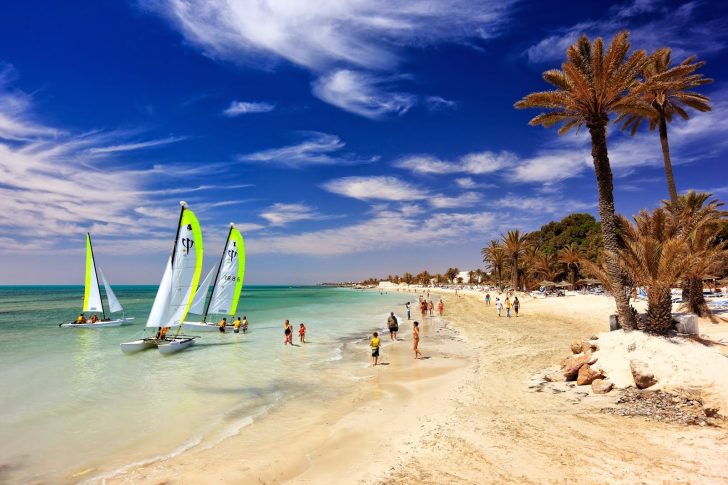
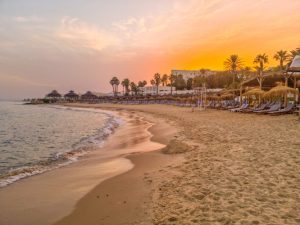
If you picture whitewashed villages, turquoise Mediterranean waters, and palm trees swaying in the desert breeze, you are probably imagining Djerba.
Located off the southeastern coast of Tunisia, this island is one of North Africa’s most popular resort destinations.
It is known for its sandy beaches, Berber heritage, vibrant markets, and the historic El Ghriba Synagogue, one of the oldest Jewish sites in the world.
Djerba feels very different from mainland Tunisia’s busy cities.
It is slower, more relaxed, and heavily tourism-focused.
But Tunisia has made headlines in the past regarding security concerns, so many travelers naturally wonder: Is Djerba safe?
After digging into data, travel advisories, and firsthand accounts, here is my honest take.
Warnings & Dangers in Djerba

OVERALL RISK: MEDIUM
Djerba is generally safer than many mainland urban areas in Tunisia, especially within resort zones. However, Tunisia as a whole carries a moderate risk rating in many travel advisories due to past security incidents. The island benefits from a strong security presence, but caution and awareness remain important.

TRANSPORT & TAXIS RISK: LOW
Taxis are widely used and relatively inexpensive. Most drivers are honest, though occasional overcharging can happen if the meter is not used. Roads are generally in decent condition, but driving standards can feel chaotic to visitors unfamiliar with local traffic habits.

PICKPOCKETS RISK: MEDIUM
Petty theft can occur in busy markets, tourist areas, and on beaches. Pickpocketing is not extreme, but it is common enough to warrant caution. Keep valuables secure in crowded souks and avoid carrying large amounts of cash.

NATURAL DISASTERS RISK: LOW
Djerba does not face major natural disaster threats. The region is not known for earthquakes or severe storms. Summers can be extremely hot, and dehydration is a real risk, but catastrophic natural events are rare.

MUGGING RISK: LOW
Violent crime against tourists is relatively uncommon in Djerba’s resort areas. However, isolated incidents can occur outside heavily touristed zones, particularly at night. Most risks involve opportunistic theft rather than violent confrontations.

TERRORISM RISK: MEDIUM
Tunisia has experienced terrorist attacks in the past, including attacks targeting tourists in other parts of the country. Since then, security has significantly increased, especially in tourist areas like Djerba. The risk is not zero, but visible security measures are strong.

SCAMS RISK: MEDIUM
Common scams include inflated prices in markets, unofficial “guides” offering unsolicited help, and small change confusion. These are more nuisance-level than dangerous. Polite firmness and price negotiation go a long way.

WOMEN TRAVELERS RISK: MEDIUM
Solo female travelers may experience occasional street harassment, particularly outside resort zones. It is generally non-violent but can be uncomfortable. Dressing modestly and avoiding isolated areas at night significantly reduces unwanted attention.

TAP WATER RISK: MEDIUM
Tap water in Djerba is treated, but not always recommended for visitors with sensitive stomachs. Bottled water is widely available and inexpensive. Most tourists choose bottled water for drinking and brushing teeth.
Safest Places to Visit in Djerba
The safest areas in Djerba are typically within established resort zones, particularly around Midoun and the main beach areas.
Hotels here often have private security, controlled entrances, and close coordination with local authorities.
These zones are designed for tourism and feel calm and well-monitored.
Houmt Souk, the island’s main town, is generally safe during the day.
Its colorful markets and harbor area attract both locals and tourists.
While petty theft is possible in crowded souks, the atmosphere is lively rather than threatening.
The El Ghriba Synagogue area receives heightened security, especially during pilgrimage events.
Cultural sites across the island are usually peaceful and attract a steady stream of visitors.
In my view, Djerba’s safety largely depends on where you stay.
Resort areas offer a controlled, relaxed environment, while venturing into quieter rural parts of the island requires more situational awareness.
Places to Avoid in Djerba
Djerba does not have clearly defined “no go” neighborhoods like some large cities, but there are areas where caution is advisable.
Poorly lit rural roads at night can feel isolated.
Walking alone, far from populated zones after dark, is not recommended.
Be cautious in less touristed parts of Houmt Souk late at night, especially if the streets are empty.
While serious crime is uncommon, isolated areas always increase vulnerability.
Remote beaches without nearby hotels or facilities can also pose minor risks, particularly if you are alone.
It is better to visit beaches that are close to established resorts or that have visible activity.
Overall, most concerns arise from isolation rather than concentrated criminal hotspots.
Staying near active, populated areas significantly reduces risk.
Safety Tips for Traveling to Djerba
- Choose Established Resorts or Well-Reviewed Hotels. Opt for accommodations in recognized tourist zones. These properties often have security personnel and stronger links to local authorities.
- Avoid Walking Alone Late at Night. Especially outside resort complexes. If you need to travel after dark, use a taxi rather than walking through quiet areas.
- Dress Modestly Outside Beach Areas. Tunisia is culturally conservative in many regions. Wearing modest clothing when exploring towns helps reduce unwanted attention.
- Drink Bottled Water. Even though tap water is treated, bottled water is a safer choice for visitors.
- Negotiate Prices Politely but Firmly. Bargaining is normal in markets. Agree on prices before accepting services such as guided tours or taxi rides.
- Stay Updated on Travel Advisories. Monitor your government’s travel guidance before and during your trip for any changes in security conditions.
- Use Official Transportation Services. Avoid unmarked vehicles offering rides. Stick to licensed taxis arranged by your hotel if possible.
- Keep Copies of Important Documents. Carry photocopies of your passport and keep originals secured in your hotel safe.
- Be Mindful During Religious or Political Events. Large gatherings can draw a heavy security presence. Avoid unnecessary crowds if tensions appear high.
- Respect Local Customs and Laws. Public intoxication, photographing security personnel, or disrespecting religious sites can lead to trouble. Cultural awareness enhances both safety and experience.
So... How Safe Is Djerba Really?
Djerba occupies an interesting middle ground.
Compared to many global resort destinations, it feels relaxed and has relatively low crime, especially within hotel zones.
Violent crime against tourists is uncommon, and the island’s economy heavily depends on maintaining a safe environment for visitors.
However, Tunisia’s broader security history cannot be ignored.
Past attacks elsewhere in the country led to strengthened counterterrorism efforts, particularly in tourist hotspots.
Security presence in Djerba is noticeable but reassuring rather than alarming.
Petty crime and minor scams are the most realistic concerns travelers face.
Heat-related illness and dehydration can also pose practical risks in summer.
From my perspective, Djerba is safe for travelers who remain aware, stay in established areas, and follow basic precautions.
It is not a high-risk destination, but it does require a bit more attentiveness than a typical European beach resort.
How Does Djerba Compare?
| City | Safety Index |
|---|---|
| Djerba |
53 |
| Sousse |
48 |
| Sidi Bou Said |
42 |
| Tunis |
55 |
| Kairouan Medina |
52 |
| Hammamet |
78 |
| Mahdia |
32 |
 Ada Ada | 82 |
| Jonesboro | 71 |
| Layton | 81 |
| Pembroke Pines | 77 |
 Swakopmund Swakopmund | 72 |
 Puerto Vallarta Puerto Vallarta | 72 |
Useful Information

Visas
Many travelers, including those from the United States, Canada, the United Kingdom, and the European Union, can enter Tunisia visa-free for up to 90 days for tourism. Passport validity requirements apply. Always confirm current rules before departure.

Currency
Tunisia uses the Tunisian Dinar. It is a closed currency, meaning you cannot import or export large amounts. Exchange money at official banks or hotel desks. ATMs are available in main towns.

Weather
Djerba has a hot desert climate. Summers are extremely hot, often exceeding 35°C. Winters are mild and pleasant. Pack lightweight clothing, strong sun protection, and breathable fabrics.

Airports
The island is served by Djerba–Zarzis International Airport, located about 9 kilometers from Houmt Souk. Taxis are the most common way to reach hotels, and many resorts offer airport transfers.

Travel Insurance
Comprehensive travel insurance is strongly recommended. It should cover medical emergencies, trip cancellations, theft, and evacuation. Healthcare facilities exist but may be limited compared to Western Europe, so coverage provides essential peace of mind.
Djerba Weather Averages (Temperatures)
Average High/Low Temperature
| Temperature / Month | Jan | Feb | Mar | Apr | May | Jun | Jul | Aug | Sep | Oct | Nov | Dec |
|---|---|---|---|---|---|---|---|---|---|---|---|---|
| High °C |
16 | 18 | 19 | 22 | 25 | 29 | 33 | 33 | 30 | 27 | 22 | 18 |
| Low °C |
8 | 9 | 11 | 13 | 16 | 20 | 22 | 23 | 21 | 19 | 14 | 10 |
| High °F |
61 | 64 | 66 | 72 | 77 | 84 | 91 | 91 | 86 | 81 | 72 | 64 |
| Low °F |
46 | 48 | 52 | 55 | 61 | 68 | 72 | 73 | 70 | 66 | 57 | 50 |
Tunisia - Safety by City
| City | Safety Index |
|---|---|
| Bab Bhar | 56 |
| Djerba | 53 |
| Hammamet | 78 |
| Kairouan Medina | 52 |
| Mahdia | 32 |
| Sidi Bou Said | 42 |
| Sousse | 48 |
| Tunis | 55 |












Djerba is safer than what you think
You are misleading people about Djerba, I am djerbian and live abroad. I visit Djerba yearly and I have never seen what you have been warning about harassment and theft. It is less common than the safest city in Europe. There are many Europeans setteled in Djerba for retirement and you can take their opinions. I met many tourists whom they were worried because of such false blogs and they were so surprised when they toured the Island and met people.
This review is very cautious. I understand that people should be aware and prepared BUT… I was in Djerba and we were moving out of the resort in the two biggest cities over there without any problem at all. Once a dude wanted us to go with him he wanted us to show us his wife’s store, he looked suspicious so we just didn’t go with him. I advise not to trust strangers, be friendly but careful. For example, though at the resort, we bought several trips not from our guide (they were very overpriced) but from a local man Abdoul. Our guides told us not to buy trips from locals. We bought trips from him and every trip was 1/3 of the price from guides and from what we talked with others our trips were better. One day we went 600kms from Djerba to mid-Tunis to see the Sahara Desert, we went to Tunisian villages .. everything was perfect and our local Tunisian guide was a great man. On top of all this I personally know two girls who travel alone just the two of them twice a year and when they are there – they are traveling alone by local taxi to a disco clubs – again – just the two of them and they never had any problems at all. Here you can see our little video of what we’ve done over there.
female traveler
i’m a female traveler in djerba.
overall, it feels safe. That said I don’t leave my 5 star hotel much.
There is a lot of sexual harrassment inside the 5 star hotels (I stayed at 3) and outside as well.
The men in Tunisia are muslims and even if they exited the religion they will still try to pursue any woman that comes across them. It’s simply part of the religion and there is nothing one can do to train or teach them. You need to be ok with (getting touched, sexually harassed or assaulted and verbally harassed various times a day). Just like in any other country where the population is >20% muslim. I tried to train the local Tunisians that it’s not ok but they disagree and this is in line with what Allah wants. So simply accept it or don’t travel to northern africa.
Stumbling upon Djerba felt like finding a hidden gem, especially those stunning whitewashed houses that just make you feel like you’re in a postcard; there’s something really special about the way the locals cherish their culture and traditions here.
So basically, if you want to kick back and enjoy a “thrilling” vacation, Djerba’s your place with all the excitement of a postcard.
Isn’t it fascinating how Djerba manages to blend such a laid-back beach vibe with its rich cultural history and still make you question how secure it truly feels?
Strolled past the El Ghriba Synagogue into the whitewashed village and, despite the news, felt calm watching palm trees sway at dusk.
After an afternoon on the sandy beach watching palm trees sway and feeling unexpectedly calm, do you still have concerns about safety given Tunisia’s past security headlines?
Honestly didn’t expect mornings here to feel so sleepy and nice, with palm trees swaying and the turquoise water glinting, I felt oddly peaceful.
You call it relaxed, but after drifting past El Ghriba and getting hit by the spice smell in the market and that warm sea breeze, would you honestly tell someone it’s okay to wander the beaches at night?
Did the turquoise Mediterranean and those whitewashed villages actually make you feel calmer than you expected, even with the security concerns?
Been to Djerba last summer and honestly, the markets there have this funky mix of chaos and charm that’s hard to find anywhere else, plus the beach vibes just make you want to kick back forever.
Caution Advised
Hmmmm. There is an undercurrent in Djerba, this is based off poverty and local sentiment, I was told “the climate is not good right now’ – this was based off terrorism risk / militia. I stayed at the Radisson Blu but went walking and driving about the whole of Djerba – my views did not change, I will not return.