


 Tunisia : Safety by City
Tunisia - safety as a country
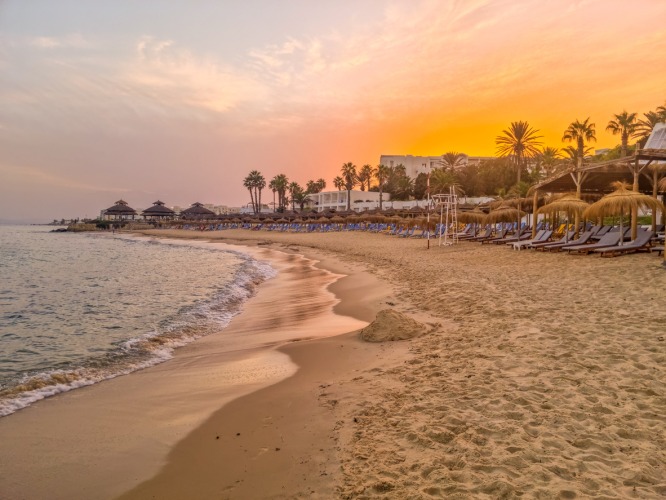
Sitting along the sparkling Cap Bon Peninsula on Tunisia’s northeastern coast, Hammamet has long been known as the country’s beach capital.
Just about 60 kilometers southeast of Tunis, this seaside resort town blends whitewashed medina walls, turquoise Mediterranean waters, and sprawling all inclusive resorts.
Historically, Hammamet attracted artists, writers, and European travelers seeking sun and culture in equal measure.
Today, it remains one of the most visited destinations in Tunisia.
But with Tunisia occasionally making international headlines for political tensions and past security incidents, many travelers understandably ask: is Hammamet safe? After digging into crime statistics, travel advisories, and on the ground reports, here is my honest and balanced take.
Warnings & Dangers in Hammamet

OVERALL RISK: MEDIUM
Hammamet is generally safe, especially in tourist zones and resort areas. However, Tunisia as a whole carries a moderate travel advisory due to past terrorism incidents and regional instability. Day to day crime in Hammamet is typically petty rather than violent. Visitors who stay in tourist districts face relatively low risk.

TRANSPORT & TAXIS RISK: MEDIUM
Taxis are common and affordable, but occasional overcharging of tourists happens. Drivers sometimes refuse to use meters. Public transport is limited compared to Europe, and road safety standards can be inconsistent. Using reputable hotel arranged taxis or ride services reduces hassle.

PICKPOCKETS RISK: MEDIUM
Petty theft is one of the most common issues visitors report. Crowded markets, beaches, and the medina attract opportunistic pickpockets. It is not rampant, but distracted tourists are easy targets. Keeping valuables secured and avoiding displaying large sums of cash is important.

NATURAL DISASTERS RISK: LOW
Hammamet faces minimal natural disaster threats. Earthquakes are rare, and the region does not experience hurricanes. Summer heat can be intense, with temperatures exceeding 35 degrees Celsius. Heat exhaustion and dehydration are more likely risks than major natural events.

MUGGING RISK: MEDIUM
Violent robbery is not widespread in tourist zones, but isolated incidents do occur, especially at night in poorly lit areas. Most visitors never encounter serious crime. Avoiding empty streets after dark significantly lowers the chance of problems.

TERRORISM RISK: MEDIUM
Tunisia has experienced high profile terrorist attacks in the past, including incidents targeting tourists in coastal areas in 2015. Security has since increased significantly in resort towns like Hammamet. While the current risk is lower than during that period, authorities still consider the national threat level moderate.

SCAMS RISK: MEDIUM
Common tourist scams include inflated prices in markets, unofficial tour guides, and currency exchange tricks. Vendors may apply pressure sales tactics. None of this is dangerous, but it can be frustrating. Clear communication and agreeing on prices in advance help avoid issues.

WOMEN TRAVELERS RISK: MEDIUM
Hammamet is more relaxed than many parts of the country due to its tourism focus. However, solo female travelers may experience occasional verbal harassment, especially outside resort areas. Dressing modestly and confidently ignoring unwanted attention usually minimizes discomfort.

TAP WATER RISK: MEDIUM
Tap water in Hammamet is treated but not always recommended for tourists with sensitive stomachs. Many visitors prefer bottled water for drinking and brushing teeth. Resorts typically provide filtered water, reducing concerns within hotel compounds.
Safest Places to Visit in Hammamet
The safest areas in Hammamet are the established resort zones and well known attractions.
Yasmine Hammamet, the purpose built tourist district, is one of the most secure areas.
With gated resorts, a marina, and regular police patrols, it is designed specifically for international visitors.
Security presence is visible but not intrusive.
The historic medina, enclosed by fortified walls, is also generally safe during the day.
Wandering its narrow streets, visiting the old kasbah, and enjoying seaside cafés are highlights.
While petty theft can occur, violent incidents are rare in daylight hours.
The beaches along the Gulf of Hammamet are another safe bet.
Private hotel beaches have staff monitoring entrances, and even public beaches are usually busy and well supervised.
Nearby cultural sites, including Roman ruins and coastal viewpoints, are commonly included in guided tours, which adds an extra layer of safety.
In my experience, sticking to main roads, tourist attractions, and areas with visible activity keeps you comfortably within Hammamet’s safest zones.
Places to Avoid in Hammamet
Unlike major metropolitan cities, Hammamet does not have clearly defined high crime districts that tourists frequently stumble into.
However, certain precautions are worth noting.
Poorly lit residential neighborhoods away from the beach and medina can feel isolated at night.
While not inherently dangerous, these areas lack the security presence found in resort zones.
Wandering there without purpose after dark is unnecessary.
Unregulated beach sections late at night can also pose risks.
Theft from unattended bags is more common in quieter stretches.
Similarly, accepting invitations from strangers to visit private homes or remote areas is not advisable.
Travelers should also exercise caution if venturing outside Hammamet to remote border regions of Tunisia, particularly near the Libyan or Algerian borders, which are subject to stricter travel advisories.
While these areas are far from Hammamet, they influence Tunisia’s overall safety perception.
In short, the biggest risks come from complacency rather than specific notorious neighborhoods.
Safety Tips for Traveling to Hammamet
- Pick the Right Base and Let Location Work for You. Where you stay in Hammamet makes a noticeable difference. Yasmine Hammamet and established beachfront resorts are designed with tourists in mind, meaning better lighting, visible security staff, and easy access to restaurants and taxis. A well located hotel reduces the need for late night wandering and minimizes unnecessary exposure to quieter residential areas.
- Master the Taxi Game Early. Taxis are affordable, but misunderstandings happen. Always confirm that the meter is running or agree on a price before the ride begins. Keep small bills on hand so you do not rely on drivers for change. If something feels off, simply step out before departure. Confidence and clarity go a long way.
- Blend In, Do Not Broadcast. You do not need to dress ultra conservatively, but outside resort grounds modest clothing earns respect and reduces attention. Leave flashy jewelry at home. Carry a simple day bag that zips fully shut. Looking relaxed and aware makes you less appealing to opportunistic thieves.
- Treat the Medina Like a Beautiful Maze. The medina is charming and safe during the day, but it is also a maze. Visit while it is lively, not late at night when shops close and foot traffic disappears. If someone insists on guiding you, politely decline unless you have officially hired them. Wandering with purpose deters pressure sellers.
- Protect Your Phone Like It Is Gold. Smartphones are often the most valuable item you carry. Use a crossbody strap or secure pocket. Avoid holding your phone loosely near busy streets or crowded markets. If you need directions, step into a shop or café instead of standing distracted in the middle of a walkway.
- Respect the Sun as Much as the Sea. Heat is one of the most underestimated risks in Hammamet. Summer temperatures regularly climb above 30 degrees Celsius. Dehydration and heat exhaustion are far more common than violent crime. Drink bottled water consistently, wear sunscreen generously, and take midday breaks indoors.
- Use ATMs Strategically. Withdraw money from machines inside banks, hotels, or shopping centers rather than isolated street corners. Shield the keypad when entering your PIN. Tunisia is largely safe, but basic banking caution prevents unnecessary stress.
- Keep Nightlife Smart, Not Spontaneous. Beach clubs and hotel bars are generally secure, but avoid wandering into unfamiliar neighborhoods after midnight. If you go out drinking, return by licensed taxi rather than walking long distances. Keep an eye on your drink as you would anywhere in the world.
- Stay Informed Without Becoming Paranoid. Before your trip, review your government’s travel advisory. Once in Hammamet, follow local news casually, not obsessively. Security presence in tourist zones is strong, and authorities prioritize visitor safety. Awareness beats anxiety every time.
- Have a Backup Plan for Everything. Photocopy your passport. Save digital copies in secure cloud storage. Keep emergency contacts accessible. Purchase comprehensive travel insurance that covers medical care and trip disruptions. Preparation transforms minor inconveniences into manageable moments instead of full blown crises.
So... How Safe Is Hammamet Really?
In practical terms, Hammamet is safer than many travelers expect.
Tourism is a major part of Tunisia’s economy, and authorities prioritize security in resort towns.
Since the tragic 2015 attacks, security measures have significantly increased, including visible patrols and tighter hotel controls.
Crime statistics show that most incidents affecting tourists involve petty theft rather than violence.
Compared to large North African cities, Hammamet experiences relatively low levels of street crime in tourist areas.
The primary safety concern remains the broader national terrorism risk, which governments classify as moderate rather than high.
For beach focused travelers who remain within resort zones and popular attractions, the risk level feels closer to low than medium.
However, Tunisia’s geopolitical context keeps the official rating slightly elevated.
My conclusion: Hammamet is generally safe for informed, cautious travelers.
Awareness and preparation matter far more than fear.
How Does Hammamet Compare?
| City | Safety Index |
|---|---|
| Hammamet |
78 |
| Sousse |
48 |
| Tunis |
55 |
| Mahdia |
32 |
| Kairouan Medina |
52 |
| Djerba |
53 |
| Sidi Bou Said |
42 |
 Murray Murray | 83 |
| Dover | 47 |
| Hyannis | 80 |
| Alamosa | 85 |
| Blue Springs | 82 |
 Seoul Seoul | 85 |
Useful Information

Visas
Many nationalities, including EU, UK, US, and Canadian citizens, can enter Tunisia visa free for up to 90 days. Passports must be valid for the duration of stay. Longer visits require applying through a Tunisian consulate before travel.

Currency
Tunisia uses the Tunisian Dinar (TND). The currency is regulated and cannot be imported or exported freely. Exchange money at official banks or hotels. Credit cards are accepted in resorts but less so in small shops.

Weather
Hammamet enjoys a Mediterranean climate with hot summers and mild winters. Summer temperatures often exceed 30 degrees Celsius. Lightweight clothing, sun protection, and comfortable walking shoes are essential.

Airports
The nearest airport is Enfidha Hammamet International Airport, about 40 kilometers away. Transfers by taxi or hotel shuttle typically take 45 minutes. Tunis Carthage International Airport is another option roughly an hour away.

Travel Insurance
Medical facilities in tourist areas are decent but may require upfront payment. Comprehensive travel insurance covering medical evacuation, theft, and cancellations is strongly recommended for peace of mind.
Hammamet Weather Averages (Temperatures)
Average High/Low Temperature
| Temperature / Month | Jan | Feb | Mar | Apr | May | Jun | Jul | Aug | Sep | Oct | Nov | Dec |
|---|---|---|---|---|---|---|---|---|---|---|---|---|
| High °C |
17 | 17 | 19 | 21 | 25 | 29 | 33 | 34 | 30 | 25 | 21 | 18 |
| Low °C |
8 | 9 | 10 | 12 | 15 | 19 | 21 | 22 | 20 | 17 | 12 | 9 |
| High °F |
63 | 63 | 66 | 70 | 77 | 84 | 91 | 93 | 86 | 77 | 70 | 64 |
| Low °F |
46 | 48 | 50 | 54 | 59 | 66 | 70 | 72 | 68 | 63 | 54 | 48 |
Tunisia - Safety by City
| City | Safety Index |
|---|---|
| Bab Bhar | 56 |
| Djerba | 53 |
| Hammamet | 78 |
| Kairouan Medina | 52 |
| Mahdia | 32 |
| Sidi Bou Said | 42 |
| Sousse | 48 |
| Tunis | 55 |




Is it really as beautiful as everyone says, or do you think the catcalling and street harassment can put a damper on the experience?
Had a great time soaking up the sun on those beautiful beaches, but I did feel a bit uneasy with the catcalling at times; just something to be mindful of when you’re out and about.
I had a nice time at the beach, but those friendly locals can really take it too far with the catcalling sometimes.
The beaches are stunning, but be prepared for some unsolicited remarks if you wander around too much.
Honestly, last time I was in Hammamet I felt way safer wandering the medina at night with a 3 dinar mint tea in hand than I do in some European train stations everyone acts totally normal about.
Walked the Corniche at sunset and mostly felt safe, though I did keep an eye on my bag after a couple of pushy vendors.
Only about an hour from Tunis, wandering past the whitewashed medina walls with the turquoise sea peeking through made me oddly calm, though I kept checking my phone like a nervous tourist.
Do you really think those occasional political headlines should put people off lounging by the whitewashed medina walls and turquoise Mediterranean water, because to me it still feels oddly peaceful?
Did you notice if the local vibe in Hammamet felt relaxed at the beach even during busier tourist days?
I was a bit nervous at first, but honestly the vibe near the marina felt chill and everyone seemed just as relaxed as me soaking up that sun.