


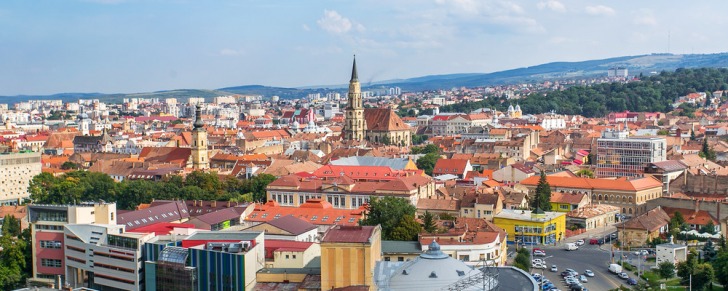
Cluj-Napoca sits in northwestern Romania, in the heart of Transylvania, and it has a very different vibe from the gloomy stereotypes people sometimes attach to the region.
This is a young, lively university city with elegant squares, café culture, green parks, and a steady stream of festivals, students, and tech workers.
It feels more polished and relaxed than many travelers expect on a first visit.
What stood out to me in reviewing the city is that Cluj is not the kind of place that overwhelms you with danger.
It is the kind of place where normal urban caution usually goes a long way.
That does not mean you should switch off completely, especially around transport hubs, late-night drinking areas, and crowded events, but for most visitors Cluj-Napoca feels manageable, walkable, and notably calmer than many larger European cities.
Warnings & Dangers in Cluj-Napoca

OVERALL RISK: LOW
Cluj-Napoca is generally a low-risk destination for tourists. Reported risk is more about petty theft, overcharging, and late-night carelessness than violent street crime. Safety concerns here are usually tied to the usual urban annoyances rather than serious threats for ordinary visitors.

TRANSPORT & TAXIS RISK: LOW
Public transport is practical and airport connections are straightforward, but taxis require a little caution. The main issue is using authorized taxis and avoiding overcharging. In Cluj, transport itself is not the problem. Choosing licensed cabs or app-based rides is the safer move.

PICKPOCKETS RISK: LOW
Pickpocket risk exists, but it is not one of Cluj-Napoca’s defining problems. The main danger is in crowded places such as buses, festival zones, busy squares, and transport hubs where distracted visitors make easy targets. You do not need to be paranoid, but you do need to keep your phone, wallet, and passport under control.

NATURAL DISASTERS RISK: LOW
Cluj-Napoca is not known as a major natural-disaster hotspot, though Romania can experience earthquakes and seasonal weather disruptions. In Cluj, the more realistic issues are winter snow, icy sidewalks, occasional storms, and transport delays rather than dramatic catastrophe. Travelers should mainly plan for weather-related inconvenience, especially from late fall through early spring.

MUGGING RISK: LOW
Mugging is not among the top concerns for travelers in Cluj-Napoca. Violent crime risk appears relatively low compared with many larger cities. Still, late-night drunken confrontations, dark side streets, and isolated areas can raise the risk, especially if you are visibly intoxicated or distracted.

TERRORISM RISK: LOW
There is no indication that Cluj-Napoca faces an elevated terrorism threat compared with other mid-sized European cities. Romania is not generally singled out as a high terrorism-risk destination. As in any European city, it is smart to stay aware in crowded public areas and during major events, but this is not a leading concern here.

SCAMS RISK: MEDIUM
Scams are more relevant than violent crime in Cluj-Napoca. The most credible recurring issue is taxi overcharging, especially for visitors arriving tired at the airport or hailing random cabs. Travelers should also stay alert for tourist scams and impostor-style approaches. This is a city where a little skepticism saves you money and stress.

WOMEN TRAVELERS RISK: LOW
Women can usually travel in Cluj-Napoca with a good level of confidence, especially in central areas during the day and early evening. The city generally feels comfortable for solo female travelers. The usual caveats apply: watch drinks, avoid isolated routes after dark, and use licensed rides if heading back late.

TAP WATER RISK: LOW
Tap water in Romania is generally considered safe to drink, and this applies to Cluj-Napoca as well. Many travelers still prefer bottled water at first, especially if they have a sensitive stomach, but there is no broad warning suggesting Cluj’s tap water is a routine hazard. This is one of the lower-risk practical issues in the city.
Safest Places to Visit in Cluj-Napoca
The safest and most pleasant parts of Cluj-Napoca for visitors are the central, well-trafficked areas where daily life, tourism, and local culture all overlap.
Union Square is the obvious starting point.
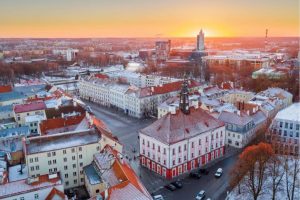
It is the city’s main square, lined with handsome architecture and anchored by St. Michael’s Church, and it tends to stay lively rather than isolated.
From there, the Old Town and Museum Square are easy areas to wander, especially during the day and early evening, with plenty of cafés, restaurants, and foot traffic that help the area feel comfortable for first-time visitors.
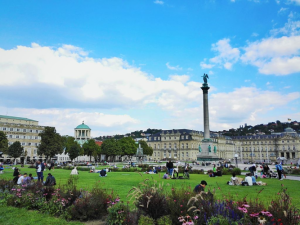
Central Park is another strong choice if you want open space without feeling cut off from the city.
It is close to the center, popular with locals, and good for a slower break between sightseeing stops.
The Alexandru Borza Botanical Garden is also a smart pick for travelers who want a calm, organized attraction with regular opening hours and a more controlled environment.
Cetățuia, the hill viewpoint above the city, is worth visiting for the panorama, though it is better approached in daylight or around sunset rather than very late at night.
Overall, the safest sightseeing rhythm in Cluj is simple: stick close to the center, enjoy the pedestrian-friendly areas, and save the more isolated edges of town for daytime exploration only.
Places to Avoid in Cluj-Napoca
Cluj-Napoca does not have a reputation for classic no-go zones in the way some larger cities do, but there are still places where tourists should dial up their caution.
The area around the main train station and bus connections deserves more attention than the city center, especially at night.
Transport hubs naturally attract more confusion, opportunism, and hustling, which is where overcharging, loitering, and petty theft become more likely.
If you arrive late, keep your bags close, ignore overly helpful strangers, and arrange your ride in a deliberate way rather than improvising on the spot.
Some outer residential or industrial-feeling areas can also feel less comfortable after dark, especially if you are walking alone without knowing exactly where you are going.
That does not mean neighborhoods like Iris, parts of Mănăștur, or the city fringes are automatically dangerous, but they are simply less useful for tourists and less forgiving if you get lost at night.
Long underpasses, poorly lit side streets, and empty stretches away from the center are not ideal places to wander after bars close.
Hoia Forest also deserves common sense: it is better as a daytime outing than a nighttime adventure.
My practical rule for Cluj is this: if the area feels purely functional rather than social, scenic, or central, it is probably not where a visitor needs to be late at night.
Safety Tips for Traveling to Cluj-Napoca
- Use authorized taxis or ride apps. This is the biggest practical safety habit for Cluj-Napoca. Scams happen, and transport is one area where visitors can lose money or start a trip badly. If you can see the fare in advance or book through an official channel, do that.
- Keep valuables tight in crowded places. Cluj is not a pickpocket capital, but crowds are where petty theft happens everywhere. On buses, in festival zones, and in busy squares, keep your phone out of your back pocket and your bag zipped in front of you.
- Stay in central neighborhoods if it is your first visit. Being close to Union Square, the Old Town, or other central areas makes your trip easier and safer. You will have more foot traffic, better lighting, simpler navigation, and less temptation to wander through quiet side streets late at night.
- Do not get casual at transport hubs. Train stations, bus stations, and airport arrival areas are where tired travelers make sloppy decisions. This is the moment to stay organized, know where you are going, and avoid handing control of the situation to strangers.
- Watch your alcohol intake at night. Cluj has a fun student-city atmosphere, and that is part of the appeal. But the safest version of nightlife is the one where you still know your route back, your phone battery is alive, and your judgment has not disappeared by midnight.
- Walk smart after dark. The city generally feels safe, but there is a difference between a bright central street and an empty side road. Choose populated routes, avoid shortcuts through isolated areas, and call a ride if you are tired or unsure.
- Be skeptical of unofficial help. Whether it is a random taxi offer, someone claiming to help with cash, or a stranger creating urgency, slow the interaction down. Many travel scams work because visitors feel rushed or embarrassed into agreeing too quickly.
- Prepare for winter conditions. In colder months, the safety issue is often not crime but snow, ice, and slippery pavement. Bring proper shoes, dress in layers, and allow extra time when moving around the city or heading to the airport.
- Carry only what you need for the day. Leave spare cards, extra cash, and important documents secured in your accommodation when possible. Even in a low-risk city, reducing what you carry lowers the impact of loss, distraction, or petty theft.
- Get travel insurance before you go. Insurance matters even in a relatively safe destination. Delayed flights, lost baggage, sudden illness, and trip interruptions can happen anywhere. In Cluj-Napoca, the point is not that danger is extreme, but that smart travelers protect themselves before anything goes wrong.
So... How Safe Is Cluj-Napoca Really?
Cluj-Napoca is one of those cities that tends to outperform expectations.
Based on current travel guidance and city-level safety patterns, it lands comfortably in the safer category for European city breaks.
The strongest evidence is not a claim that nothing bad ever happens.
It is that the main problems travelers are warned about are the usual low-level urban issues: theft, scams, and occasional late-night bad judgment.
That is a very different profile from a destination where violent crime or instability dominates the conversation.
What I found especially telling is that Cluj is widely seen as a city where walking around during the day feels very safe, and even nighttime safety is solid by city standards.
Broader travel guidance for Romania also does not frame ordinary tourism in the country as unusually risky.
The real lesson is that Cluj rewards sensible behavior.
Stay central, use official transport, keep an eye on your belongings, and do not let the relaxed atmosphere trick you into getting careless.
If you travel the way you would in any well-run city, Cluj-Napoca is likely to feel easy, enjoyable, and low stress.
For solo travelers, couples, and even first-time visitors to Romania, it is a city I would classify as broadly safe, with the usual urban caveats rather than alarming red flags.
How Does Cluj-Napoca Compare?
| City | Safety Index |
|---|---|
 Cluj-Napoca Cluj-Napoca |
90 |
| Bucharest |
70 |
| Timisoara |
87 |
| Brasov |
80 |
| Iasi |
73 |
 Tijuana Tijuana | 38 |
 Muyinga Muyinga | 55 |
 Superior Superior | 82 |
 Eindhoven Eindhoven | 85 |
 Essaouira Essaouira | 79 |
 Seria Seria | 93 |
Useful Information

Visas
Romania is part of the Schengen area, and U.S. and U.K. travelers can generally visit visa-free for up to 90 days in any 180-day period for tourism or business. Your passport should usually be valid for at least 3 months beyond your planned departure. Longer stays require a different process and permission.

Currency
Romania uses the Romanian leu, often shown as RON. Card payments are common in Cluj-Napoca, especially in hotels, restaurants, and central shops, so visitors usually do not need large amounts of cash. Exchange money at reputable exchange offices or withdraw from bank ATMs rather than changing cash in random tourist-facing spots.

Weather
Cluj-Napoca has warm, comfortable summers and cold, snowy winters. Temperatures typically range from about 21°F to 78°F through the year, with the warmest travel window usually running from late June to late August. Pack layers year-round, and bring sturdy winter shoes if visiting in the colder months.

Airports
The main gateway is Avram Iancu Cluj International Airport, which sits roughly 30 minutes from the city center by road. Public transport connections are available, and licensed taxis and private transfers are also common. Most travelers will find it easy to reach central Cluj from the airport without much hassle.

Travel Insurance
Travel insurance is strongly recommended for Cluj-Napoca, even though the city is relatively safe. Good coverage helps with medical expenses, trip delays, cancellations, and lost baggage. It is one of those things you hope you never need, but it is worth having before any international trip.
Cluj-Napoca Weather Averages (Temperatures)
Average High/Low Temperature
| Temperature / Month | Jan | Feb | Mar | Apr | May | Jun | Jul | Aug | Sep | Oct | Nov | Dec |
|---|---|---|---|---|---|---|---|---|---|---|---|---|
| High °C |
1 | 3 | 9 | 16 | 21 | 24 | 26 | 27 | 21 | 15 | 7 | 2 |
| Low °C |
-7 | -5 | -1 | 4 | 9 | 12 | 14 | 14 | 9 | 4 | 0 | -5 |
| High °F |
34 | 37 | 48 | 61 | 70 | 75 | 79 | 81 | 70 | 59 | 45 | 36 |
| Low °F |
19 | 23 | 30 | 39 | 48 | 54 | 57 | 57 | 48 | 39 | 32 | 23 |
Romania - Safety by City
| City | Safety Index |
|---|---|
| Brasov | 80 |
| Bucharest | 70 |
| Cluj-Napoca | 90 |
| Iasi | 73 |
| Timisoara | 87 |









There is a lot going on in Cluj-Napoca and certainly, it comes with risks when visiting but overall, I would say it is one of the safer areas of Romania if you are looking to visit. I met my husband in Cluj-Napoca almost 20 years ago. We now reside in Canada but we go back to the city every 2 years to visit his family and to enjoy the beautiful vibrancy of it all.
Overall Accurate Review
I doubt the earthquake thing actually. It’s the regions outside the Carpathians who are vulnerable to that, mostly Bucharest because of the huge amount of old buildings.
Did you get a chance to visit Saint Michael’s Church while you were there? It’s such an impressive landmark!
Sat on a bench in one of the elegant squares watching students and tech folks drift past café windows lit like warm beacons, and felt a real, quiet relief that the city was calmer and kinder than I’d braced myself for.
Did you notice if any particular café around the central square has a better vibe for just chilling and watching people go by?
I never thought I’d enjoy just sitting in one of Cluj’s parks watching all the lively students pass by, it’s a nice kind of buzz without feeling hectic.