


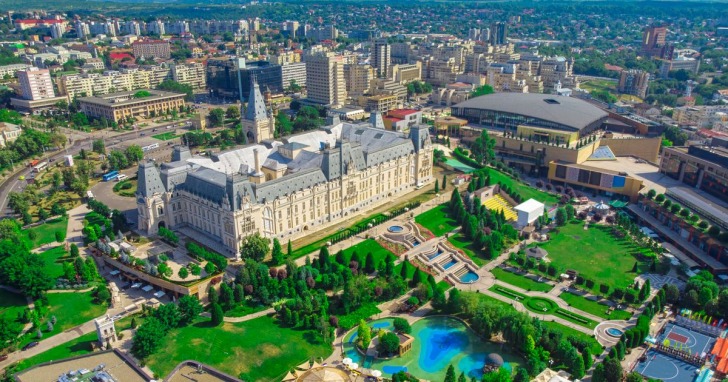
Iasi sits in northeastern Romania, close to the Moldovan border, and feels like one of those cities that quietly surprises people.
It is one of the country’s great cultural centers, packed with university life, grand churches, leafy boulevards, and a literary history that gives it more personality than many travelers expect.
You get elegant architecture, a strong café scene, and a rhythm that is noticeably calmer than Bucharest.
That matters for safety, too.
Iasi is not usually a city that overwhelms visitors with chaos or aggressive street energy.
It feels lived-in, local, and relatively manageable.
Still, like any urban destination, it is not a place to switch off your common sense.
Petty theft, taxi overcharging, and late-night carelessness can still ruin a good trip.
The good news is that for most travelers, Iasi is a comfortable and low-stress destination.
Warnings & Dangers in Iasi

OVERALL RISK: LOW
Iasi is generally a low-risk destination for travelers. Violent crime against tourists is uncommon, and most visits go smoothly. The bigger issues are the familiar city problems: careless handling of valuables, occasional scams, and poor judgment late at night. Stay alert in crowded areas, use standard urban precautions, and you will likely find Iasi easier and calmer than many larger European cities.

TRANSPORT & TAXIS RISK: LOW
Public transport in Iasi is useful and fairly straightforward, especially for getting between the center, university areas, and the airport. The main risk is not violence but inconvenience, confusion, or the occasional taxi overcharge. Use licensed taxis or ride apps when possible, check the route on your phone, and be extra careful around busier transit points after dark.

PICKPOCKETS RISK: MEDIUM
Pickpocketing is not the city’s defining problem, but it is the most realistic street-level risk for visitors. Crowded buses, tram stops, markets, festivals, and busy shopping zones create the usual opportunities for opportunistic thieves. Keep your phone and wallet out of back pockets, zip bags fully closed, and do not leave valuables hanging loosely on a chair or stroller.

NATURAL DISASTERS RISK: LOW
The natural disaster risk in Iasi is fairly low for tourists, but it is not zero. Romania has a history of earthquakes, and northeastern parts of the country can also experience heavy winter weather, storms, and localized flooding. These are usually not daily concerns for visitors, yet it is smart to know your hotel’s emergency exits and check forecasts in winter.

MUGGING RISK: LOW
Mugging and violent street robbery are not among the main worries for most travelers in Iasi. The city is generally calmer than many capitals, and tourist-targeted violent crime is uncommon. That said, empty streets, dim parks, and poorly lit side roads are never ideal places to wander alone late at night. Stick to active streets and use a car at night when needed.

TERRORISM RISK: LOW
There is no sign that Iasi itself faces a high terrorism threat compared with major Western European capitals. Still, Romania is part of the broader European security environment, so the baseline advice is the same as elsewhere: stay aware in transport hubs, public events, and crowded spaces. For most tourists, this is a background-level concern rather than something shaping daily plans.

SCAMS RISK: MEDIUM
Scam risk is moderate, mostly because scams in Romania tend to be low-level and opportunistic rather than elaborate. Think inflated taxi fares, cash tricks, fake friendliness near transit areas, card issues, or someone trying to distract you while a companion targets your belongings. Avoid unofficial help, do not hand over your phone or wallet to strangers, and pay attention when using ATMs.

WOMEN TRAVELERS RISK: LOW
Women traveling in Iasi will usually find the city manageable and comparatively comfortable, especially in daytime and central areas. Solo female travelers can explore most tourist spots without much trouble. The usual precautions still matter: avoid isolated streets late at night, watch your drink in bars, and use trusted transport after dark. Confidence and awareness go a long way here.

TAP WATER RISK: LOW
Tap water in Iasi is generally considered safe for most travelers, especially in hotels, restaurants, and homes connected to the municipal system. The bigger issue is not contamination panic but personal sensitivity to a different mineral balance or old plumbing in some older buildings. If your stomach is easily upset, bottled water for drinking the first day or two is a reasonable choice.
Safest Places to Visit in Iasi
Piata Unirii and the Historic Center
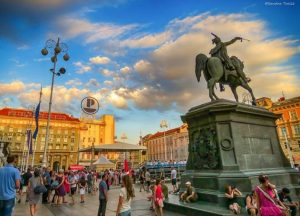
For most visitors, the safest and easiest part of Iasi is the central zone around Piata Unirii.
It is active, visible, and full of normal city life.
You have cafés, hotels, pedestrian movement, and plenty of locals around, which usually makes a place feel more secure.
This is one of the best areas for first-time visitors who want to walk without overthinking every turn.
Palas and the Palace of Culture Area
The Palas complex and the Palace of Culture surroundings are among the most visitor-friendly parts of the city.
This area is polished, modern, and busy in a reassuring way.
Between the shopping center, landscaped gardens, restaurants, and open public space, it is one of the easiest places in Iasi to spend an afternoon comfortably.
It is especially good for travelers who prefer well-lit, organized urban areas.
Copou Neighborhood
Copou has a calmer, greener feel and is associated with universities, parks, and some of the city’s most refined streets.
It feels more residential and intellectual than hectic.
For daytime wandering, this is one of the most pleasant parts of Iasi.
The parks and boulevard areas are good for slower sightseeing, and the atmosphere is usually relaxed rather than intense.
Metropolitan Cathedral and Main Religious Landmarks
The major church and monastery sites in central Iasi are typically safe to visit, especially during the day.
These attract a steady flow of worshippers, locals, and tourists.
Just stay aware during crowded religious events, when bags and phones can become easier targets.
Otherwise, these are among the city’s most culturally rewarding and low-stress stops.
Places to Avoid in Iasi
Isolated Side Streets Late at Night
Iasi is not a city famous for dangerous no-go districts in the way some larger places are, but that does not mean every street is equally smart after midnight.
Quiet side roads away from the center, especially those with poor lighting or little foot traffic, are worth avoiding if you are alone.
Trouble is more likely to come from opportunity than from a clearly notorious district.
Around Major Transit Points After Dark
Bus and rail areas deserve extra caution, especially later in the evening when people are tired, distracted, or carrying luggage.
These places are common magnets for petty theft, confusion, and the occasional scam attempt.
You do not need to panic or avoid them completely, but you should be more alert there than in the polished city-center zones.
Neglected Peripheral Residential Areas
Some outer residential districts are not especially dangerous, but they are also not particularly useful or pleasant for tourists.
If you wander far from the center without a reason, you may end up in badly lit, less maintained, or more anonymous urban stretches where you stand out more and gain little in return.
It is more about comfort and street smarts than severe danger.
Parks and Empty Public Spaces Very Late
By day, parks in Iasi can be lovely.
Very late at night, empty park paths and deserted public areas are simply not where I would recommend solo travelers experiment with their luck.
Even in a relatively safe city, isolation reduces your margin for error.
Save late wandering for busy central streets instead.
Safety Tips for Traveling to Iasi
- Stay in the central part of the city. Base yourself near Piata Unirii, the Palace of Culture, or another central area. This reduces transport stress, keeps you near busy streets, and makes it easier to walk back to your hotel before the city quiets down.
- Use ride apps or clearly marked taxis. Taxi problems in Iasi are usually about price or route games, not personal danger. Still, that is enough to annoy a traveler. Book through an app when possible, or choose an official taxi and confirm the meter is being used.
- Watch your valuables on trams, buses, and in markets. Petty theft tends to happen where people are packed together and distracted. Wear your bag across your body, keep it zipped, and do not set your phone on a café table edge like you are daring fate.
- Avoid showing off cash, jewelry, or expensive gear. Iasi is not a city where you need to look paranoid, but it is also not smart to look flashy. Expensive watches, open designer bags, and obvious stacks of cash make you more memorable than you want to be.
- Be more cautious after dark than during the day. Daytime Iasi is easygoing. Late night Iasi is still manageable, but your judgment has to improve as the streets empty out. Take a car if you are returning late, especially if you are alone or unfamiliar with the neighborhood.
- Use ATMs attached to banks or inside secure areas. Random standalone machines are never my favorite choice in any city. Use ATMs at banks, avoid help from strangers while withdrawing money, and cover the keypad. Card fraud is a more realistic issue than dramatic street crime.
- Do not trust overly friendly strangers too quickly. Most locals are perfectly normal and helpful, but common travel scams often begin with charm. Be cautious if someone becomes unusually interested in where you are staying, what money you are carrying, or whether you need help buying tickets.
- Keep emergency basics saved on your phone. Save your hotel address, offline map, local emergency number, and a screenshot of your passport. If your battery dies or you lose signal, that little bit of preparation can spare you a lot of unnecessary stress.
- Dress for the season and do not underestimate winter. Iasi can be warm in summer, but winter is cold enough to matter, with snow, icy sidewalks, and biting wind. A traveler who packs stylishly but not practically can end up making bad decisions simply because they are freezing and tired.
- Trust the city, but keep your city instincts switched on. This is probably the best single summary of Iasi. You do not need to move through it like it is dangerous, because for most people it is not. But keep the simple habits that protect you anywhere: stay aware, plan your routes, and avoid unnecessary risks.
So... How Safe Is Iasi Really?
Iasi is one of those cities that rates well not because it is sterile or perfect, but because its actual risks are usually manageable.
For the average traveler, this is a low-risk destination.
The most likely problems are petty theft, minor scams, or the inconvenience of being careless in the wrong place at the wrong time.
Violent crime is not what defines the visitor experience here, and that is a big point in Iasi’s favor.
Another reason I view Iasi positively is scale.
It is a large Romanian city, but it does not feel overwhelmingly complicated.
The central areas are lively, the airport is close to town, and many of the places visitors actually want to see are in areas that feel active and reasonably well watched.
That naturally lowers stress.
The real caveat is that Romania, like much of Europe, still comes with standard urban travel rules.
Crowded transit points require attention.
Late-night wandering in empty places is not smart.
Taxi choices matter.
If you travel as though you are in a generally safe city that still deserves respect, Iasi usually rewards that approach.
My honest take is simple: Iasi is safer than many travelers expect.
It is not risk-free, because nowhere is, but for most tourists it is a comfortable, worthwhile, and comparatively easy city to enjoy.
How Does Iasi Compare?
| City | Safety Index |
|---|---|
 Iasi Iasi |
73 |
| Bucharest |
70 |
| Brasov |
80 |
| Timisoara |
87 |
| Cluj-Napoca |
90 |
 Oakville Oakville | 83 |
 Perth Perth | 85 |
 Fishers Fishers | 92 |
 Juffair Juffair | 71 |
| Platteville | 85 |
| Johnson City | 68 |
Useful Information

Visas
Romania is part of the Schengen travel area, so many tourists, including Americans and many other visa-exempt nationals, can visit for up to 90 days within a 180-day period without a visa for tourism. Travelers from countries that require a visa should apply for a Schengen visa before arrival. Always check passport validity and current entry rules before booking.

Currency
The local currency is the Romanian leu, usually shown as RON or lei. Card payments are widely accepted in Iasi, especially in hotels, malls, and restaurants, but it is smart to keep some cash for small purchases. Exchange money at banks or reputable exchange offices, and avoid changing cash in random tourist-facing spots.

Weather
Iasi has cold winters and warm summers. January can be freezing, while July and August are pleasantly hot and sunny. Spring and autumn are usually comfortable but variable. Pack layers year-round, add a proper coat and sturdy shoes in winter, and bring light clothes plus a small jacket for summer evenings.

Airports
The main gateway is Iasi International Airport, which sits very close to the city compared with many European airports. That is a big advantage. You can usually reach the center in around 15 to 25 minutes by taxi, ride app, or public bus, depending on traffic and your exact destination.

Travel Insurance
Travel insurance is a very smart idea for Iasi, just as it is for any international trip. The city is generally safe, but insurance helps with medical issues, lost baggage, theft, flight disruptions, and other expensive surprises. Even on a low-risk trip, one problem can cost far more than the policy itself.
Romania - Safety by City
| City | Safety Index |
|---|---|
| Brasov | 80 |
| Bucharest | 70 |
| Cluj-Napoca | 90 |
| Iasi | 73 |
| Timisoara | 87 |













Full of life!
Iasi is a wonderful city full of colour and life. I do not regret going when I had the chance. It seems like travel is really bogged down still and I was really hoping to go again. I went in 2017 and had planned to go back in 2020 with my wife. I went prior to meeting her and wanted to share my experiences. I am hoping we can go in 2023.
It’s surprising how many beautiful churches are tucked away in Iasi; each visit feels like stepping into a piece of history.
Nothing screams cultural capital like church-hopping for hours and ending up with your feet begging for mercy on those cobblestones.
Did the hush in that old Orthodox church at dusk make your chest tighten too, because when I walked in the soft light on the frescoes knocked the breath out of me?
Did you ever get that calm, slightly nostalgic buzz sitting in a café by the university and watching students rush past, or was that just a fluke evening?
Those leafy boulevards and cozy cafés make the place feel almost sleepy, but after a taxi tried to overcharge me one evening and I walked home watching every corner, the “manageable” label suddenly felt like a politely worded warning.
That café scene really caught me off guard, nothing beats sipping a coffee while watching the world go by on those quiet boulevards.