


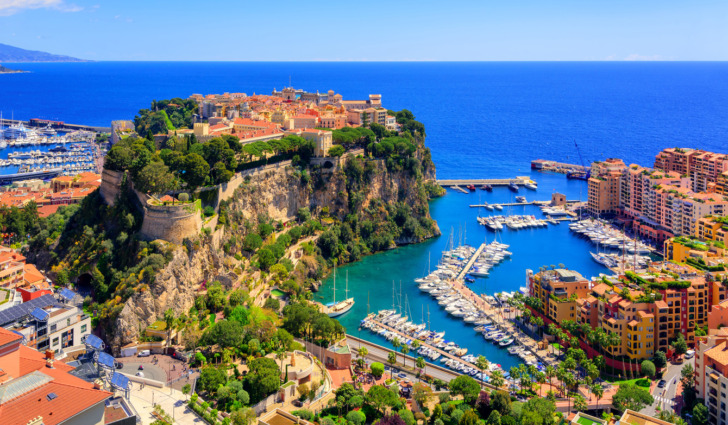
Monte Carlo is the glamorous, cliffside district of Monaco that most people picture when they imagine the French Riviera: superyachts, casino lights, Formula 1 streets, designer boutiques, and Mediterranean views that look almost too polished to be real.
It sits on Monaco’s northeastern coast, squeezed between France and the sea, and although many travelers call the whole country “Monte Carlo,” it is technically one of Monaco’s most famous quarters.
What makes it fascinating is the contrast: it is tiny, wealthy, orderly, and sparkling, but still very much a real destination where visitors need to think about transport, crowds, event seasons, and basic street smarts.
The good news is that Monte Carlo is one of the safest urban travel spots in Europe.
The better news is that it is also one of the easiest places to enjoy carefully.
Warnings & Dangers in Monte Carlo

OVERALL RISK: LOW
Monte Carlo is very safe for tourists, especially compared with larger European cities. Violent crime is rare, policing is visible, and the area is compact, clean, and heavily monitored. The main risks are not dramatic ones. Think lost wallets, expensive mistakes, crowded event periods, and overconfidence in a place that feels almost too safe.

TRANSPORT & TAXIS RISK: LOW
Transport is safe, but it can be expensive and sometimes inconvenient. Monaco has buses, elevators, walkways, taxis, trains, and excellent pedestrian routes, though the steep streets can surprise first-time visitors. Licensed taxis are reliable, but fares can be high, especially around hotels, casinos, and major events.

PICKPOCKETS RISK: LOW
Pickpocketing is not a major problem in Monte Carlo, but it can happen around train stations, tourist viewpoints, casino areas, and crowded event spaces. The biggest risk comes when visitors relax too much because the city feels wealthy and secure. Keep phones, passports, and cards close, especially during Grand Prix season.

NATURAL DISASTERS RISK: LOW
Monte Carlo has a low natural disaster risk. The most realistic concerns are heavy rain, occasional flash flooding in the region, strong coastal winds, rough seas, and summer heat. Earthquake risk exists in the wider Riviera region but is not a daily travel concern. Weather is usually mild and manageable.

MUGGING RISK: LOW
Mugging is very uncommon in Monte Carlo. The area has strong surveillance, a high police presence, and a public atmosphere that discourages violent street crime. Still, do not wander distracted late at night with luxury shopping bags, expensive watches, or obvious cash. Low risk does not mean zero risk.

TERRORISM RISK: LOW
Monte Carlo is not considered a major terrorism hotspot, but it is part of Europe, where public places, transport hubs, luxury sites, and large events always require some awareness. Monaco takes security seriously, especially around the casino, port, and Grand Prix. The practical risk for an average tourist remains low.

SCAMS RISK: LOW
Scams are less common here than in many tourist-heavy European cities, but visitors can still run into overpriced services, unclear taxi costs, fake luxury goods outside official shops, and inflated event pricing. The best defense is simple: confirm prices first, book through reputable channels, and avoid anything that feels too conveniently offered.

WOMEN TRAVELERS RISK: LOW
Monte Carlo is generally very safe for women travelers, including solo travelers. Streets are well-kept, central areas are busy, and serious harassment is not common. The usual precautions still apply: watch drinks, use licensed transport at night, avoid isolated stairways late, and trust your instincts around overly persistent strangers.

TAP WATER RISK: LOW
Tap water in Monte Carlo is safe to drink. Restaurants may offer bottled water by default, especially in upscale places, but travelers can drink from the tap without concern. Bringing a reusable bottle is practical because Monaco involves a lot of walking, stairs, sunshine, and surprisingly steep routes.
Safest Places to Visit in Monte Carlo
Casino Square
Casino Square is one of the safest and most iconic places in Monte Carlo.
It is polished, busy, well-lit, and watched closely because of the Casino de Monte-Carlo, luxury hotels, and high-end shops surrounding it.
This is a great place to stroll, people-watch, photograph the architecture, and enjoy the classic Monte Carlo atmosphere.
The main thing to watch here is your spending, not your personal safety.
Larvotto Beach
Larvotto is Monaco’s main beach area and one of the most relaxed places for visitors.
It is clean, public, and close to cafes, restaurants, and seaside walking paths.
During summer, it gets crowded, but the atmosphere is generally calm and family-friendly.
Keep an eye on bags while swimming, as you would anywhere, but this is not a beach where I would be especially worried.
Port Hercule
Port Hercule is safe, scenic, and one of the best places to understand Monaco’s identity.
The yachts are the show, but the harbor area is also useful for walking, dining, and taking in the hillside views.
It can get extremely busy during the Monaco Grand Prix and yacht events, so protect valuables in crowds and expect temporary barriers or controlled access.
Japanese Garden and Seafront Walks
The Japanese Garden and nearby waterfront paths are peaceful, attractive, and easy to enjoy during the day.
This area is great if you want a slower break from the casino and luxury-shopping scene.
It is safe, photogenic, and close to other major sights.
At night, stick to the more active, well-lit routes back toward your hotel or transport.
Places to Avoid in Monte Carlo
Empty Stairways and Quiet Shortcuts Late at Night
Monte Carlo is built vertically, so you will find elevators, staircases, tunnels, and hillside shortcuts everywhere.
Most are perfectly safe, but some can feel isolated late at night.
I would not call them dangerous in the usual big-city sense, but if you are alone after dark, choose main roads, hotel areas, or busier pedestrian routes instead of quiet stairways.
Crowded Event Zones During the Grand Prix
The Monaco Grand Prix is thrilling, but it transforms Monte Carlo into a packed, controlled, expensive, and occasionally confusing maze.
Crowds bring more chances for pickpocketing, lost phones, heat exhaustion, overcharging, and transport delays.
The area around the circuit, Port Hercule, Casino Square, and train access points can be chaotic.
It is not unsafe, but it requires more planning.
Train Station Crowds and Transit Connections
Monaco-Monte-Carlo station is safe, modern, and heavily used, but train stations are always places where tourists get distracted.
Watch your bags when arriving from Nice, Menton, or Italy.
This is one of the few places where petty theft is more plausible, mostly because travelers are carrying luggage, checking maps, and trying to figure out exits.
Overpriced or Unclear Service Offers
Monte Carlo is not a place full of street scams, but it is definitely a place where travel costs can climb fast.
Be careful with informal transport offers, luxury experiences without clear pricing, and last-minute event tickets.
The danger here is financial rather than physical.
If a price is vague, ask before accepting.
Safety Tips for Traveling to Monte Carlo
- Keep your expectations realistic. Monte Carlo is very safe, but it is not a private security bubble. Tourists still lose phones, leave wallets in taxis, forget bags at cafes, and get careless in crowds. The safest travelers here are not nervous travelers. They are organized travelers. Keep your passport secure, carry only what you need for the day, and avoid flashing cash just because everyone around you looks rich.
- Use licensed taxis or official transport. Taxis in Monaco are safe, but they are not cheap. Before getting in, confirm the fare estimate or make sure you understand the pricing. For many short trips, walking, public elevators, and buses are better. If you are coming from Nice Airport, compare train, taxi, private transfer, and helicopter options before arrival, because last-minute choices can be expensive.
- Plan around major events. Monte Carlo during the Grand Prix is a different destination from Monte Carlo on a quiet weekday in October. Hotels, restaurants, roads, taxis, and viewpoints become harder to access. If you are visiting during Formula 1, the Monaco Yacht Show, or other major events, book early, arrive with patience, and keep valuables protected in packed areas.
- Wear comfortable shoes. This sounds like comfort advice, but it is safety advice too. Monaco is steep, layered, and full of stairs. A short route on the map can involve a serious climb. Slippery sandals, dress shoes, or heels can turn a simple walk into a miserable experience. Bring shoes that can handle hills, polished sidewalks, and long days.
- Do not leave valuables unattended at the beach. Larvotto Beach is safe, but leaving phones, wallets, watches, or designer bags unattended while swimming is still a bad idea. Bring a small waterproof pouch, travel light, or go with someone who can watch your things. Monte Carlo’s low crime rate does not protect a bag sitting alone on a towel.
- Respect local dress standards. Monaco is polished, and local rules and expectations reflect that. Beachwear belongs at the beach, not in town, casino areas, restaurants, or shopping streets. Walking around shirtless, barefoot, or in swimwear away from bathing areas can attract unwanted attention and may even lead to a fine. Pack casual clothes that still look put together.
- Watch your alcohol and spending. Monte Carlo has luxury bars, casinos, nightlife, champagne pricing, and plenty of temptation. The personal safety risk may be low, but the “how did I spend that much?” risk is very real. Set a budget before entering casinos or high-end venues. Also, keep control of your drink and your judgment, especially if you are walking back late.
- Use the public elevators. One of Monaco’s best practical features is its network of public elevators and escalators. These can save you from exhausting climbs and help you move safely between levels of the city. They are especially useful in hot weather, with luggage, or after dinner. Learn where the main ones are near your hotel.
- Keep an eye on weather and sea conditions. The Mediterranean looks calm and glamorous most of the time, but weather can still affect your trip. Summer heat can be tiring, sudden rain can make stairs slick, and rough seas can affect boating plans. Bring sunscreen, water, light layers, and a compact umbrella if visiting outside the driest summer months.
- Keep your documents secure. Most tourists enter Monaco through France, so your passport, visa status, and Schengen timing matter. Keep a copy of your passport separately from the original, and do not carry unnecessary documents around town. Hotels, border rules, car rentals, and travel insurance claims all become much easier when your paperwork is organized.
So... How Safe Is Monte Carlo Really?
Monte Carlo is genuinely one of the safest luxury destinations in Europe.
It benefits from Monaco’s small size, strong policing, extensive surveillance, wealthy economy, strict public order, and dependence on tourism.
Crime against tourists is usually limited to petty theft, bag snatching, lost belongings, or opportunistic incidents in crowded places.
Violent crime is rare, and most visitors will feel comfortable walking around central areas during the day and evening.
That said, Monte Carlo has a specific kind of safety profile.
It is physically safe, but it can be financially unforgiving.
Hotels, restaurants, taxis, casino visits, beach clubs, and special events can become expensive very quickly.
For travelers, the biggest practical problems are not dangerous neighborhoods or aggressive street crime.
They are crowds, logistics, high prices, steep streets, summer heat, and the false sense of total security that comes from being somewhere so polished.
My honest take: Monte Carlo is a low-risk destination for couples, solo travelers, families, older travelers, and first-time visitors to the Riviera.
If you use normal European travel precautions, protect valuables in transit areas, plan transport ahead, and avoid careless spending, you are unlikely to have serious safety issues.
How Does Monte Carlo Compare?
| City | Safety Index |
|---|---|
 Monte Carlo Monte Carlo |
94 |
 Montpelier Montpelier | 78 |
| Honolulu | 65 |
| Glenview | 92 |
 Manuel Antonio Manuel Antonio | 58 |
| Winston-Salem | 47 |
| Parkersburg | 78 |
Useful Information

Visas
Monaco is not part of the European Union, but short tourist visits generally follow Schengen-style access because most travelers enter through France. Many visitors, including Americans, Canadians, British citizens, Australians, and EU nationals, can visit for up to 90 days in a 180-day period. Travelers who need a Schengen visa should apply through the appropriate French consular process.

Currency
Monaco uses the euro. Credit cards are widely accepted, especially in hotels, restaurants, shops, and tourist areas. Cash is still useful for small purchases, tips, or quick cafe stops. Avoid airport exchange counters if possible, and use bank ATMs or card payments with fair foreign transaction terms.

Weather
Monte Carlo has a Mediterranean climate with mild winters, warm springs, hot summers, and pleasant autumns. Summer clothing works well from June to September, but bring sunscreen, sunglasses, and comfortable walking shoes. In spring and fall, pack light layers. Winters are usually mild, but evenings can feel cool near the sea.

Airports
Monaco has no major commercial airport. Most travelers arrive through Nice Côte d'Azur Airport in France, about 30 kilometers away. From there, you can reach Monte Carlo by train, taxi, private transfer, airport shuttle, or helicopter. The train is usually the best value, while taxis and private transfers are more convenient.

Travel Insurance
Travel insurance is a smart idea for Monte Carlo, even though it is safe. Medical care, missed connections, lost luggage, event cancellations, and expensive prepaid bookings can all cost more than expected. Choose a policy that covers health care, theft, delays, cancellations, and any activities you plan along the Riviera.
Monte Carlo Weather Averages (Temperatures)
Average High/Low Temperature
| Temperature / Month | Jan | Feb | Mar | Apr | May | Jun | Jul | Aug | Sep | Oct | Nov | Dec |
|---|---|---|---|---|---|---|---|---|---|---|---|---|
| High °C |
11 | 11 | 13 | 16 | 19 | 23 | 26 | 26 | 23 | 20 | 15 | 12 |
| Low °C |
7 | 7 | 9 | 11 | 14 | 18 | 21 | 22 | 19 | 15 | 11 | 8 |
| High °F |
52 | 52 | 55 | 61 | 66 | 73 | 79 | 79 | 73 | 68 | 59 | 54 |
| Low °F |
45 | 45 | 48 | 52 | 57 | 64 | 70 | 72 | 66 | 59 | 52 | 46 |
Monaco - Safety by City
| City | Safety Index |
|---|---|
| Monte Carlo | 94 |
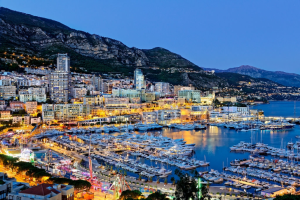
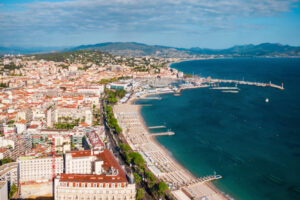
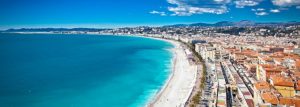



There’s this weird mix of feeling like you’re in a movie and also just trying not to get lost in all the fancy streets, especially when the sun hits the water just right and it almost blinds you for a second.
The mix of fancy yachts and crowded streets always catches me off guard when I visit.
Spent an afternoon trying to spot a celebrity while dodging tour groups, and the sea breeze here somehow makes even the busiest spots feel chill.