


 Monaco : Safety by City
Monaco is smaller than most airports, yet its name carries global weight.
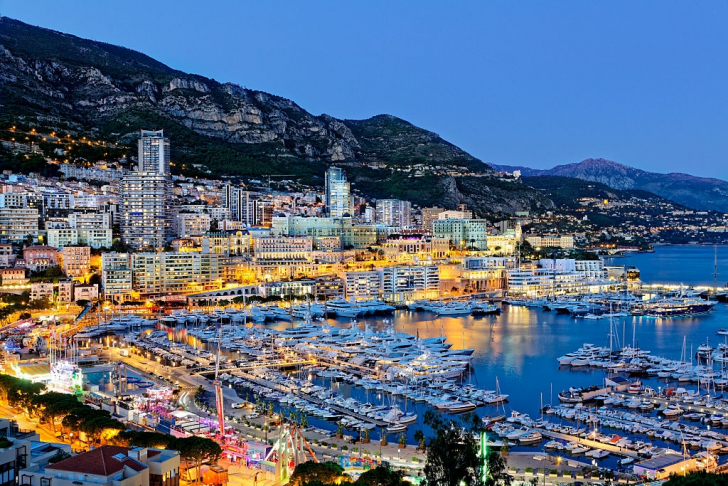
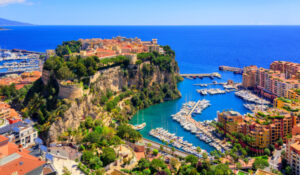
This tiny sovereign principality sits on the French Riviera between France and Italy, perched on cliffs above the Mediterranean.
Monaco has been ruled by the Grimaldi family since the 1200s, making it one of the world’s oldest continuous monarchies.
Today, Prince Albert II still reigns, and the royal presence is part of daily life.
Monaco is independent, but closely tied to France for defense, borders, and immigration.
That’s why it often gets lumped into France on maps, travel advisories, and logistics, even though it is very much its own country.
You can walk across the border without noticing, but the identity shift is real.
People come for different reasons, often all at once.
Luxury and yachting culture draw the elite.
The Casino de Monte-Carlo and Grand Prix pull in glamour seekers.
Beaches, gardens, museums, and Michelin-star dining bring travelers who want refinement without chaos.
Celebrities, athletes, royalty, and business leaders treat it as a second home.
Monaco is not about size.
It’s about status, safety, and a lifestyle that turns everyday moments into something cinematic.
Warnings & Dangers in Monaco

OVERALL RISK: LOW
Monaco is one of the lowest-risk destinations in Europe. With great security, you'll feel safe, but expect to pay higher prices all around for that benefit.

TRANSPORT & TAXIS RISK: LOW
You can explore Monaco on foot in less than three hours. If you'd rather ride, you can choose from car rentals, private drivers, taxis, buses, and electric bikes. All forms of transportation are safe, provided you use standard safety precautions.

PICKPOCKETS RISK: LOW
The risk is pretty low, thanks to strong security and law enforcement presence. However, there have been reports of thefts at the Nice (France) airport and on trains. Just don't let the low crime rate give you a false sense of safety.

NATURAL DISASTERS RISK: LOW
Monaco is one of Europe’s least disaster-prone destinations. It doesn’t sit on major fault lines, isn’t in a hurricane zone, and doesn’t deal with wildfires, volcanoes, or severe winter storms. The main natural risks are mild coastal issues like rough seas, occasional heavy rain, and rare localized flooding. Your biggest concern will be checking beach conditions.

MUGGING RISK: LOW
Violent crime is rare in Monaco, giving this another low risk. Still, use safety precautions like staying in well-lit areas after dark, watching your back when loading and unloading your car, and locking all windows and doors.

TERRORISM RISK: MEDIUM
Any European country is going to come with templated terrorism advisories. The best thing you can do is remain vigilant and report suspicious activity. However, the terrorism risk shouldn't prevent you from planning a trip here.

SCAMS RISK: LOW
Scams aren't a huge problem here, so this is another low risk. If someone attempts to scam you, report it to the police and your embassy. Don't let your guard down. The guidance of "if it seems too good to be true, it is," holds here.

WOMEN TRAVELERS RISK: LOW
Monaco is safe for female travelers, even solo travelers. You'll want to pay special attention to dress codes and etiquette. For example, wearing a bathing suit outside a beach area can cause you to get a fine.

TAP WATER RISK: LOW
Tap water in Monaco is completely safe to drink. It’s tightly regulated, regularly tested, and meets high European water quality standards.
Safest Places to Visit in Monaco
The official tourism website is visitmonaco.com.
Be sure to use the “My Favorites” tool to collect your preferred itinerary destinations during your research.
Monaco is small enough to walk end to end, but packed with distinct districts, moods, and experiences.
Monte Carlo handles the glamour.
This is where you’ll find the Casino de Monte-Carlo, luxury shopping, rooftop bars, the Opera House, and grand hotels.
Larvotto is the beachside, with public and private beaches, seaside promenades, paddleboarding, and cafés that turn into cocktail spots after sunset.
Beach life is polished rather than wild.
Port Hercule is yacht central, lined with waterfront restaurants and a constant parade of superyachts.
Monaco-Ville, the old town on the Rock, brings history into the mix.
Expect the Prince’s Palace, cathedral, quiet streets, viewpoints over the harbor, and small museums.
Fontvieille adds a more residential feel with the Princess Grace Rose Garden, coastal walking paths, and modern marina life.
Condamine blends daily local life with markets, bakeries, and casual dining.
Geographically, Monaco is carved into cliffs above the Mediterranean, so you’ll encounter staircases, tunnels, scenic overlooks, and coastal paths that feel cinematic even on a grocery run.
Nightlife ranges from refined cocktail lounges to late-night clubs tied to hotels and casinos.
Cuisine leans French and Mediterranean, with Italian influence everywhere, plus Michelin-level dining if you want to go big.
Cultural life includes opera, ballet, yacht shows, Grand Prix events, gardens, and surprisingly peaceful parks.
Expect elegance without chaos, luxury without danger, and a destination where you can see a lot without ever needing a car.
Places to Avoid in Monaco
Monaco doesn’t have “bad areas” to avoid.
Every neighborhood falls under Level 1, the lowest possible travel risk.
Crime is rare, streets are heavily monitored, and even late at night, the city feels orderly and calm.
You can move freely without playing the usual tourist game of what to skip.
The only place where a little judgment actually matters is the water.
Before swimming, check local beach flags, posted notices, and daily sea conditions.
Mediterranean waters look calm until currents and wind decide otherwise.
Jellyfish do show up seasonally, and water quality can change after storms.
Stick to supervised beaches, enter slowly, and avoid swimming when warning flags are posted.
If you want updates, your hotel, local beach clubs, and the Monaco Government Tourist Office all provide marine safety information.
Monaco is about as close to “safe everywhere” as a destination gets.
Safety Tips for Traveling to Monaco
- Monaco is policed by the Direction de la Sûreté Publique, one of the most visible and efficient forces in Europe. For emergencies, dial 112 or 17 for police, 18 for fire, and 15 for medical. Response times are fast due to the country’s size. If something feels off, ask for help. Officers are professional, approachable, and used to assisting visitors.
- Monaco does not use a tourist-facing national alert app like some larger countries. In major incidents, information is pushed through official government channels, local radio, hotel front desks, and public signage. If you want extra coverage, enable French emergency alerts on your phone while in the region. Realistically, large-scale emergencies here are rare.
- If you are legally allowed to drive in France, you can drive in Monaco. U.S., UK, Canadian, and Australian licenses are accepted for short stays. An International Driving Permit is usually required, and that must be obtained in your home country. Roads are well-maintained but tight, busy, and full of luxury cars. Defensive driving and serious parking patience are essential.
- No special vaccines are required for Monaco. Standard travel health recommendations apply, including routine adult immunizations and seasonal flu protection. Healthcare is excellent but private and expensive, so insurance matters. There are no region-specific health risks, tropical diseases, or unusual outbreaks. This is one of the easiest countries in Europe from a medical-prep standpoint.
- French is the official language, but English is widely spoken in hotels, restaurants, shops, and tourist services. Italian is also common due to proximity. You will not struggle with basic communication, especially in hospitality settings. Learning a few French pleasantries is appreciated but not required. Monaco is international by design and used to global visitors.
- Monaco operates more than 1,000 CCTV cameras across its streets, ports, casinos, and public spaces. You should assume you are on camera almost everywhere. This isn’t about being intrusive. It’s a major reason crime rates are so low. The surveillance network allows fast response and strong deterrence, which is why Monaco consistently ranks as one of Europe’s safest places.
- The legal gambling age in Monaco is 18. Tourists are welcome inside casinos, including Monte Carlo, but locals are not allowed to gamble there. You will need a valid photo ID to enter, and certain areas enforce dress codes after early evening. No photos at gaming tables. This is luxury gambling with old-school rules, not a casual casino floor.
- You cannot bring meat, milk, or products containing them into Monaco. This includes sandwiches, cheese, and cured meats. Exceptions exist for powdered baby milk, baby food, and medically necessary foods or pet feed. These rules are strictly enforced at the border. If you are unsure about an item, don’t pack it. Buy what you need after arrival.
- Monaco takes privacy seriously. Paparazzi are banned, and even casual, unsolicited photos of individuals, especially public figures, can get you into legal trouble. Just because someone is famous does not make them fair game. Be respectful, keep your phone down, and enjoy the fact that this is a place where people can exist without being hunted by cameras.
- Monaco expects a polished look in many settings. Restaurants, clubs, and casinos may require smart attire after dark. Swimwear is for the beach only. No bare chests or bare feet in public areas. Improper attire could get you a hefty fine. Dress appropriately, and you will fit in anywhere from a seaside café to the casino floor.
So... How Safe Is Monaco Really?
Most government agencies give Monaco the lowest risk level, which is Level 1: Exercise Standard Precautions.
One note on that topic: the United States and Australia list France at Level 2 due to petty crime and other standard European risks.
However, it lumps Monaco into France, so you don’t get the best picture of the specific safety risks from that source.
Use advisories from the United Kingdom or Canada to get more hyper-local information.
Crime rates are generally lower in Monaco than in more populous parts of France or across Europe, but don’t let that give you a false sense of security.
The travel advisories I researched generally state the basic threats, such as “terrorism can happen anywhere” and “use standard safety precautions when visiting Monaco.”
Even some subreddits boast about how safe the country is.
This is a wealthy country that attracts a wealthy clientele.
CCTV cameras are everywhere, and a strong police presence means petty thieves are more likely to shy away from this protected country.
You should have no concerns about visiting Monaco, but common sense and situational awareness will go a long way toward having a great time.
How Does Monaco Compare?
| Country | Safety Index |
|---|---|
| Monaco | 88 |
 Thailand Thailand | 48 |
 Comoros Comoros | 56 |
 Saint Kitts and Nevis Saint Kitts and Nevis | 70 |
 Lesotho Lesotho | 47 |
 South Sudan South Sudan | 10 |
 Chile Chile | 79 |
 Algeria Algeria | 44 |
 Barbados Barbados | 80 |
Useful Information

Visas
Monaco isn’t in the EU, but it follows Schengen rules. If you can enter France, you can enter Monaco. U.S., Canadian, UK, and Australian travelers can stay up to 90 days within the Schengen zone without a visa. Longer stays or residency require formal permits through the French authorities.

Currency
Monaco uses the euro, even though it’s not part of the EU. Credit cards are widely accepted, including for taxis, hotels, and restaurants. Cash is rarely necessary unless you’re tipping or shopping at small kiosks. Prices skew luxury, so don’t be shocked if a casual lunch costs what dinner would elsewhere.

Weather
Monaco runs on Mediterranean weather. Summers are warm but not brutal, usually in the 70s to low 80s. Winters stay mild, often in the 50s. Rain is more common from October through March. Snow is basically a rumor. It’s a year-round destination without extreme weather drama.

Airports
Monaco doesn’t have its own airport. You’ll fly into Nice Côte d’Azur Airport in France, about 20–30 minutes away. From there, options include car, train, taxi, or the famous helicopter transfer if you’re feeling fancy. Most travelers choose the train for speed, cost, and minimal Riviera stress.

Travel Insurance
Monaco is safe, but medical care is private and expensive. Travel insurance is smart, especially for health coverage, trip disruptions, and lost valuables. If you plan on boating, yachting, or anything remotely adventurous, double-check your policy. You might need an additional high-risk insurance rider. Think of insurance here as financial protection, not paranoia.
Monaco Weather Averages (Temperatures)
Average High/Low Temperature
| Temperature / Month | Jan | Feb | Mar | Apr | May | Jun | Jul | Aug | Sep | Oct | Nov | Dec |
|---|---|---|---|---|---|---|---|---|---|---|---|---|
| High °C |
12 | 13 | 15 | 17 | 20 | 24 | 27 | 27 | 25 | 21 | 17 | 14 |
| Low °C |
8 | 8 | 8 | 10 | 14 | 17 | 20 | 20 | 17 | 14 | 10 | 7 |
| High °F |
54 | 55 | 59 | 63 | 68 | 75 | 81 | 81 | 77 | 70 | 63 | 57 |
| Low °F |
46 | 46 | 46 | 50 | 57 | 63 | 68 | 68 | 63 | 57 | 50 | 45 |
Monaco - Safety by City
| City | Safety Index |
|---|---|
| Monte Carlo | 94 |












Roaming cost
Yes, Monaco is very safe but there are a few thieves behind the scenes, the phone companies.
Most European countries have free roaming by EEC law, but Monaco is not included. Roaming in Monaco is extremely expensive, both my wife and I had an extra bill of around 50 euros each, and we did not call anyone or viewed anything on line, just a few WhatsApp messages and 1 cropped picture. We were there for just a few hours. So when you spend a few days, these costs go into the hundreds of Euros. So turn off roaming when you get close to Monaco, and send your pics when you’re back in France.
Regards
It’s interesting how a place can be so small yet feel so extravagant, like every corner of Monaco has its own story to tell.
Crossing the border on foot felt strange, same pavement yet suddenly the Casino de Monte-Carlo and the yachts made even a quiet morning feel like something out of a film.
Can’t help smiling when the harbor smells like diesel and sunscreen and a tuxedoed tourist strolls past like it’s the most ordinary thing.
Did you get that weird jolt of thrill standing by the harbor when Grand Prix engines tore through the night and the billion-dollar yachts looked like toy boats, because I felt totally out of place and oddly giddy?
Doesn’t it throw you off how a quick walk across the border and a glimpse of the Casino de Monte-Carlo can make even a coffee run feel oddly cinematic?
It’s crazy how you can stroll right from France into Monaco and suddenly feel like you’ve stepped into a movie set with all the fancy yachts and quiet glamour around.
Strolling by the harbor with those insane yachts always makes me feel like I accidentally stepped into a movie scene or something.
The vibe around the marina at sunset is something you don’t forget, even if you only stroll by for a few minutes.