


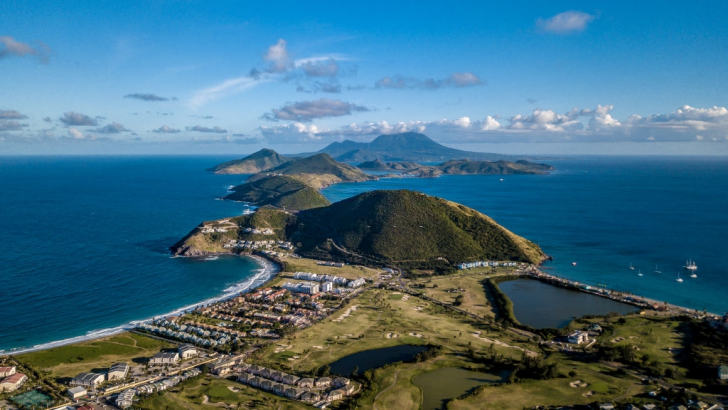
St. Kitts and Nevis sit in the eastern Caribbean, two lush islands joined by history and a reputation for easygoing charm.
It’s the smallest sovereign state in the Western Hemisphere, yet it packs in centuries of colonial intrigue, sugar plantations that shaped its economy, and remnants of British rule that still surface in its culture and architecture.
Independence came in 1983, but you’ll still hear cricket scores on the radio and see red phone booths in certain towns.
In recent decades, the country has leaned hard into tourism and offshore business, and it’s working.
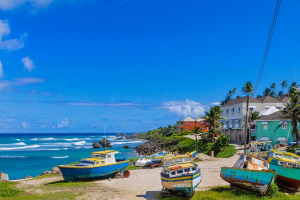
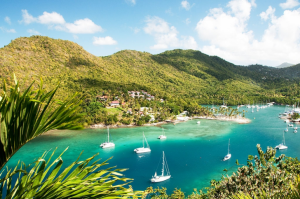
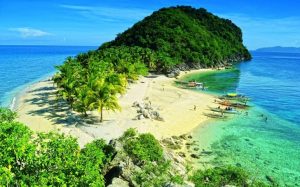
About 150,000 people visited in 2024, drawn by beaches with shockingly blue water, rainforest-covered hills, and a vibe that feels much less manufactured than some neighboring islands.
St. Kitts lures you with its lively capital of Basseterre, the scenic train route that loops through old sugar estates, and the rugged hike up Mount Liamuiga’s dormant volcano.
Nevis moves slower, offering historic inns, hot springs, and a coastline that feels untouched.
It’s not without its challenges, from hurricane season risks to economic ups and downs, but those who make the trip find a destination that still feels authentic and just a little undiscovered.
Warnings & Dangers in Saint Kitts and Nevis

OVERALL RISK: LOW
St. Kitts and Nevis is generally a low-risk destination for visitors, with tourism playing a big role in the economy and a strong police presence in popular areas.

TRANSPORT & TAXIS RISK: LOW
Getting around is fairly easy, and licensed taxis are reliable, making transport risk low. Fares are often set, and drivers tend to be friendly. Minibuses are available, too. If you choose to rent a car, you should know the roads aren't always in great condition, and traffic enforcement is rare.

PICKPOCKETS RISK: LOW
Pickpocketing isn’t a widespread issue here, so the risk is low, but you still don’t want to wave around your phone or cash in crowded spots. Markets, festivals, or cruise ship rushes can create easy opportunities for quick hands, so stay aware without feeling on edge.

NATURAL DISASTERS RISK: MEDIUM
Hurricane season makes natural disaster risk medium. Storms can disrupt travel plans and knock out utilities for days. It’s smart to travel with flexible dates, keep an eye on weather updates, and consider insurance that covers weather delays, especially from June through November.

MUGGING RISK: LOW
Muggings involving tourists are rare, so the risk is low. Avoid wandering alone late at night in unlit areas or isolated beaches, and trust your instincts if a street feels off. Most visitors enjoy their trip without ever feeling unsafe in that way.

TERRORISM RISK: LOW
There’s no recent history of terrorism affecting visitors, so the risk is low. The islands maintain a calm environment with no active conflicts. Security measures at ports and airports are visible but not intrusive, which adds to the sense of safety.

SCAMS RISK: LOW
Scams aren’t a major problem here, keeping the risk low. Now and then, someone might try to overcharge for a tour or taxi, so just double-check rates and book through reputable operators. A little polite pushback usually sorts out any price games.

WOMEN TRAVELERS RISK: LOW
Women generally feel safe exploring St. Kitts and Nevis, making the risk low. Normal travel smarts apply. Stick with trusted transport at night, avoid isolated spots when alone, and let someone know your plans if heading out solo for hikes or long walks.

TAP WATER RISK: MEDIUM
Tap water safety is a mixed bag, so the risk is medium. Locals drink it, but visitors often report stomach upsets. Many hotels suggest bottled or filtered water instead. It’s worth buying a few liters on arrival or using a travel filter bottle to stay comfortable.
Safest Places to Visit in Saint Kitts and Nevis
St. Kitts and Nevis are indeed one country, but they function as a federation of two islands with distinct identities, governments at the local level, and separate tourism boards.
That means you’ll find two separate official tourism sites:
- Kitts Tourism Authority: visitstkitts.com
- Nevis Tourism Authority: nevisland.com
St. Kitts has an energetic, almost celebratory feel, especially when cruise ships are in port.
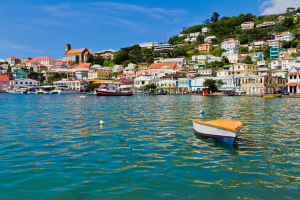
Basseterre is worth a few hours for its colonial architecture and lively markets.
The UNESCO-listed Brimstone Hill Fortress is a must, offering sweeping views and deep history.
Take the scenic railway that circles old sugar estates and gives a sense of the island’s past.
Beach time is best at South Friars Bay or Cockleshell Beach, where calm water and casual bars make it easy to spend the day.
Hikers should consider Mount Liamuiga, a dormant volcano with trails through rainforest leading to a misty crater.
Nevis feels more intimate and unhurried.
Charlestown charms with small museums like the Nevisian Heritage Village and the birthplace of Alexander Hamilton.
The island’s hot springs near Bath Hotel add a quirky, historic experience.
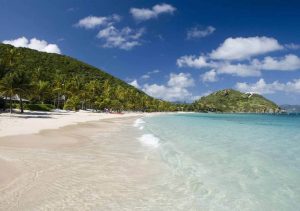
Pinney’s Beach is a standout for its calm surf and golden sand, with laid-back beach bars that encourage long lunches.
Nature lovers can tackle Nevis Peak, a challenging hike with rewarding views and lush forest topping 3,200 feet above sea level.
Around the island, converted sugar plantations turned into inns offer gardens, art, and a sense of stepping back in time while still enjoying modern comforts.
Places to Avoid in Saint Kitts and Nevis
There aren’t big “no-go zones” on St. Kitts or Nevis the way you might see in larger countries, but a few smart boundaries will keep your trip smooth.
On St. Kitts, most visitors stick to Basseterre, the beaches on the southern peninsula, and major attractions like Brimstone Hill.
The areas just outside Basseterre can feel rough at night, with poorly lit streets and few people around.
It’s not that crime is rampant, but wandering alone after dark in unfamiliar neighborhoods is not worth the risk.
On Nevis, the vibe is quieter and crime reports are rare, but the same rules apply.
Skip isolated beach walks late at night, and if you’re hiking Nevis Peak, don’t go without a guide or during heavy rain when trails can be slick and hard to follow.
Those planning to travel during the hurricane season (June through November) need to keep an eye on the tropics.
Whether it’s a direct hit or rough seas that impact your journey to get there or home, you don’t want to get stuck on the islands with a storm approaching.
Safety Tips for Traveling to Saint Kitts and Nevis
- The Royal St. Christopher and Nevis Police Force handles law enforcement on both islands, and while there isn’t a special tourist police unit, officers in the main areas are accustomed to helping visitors. In an emergency, dial 911 for police, fire, or medical help, and response times are generally quick in populated zones.
- You can receive emergency alerts through local radio stations, social media accounts of the National Emergency Management Agency (NEMA), and hotel front desks. When a storm or other event is imminent, those channels broadcast frequent updates, and many resorts will give guests printed instructions or text notifications.
- Foreign nationals can legally drive with a temporary local permit, which you obtain through rental companies or the police station by showing your valid home license and paying a small fee. Make sure to carry both licenses when on the road, as random checks can happen
- Traffic laws aren’t strongly enforced, so drivers need to be extra cautious and watch for pedestrians who might step onto the road unexpectedly. If you’re walking, don’t assume cars will stop for you, especially on busy streets or near markets where drivers weave in and out.
- There are no required vaccines for entry, but routine immunizations should be up-to-date, and many health professionals recommend hepatitis A and typhoid protection if you plan to eat street food or explore rural areas. Mosquito precautions are wise, given occasional dengue reports.
- English is the official language, so you’ll have no trouble communicating. Locals often speak in a lilting Creole-influenced dialect, but they easily switch to standard English when talking with visitors.
- Ferries run regularly between St. Kitts and Nevis, and there are also services connecting to Antigua and Montserrat. If you’re arriving from another country by ferry, normal entry requirements apply, so check your passport’s validity and whether you need a visa for those neighboring islands before booking.
- Tourism keeps the economy going, so sustainable practices matter. Choose locally owned tours, respect wildlife, skip single-use plastics where you can, and support conservation efforts like beach clean-ups or reef-safe sunscreen initiatives that are promoted through resorts and dive shops.
- Beach conditions vary, so ask hotel staff or locals about the day’s currents before swimming. South Friars and Pinney’s are known for gentler waves, while some Atlantic-facing beaches have stronger undertows and rip currents that make them better for experienced swimmers.
- Camouflage clothing of any kind is illegal for civilians here. That includes accessories like bags or hats. It’s a military-only pattern, and wearing it can lead to confiscation or fines at customs or during your stay.
So... How Safe Is Saint Kitts and Nevis Really?
Not all Caribbean countries have the same safety risk, and Saint Kitts and Nevis are commonly ranked among the safest in this tropical region.
The government advisories from countries like the United States, the United Kingdom, Canada, and Australia all list this as Level 1: Exercise Normal Precautions.
That’s the safest ranking you’ll get.
The only caution I add to that is don’t let a “safe” island let you assume there is no crime here.
If you’re walking around with valuables or flaunting cash, you risk creating a crime of opportunity.
Also, adventure activities aren’t always regulated in the way you might expect.
Only use vendors recommended by the tourism boards.
Don’t try an experience, like diving, that is beyond your skill level.
While it’s wise to check the travel advisories closer to your trip departure dates, this is one country that shouldn’t come with any hesitation to visit.
The crowds are small, the scenery is stunning, and you’ll love the laid-back vibes.
How Does Saint Kitts and Nevis Compare?
| Country | Safety Index |
|---|---|
 Saint Kitts and Nevis Saint Kitts and Nevis | 70 |
 Bulgaria Bulgaria | 80 |
 Portugal Portugal | 92 |
 Grenada Grenada | 80 |
 Azerbaijan Azerbaijan | 51 |
 Tuvalu Tuvalu | 89 |
 Niger Niger | 37 |
 Hungary Hungary | 83 |
 United Arab Emirates United Arab Emirates | 79 |
Useful Information

Visas
Most travelers from the US, Canada, the UK, and many EU countries don’t need a visa for St. Kitts and Nevis if staying under 90 days. You just need a valid passport and proof of onward travel. Longer stays or work trips require applying through the country’s immigration department before arrival.

Currency
The official currency is the Eastern Caribbean dollar, but US dollars are widely accepted and often preferred in tourist zones. Change may be given in local currency, so double-check before paying. Credit cards work at hotels and bigger restaurants, though small shops often expect cash.

Weather
The weather is tropical year-round, with average highs in the mid-80s Fahrenheit. The driest months run from December to April, which is peak season. Hurricane season lasts from June through November, so expect higher humidity and occasional storms. Pack light, breathable clothes, and a rain layer just in case.

Airports
Robert L. Bradshaw International Airport on St. Kitts is the main entry point, with direct flights from Miami, New York, and other Caribbean hubs. Nevis has Vance W. Amory International Airport, mostly for regional connections and smaller planes. Inter-island travel is easy by ferry or a quick flight.

Travel Insurance
Travel insurance is strongly recommended. Policies that include medical coverage, trip delays, and hurricane disruption protection can save you money and headaches. Make sure emergency evacuation is part of the plan, since small islands often send serious cases to larger regional hospitals.
Saint Kitts and Nevis Weather Averages (Temperatures)
Average High/Low Temperature
| Temperature / Month | Jan | Feb | Mar | Apr | May | Jun | Jul | Aug | Sep | Oct | Nov | Dec |
|---|---|---|---|---|---|---|---|---|---|---|---|---|
| High °C |
28 | 28 | 29 | 29 | 30 | 30 | 31 | 31 | 31 | 30 | 29 | 28 |
| Low °C |
23 | 23 | 23 | 24 | 25 | 25 | 26 | 26 | 26 | 25 | 23 | 23 |
| High °F |
82 | 82 | 84 | 84 | 86 | 86 | 88 | 88 | 88 | 86 | 84 | 82 |
| Low °F |
73 | 73 | 73 | 75 | 77 | 77 | 79 | 79 | 79 | 77 | 73 | 73 |












Looks great
I have never been to Saint Kitts but my husband is eager on going so I am doing some research. Thank you for all this information. I wanted to make sure it was safe for us to travel here. We are both 65+ in age and we have a lot of things to consider when traveling.
Recommended
A few of us gals took a trip here as a work-related getaway and it was fantastic. It is really a beautiful place. I have never been there before this trip but I would love to go back sometime. I feel like if you are safe about your travels, you have nothing to worry about in terms of crime or people taking advantage of you.
Hello; how to get Saint Kitts citizenship ? I am going there for first time. Any recommendation, help, or contacts there ??. Thank You
That’s great, but
That’s a great improvement, as around 2010 or so St. Kitts and Nevis was the #1 Murder Capital of the World.
The murder capital of the world really? There was only 12 murders around that time frame. I understand your point, but it was because of it’s size. How can St. Kitts and Nevis be the murder capital of the world when the US have 20 murder every sec.
The Saint Kitts and Nevis write up gave a reassuring sense of what to expect largely safe vibes with beautiful beaches and solid transport notes, plus realistic warnings about weather and being aware of belongings. It felt practical rather than alarmist.
The beaches here are something else; the water really is that breathtaking blue, and it feels nice to escape the usual tourist hustle.
Is it really as charming as it sounds, or is there more of a touristy vibe than the article suggests? The idea of untouched coastlines is tempting, but I’ve heard mixed things about the local experience.
Walking the rusty train track through the cane fields at dawn, I got unexpectedly teary when that bright, almost unreal blue sea met the green slopes and someone down the lane kept calling cricket scores from their porch.
Did you take the scenic train through the old sugar estates at sunrise, because the low mist over the cane left me strangely calm?
Hearing cricket scores on the radio while watching that shockingly blue water from the shoreline still gives me a quiet, warm sort of pride.
Hiking Mount Liamuiga was tough but the view from the top made every step worth it.