


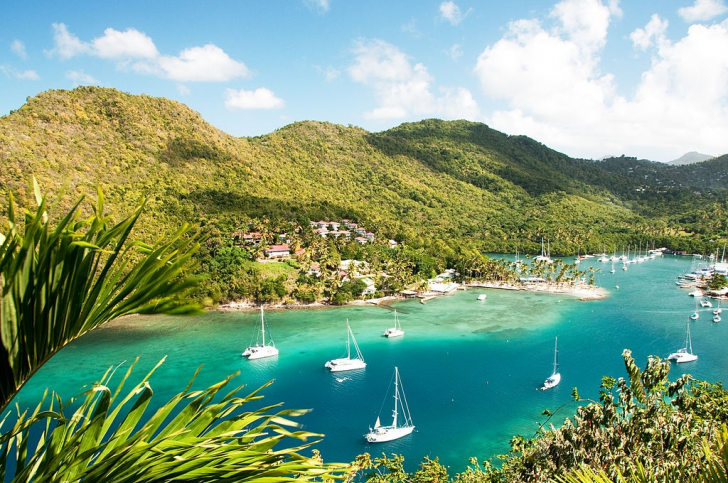
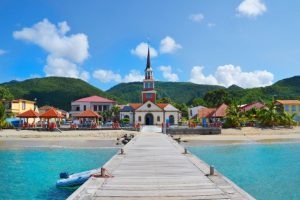
Saint Lucia stuns with sharp green peaks, black-sand beaches, and water that looks filtered.
This eastern Caribbean island sits between Martinique and Saint Vincent, where the Atlantic meets the Caribbean Sea, giving it both calm coves and dramatic, wind-carved coastlines.
Its history is layered. Indigenous Arawak and Carib peoples were here long before Europeans arrived.
The French and British then spent centuries trading control, which shaped everything from place names to cuisine.
Saint Lucia became fully independent in 1979, and today combines colonial roots with a distinctly Caribbean identity that feels proud, modern, and very local.
Tourism is the backbone of the economy.
About 1.1 million people visit each year, roughly 40 percent arriving by air and about 60 percent by cruise ship.
Most travelers stay along the west and southwest coasts, where the water is calmer, and the resorts are concentrated.
This is a destination built for ease.
Many visitors choose all-inclusive properties or book well-coordinated excursions that handle transportation, guides, and logistics.
Geographically, the island is compact but varied.
Mountainous rainforests cut through the interior, while coastal towns, beaches, and marinas line the edges.
You are never far from a waterfall, a volcanic beach, or a viewpoint that looks like a postcard.
Saint Lucia is designed for travelers who want beauty without friction.
Warnings & Dangers in Saint Lucia

OVERALL RISK: LOW
The risk in Saint Lucia is low and even lower when you're within the walls of an all-inclusive resort. The few risks that do exist will be detailed as we go through this article.

TRANSPORT & TAXIS RISK: LOW
Taxis, minibuses, and water ferries are options to get around, all with a low risk. Driving a rental car comes with some road hazards and aggressive drivers. Private tour and car companies are another option, but I see a lot of visitors sticker-shocked at the prices.

PICKPOCKETS RISK: LOW
The risk is low, especially at resorts or on coordinated tours. The risk does go up if you happen to wander around the local communities of Saint Lucia, which isn't very common here.

NATURAL DISASTERS RISK: MEDIUM
Saint Lucia’s main natural risks are hurricanes, heavy rain, and occasional flooding during the June to November season. Direct hits are uncommon, but tropical storms can disrupt flights, ferries, and power. Landslides can occur in hilly areas after prolonged rain. Treat it as a medium risk, especially during the hurricane season. It's more about planning around potential trouble than immediate risk.

MUGGING RISK: LOW
Violent crime rates are high in Saint Lucia, but that side of the island is hidden from the tourist resorts since the industry is so important to the economy. Treat this as a low risk, but remember the first part if you think about wandering around solo outside the resort.

TERRORISM RISK: LOW
Terrorism isn't listed as a concern in the United States or Canadian travel advisories. Still, you'll want to remain vigilant. Inside resorts, once again, you're going to have the safest experience possible.

SCAMS RISK: LOW
In Saint Lucia, you’ll run into mostly small tourist-targeted scams. Overpriced taxis and unofficial drivers can quote high fares if you don’t agree upfront. Some vendors may push tours or goods with pressure tactics. ATMs occasionally get skimmers, so use bank-affiliated machines. Stick with cruise or resort-focused tour guides for the most legit experience.

WOMEN TRAVELERS RISK: LOW
For women traveling in Saint Lucia, most visits are trouble-free, especially around resorts and tours. Outside those areas, standard travel smarts apply: avoid isolated streets at night, keep your drink in sight, and don’t flash valuables. Harassment isn’t common. Again, sticking with tour guides keeps you safer.

TAP WATER RISK: LOW
Tap water in Saint Lucia is generally treated and considered safe in many areas, especially at resorts and major hotels. That said, some travelers prefer bottled water for drinking, just in case. Ice and cooked food are typically fine. If you have a sensitive stomach, stick to sealed bottles.
Safest Places to Visit in Saint Lucia
The Saint Lucia Travel Authority runs the website stlucia.org, which is the official travel site.
Use the plan your trip tool to learn more about travel agents, sign up for newsletters, or get updated travel tips.
Saint Lucia is compact but varied, and where you stay shapes your experience.
Most travelers arrive at Hewanorra International Airport in the south or George F. L. Charles Airport near Castries.
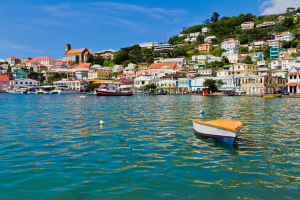
Resorts cluster along the west and southwest coasts, especially around Rodney Bay, Gros Islet, Soufrière, and Marigot Bay.
This side of the island is calmer, with sheltered beaches, easier swimming, and the highest concentration of hotels, tours, and restaurants.
Castries is the capital and a cruise port, so it’s busy, functional, and not really a “hang all day” spot.
Rodney Bay and Gros Islet are the social hubs, with nightlife, shopping, and the famous Friday night street party.
Down south, Soufrière is the postcard Saint Lucia: the Pitons, volcanic beaches, hot springs, waterfalls, and jungle-backed resorts.
Most activities live along the west coast.
Think snorkeling and diving in marine reserves, boat trips between bays, sunset cruises, and beach hopping.
Inland, hiking trails wind through rainforest, and the drive-in volcano near Soufrière is one of the island’s quirkiest stops.
Marigot Bay is known for sailing and scenic dining, while Pigeon Island National Park blends history with cliffside views.
Places to Avoid in Saint Lucia
When people ask about places to avoid in Saint Lucia, it’s less about specific tourist zones and more about how you move around.
Most visitors stay on resort property or book excursions through their hotel or cruise line, which keeps them in well-traveled, well-managed areas.
Crime has been rising in some local neighborhoods, but those are not places tourists usually wander into anyway.
If you want to explore, stick with licensed tours or drivers recommended by your resort.
One practical heads-up: public taxis and short boat transfers often cost more than travelers expect.
Even quick rides between beaches or towns can add up, so ask for the fare upfront.
Also, double-check resort policies before booking.
Some properties are adults-only, others lean toward family adventures.
Safety Tips for Traveling to Saint Lucia
- Saint Lucia’s police force is the Royal Saint Lucia Police Force. For emergencies, dial 911. It connects you to police, fire, and ambulance services. Response times are usually solid in Castries and major resort areas, but slower in rural parts of the island. Save the number in your phone, and know your resort’s front desk can also call on your behalf.
- Saint Lucia does not have a single national emergency alert app like some countries. Your best bet is to enable wireless emergency alerts on your phone, follow local government and police social accounts, and pay attention to hotel notices. During storms or major events, resorts and tour operators usually push updates fast, sometimes before official channels.
- Visitors can drive in Saint Lucia with a valid foreign license, but you must purchase a local temporary driving permit. Rental car agencies handle this for you for a small fee. Driving is on the left, roads can be narrow, steep, and winding, and signage is limited outside main routes. If that sounds stressful, a driver is worth every penny.
- No special vaccines are required for entry if you are coming from the U.S., Canada, or Europe. Standard travel health advice applies. Stay current on routine shots, consider hepatitis A and B if you want extra coverage, and take mosquito precautions since dengue and other mosquito-borne illnesses are present.
- English is the official language, so communication is easy for most travelers. Locals also speak Saint Lucian Creole French, especially in casual conversation, but you will not be lost without it. Menus, signs, government offices, and emergency services all operate in English.
- Consensual same-sex activity was decriminalized in 2025, which is a major legal shift. Social attitudes can still be conservative, especially outside resort areas. Public displays of affection may attract attention. LGBTQ travelers generally report feeling safe at resorts and tourist hubs, but discretion is wise in smaller towns.
- Saint Lucia is relaxed, but beachwear belongs at the beach. Resorts and many restaurants have dress codes. Walking through towns in swimsuits or without a shirt is frowned upon and can get you denied entry to shops or dining spots.
- You may see stray cats, dogs, monkeys, or other wildlife around resort grounds. They can be cute, but do not assume they are safe to touch or feed. Resorts often have rules about interacting with animals for your safety and theirs. Avoid bites, scratches, and health risks by keeping your distance and letting staff handle animal issues.
- Saint Lucia is not a “do not leave the resort” destination, but crime does exist, especially opportunistic theft. If you plan to explore, go with licensed tour operators, hotel-recommended drivers, or guided excursions. Avoid wandering unfamiliar neighborhoods on your own, especially at night. When in doubt, check with your embassy or resort staff before heading off-property.
- All beaches in Saint Lucia are legally public, even those in front of resorts. In practice, some resorts can be unfriendly to non-guests or charge for amenities like chairs and umbrellas. You can still walk the shoreline and swim, but access points may be limited. If you want a hassle-free beach day, ask locals or your hotel for easy public access spots.
So... How Safe Is Saint Lucia Really?
Saint Lucia can feel like two different stories at once.
Some travelers call it calm, friendly, and easy.
Others point to real crime data, including higher violent crime and homicide rates than many visitors expect.
Both things can be true.
On paper, the U.S., Canada, and Australia all rate Saint Lucia at Level 1.
That means normal precautions, not heightened concern.
Here’s what actually matters for most visitors.
Tourism is built around resorts, beaches, and curated experiences.
Many travelers stay in all-inclusive properties or established hotel zones that are largely insulated from everyday local crime.
You are not moving through the same environments as residents, and that changes your risk profile in a big way.
If you were relocating, commuting, or living locally, safety would require a different level of awareness.
As a visitor, basic common sense goes a long way.
Saint Lucia is not risk-free, but for travelers, it’s far from dangerous.
How Does Saint Lucia Compare?
| Country | Safety Index |
|---|---|
 Saint Lucia Saint Lucia | 70 |
 Senegal Senegal | 45 |
 Panama Panama | 65 |
 Kuwait Kuwait | 74 |
 Japan Japan | 89 |
 Tonga Tonga | 70 |
 Mongolia Mongolia | 71 |
 Slovenia Slovenia | 87 |
 Belgium Belgium | 70 |
Useful Information

Visas
You'll need a passport, valid for the length of your stay in Saint Lucia. Plan to show proof of accommodations, funds, and return or onward travel when you arrive to avoid needing a visa. This goes for those arriving by air or cruise ship.

Currency
Saint Lucia uses the Eastern Caribbean dollar (XCD), but U.S. dollars are widely accepted at hotels, tours, and many restaurants. Credit cards work in most tourist areas. Small shops, local taxis, and roadside vendors still prefer cash, so it’s smart to carry a little XCD for everyday purchases.

Weather
Saint Lucia stays warm year-round, usually in the mid-70s to high-80s. Trade winds keep it from feeling swampy. The dry season runs from December through April. Hurricane season is June through November, with September and October the wettest.

Airports
Most international visitors land at Hewanorra International Airport (UVF) on the southern end of the island. Regional flights and inter-island hops often use George F. L. Charles Airport (SLU) near Castries. Expect connections through Miami, Charlotte, New York, or London, depending on where you’re coming from.

Travel Insurance
Travel insurance is strongly recommended. Medical care is good for basics but limited for serious issues, and evacuation to another island or the U.S. can be expensive. Coverage also helps if tropical weather disrupts flights, ferries, or hotels. If you plan boating, hiking, or diving, look into adventure insurance.
Saint Lucia Weather Averages (Temperatures)
Average High/Low Temperature
| Temperature / Month | Jan | Feb | Mar | Apr | May | Jun | Jul | Aug | Sep | Oct | Nov | Dec |
|---|---|---|---|---|---|---|---|---|---|---|---|---|
| High °C |
28 | 28 | 29 | 30 | 31 | 30 | 30 | 30 | 30 | 30 | 29 | 29 |
| Low °C |
22 | 22 | 22 | 24 | 25 | 24 | 25 | 24 | 24 | 24 | 23 | 23 |
| High °F |
82 | 82 | 84 | 86 | 88 | 86 | 86 | 86 | 86 | 86 | 84 | 84 |
| Low °F |
72 | 72 | 72 | 75 | 77 | 75 | 77 | 75 | 75 | 75 | 73 | 73 |













A+++
My husband took me here for your 10 year anniversary and oh my goodness! It is unbelievably beautiful! I didn’t want to leave! I feel like this is one of the best places to visit for a romantic holiday or vacation but you need to time it right. Your biggest risk comes from mother nature herself so plan ahead and make sure you go when weather and other natural disasters won’t be as much of a risk.
Saint Lucia’s lush mountains and beaches seriously caught my attention. The safety tips gave me a realistic vibe seems perfect for a honeymoon or chill getaway, but I’d still map out my transport and accommodations before booking
There’s something magical about hiking those sharp green peaks and then unwinding on a black-sand beach, it just hits different. It’s like every corner of the island has its own story waiting to be discovered.
Did you get to check out any of the waterfalls, or were you lost in the beach vibes the whole time?
The way the water sparkles against those black-sand beaches is just unreal, and it feels like every corner of the island has a story to tell.
The sharp green peaks rising out of that filtered-blue water still catch me off guard, and feeling the warm black sand squeeze between my toes makes me pause like I can’t quite take it in.
Ever get that stupid grin walking on the black sand at Anse Chastanet even when a cruise ship horn makes you jump and sunscreen’s dripping down your neck?
How’d you manage not to grin standing on that black-sand beach with the water looking like a postcard and those sharp green peaks looming above?
I went there last year and while the views are nice, some parts felt way too touristy and packed with cruise ship crowds, which kind of kills the vibe.