


 South Korea : Safety by City
South Korea - safety as a country
Incheon sits on South Korea’s northwest coast along the Yellow Sea, just west of Seoul, and for many travelers it is the first glimpse of the country thanks to Incheon International Airport, one of Asia’s biggest travel hubs.
But Incheon is more than an airport city.
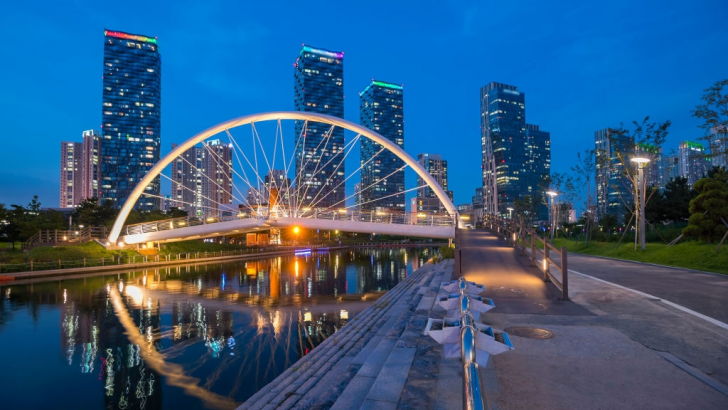
It has sleek business districts like Songdo, old port neighborhoods, lively food streets, waterfront parks, islands, and one of Korea’s best-known Chinatowns.
I think Incheon often gets overshadowed by Seoul, which is a shame, because it is cleaner, calmer, and easier to navigate than many major cities in Asia.
For travelers who want modern convenience without the nonstop intensity of the capital, Incheon can feel like a very comfortable landing spot.
From a safety perspective, it is generally one of the easier big-city destinations to handle, especially for first-time visitors.
Warnings & Dangers in Incheon

OVERALL RISK: LOW
Incheon is generally a low-risk destination for travelers. In daily life, the city feels orderly, well-lit, and well-connected, with strong public infrastructure and relatively low street crime compared with many large global cities. The biggest issues for tourists are usually minor inconveniences, not major threats, which makes it a comfortable destination for both short visits and longer stays.

TRANSPORT & TAXIS RISK: LOW
Transport risk in Incheon is low. Public transit is efficient, stations are clearly marked, and airport connections are excellent. Taxis are common and generally reliable, especially compared with destinations where meter tampering is a routine problem. The main thing to watch for is confusion over route choices, late-night costs, or language barriers, not serious transport-related crime.

PICKPOCKETS RISK: LOW
Pickpocketing is possible in crowded transit hubs, markets, and festival areas, but Incheon is not known as a major pickpocket hotspot. You should still use basic city awareness, especially in packed subway cars or busy tourist streets. I would not rank this as a top concern here, though careless travelers can always become easy targets in any urban area.

NATURAL DISASTERS RISK: MEDIUM
Natural disaster risk is best rated medium. Incheon does not face constant disaster conditions, but South Korea can experience heavy summer rains, typhoons, seasonal flooding, heat waves, and occasional earthquake activity. Weather disruptions are more realistic for travelers than violent crime. If you visit during the monsoon season or typhoon season, pay close attention to forecasts and transport updates.

MUGGING RISK: LOW
Mugging risk is low in Incheon. Violent street robbery is not a defining issue for the city, and most visitors will never encounter anything close to it. As usual, deserted areas late at night are less comfortable than busy main streets, but the general environment is far safer than in many cities of similar size. Common sense is enough for most travelers.

TERRORISM RISK: LOW
The everyday terrorism risk for tourists in Incheon is low, though no place is treated as completely risk-free. Travel advisories for South Korea tend to focus more on regional tensions, demonstrations, and broader global caution than on a specific, immediate terror threat inside Incheon. For travelers, this is more of a background awareness issue than a practical daily danger.

SCAMS RISK: LOW
Scam risk is low compared with many tourist-heavy cities. You are less likely to face aggressive street hustles, fake police tricks, or constant taxi scams here than in many global destinations. Still, small overcharging issues, nightlife misunderstandings, or online booking problems can happen. I would stay more alert around nightlife spending and unofficial offers than on the street.

WOMEN TRAVELERS RISK: LOW
Incheon is generally a good destination for women travelers, including solo visitors. The city is usually well-organized, public transport is widely used, and many areas stay active into the evening. That said, low risk does not mean zero risk. As in most cities, nightlife zones, isolated streets, and excessive drinking create the biggest vulnerabilities, especially after dark.

TAP WATER RISK: LOW
Tap water risk is low. In South Korea, tap water is generally considered safe to drink, and many residents still choose filtered or bottled water for taste or habit rather than safety. For travelers staying in modern hotels or newer buildings in Incheon, drinking tap water is usually not a major concern. If you are sensitive to taste, bottled water is easy to buy.
Safest Places to Visit in Incheon
Songdo International Business District
Songdo is probably the part of Incheon that feels most immediately comfortable for international travelers.
It is modern, spacious, polished, and easy to move around.
Wide sidewalks, newer buildings, Central Park, and a business-traveler vibe make it one of the least stressful areas in the city.
If you like clean streets and a more controlled urban environment, this is a great base.
Incheon Chinatown and Jayu Park
This area is one of the city’s best-known sightseeing zones and is generally fine during the day and early evening.
It is busy, visible, and tourist-friendly, which lowers the feeling of vulnerability.
You will find restaurants, snack stalls, photo spots, and easy walking routes.
Because it is popular, keep an eye on your belongings, but overall it is a comfortable place to explore.
Wolmido
Wolmido is a classic leisure area with seaside walks, cafes, rides, and broad public spaces.
It works especially well for families and casual travelers who want a low-pressure outing.
Busy waterfront zones usually feel safer than quieter inland streets, and Wolmido benefits from that open, active atmosphere.
Incheon Grand Park
For travelers who want green space, Incheon Grand Park is one of the calmer and safer-feeling spots in the city.
It is popular with locals, especially families and couples, and it offers a break from heavy urban energy.
Daytime visits are especially pleasant, and the wide open environment adds to the sense of comfort.
Yeongjong Island Near the Airport
If you are on a stopover or want to stay near the airport, Yeongjong has a practical safety advantage.
The area around the airport is well-developed, transit-friendly, and used to handling international visitors.
It is not the most character-filled part of Incheon, but it is convenient and reassuringly easy to manage.
Places to Avoid in Incheon
Isolated Industrial or Port Areas at Night
Incheon has working port zones and industrial stretches that are not tourist destinations and can feel empty after business hours.
These places are not necessarily high-crime danger zones, but they are the kind of areas where travelers can feel stranded, especially if they get lost or rely on limited late-night transport.
I would avoid wandering there casually after dark.
Quiet Side Streets Around Entertainment Districts
Busy nightlife strips themselves are often manageable, but the side streets just beyond them can feel much less comfortable late at night.
This matters more if alcohol is involved.
The risk here is less about organized violent crime and more about bad judgment, harassment, arguments, or being in the wrong place when the street activity thins out.
Parts of Bupyeong Late at Night
Bupyeong is a major commercial and transit area, and plenty of it is perfectly fine.
Still, around nightlife clusters and the station area late at night, it can get rowdier than polished districts like Songdo.
For most travelers, this is a watch-yourself zone rather than a never-go zone.
Keep your phone charged, stay on main roads, and do not overdo the drinking.
Poorly Lit Residential Backstreets
This sounds obvious, but in a very safe city people sometimes get too relaxed.
Quiet residential alleys can feel surprisingly empty late at night, especially if you are outside the main roads.
These areas are usually not dangerous in a dramatic sense, but they are the kind of places where a solo traveler may feel exposed and where help is less immediate.
Demonstration Areas if Political Gatherings Spill Over
Large demonstrations are more associated with Seoul than Incheon, but regional disruption can affect transport and movement.
If there are major public gatherings, do not treat them like a tourist attraction.
Avoid the area and reroute instead.
Safety Tips for Traveling to Incheon
- Use the airport rail and subway with confidence, but plan your last ride. Incheon’s transport system is one of its biggest safety advantages. It is efficient, clean, and usually easier than driving. Still, late-night service can thin out, so know your final train or bus option before staying out too late.
- Stay in a well-connected neighborhood. If this is your first visit, choose places like Songdo, Yeongjong, or other transit-friendly districts rather than booking the cheapest room in an isolated area. A good location reduces almost every travel risk, from getting lost to struggling with late-night transport.
- Do not get sloppy just because the city feels safe. This is a real trap in low-crime destinations. Travelers relax, leave phones on tables, forget bags in cafes, or wander without checking directions. Incheon is safer than many cities, but careless behavior can still create problems.
- Watch your spending in nightlife zones. The biggest travel headaches often come from alcohol, not crime statistics. Check menu prices, confirm what you are ordering, and do not assume every bar or club experience will be smooth just because the city is generally safe.
- Stick to main streets at night. Even in safe cities, empty side streets feel very different from busy roads with shops, traffic, and foot movement. If you are walking back to your hotel after dark, choose the brighter and busier route.
- Keep weather on your radar in summer. Heavy rain, flooding, strong winds, and heat are more realistic threats than mugging for many visitors. Pack a compact umbrella, breathable clothes, and shoes that can handle wet pavement if you are traveling in the rainy season.
- Save key emergency numbers before you need them. In South Korea, police can be reached at 112 and fire or medical emergencies at 119. Hopefully you will never need them, but having them saved removes panic if something unexpected happens.
- Use official taxis or trusted ride options. Taxis in Korea are usually straightforward, but it is still smart to use marked cars, hotel assistance, or established booking methods when possible. This matters most late at night or when language barriers make route discussions awkward.
- Be careful with drinking and social invitations. South Korea has a lively social culture, but travelers should be cautious about accepting drinks from strangers or overestimating how easy it is to get back safely after a late night. This is especially important for solo travelers.
- Carry travel insurance and copies of important documents. Low crime does not protect you from missed flights, medical costs, lost baggage, or sudden weather disruptions. Insurance matters even in very safe destinations because the expensive problems are often not the dramatic ones.
So... How Safe Is Incheon Really?
Incheon is one of those places where the reality is reassuringly better than many first-time visitors expect.
If someone asked me whether it is safe for travel, my answer would be yes, very much so, especially by big-city standards.
What makes Incheon feel especially manageable is the combination of low everyday street crime, excellent infrastructure, reliable transport, and a generally orderly public environment.
For most tourists, the bigger concerns are practical rather than dramatic: weather disruptions in summer, late-night judgment calls in entertainment areas, and the usual urban annoyances like keeping track of your wallet and phone.
I would comfortably recommend Incheon to solo travelers, couples, families, and people doing a stopover.
Women traveling alone should still practice normal nighttime awareness, and everyone should stay alert in crowded hubs, but this is not a destination where fear should define the trip.
Incheon’s safety profile is one of its biggest advantages.
If you travel with basic common sense, the city is likely to feel smooth, calm, and refreshingly low-stress.
How Does Incheon Compare?
| City | Safety Index |
|---|---|
| Incheon |
69 |
| Busan |
87 |
| Jeju City |
86 |
| Seogwipo |
87 |
| Gangneung |
84 |
| Seoul |
85 |
 Jajce Jajce | 90 |
 Council Grove Council Grove | 87 |
| Valdosta | 74 |
 Nazareth Nazareth | 58 |
 Mogilev Mogilev | 53 |
| Shawnee | 76 |
Useful Information

Visas
For many tourists, South Korea allows short stays without a visa for tourism or business, often up to 90 days depending on nationality. Travelers should still check the latest entry rules before departure, because visa policies can vary. For longer stays, work, or study, a proper visa is required before arrival.

Currency
The local currency is the South Korean won, usually written as KRW or won. Incheon is very card-friendly, so many travelers will not need to carry much cash. I would exchange only a small amount at the airport, then use ATMs or cards for most spending. Having some cash helps for smaller shops or transit situations.

Weather
Incheon has four distinct seasons. Summers are hot, humid, and rainy, while winters can be cold and windy. Spring and autumn are usually the easiest seasons for walking around comfortably. Pack light layers for spring and fall, breathable clothes and rain protection for summer, and a proper coat for winter.

Airports
The main airport is Incheon International Airport, which is one of the best-connected gateways in Asia. From the airport, travelers can use AREX trains, subway links, airport buses, and taxis. The rail connection is one of the easiest options for reaching Seoul efficiently, while buses are useful for direct access to many destinations.

Travel Insurance
Even for a destination as safe as Incheon, travel insurance is a smart buy. It can help with medical issues, cancellations, lost luggage, and unexpected disruptions from weather or transport changes. Safe places still produce expensive surprises, and insurance is one of the simplest ways to make a trip less stressful. If you want, I can also make this a little longer and more SEO-polished to better match your usual 1,800 to 2,200 word target.
Incheon Weather Averages (Temperatures)
Average High/Low Temperature
| Temperature / Month | Jan | Feb | Mar | Apr | May | Jun | Jul | Aug | Sep | Oct | Nov | Dec |
|---|---|---|---|---|---|---|---|---|---|---|---|---|
| High °C |
2 | 5 | 11 | 19 | 21 | 25 | 29 | 30 | 26 | 19 | 12 | 5 |
| Low °C |
-5 | -3 | 3 | 9 | 13 | 19 | 23 | 24 | 20 | 12 | 5 | -5 |
| High °F |
36 | 41 | 52 | 66 | 70 | 77 | 84 | 86 | 79 | 66 | 54 | 41 |
| Low °F |
23 | 27 | 37 | 48 | 55 | 66 | 73 | 75 | 68 | 54 | 41 | 23 |
South Korea - Safety by City
| City | Safety Index |
|---|---|
| Busan | 87 |
| Gangneung | 84 |
| Incheon | 69 |
| Jeju City | 86 |
| Seogwipo | 87 |
| Seoul | 85 |







Nice city, I do not know why Incheon is only high 60s in safety index because South Korea is one of the safest countries to travelers.
Strolling through Chinatown and grabbing some dumplings was such a treat; there’s just something special about the vibe there that makes it feel alive.
That smell of frying dumplings in Chinatown and the ferry engines at Yeoman fish market hit me so hard I actually got a bit teary standing on Wolmido pier at dusk.
Of course the airport’s massive, but wandering the waterfront parks and snagging something from the food streets actually made me relax, which was oddly nice.
Strolling the Songdo waterfront at dusk, watching ferry lights blink across the water and feeling a cool salty breeze on my face, I found an unexpected calm that made me linger instead of heading straight back to Seoul.
Spent a few hours wandering around Songdo and honestly the waterfront views there are way more chill than I expected.
I didn’t expect the food streets there to be so alive even late at night, it kind of caught me off guard in a good way.