


 India : Safety by City
- Agra
- Ahmedabad
- Bangalore
- Chandigarh
- Chennai
- Delhi
- Goa
- Gurgaon
- Hyderabad
- Jaipur
- Kerala
- Kochi
- Kolkata
- Kolkatta
- Mangalore
- Mumbai
- Navi Mumbai
- Noida
- Pune
- Surat
- Thiruvananthapuram
- Udaipur
- Vadodara
- Varanasi
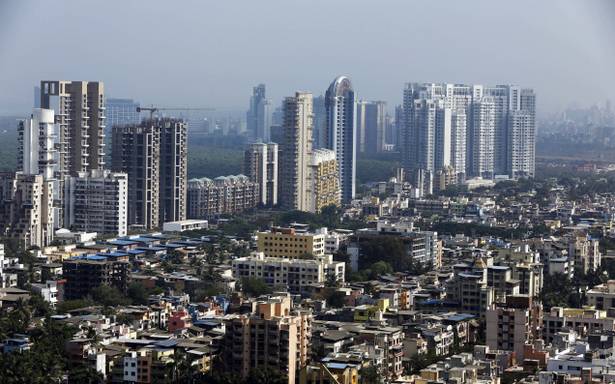
Navi Mumbai sits across the harbor from Mumbai in Maharashtra, on India’s western coast, and it often surprises travelers who expect another chaotic mega-city.
Instead, this planned satellite city feels wider, newer, and more organized than many parts of old Mumbai, with broad roads, modern residential nodes, business districts, waterfront views, and easier navigation.
Areas like Vashi, Nerul, Seawoods, and CBD Belapur give the city a more structured feel than many first-time visitors expect.
That does not mean it is risk-free, of course.
Navi Mumbai still shares the realities of a large Indian urban region, including traffic hazards, seasonal flooding during the monsoon, petty theft in crowded places, and the need for extra caution at night.
Still, for most tourists who use common sense, pick the right neighborhoods, and stay alert, Navi Mumbai is generally one of the calmer and more manageable bases in the Mumbai metropolitan area.
Warnings & Dangers in Navi Mumbai

OVERALL RISK: LOW
Navi Mumbai is generally safer than many large Indian cities because it is more planned, less chaotic, and easier to move around. Tourists usually face low risk from serious street crime in the better-known nodes. The biggest real-world concerns are traffic, crowded transport hubs, monsoon-related disruptions, and occasional petty theft or scams.

TRANSPORT & TAXIS RISK: MEDIUM
Getting around is usually straightforward, but transport risk is not negligible. Heavy traffic, aggressive driving, sudden lane changes, and crowded stations can make road travel stressful. App-based cabs are usually the safest option. Avoid unmarked taxis late at night, confirm your route in advance, and be extra cautious when crossing roads.

PICKPOCKETS RISK: MEDIUM
Pickpocketing is not the city’s defining problem, but it can happen in stations, markets, malls, buses, and festival crowds. Phones, wallets, and bags are most at risk in busy public spaces. Travelers who keep valuables zipped up, avoid flashing cash, and stay aware in crowds usually reduce this risk significantly.

NATURAL DISASTERS RISK: MEDIUM
The biggest natural threat is the monsoon season, especially from June to September, when intense rain can cause waterlogging, transport delays, slippery roads, and localized flooding. Heat and humidity can also wear travelers down outside the monsoon months. Cyclone effects are less frequent but still possible in the wider coastal region.

MUGGING RISK: LOW
Mugging and violent street robbery are not among the most common tourist dangers in Navi Mumbai, especially in established areas like Vashi, Nerul, and CBD Belapur. Still, isolated stretches, poorly lit roads, and very late-night movement increase risk. It is smarter to avoid deserted areas after dark and use reliable transport.

TERRORISM RISK: MEDIUM
Like the broader Mumbai region, Navi Mumbai exists within a major metropolitan area where authorities remain alert to security threats. The everyday risk for tourists is still low in practical terms, but transport hubs, crowded events, malls, and public gathering places always require awareness. Staying alert and following local security instructions is wise.

SCAMS RISK: MEDIUM
Scams are more likely to involve overcharging, fake help, inflated taxi fares, or misleading local offers than elaborate tourist traps. New visitors may also run into payment confusion, unofficial guides, or mobile wallet pressure. Using established apps, checking bills carefully, and avoiding overly persistent strangers helps keep this risk under control.

WOMEN TRAVELERS RISK: MEDIUM
Women can travel in Navi Mumbai, and many parts feel more comfortable and orderly than other dense urban areas in India, but caution is still important. Solo women should prefer well-rated hotels, app-based cabs, modest dress in more traditional settings, and daytime exploration when possible. Late-night solo wandering is not ideal.

TAP WATER RISK: HIGH
Travelers should not rely on tap water for drinking. Stick to sealed bottled water or properly filtered water, and use it for brushing your teeth if you have a sensitive stomach. Ice, cut fruit from questionable vendors, and poorly washed raw foods can also cause stomach trouble, especially for first-time visitors.
Safest Places to Visit in Navi Mumbai
Vashi
Vashi is one of the easiest areas for visitors to handle because it blends shopping, transport connections, hotels, and a busy public atmosphere.
It feels active rather than isolated, which is helpful for travelers who do not want to wander through quiet or confusing streets.
Malls, restaurants, and major roads keep this node practical and comfortable.
Seawoods and Nerul
Seawoods and Nerul are among the most visitor-friendly parts of Navi Mumbai.
They are relatively modern, have decent infrastructure, and offer a more relaxed rhythm than many older city zones.
Seawoods Grand Central draws both locals and visitors, and the surrounding neighborhoods are often seen as cleaner and better organized than average urban districts.
CBD Belapur
CBD Belapur works well for travelers who prefer a calmer base with a business-district feel.
Roads are wider, the area is more structured, and it tends to feel less overwhelming than many older urban centers in the region.
It is a sensible place to stay if you want access to Navi Mumbai without constant chaos outside your hotel.
Kharghar
Kharghar is popular for its open layout, educational institutions, growing residential presence, and greener surroundings.
It feels less cramped than much of greater Mumbai and can be a good choice for travelers who want a more suburban experience.
Central Park and nearby viewpoints make it appealing, though transport planning still matters.
Palm Beach Road and Waterfront Stretches
Palm Beach Road is known for its cleaner, more polished feel and better-maintained surroundings.
It connects some of the city’s better-regarded neighborhoods and often feels more comfortable than inner traffic-heavy pockets.
Waterfront views add to the appeal, though you should still avoid isolated walks very late at night.
Places to Avoid in Navi Mumbai
Isolated Industrial Belts After Dark
Navi Mumbai includes industrial and logistics-heavy zones that are not designed for sightseeing and can feel deserted outside business hours.
These areas are not necessarily high-crime war zones, but they are poor choices for travelers on foot, especially at night.
Limited street life and patchy lighting make them uncomfortable and inconvenient.
Quiet Back Roads Near Transport Corridors
Major stations and highways can be busy and fine in daylight, but the smaller lanes branching away from them may feel far less secure after dark.
Travelers should avoid wandering into unfamiliar side streets near transport corridors just because they look like shortcuts.
It is usually smarter to stay on main roads and use navigation carefully.
Crowded Markets Without Preparation
Busy market environments are not places you must completely avoid, but they are where distraction risks rise.
Overcrowding, confusion over fares, and the occasional opportunistic thief make these areas more tiring for new visitors.
If you go, carry little cash, keep your phone secure, and avoid visiting at the most chaotic times.
Waterlogged Low-Lying Areas in Monsoon
During the rainy season, some low-lying pockets can become difficult and messy rather than outright dangerous.
Waterlogging can trap vehicles, slow buses, affect walking routes, and create slippery conditions.
What looks like a short outing on the map can become a headache in a storm, so avoid poorly drained areas during heavy rain alerts.
Neglected Lakeside or Empty Open Spaces at Night
Navi Mumbai has scenic edges and open stretches, but not all of them are ideal after sunset.
Empty promenades, poorly lit lakeside corners, and undeveloped plots can feel isolated quickly.
They may be pleasant in the early evening, yet much less smart for solo travelers once foot traffic disappears.
Safety Tips for Traveling to Navi Mumbai
- Use app-based cabs whenever possible. This is one of the easiest ways to reduce hassle. You get fare transparency, route tracking, and driver details, which is far better than negotiating with random drivers when tired or unfamiliar with the area.
- Choose your base carefully. Staying in Vashi, Nerul, Seawoods, CBD Belapur, or Kharghar usually makes life easier. These areas are better known, easier to navigate, and generally more comfortable for first-time visitors than the isolated outskirts.
- Do not treat road traffic casually. One of the biggest day-to-day risks is not crime but traffic. Cross carefully, do not assume vehicles will stop, and wear a helmet if you use a two-wheeler. Defensive behavior matters more than confidence.
- Avoid drinking tap water. Even confident travelers can get sick quickly from unsafe water or contaminated ice. Buy sealed bottles, check that the cap is intact, and be careful with uncooked foods if you have just arrived.
- Keep valuables out of sight in crowds. Malls, stations, and markets are where petty theft becomes more likely. Use a zipped bag worn in front of you, avoid carrying too much cash, and keep your phone secure instead of holding it loosely in crowded areas.
- Respect the monsoon season. If you are visiting between June and September, build flexibility into your plans. Heavy rain can change travel times dramatically. Waterproof footwear, a light rain jacket, and extra time between connections are all smart moves.
- Be more cautious after dark. Navi Mumbai is not the most intimidating city in the region, but that is not an excuse for careless night wandering. Stick to well-lit main roads, avoid lonely stretches, and call transport instead of walking long distances late.
- Women travelers should plan their evening movement ahead of time. Solo women should arrange rides in advance, share live location with someone trusted, and avoid last-minute transport decisions outside nightlife or station areas. A little planning goes a long way toward comfort and confidence.
- Do not fall for small overcharging tricks. Always check menus, taxi details, and bills. Small tourist-targeted overcharges are more common than dramatic scams. Being polite but firm works well, especially when you already know approximate prices.
- Save important local information offline. Keep your hotel address, emergency contacts, and key transport details saved on your phone or written down. If your battery dies or signal gets patchy during storms, you will be glad you planned.
So... How Safe Is Navi Mumbai Really?
Navi Mumbai is one of those places that feels safer in practice than many outsiders expect.
Compared with denser and more chaotic parts of the Mumbai region, it benefits from planned development, wider roads, more structured residential nodes, and a somewhat calmer urban rhythm.
That gives visitors a useful advantage: it is easier to orient yourself, book transport, and choose cleaner, more comfortable areas to stay in.
That said, “safer” does not mean carefree.
The city still sits inside one of India’s largest metropolitan regions, so the usual big-city precautions matter.
Traffic safety is a bigger issue than many tourists realize, especially for pedestrians.
Petty theft exists in crowded areas, overcharging can happen, and the monsoon season can seriously affect mobility.
Women travelers can absolutely visit, but should still take the kinds of precautions that are sensible in any large Indian city.
In practical terms, most visitors who stay in better-known neighborhoods, use app-based transport, avoid tap water, and do not roam into isolated areas late at night are likely to have a smooth trip.
Navi Mumbai is not a zero-risk destination, but for an alert traveler using common sense, it is generally a manageable and relatively comfortable urban base.
How Does Navi Mumbai Compare?
| City | Safety Index |
|---|---|
| Navi Mumbai |
80 |
| Jaipur |
53 |
| Kerala |
74 |
| Udaipur |
72 |
| Mumbai |
55 |
| Thiruvananthapuram |
71 |
| Noida |
71 |
 Skokie Skokie | 88 |
| Key Largo | 84 |
| Snellville | 51 |
 Lisbon Lisbon | 85 |
 Paget Paget | 88 |
| Stearns | 86 |
Useful Information

Visas
Most foreign tourists need a visa for India, and many nationalities can apply online for an e-Tourist Visa before departure. Common tourist options include short-term and longer-validity entries, with fees varying by nationality and season. Apply well in advance, use the official system only, and keep a printed or digital copy of approval details.

Currency
The local currency is the Indian Rupee, or INR. Major cards are accepted in many hotels, malls, and larger restaurants, but cash is still useful for smaller purchases. Use bank ATMs or reputable exchange counters rather than random street exchangers, and carry smaller notes for everyday transport, snacks, and tips.

Weather
Navi Mumbai is hot and humid for much of the year. The coolest and most comfortable period is usually from November to February. March to May can feel sticky and warm, while June to September brings monsoon rains. Pack light breathable clothes, but bring rain protection and quick-dry footwear in the wet season.

Airports
Travelers can reach Navi Mumbai through Navi Mumbai International Airport in Ulwe or through the older Chhatrapati Shivaji Maharaj International Airport in Mumbai. From either airport, app-based cabs are the simplest option for most visitors. Travel time varies heavily depending on traffic, weather, and the neighborhood where you are staying.

Travel Insurance
Travel insurance is strongly recommended for Navi Mumbai. It can help with medical issues, trip disruption, theft, flight delays, and weather-related complications during the monsoon season. Even a relatively safe city can become expensive when plans go wrong, so a good policy adds a very useful layer of protection.
Navi Mumbai Weather Averages (Temperatures)
Average High/Low Temperature
| Temperature / Month | Jan | Feb | Mar | Apr | May | Jun | Jul | Aug | Sep | Oct | Nov | Dec |
|---|---|---|---|---|---|---|---|---|---|---|---|---|
| High °C |
31 | 31 | 33 | 34 | 35 | 33 | 30 | 30 | 30 | 33 | 32 | 30 |
| Low °C |
16 | 17 | 20 | 23 | 25 | 25 | 24 | 24 | 24 | 23 | 21 | 17 |
| High °F |
88 | 88 | 91 | 93 | 95 | 91 | 86 | 86 | 86 | 91 | 90 | 86 |
| Low °F |
61 | 63 | 68 | 73 | 77 | 77 | 75 | 75 | 75 | 73 | 70 | 63 |
India - Safety by City
| City | Safety Index |
|---|---|
| Agra | 50 |
| Ahmedabad | 67 |
| Bangalore | 60 |
| Chandigarh | 77 |
| Chennai | 50 |
| Delhi | 50 |
| Goa | 66 |
| Gurgaon | 71 |
| Hyderabad | 60 |
| Jaipur | 53 |
| Kerala | 74 |
| Kochi | 70 |
| Kolkata | 49 |
| Kolkatta | 48 |
| Mangalore | 75 |
| Mumbai | 55 |
| Navi Mumbai | 80 |
| Noida | 71 |
| Pune | 74 |
| Surat | 80 |
| Thiruvananthapuram | 71 |
| Udaipur | 72 |
| Vadodara | 71 |
| Varanasi | 58 |










women need to be very careful
India is not safe anywhere. Do not eat, drink or even help anyone there. If you are a woman be very very careful. Do not travel in a taxi alone or go with anyone who says they can show you the direction or walk you towards the hotel, shop, restaurant etc. Don’t wear jewellery, use an old beat up cell phone. Don’t carry a purse just a small wallet. Don’t flash cash. When taking an auto, get change beforehand and sit on the left side in the back, but slightly away from the door opening. Why? Because people will snatch valuables at a traffic stop. In many cases the driver will be mixed up with the criminals. Do not sit in any auto where there is a man in it, in addition to the driver. Do not allow the driver to take another passenger. The usual excuse they will make is, ‘maam this is my friend/cousin/etc and he will get down in few minutes’. Immediately get out of the auto. Immediately. Thank him, pay if you have to but move away. They will try to intimidate you. Just start taking loudly to attract a crowd. Also before traveling anywhere, get the directions on Google map, wear your earphones and keep on eye on the directions in real time. If the driver takes a different route you will immediately know. Instantly ask him why, if you sense danger first thing to do is call your acquaintance asap and send him a pic of the auto license-it is usually right before u on the left, under the meter that shoes the fare. I usually take a pic of this and send to my family before getting in the auto. Try to be on the phone talking to a family or friend so that the driver is aware that somebody knows you are traveling.
There’s something soothing about the morning walks at Vihar Sarovar Garden; the breeze and that view really clear your mind.
I had no idea Navi Mumbai could be this chill; that view from Vihar Sarovar Garden is honestly worth the trip alone.
Did you ever get a chance to check out the Kharghar Hills? I’ve heard the view is just stunning but can’t figure out the best time to go for those morning walks!
Saying it’s around 10% cheaper looks good on paper, but after a morning walk up Kharghar Hills and watching the sea from Vihar Sarovar Garden I couldn’t shake the feeling that the whole place is a bit too planned and staged.
Have you felt that instant calm at Vihar Sarovar Garden when the sea breeze hits at sunset, it’s oddly peaceful compared to Mumbai’s crowds?
Did you find any spots along the waterfront in Seawoods that felt safe and chill enough to just hang out without worrying too much about the usual city hassles?