


 India : Safety by City
- Agra
- Ahmedabad
- Bangalore
- Chandigarh
- Chennai
- Delhi
- Goa
- Gurgaon
- Hyderabad
- Jaipur
- Kerala
- Kochi
- Kolkata
- Kolkatta
- Mangalore
- Mumbai
- Navi Mumbai
- Noida
- Pune
- Surat
- Thiruvananthapuram
- Udaipur
- Vadodara
- Varanasi
Ahmedabad is the largest city in the Indian state of Gujarat and one of the most historically significant urban centers in western India.
Located on the banks of the Sabarmati River, the city blends centuries-old architecture with modern business districts and growing tourism infrastructure.
Ahmedabad was once the center of Mahatma Gandhi’s independence movement, and today it is recognized as India’s first UNESCO World Heritage City.
What makes Ahmedabad particularly interesting for travelers is its contrast.
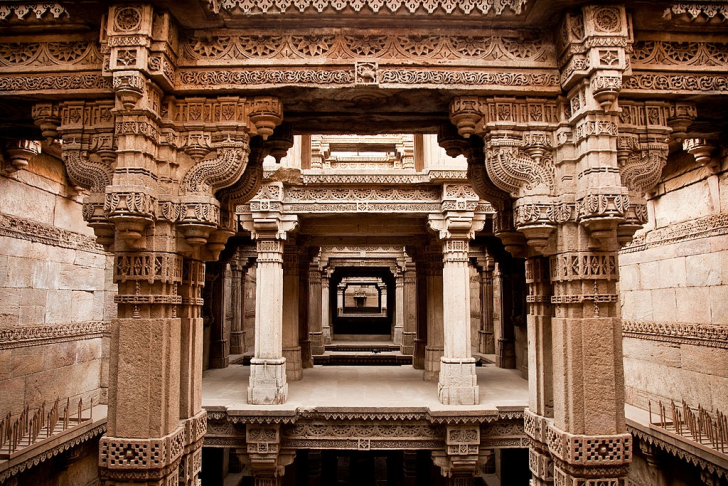
Ancient mosques, intricately carved stepwells, and crowded markets sit alongside wide modern roads, universities, and technology hubs.
The city is also known for its vegetarian food culture and vibrant festivals such as Navratri.
Like many large cities in India, Ahmedabad can feel chaotic at first.
Traffic, crowds, and unfamiliar customs may be overwhelming.
However, when travelers understand the local environment and take basic precautions, the city is generally considered a safe destination with a welcoming atmosphere.
Warnings & Dangers in Ahmedabad

OVERALL RISK: LOW
Ahmedabad is widely considered one of the safer major cities in India. Violent crime against tourists is rare, and most visits are trouble-free. The biggest issues travelers encounter involve traffic chaos, petty scams, and occasional pickpocketing in crowded markets. With common sense precautions and awareness of surroundings, visitors typically experience a safe and enjoyable trip.

TRANSPORT & TAXIS RISK: MEDIUM
Transportation can be confusing for first-time visitors. Traffic is heavy, road rules are loosely followed, and crossing streets requires caution. Official ride services and app-based taxis are generally reliable, but unlicensed rickshaws may attempt to overcharge tourists. Using reputable taxi apps and agreeing on fares in advance helps avoid problems.

PICKPOCKETS RISK: MEDIUM
Pickpocketing can occur in crowded locations such as public buses, markets, and festivals. Busy areas like Manek Chowk and local bazaars attract both tourists and petty thieves. Travelers carrying phones, wallets, and cameras should remain alert in dense crowds. Using anti-theft bags and keeping valuables out of sight significantly reduces risk.

NATURAL DISASTERS RISK: LOW
Ahmedabad has relatively low natural disaster risk compared with other parts of India. However, the region can experience extreme summer heat and occasional monsoon flooding between June and September. Earthquakes are rare but possible due to Gujarat’s seismic history. Travelers should monitor weather forecasts and follow local advisories during the heavy rain seasons.

MUGGING RISK: LOW
Street muggings are uncommon in Ahmedabad, especially in central districts and tourist areas. Violent crime rates remain lower than in many global cities of comparable size. Most incidents reported involve minor theft rather than confrontation. Avoiding poorly lit streets late at night and using taxis after dark further reduces any small risk.

TERRORISM RISK: MEDIUM
India has experienced isolated terrorist incidents in the past, and Ahmedabad was the site of coordinated bombings in 2008. Security has since increased significantly across the city, particularly around transportation hubs, malls, and public events. The overall risk today is considered low to moderate, but travelers should remain aware of their surroundings in crowded places.

SCAMS RISK: MEDIUM
Like many tourist destinations, small scams exist in Ahmedabad. Visitors may encounter drivers inflating prices, guides offering unofficial tours, or shops pushing overpriced souvenirs. Some scammers approach tourists with friendly conversations before attempting to sell services. Politely declining unsolicited offers and using official services prevents most issues.

WOMEN TRAVELERS RISK: MEDIUM
Ahmedabad is generally safer for women than many large cities, but female travelers should still take precautions. Harassment, such as staring or unwanted attention, may occasionally occur, especially in crowded public spaces. Dressing modestly, avoiding isolated areas at night, and using trusted transportation services help ensure a comfortable trip.

TAP WATER RISK: HIGH
Tap water in Ahmedabad is not recommended for visitors. Even though residents may drink treated water, travelers often experience stomach illness due to unfamiliar bacteria. Bottled water is inexpensive and widely available throughout the city. Travelers should also avoid ice in unknown establishments and use bottled water for brushing teeth.
Safest Places to Visit in Ahmedabad
Many of Ahmedabad’s most interesting destinations are also among its safest areas for travelers.
These locations are well-maintained, heavily visited, and regularly patrolled by local authorities.
The Sabarmati Riverfront is one of the city’s most popular public spaces.
Developed along the Sabarmati River, it offers walking paths, parks, and scenic viewpoints.
The area attracts families and tourists throughout the day and evening, making it one of the safest places to explore.
Sabarmati Ashram is another highly recommended destination.
This historic site was once the residence of Mahatma Gandhi and is now a museum dedicated to India’s independence movement.
The area is calm, organized, and visited by thousands of tourists every year.
The old city district surrounding the historic pol houses is also worth visiting.
These narrow streets showcase traditional Gujarati architecture and cultural heritage.
Guided heritage walks are popular and safe ways to explore the area while learning about its history.
Kankaria Lake is another secure and family-friendly attraction.
The lakefront area includes gardens, a zoo, amusement rides, and food stalls.
Security is present, and the area is especially lively during evenings.
For shopping and dining, areas like CG Road, Prahlad Nagar, and Alpha One Mall are modern districts with strong security presence and comfortable infrastructure for visitors.
Places to Avoid in Ahmedabad
Ahmedabad is generally safe, but like any large city, it has neighborhoods where travelers should remain cautious.
Industrial areas on the outskirts of the city are not particularly dangerous, but they offer little for tourists and may feel uncomfortable after dark.
These districts often lack street lighting, reliable transport, and pedestrian-friendly infrastructure.
Certain older sections of the city can become extremely crowded and confusing, especially for first-time visitors.
Markets such as the more chaotic parts of the old city bazaars can attract pickpockets due to dense crowds and narrow alleys.
Visiting these areas with a local guide or during daylight hours is advisable.
Late-night travel in quiet residential neighborhoods should also be avoided.
Streets may be poorly lit, and public transportation options may be limited.
Travelers should also use caution around major transportation hubs such as bus terminals and railway stations at night.
While generally safe, these areas attract touts and opportunistic scammers targeting newcomers.
Finally, isolated roads along the city outskirts are best avoided after dark.
Stick to well-populated districts, shopping areas, and major roads where activity and security presence remain high.
Safety Tips for Traveling to Ahmedabad
- Use ride-sharing apps for transportation. Ride-sharing services are widely available and typically safer than negotiating fares with unknown drivers. They also provide route tracking and driver identification.
- Carry only what you need each day. Avoid carrying large amounts of cash or unnecessary valuables. Use hotel safes when available and keep important documents secure.
- Stay hydrated and protect yourself from the heat. Ahmedabad experiences extremely hot summers, with temperatures often exceeding 40°C. Drink bottled water frequently and wear sunscreen and light clothing.
- Be cautious when crossing streets. Traffic patterns can appear chaotic to visitors. Vehicles may not stop for pedestrians, so cross slowly and carefully while observing local behavior.
- Dress modestly in public areas. Modest clothing helps travelers blend in and reduces unwanted attention. This is particularly important when visiting religious sites.
- Avoid drinking tap water. Always choose sealed bottled water and ensure restaurant drinks are made with purified water.
- Research transportation routes in advance. Knowing where you are going reduces the chance of being misled by taxi drivers or street touts.
- Keep belongings secure in crowded places. Markets, festivals, and public buses can be crowded. Use bags that close securely and keep them close to your body.
- Respect local customs and traditions. Ahmedabad has strong cultural and religious traditions. Showing respect at temples and historic sites ensures positive interactions with locals.
- Purchase travel insurance before your trip. Insurance can help cover medical emergencies, lost luggage, and unexpected travel disruptions.
So... How Safe Is Ahmedabad Really?
Ahmedabad ranks among the safer large cities in India, especially compared with many global urban centers of similar population size.
The city has a population of more than seven million people, yet violent crime remains relatively low, and tourists rarely become targets.
Most safety concerns relate to everyday travel challenges rather than crime.
Traffic congestion, extreme heat, and occasional scams represent the most common issues visitors encounter.
Pickpocketing does occur in crowded markets, but incidents are usually nonviolent and avoidable with basic awareness.
Ahmedabad also benefits from a strong police presence and improved infrastructure in many areas.
The city has invested heavily in transportation, public spaces, and tourism development in recent years.
Areas such as the Sabarmati Riverfront and major commercial districts are particularly safe and well-maintained.
Cultural hospitality also contributes to traveler safety.
Many visitors report that locals are friendly and helpful when tourists need directions or assistance.
Overall, Ahmedabad can be considered a safe travel destination when visitors follow normal urban precautions.
With thoughtful planning and awareness, travelers can comfortably explore the city’s historic landmarks, vibrant markets, and cultural attractions.
How Does Ahmedabad Compare?
| City | Safety Index |
|---|---|
| Ahmedabad |
67 |
| Agra |
50 |
| Navi Mumbai |
80 |
| Thiruvananthapuram |
71 |
| Pune |
74 |
| Chennai |
50 |
| Udaipur |
72 |
 Macau Macau | 85 |
 Mishawaka Mishawaka | 45 |
| Overland Park | 74 |
| Shelter Island | 85 |
 Maputo Maputo | 32 |
 Edinburgh Edinburgh | 75 |
Useful Information

Visas
Most travelers need a visa to enter India. Many nationalities can apply for an electronic tourist visa online before arrival. These e visas typically allow stays of 30 days or longer, depending on the category. Application fees vary but usually range between 25 and 80 US dollars. Always apply through official government websites.

Currency
The official currency is the Indian Rupee. Currency exchange is available at airports, banks, and authorized exchange counters throughout the city. Credit cards are widely accepted in hotels and malls, but smaller shops and street markets often prefer cash.

Weather
Ahmedabad has a hot semi-arid climate. Summers between April and June are extremely hot, while the monsoon season from June to September brings humidity and heavy rain. Winters from November to February are cooler and pleasant, making this the best time to visit.

Airports
Sardar Vallabhbhai Patel International Airport serves Ahmedabad and is located about 9 kilometers from the city center. Taxis, ride-sharing services, and airport buses provide easy transportation into the city. Travel time to central areas usually ranges from 20 to 40 minutes depending on traffic.

Travel Insurance
Travel insurance is strongly recommended when visiting India. A good policy can cover medical emergencies, travel delays, lost luggage, and unexpected trip cancellations. Healthcare costs can be significant for foreigners, so having coverage provides valuable peace of mind while traveling.
Ahmedabad Weather Averages (Temperatures)
Average High/Low Temperature
| Temperature / Month | Jan | Feb | Mar | Apr | May | Jun | Jul | Aug | Sep | Oct | Nov | Dec |
|---|---|---|---|---|---|---|---|---|---|---|---|---|
| High °C |
28 | 31 | 36 | 40 | 42 | 39 | 34 | 32 | 33 | 35 | 32 | 29 |
| Low °C |
12 | 15 | 19 | 23 | 26 | 27 | 26 | 25 | 24 | 22 | 17 | 13 |
| High °F |
82 | 88 | 97 | 104 | 108 | 102 | 93 | 90 | 91 | 95 | 90 | 84 |
| Low °F |
54 | 59 | 66 | 73 | 79 | 81 | 79 | 77 | 75 | 72 | 63 | 55 |
India - Safety by City
| City | Safety Index |
|---|---|
| Agra | 50 |
| Ahmedabad | 67 |
| Bangalore | 60 |
| Chandigarh | 77 |
| Chennai | 50 |
| Delhi | 50 |
| Goa | 66 |
| Gurgaon | 71 |
| Hyderabad | 60 |
| Jaipur | 53 |
| Kerala | 74 |
| Kochi | 70 |
| Kolkata | 49 |
| Kolkatta | 48 |
| Mangalore | 75 |
| Mumbai | 55 |
| Navi Mumbai | 80 |
| Noida | 71 |
| Pune | 74 |
| Surat | 80 |
| Thiruvananthapuram | 71 |
| Udaipur | 72 |
| Vadodara | 71 |
| Varanasi | 58 |












Awesome guidance. Thanks for your information.
Loved the food
We never miss a chance to experience local cuisine and this one hit the spot right away. Extra spicy, deep-fried, super sweet, their grab on the go snacks are a must. I always had some spare cash in my pocket just for this so I wouldn’t have to take my wallet out every time my cravings kicked in.
I don’t know, it seems like everyone raves about the food here, but I wasn’t blown away by it during my last visit. Sure, the markets are cheap, but it felt a bit chaotic trying to find anything good among all the stalls.
Guess they call it the Boston City of India because the traffic jams are just as charming as the food stalls.
I always find something new to enjoy in Ahmedabad, whether it’s the vibrant street food or just wandering along the Sabarmati; there’s such a great energy here.
Walking along the Sabarmati at dusk I always stop for those tiny street snacks and somehow end up with three bargain kurtas, which makes me oddly proud.
Sure, being a World Heritage City sounds classy until you’re stuck sweating in traffic for an hour and the only samosa stall open has run out.
That night at Manek Chowk, the smell of frying jalebis and the dandiya beats made my eyes sting with happy tears.
Watching the lights along the Sabarmati at dusk and then getting swept into a Navratri crowd left me grinning and a little breathless.
A quick stroll along the Sabarmati, a plate of khaman at Manek Chowk, and I’m weirdly proud and completely stuffed.
Have you ever stood on the Sabarmati riverfront at dusk and felt that little catch in your chest when a dhol rolls by and the old pols light up like someone turned the whole city inside out?
That Sabarmati sunset and the hustle of the crowded markets always make me grin, and after a night of Navratri I’m pleasantly wiped out.