


 India : Safety by City
- Agra
- Ahmedabad
- Bangalore
- Chandigarh
- Chennai
- Delhi
- Goa
- Gurgaon
- Hyderabad
- Jaipur
- Kerala
- Kochi
- Kolkata
- Kolkatta
- Mangalore
- Mumbai
- Navi Mumbai
- Noida
- Pune
- Surat
- Thiruvananthapuram
- Udaipur
- Vadodara
- Varanasi
Kochi, also called Cochin, sits on the southwest coast of India in the state of Kerala, facing the Arabian Sea and threaded together by islands, backwaters, ferries, old trading streets, and modern city neighborhoods.
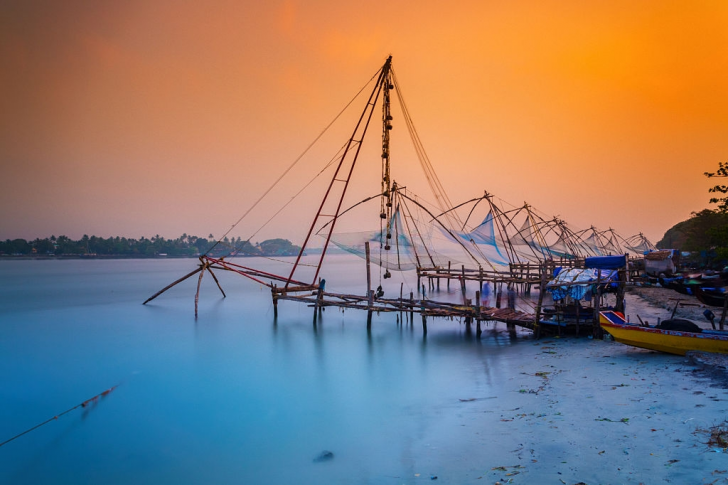
It is one of those places that feels layered from the start: Portuguese churches, Dutch buildings, spice markets, fishing nets, glossy malls, and waterfront promenades all packed into one destination.
That mix makes Kochi memorable, but it also means travelers need to understand that safety here is not one simple yes or no.
In my view, Kochi is one of the more approachable Indian cities for tourists, especially compared with larger and more chaotic metros.
Still, heavy monsoon rains, scam attempts, isolated late-night areas, and basic food and water precautions matter.
Travel smart here, and Kochi can feel relaxed, scenic, and very rewarding.
Warnings & Dangers in Kochi

OVERALL RISK: LOW
Kochi is generally a low-risk destination for travelers who use normal city precautions. Tourist zones are well known, the city receives both domestic and international visitors, and the overall pace feels calmer than in India’s biggest urban centers. Most issues tourists face are opportunistic, such as overcharging, petty theft, transport confusion, or weather-related disruption, rather than serious violent crime.

TRANSPORT & TAXIS RISK: LOW
Transport in Kochi is fairly manageable by Indian city standards. App-based rides, prepaid airport taxis, ferries, metro services, and regular taxis make it easier to move around without too much guesswork. The main risk is not dramatic danger but overcharging, unmetered rides, and confusion over routes, especially for first-time visitors arriving tired or late at night.

PICKPOCKETS RISK: MEDIUM
Pickpocketing is not the first thing most people associate with Kochi, but crowded transit points, markets, promenades, and tourist clusters can still attract opportunistic thieves. The risk rises when travelers carry phones in back pockets, leave bags open, or get distracted while taking photos. It is not extreme, but it is common enough to deserve basic caution.

NATURAL DISASTERS RISK: MEDIUM
This is one of the more important risks in Kochi. The city is low-lying, coastal, and strongly affected by monsoon weather. Heavy rain can cause waterlogging, street flooding, transport delays, and slippery roads, especially during the wettest months. Travelers rarely face disaster-level danger on a short trip, but sudden weather disruption is a very real part of visiting Kochi.

MUGGING RISK: LOW
Mugging is not the city’s defining risk for tourists, and most visitors will never encounter it. That said, isolated stretches, poorly lit roads, and quiet overpasses late at night are never ideal anywhere. Kochi feels safest when you stay in active, populated areas, avoid wandering alone after midnight, and use trusted transport instead of walking through deserted corridors.

TERRORISM RISK: MEDIUM
Kochi itself is not usually singled out as one of India’s highest-risk destinations, but India as a whole remains under a standing terrorism caution from multiple foreign governments. Tourist areas, transport hubs, malls, and crowded public places are the types of locations generally mentioned in advisories. For most travelers, this is a background risk rather than an everyday fear, but it should not be ignored.

SCAMS RISK: MEDIUM
Scams are a more realistic concern than violent crime. Travelers may run into inflated taxi fares, fake guides, pressure shopping, booking tricks, or overly friendly strangers steering them toward commission-based businesses. Kochi is easier to handle than some larger tourist circuits in India, but first-time visitors can still be targeted if they appear lost, rushed, or overly trusting.

WOMEN TRAVELERS RISK: MEDIUM
Women can absolutely travel to Kochi, and many do so comfortably, but extra care is still wise. Kerala often feels more orderly and less overwhelming than other parts of India, yet harassment, staring, and isolated security concerns can still happen. Solo women usually do best by staying in reputable accommodations, arranging transport carefully, and avoiding empty areas after dark.

TAP WATER RISK: HIGH
I would not recommend drinking tap water in Kochi as a visitor. Even when locals use it for daily life, tourists can react badly to different bacteria, treatment standards, or plumbing conditions. Bottled, boiled, or properly filtered water is the better choice. Ice, washed salads, and roadside drinks made with uncertain water also deserve caution.
Safest Places to Visit in Kochi
Fort Kochi
Fort Kochi is usually the easiest part of the city for travelers to settle into.
It has a long-established tourism rhythm, with heritage streets, cafes, guesthouses, churches, art spaces, and plenty of foot traffic during the day.
That makes it feel less intimidating than many first impressions of urban India.
It is especially pleasant for slow walking, sunset views, and daytime sightseeing.
Marine Drive and Central Ernakulam
Marine Drive and the more central parts of Ernakulam are among the safest areas for travelers who prefer a more modern city feel.
These zones have shopping areas, hotels, restaurants, and better access to transport.
They are busy enough to feel comfortable, especially in daylight and early evening, though the usual city caution still applies in crowded spots.
Mattancherry in Daylight
Mattancherry has a gritty, historic, fascinating energy, with spice warehouses, old streets, and cultural landmarks.
It feels safest when explored during the day, especially as part of a planned outing rather than random wandering.
Go with awareness, keep your valuables tucked away, and enjoy it for its character rather than expecting a polished tourist district.
Backwater and Ferry Areas Using Official Services
Kochi’s ferry and waterfront experiences can be excellent when you use official terminals, registered operators, or organized day cruises.
The city’s water-based transport is part of its charm, and when handled properly, it is both memorable and practical.
Daytime rides are usually best for comfort, visibility, and confidence.
Places to Avoid in Kochi
Isolated Low-Traffic Areas Late at Night
The biggest thing I would avoid in Kochi is not a single notorious tourist neighborhood but any quiet, dimly lit, low-traffic area late at night.
That includes railway-side stretches, underpasses, empty side roads, and half-deserted commercial zones after shops close.
These are the kinds of places where robbery or harassment risks become more serious.
Waterlogged Roads During Heavy Rain
During the monsoon, some parts of Kochi can flood quickly, and this changes the safety equation fast.
Roads that seem fine in the afternoon can become deeply waterlogged after heavy rain, especially in low-lying city corridors.
Avoid walking through floodwater, accepting rides through submerged streets, or assuming a short distance is automatically safe.
Overcrowded Transit and Market Pockets
Bus stands, ferry terminals, busy bazaars, and packed shopping stretches are not places to panic about, but they are places to tighten up.
This is where phone snatching, pickpocketing, and overcharging are more likely.
Travelers carrying cash, passports, and cameras too openly are easier targets in these environments.
Any Area You Do Not Understand After Dark
Kochi is not the kind of city where reckless wandering usually pays off.
If you do not know the neighborhood, do not go exploring it on foot late in the evening just because it looks close on a map.
Distances feel different in heat, rain, and traffic, and unfamiliar areas can turn quiet faster than expected.
Safety Tips for Traveling to Kochi
- Use app-based rides or prepaid taxis whenever possible. This is one of the simplest ways to reduce friction in Kochi. It cuts down on fare disputes, route confusion, and uncomfortable bargaining, especially when arriving from the airport or traveling at night.
- Do not drink tap water. Stick to sealed bottled water or water that has been properly boiled or filtered. Be careful with ice, cut fruit that has been washed, and fresh juices from stalls where hygiene is unclear.
- Treat monsoon weather as a real safety issue. Rain in Kochi is not just a minor inconvenience. Streets can flood, traffic can slow dramatically, and walking surfaces can become slippery. Carry a compact rain layer, waterproof your phone, and leave extra time for any transfer.
- Keep valuables secure in crowded places. Use a zipped crossbody bag or money belt rather than open tote bags or loose pockets. Markets, transit hubs, and waterfront promenades are where distraction theft is most likely to happen.
- Choose accommodation in well-known areas. Fort Kochi, central Ernakulam, and other established hotel zones make life easier. You get better access to transport, more people around, and less guesswork than you would in a random outlying neighborhood.
- Be cautious with strangers offering tours, rides, or shopping help. Some people are genuinely friendly, but some are steering you toward commission-based shops or inflated services. A polite no can save you money and hassle.
- Dress practically and respectfully. Kochi is more relaxed than some travelers expect, but modest, climate-appropriate clothing usually helps you blend in better and feel more comfortable. Light fabrics, sun protection, and footwear that handles wet streets are ideal.
- Avoid isolated walking routes after dark. Even if a map makes a route look simple, a quiet road, overpass, or waterfront stretch can feel very different at night. Take a ride instead of testing your luck.
- Keep digital and paper backups of essentials. Save copies of your passport, visa, insurance, and hotel details. If your phone dies or gets lost, having offline backups can make a huge difference.
- Stay alert, but do not be paranoid. Kochi rewards travelers who stay observant without becoming fearful. Most visits go smoothly. The goal is not to act scared but to avoid avoidable mistakes, especially with transport, weather, and hygiene.
So... How Safe Is Kochi Really?
Kochi is one of those destinations where context matters more than dramatic headlines.
If someone asked me for the blunt version, I would say Kochi is fairly safe for tourists by regional standards, especially if you compare it with much larger, more chaotic cities in India.
It has a strong tourism identity, an international airport, easier transport options than many visitors expect, and parts of the city that feel calm, scenic, and easy to enjoy.
That does not mean you can switch off common sense.
The most credible risks for travelers are not usually cinematic crime scenarios.
They are practical risks: unsafe drinking water, aggressive rain and flooding during monsoon season, fare or booking scams, isolated late-night areas, and the broader caution that comes with traveling in India as a woman or as a first-time visitor.
National-level advisories also continue to mention crime and terrorism concerns across India, so Kochi should be approached with awareness, not blind confidence.
My overall take is that Kochi is a good choice for travelers who want to experience India in a slightly softer landing environment.
It is not risk-free, but it is manageable.
Plan well, stay weather-aware, move smartly after dark, and treat food and water carefully.
Do that, and Kochi is likely to feel far more charming than intimidating.
How Does Kochi Compare?
| City | Safety Index |
|---|---|
| Kochi |
70 |
| Bangalore |
60 |
| Vadodara |
71 |
| Agra |
50 |
| Kolkata |
49 |
| Ahmedabad |
67 |
| Pune |
74 |
 Slidell Slidell | 76 |
 Salford Salford | 43 |
| Vail | 86 |
| Altoona | 82 |
 Galway Galway | 71 |
 Bridgetown Bridgetown | 78 |
Useful Information

Visas
Most foreign travelers need a visa to enter India, and many tourists use the e-Visa system before departure. Fees and validity depend on nationality and visa type, so check your eligibility early rather than waiting until the last minute. Keep printed and digital copies of your visa approval and passport details.

Currency
Kochi uses the Indian Rupee. Cash is still useful for small purchases, ferries, tips, and local shops, though cards and digital payments are common in hotels and larger businesses. Exchange money at reputable counters, banks, or airport services, and avoid changing large amounts with informal operators.

Weather
Kochi is hot, humid, and tropical for much of the year. The monsoon brings heavy rain, while the drier months are easier for sightseeing. Pack light breathable clothing, a rain layer, sandals or shoes with grip, and sun protection. Humidity can make even short walks feel longer than expected.

Airports
Cochin International Airport is the main gateway for Kochi and one of the busiest airports in South India. It is located outside the central tourist areas, so plan your transfer. Prepaid taxis, app-based rides, and airport bus options are usually the easiest ways to get into the city.

Travel Insurance
Travel insurance is a smart idea for Kochi, especially because weather disruption, medical issues, cancellations, and lost baggage can all happen on a trip like this. Make sure your policy covers health care, theft, and travel delays. It is one of those boring purchases you hope not to need, but should absolutely have.
Kochi Weather Averages (Temperatures)
Average High/Low Temperature
| Temperature / Month | Jan | Feb | Mar | Apr | May | Jun | Jul | Aug | Sep | Oct | Nov | Dec |
|---|---|---|---|---|---|---|---|---|---|---|---|---|
| High °C |
32 | 32 | 34 | 35 | 34 | 30 | 29 | 29 | 30 | 31 | 31 | 31 |
| Low °C |
23 | 23 | 25 | 26 | 26 | 24 | 24 | 24 | 24 | 24 | 24 | 23 |
| High °F |
90 | 90 | 93 | 95 | 93 | 86 | 84 | 84 | 86 | 88 | 88 | 88 |
| Low °F |
73 | 73 | 77 | 79 | 79 | 75 | 75 | 75 | 75 | 75 | 75 | 73 |
India - Safety by City
| City | Safety Index |
|---|---|
| Agra | 50 |
| Ahmedabad | 67 |
| Bangalore | 60 |
| Chandigarh | 77 |
| Chennai | 50 |
| Delhi | 50 |
| Goa | 66 |
| Gurgaon | 71 |
| Hyderabad | 60 |
| Jaipur | 53 |
| Kerala | 74 |
| Kochi | 70 |
| Kolkata | 49 |
| Kolkatta | 48 |
| Mangalore | 75 |
| Mumbai | 55 |
| Navi Mumbai | 80 |
| Noida | 71 |
| Pune | 74 |
| Surat | 80 |
| Thiruvananthapuram | 71 |
| Udaipur | 72 |
| Vadodara | 71 |
| Varanasi | 58 |













Thanks for the break down on Kochi. One of India’s fastest growing cities, still not losing that old charm. A perfect blend of serenity and modernity.
Pretty interesting spot, but the monsoon once left my shoes ankle-deep in water and some late-night streets felt kinda sketchy.
It looks picturesque, but when the monsoon turned the streets ankle-deep I was honestly on edge about walking late and kept a hand on my bag in the spice market.
After getting soaked in a sudden monsoon and nearly losing my bag on a packed ferry, would you still call Kochi an easy pick for someone visiting alone?
The spice markets here really hit different, especially when the rain starts coming down and everyone scrambles for cover.