


 India : Safety by City
- Agra
- Ahmedabad
- Bangalore
- Chandigarh
- Chennai
- Delhi
- Goa
- Gurgaon
- Hyderabad
- Jaipur
- Kerala
- Kochi
- Kolkata
- Kolkatta
- Mangalore
- Mumbai
- Navi Mumbai
- Noida
- Pune
- Surat
- Thiruvananthapuram
- Udaipur
- Vadodara
- Varanasi
Surat sits in the western Indian state of Gujarat, near the Arabian Sea and along the Tapi River.
It is often called the Diamond City of India because of its massive diamond cutting and polishing industry, but that nickname only tells part of the story.
Surat is also a busy textile hub, a fast-growing commercial center, and a city with a long trading history that stretches back centuries.
I think many travelers overlook it because it does not get the same spotlight as Mumbai, Jaipur, or Delhi, yet Surat has a lively food scene, historic landmarks, riverfront areas, and a very local, working-city energy.
It feels less like a polished tourist showcase and more like a real place where you can watch everyday India unfold, which is exactly what makes it interesting for the right traveler.
Warnings & Dangers in Surat

OVERALL RISK: LOW
Surat is generally one of the safer big cities in India for ordinary tourists, especially during the day and in business-heavy or family-oriented parts of town. The bigger concerns are not violent street crime but practical issues such as traffic, scams, food hygiene, seasonal flooding, and the extra caution needed by solo women at night. Travelers who stay alert usually get by without major trouble.

TRANSPORT & TAXIS RISK: MEDIUM
Getting around Surat is manageable, but traffic can be chaotic, and road behavior may feel unpredictable if you are not used to Indian cities. App-based cabs and prearranged transport are usually the better choice over random street pickups. At night, I would be more selective, confirm the route in advance, and avoid hopping into any vehicle without checking the driver and price first.

PICKPOCKETS RISK: MEDIUM
Pickpocketing is not the city’s defining danger, but petty theft can still happen in crowded markets, transport hubs, and busy festival periods. The risk rises when travelers carry phones loosely, keep wallets in back pockets, or flash cash. Surat is more businesslike than heavily touristy, which helps a bit, but basic urban caution still matters.

NATURAL DISASTERS RISK: MEDIUM
The biggest environmental risk in Surat is flooding during the monsoon, especially because the city lies along the Tapi River and has a history of flood vulnerability tied to heavy rain and upstream dam releases. Most travelers will be fine outside peak monsoon disruptions, but weather can seriously affect movement plans during the rainy season.

MUGGING RISK: LOW
Mugging and overt street violence are not usually the first worries for travelers in Surat. That said, deserted areas late at night, poorly lit stretches, and isolated waterfront spots can feel riskier than central commercial zones. I would not rank violent robbery as the main threat here, but I also would not treat the city as carefree after dark.

TERRORISM RISK: MEDIUM
Like many major Indian cities, Surat exists within a country where authorities still warn travelers to remain aware of possible security threats and crowded public places. This is not something that should cause panic, but it does mean visitors should pay attention in transport hubs, festivals, major markets, and any large gathering. Awareness is more useful than fear here.

SCAMS RISK: MEDIUM
The most realistic scams in Surat are likely to be transportation overcharging, inflated shopping prices, fake helpfulness, or tourist-targeted detours rather than elaborate criminal schemes. Because Surat is not as tourism-saturated as some Indian cities, the scam pressure can be lower, but that does not mean it disappears. Clear pricing, trusted apps, and a little skepticism go a long way.

WOMEN TRAVELERS RISK: MEDIUM
Women can and do travel in Gujarat, but extra caution is still wise, particularly for women traveling alone. In Surat, the smarter approach is to dress modestly, avoid isolated areas at night, use trusted rides, and stay in well-reviewed accommodations. I would not call the city off-limits for women, but I would call it a place where sensible precautions matter.

TAP WATER RISK: HIGH
This is one area where I would not gamble. Travelers should avoid drinking tap water in Surat and instead stick to sealed bottled water or properly filtered water. Even when the water is treated locally, visitors often struggle more with unfamiliar bacteria and inconsistent conditions than residents do. This is one of the easiest safety problems to avoid.
Safest Places to Visit in Surat
Gopi Talav and Family-Friendly Public Areas
Gopi Talav is one of the better places for relaxed sightseeing because it is popular, well-known, and typically visited by families.
The atmosphere tends to feel more public and open than isolated, which is usually a good sign for travelers.
I like areas where locals come to walk, snack, and spend time together, because those places often feel safer than empty attractions that only look good in photos.
Surat Castle and Heritage Spots
Surat Castle is one of the city’s most interesting historic sites and a sensible stop for first-time visitors who want to stay in central, recognizable areas.
Heritage attractions like this are usually better visited during daylight hours, when the surroundings are active and easier to navigate.
They also give travelers a more grounded view of Surat’s maritime and trading past.
Jagdish Chandra Bose Aquarium and Science-Oriented Attractions
The aquarium and Surat Science Centre are solid picks for travelers who prefer organized, low-stress sightseeing.
These types of attractions are especially good for families, couples, and anyone easing into the city before exploring busier markets.
They tend to have clearer access points, predictable opening patterns, and more of a structured environment than wandering blindly through unfamiliar neighborhoods.
Suvali Beach and Daytime Excursions
Suvali Beach can be a worthwhile outing when visited in daylight and with realistic expectations.
I would treat it more as a controlled side trip than a late-evening hangout.
Go during the day, keep an eye on belongings, and use reliable transportation both ways.
The safest version of beach time in Surat is simple, early, and planned.
Places to Avoid in Surat
Isolated Riverfront and Beach Areas After Dark
Places that seem scenic during the day can feel completely different at night.
Quiet stretches near the river or beach, including less active parts around Dumas or other waterfront zones, are not where I would want to be wandering alone after sunset.
The issue is not that every such area is dangerous all the time, but that isolation reduces your margin for error fast.
Overcrowded Markets Without a Plan
Busy commercial areas are part of Surat’s character, but they can also be frustrating for travelers who are distracted, overloaded with shopping bags, or unfamiliar with the city.
In dense market areas, petty theft, confusion, and aggressive bargaining become more likely.
I would not avoid them entirely, but I would avoid entering them tired, after dark, or carrying valuables openly.
Flood-Prone Areas During Peak Monsoon
The places to avoid in Surat are not always about crime.
During heavy monsoon spells, low-lying or flood-affected areas become the biggest practical problem, especially when waterlogging disrupts transport and daily life.
If you are visiting between roughly June and September, pay much more attention to local conditions than to any fixed neighborhood blacklist.
Poorly Lit Side Streets and Industrial Margins
Surat is a major working city, and not every area is made for casual strolling.
Some outer commercial and industrial stretches can feel deserted, dim, and inconvenient for travelers, especially if you do not know exactly where you are going.
I would stay in well-reviewed central areas, use direct transport, and avoid improvising nighttime shortcuts through unfamiliar blocks.
Safety Tips for Traveling to Surat
- Use app-based cabs or prepaid airport transport. Surat is not the kind of city where I would rely on random transport choices, especially after dark or right after landing. Prepaid taxis, hotel-arranged pickups, and trusted ride apps reduce the chances of overcharging, confusion, or being taken on an unnecessarily long route.
- Do not drink tap water. This is one of the clearest rules for visitors. Stick to sealed bottled water or reliable filtration, and use the same caution for ice, brushing your teeth, and drinks from places with uncertain hygiene. A lot of travel misery in India starts with food and water mistakes that were completely avoidable.
- Stay in a well-reviewed neighborhood, not just the cheapest hotel. A budget room is never a bargain if it leaves you isolated, uncomfortable, or dependent on sketchy transport. In Surat, I would prioritize cleanliness, strong recent reviews, front-desk availability, and a location near busy commercial or family-oriented areas.
- Dress modestly and avoid drawing unnecessary attention. This is especially useful for women, but honestly, it helps everyone. You do not need to hide your personality, just aim for practical, respectful clothing that fits local norms and lets you move around without becoming a spectacle.
- Avoid wandering alone late at night. Surat is safer than some travelers expect, but that does not mean nighttime wandering is a great idea. Quiet roads, isolated beach stretches, and unknown side streets are where small problems become bigger problems. Finish sightseeing earlier and use direct transport back.
- Keep valuables distributed, not all in one place. I like having a small amount of cash handy, the rest stored separately, and digital backups of key documents. Do not carry everything in one wallet or one pocket. Crowded transport nodes and markets are exactly where sloppy packing comes back to haunt you.
- Watch the weather closely during monsoon season. Surat’s flood risk is real enough that bad weather can affect mobility and safety more than crime does. If heavy rain is forecast, rethink day trips, leave extra travel time, and ask your hotel about local flooding conditions before setting out.
- Be careful with street food at first. Surat is famous for food, and I would absolutely explore it, but not recklessly on day one. Start with busy, popular vendors or clean restaurants with high turnover. Ease into spicy or unfamiliar dishes rather than treating your stomach like an experiment.
- Be firm about prices and shopping claims. In a city known for textiles and trade, it is easy to get swept into “special price” talk. Compare before buying, do not rush, and remember that politeness and skepticism can coexist. If something feels too theatrical, step away.
- Women travelers should add an extra layer of planning. Solo women can still enjoy Surat, but I would strongly recommend daytime arrival when possible, verified transport, modest dress, and avoiding isolated areas after dark. Sharing your live location with someone you trust is also a simple habit that costs nothing and helps a lot.
So... How Safe Is Surat Really?
Surat is one of those cities where the real answer is more practical than dramatic.
I would not describe it as dangerous for the average traveler, but I also would not describe it as effortless.
The city’s safety profile leans more toward inconvenience, environmental risk, and situational caution than toward serious street crime.
That is a meaningful distinction.
What makes Surat feel more manageable is that it is not as relentlessly tourist-driven as some better-known Indian cities.
That can mean fewer tourist traps in some contexts, though not fewer urban headaches.
Its major attractions tend to be family-friendly and local-facing, and its business-oriented personality gives parts of the city a steadier rhythm.
Still, broad travel safety guidance for India, especially around women’s safety, late-night movement, and crowded public places, should not be ignored, and tap water is a clear no for most visitors.
My honest take is that Surat is reasonably safe for travelers who behave like smart adults: book carefully, move intentionally, avoid lonely places at night, monitor monsoon weather, and treat food and water hygiene seriously.
Do that, and the city becomes much easier to enjoy for what it really is: a fascinating, energetic, very real slice of western India.
How Does Surat Compare?
| City | Safety Index |
|---|---|
| Surat |
80 |
| Navi Mumbai |
80 |
| Varanasi |
58 |
| Mumbai |
55 |
| Kolkata |
49 |
| Kochi |
70 |
| Kerala |
74 |
 Fairbanks Fairbanks | 65 |
| Winnemucca | 73 |
| Prairie Village | 74 |
 Ninh Binh Ninh Binh | 82 |
| Ketchikan | 94 |
| Ann Arbor | 63 |
Useful Information

Visas
Most foreign tourists need a visa to enter India, and many nationalities can use the e-Tourist Visa system. Common options include a 30-day visa, a 1-year visa, and a 5-year visa, with fees varying by nationality and season. Apply online before travel, make sure your passport is valid long enough, and double-check the latest eligibility rules before booking.

Currency
The local currency is the Indian Rupee, usually written as INR or ₹. In my experience, the easiest approach is to withdraw rupees from reputable ATMs after arrival or exchange a modest amount through authorized counters. Cards work in many hotels, malls, and larger restaurants, but cash is still useful for smaller purchases, transport, and local food stops.

Weather
Surat is hot for much of the year, with very warm summers, a monsoon season that can bring heavy rain, and comparatively milder winters. Summer temperatures can feel intense, while winter is much gentler and easier for sightseeing. Light, breathable clothing works most of the year, but pack rain gear if you are visiting in the monsoon season.

Airports
The main airport is Surat International Airport, located roughly 12 to 13 kilometers from the city. You can reach central Surat by prepaid taxi, cab app, car rental, or public bus, depending on your comfort level and arrival time. I would choose a pre-booked ride or prepaid taxi if landing late or visiting for the first time.

Travel Insurance
Travel insurance is a very smart idea for Surat, especially because the most common travel issues are medical, weather-related, and transport-related rather than dramatic crime stories. A good policy can help with illness, trip disruption, lost baggage, and emergency care. For India in general, I would treat travel insurance as part of the trip budget, not an optional extra.
Surat Weather Averages (Temperatures)
Average High/Low Temperature
| Temperature / Month | Jan | Feb | Mar | Apr | May | Jun | Jul | Aug | Sep | Oct | Nov | Dec |
|---|---|---|---|---|---|---|---|---|---|---|---|---|
| High °C |
28 | 32 | 32 | 37 | 35 | 33 | 30 | 29 | 29 | 32 | 32 | 30 |
| Low °C |
16 | 18 | 20 | 24 | 26 | 27 | 26 | 25 | 25 | 24 | 20 | 15 |
| High °F |
82 | 90 | 90 | 99 | 95 | 91 | 86 | 84 | 84 | 90 | 90 | 86 |
| Low °F |
61 | 64 | 68 | 75 | 79 | 81 | 79 | 77 | 77 | 75 | 68 | 59 |
India - Safety by City
| City | Safety Index |
|---|---|
| Agra | 50 |
| Ahmedabad | 67 |
| Bangalore | 60 |
| Chandigarh | 77 |
| Chennai | 50 |
| Delhi | 50 |
| Goa | 66 |
| Gurgaon | 71 |
| Hyderabad | 60 |
| Jaipur | 53 |
| Kerala | 74 |
| Kochi | 70 |
| Kolkata | 49 |
| Kolkatta | 48 |
| Mangalore | 75 |
| Mumbai | 55 |
| Navi Mumbai | 80 |
| Noida | 71 |
| Pune | 74 |
| Surat | 80 |
| Thiruvananthapuram | 71 |
| Udaipur | 72 |
| Vadodara | 71 |
| Varanasi | 58 |
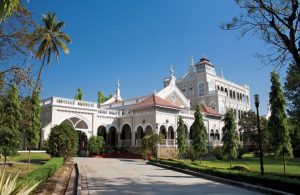
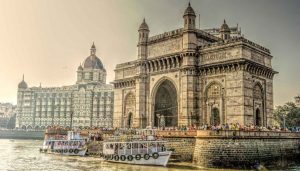
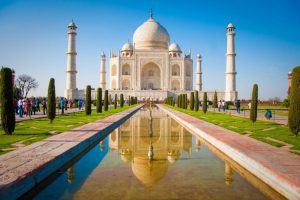
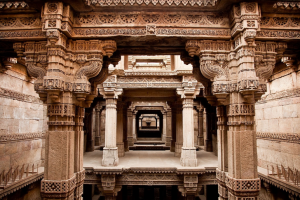










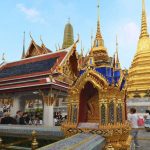

Not many foreigners visit the city of Surat. It does not have tourist spots as such but it is the people, the food, the culture that makes the city special.
A lot of potential places to visit
A safe city, with a lot of potential places to visit. Gopi Talav, VR Surat, Jagdishchandra Bose Aquarium, ISKCON Temple or the Sarthana Nature Park are just a few of the attractions from the area.
Have you tried the Locho from that tiny stall by Surat Castle, because the soft, tangy bite stuck with me for days?
Did you find the Locho as oddly comforting as I did after wandering the crowded textile lanes and getting sticky Surti Ghari on my fingers?
You really think Surat gets overlooked when I had to squeeze past the diamond-polishing shops, almost missed the Tapi River sunset, and still left craving more khaman, are you serious?
Did you find any spots by the Tapi River where the vibe really captures that everyday life you mentioned?