


 India : Safety by City
- Agra
- Ahmedabad
- Bangalore
- Chandigarh
- Chennai
- Delhi
- Goa
- Gurgaon
- Hyderabad
- Jaipur
- Kerala
- Kochi
- Kolkata
- Kolkatta
- Mangalore
- Mumbai
- Navi Mumbai
- Noida
- Pune
- Surat
- Thiruvananthapuram
- Udaipur
- Vadodara
- Varanasi
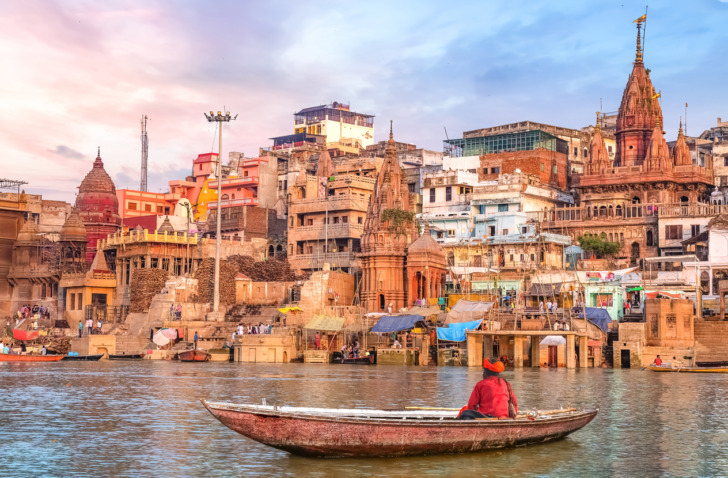
Varanasi is one of India’s oldest and most sacred cities, sitting on the banks of the Ganges River in the northern state of Uttar Pradesh.
It is a place of temples, ghats, cremation rituals, narrow lanes, sunrise boat rides, chanting, silk shops, cows in traffic, incense, chaos, devotion, and sensory overload in every direction.
For many travelers, Varanasi is one of the most powerful stops in India.
It can also be one of the most challenging. Safety here is less about violent crime and more about crowds, scams, sanitation, traffic, aggressive touts, river safety, food and water illness, heat, and emotional intensity around religious rituals.
Varanasi is absolutely worth visiting, but it is not a casual “show up and figure it out” destination.
It is safest with patience, modesty, and a good plan.
Warnings & Dangers in Varanasi

OVERALL RISK: MEDIUM
Varanasi is a medium-risk destination for travelers. Most visitors are not exposed to serious crime, but the city can be overwhelming and physically demanding. The main concerns are scams, pickpockets, traffic, food and water safety, crowded ghats, aggressive touts, heat, and poor sanitation in some areas.

TRANSPORT & TAXIS RISK: MEDIUM
Transport in Varanasi can be chaotic. Auto-rickshaws, cycle rickshaws, taxis, e-rickshaws, boats, and private drivers are common, but traffic is dense, and prices should be agreed in advance. Streets near the old city can be too narrow for cars. Use trusted transport, confirm fares, and avoid rushing through traffic.

PICKPOCKETS RISK: MEDIUM
Pickpocketing can happen in crowded ghats, markets, temple areas, train stations, bus stands, and narrow lanes. The risk rises during festivals, evening aarti, and busy riverfront hours. Keep phones, wallets, and bags secure. Avoid carrying passports, large cash, or flashy valuables while exploring the old city.

NATURAL DISASTERS RISK: MEDIUM
Varanasi has a medium natural risk because of extreme heat, monsoon rains, flooding, air pollution, poor visibility, and river conditions. The Ganges can rise during monsoon season, affecting ghats and boat rides. Heat exhaustion is a serious concern in hot months, especially when walking crowded lanes or waiting outside temples.

MUGGING RISK: LOW
Mugging is not the most common risk in Varanasi, especially in the main tourist and pilgrimage areas during the day. Still, avoid isolated alleys, dark riverfront areas, quiet roads, and train station surroundings late at night. Petty theft and scams are more likely than violent robbery.

TERRORISM RISK: MEDIUM
Varanasi has religious and symbolic importance, so the terrorism risk is not zero. That said, day-to-day travelers are much more likely to deal with crowds, traffic, scams, or health issues. Use normal awareness around temples, festivals, train stations, religious gatherings, and crowded public places.

SCAMS RISK: HIGH
Scams are one of the biggest travel risks in Varanasi. Common issues include fake guides, overpriced boat rides, donation pressure, silk-shop commissions, fake funeral wood donations, inflated rickshaw fares, and "special ceremony" offers. Confirm prices upfront, use trusted guides, and be cautious with anyone who approaches too enthusiastically.

WOMEN TRAVELERS RISK: MEDIUM
Women can travel safely in Varanasi, including solo travelers, but extra caution is important. Dress modestly, avoid walking alone late at night, use trusted transport, and stay in well-reviewed accommodation near safer tourist areas. Staring, unwanted attention, and pushy approaches can happen, especially in crowded or male-dominated spaces.

TAP WATER RISK: HIGH
Do not drink tap water in Varanasi. Use sealed bottled water or properly filtered water for drinking and brushing teeth. Avoid ice unless you trust the source. Be careful with raw foods, cut fruit, street drinks, and food from places with poor hygiene. Stomach illness is one of the most common traveler problems here.
Safest Places to Visit in Varanasi
Dashashwamedh Ghat
Dashashwamedh Ghat is one of the busiest and most important ghats in Varanasi, especially during the evening Ganga Aarti.
It is generally safe because it is crowded and heavily visited, but that crowding also creates risks.
Watch your belongings, avoid accepting unsolicited guide services, and arrive early if attending the ceremony.
This is one of the best places to experience Varanasi, but it requires patience and awareness.
Assi Ghat
Assi Ghat is one of the calmer and more traveler-friendly ghats.
It has cafes, guesthouses, yoga centers, boat options, and a more relaxed atmosphere than the most crowded central ghats.
It is a good base for many visitors, especially those who want river access without staying in the most intense part of the old city.
It is safest during the day and early evening.
Sarnath
Sarnath, located outside central Varanasi, is one of the safest and most peaceful places to visit in the area.
It is where the Buddha is said to have given his first sermon, and it has archaeological ruins, monasteries, gardens, and museums.
The area is calmer than the old city and easier to explore with a driver or organized tour.
Banaras Hindu University Area
The Banaras Hindu University area is wider, greener, and less cramped than the old city.
It is generally safe during the day and can be a good place for visitors who want a break from the dense lanes and ghats.
The campus area and nearby attractions are easier to navigate, though transport is still needed.
Ramnagar Fort
Ramnagar Fort sits across the river from the main city and is a safe daytime visit when reached with trusted transport.
It offers views, history, and a different perspective on Varanasi.
The area is quieter than the main ghats.
Go during daylight, confirm your return transport, and avoid wandering into unfamiliar areas after dark.
Places to Avoid in Varanasi
Dark Alleys Late at Night
Varanasi’s old city is full of narrow lanes that can feel magical during the day but confusing and uncomfortable late at night.
Avoid wandering alone through dark alleys after restaurants and shops close.
Streets can be poorly lit, full of animals, uneven underfoot, and difficult to navigate.
Riverfront Areas After Midnight
The ghats are fascinating, but empty stretches late at night are not ideal for tourists.
Risks include theft, harassment, poor lighting, stray dogs, uneven steps, and the river itself.
If you want to experience the ghats at night, stay near active areas and return to your accommodation with trusted transport or a known route.
Unofficial Boat Operators
Boat rides on the Ganges are a major Varanasi experience, but avoid vague or pushy boat operators.
Some may overcharge, shorten the ride, change the route, or pressure you for extra money.
Book through your hotel, a reputable operator, or agree clearly on price, duration, route, and number of passengers before boarding.
Crowded Festival Areas Without Planning
Festivals in Varanasi can be unforgettable, but crowds can become intense.
Large religious gatherings, processions, and major ceremonies can create risks of pickpocketing, separation from companions, heat exhaustion, and crowd crush.
If attending a major event, go with a local guide or plan your exit route.
Train Station Surroundings Late at Night
Varanasi’s train station areas can be busy, confusing, and full of touts, drivers, and people offering help.
They are not automatically dangerous, but late-night arrivals can be stressful.
Arrange pickup in advance if arriving after dark, and avoid accepting random transport offers without confirming the fare.
Safety Tips for Traveling to Varanasi
- Stay in a well-reviewed area. Your accommodation location matters a lot in Varanasi. First-time visitors often do well near Assi Ghat, around safer parts of the riverfront, or in reputable hotels with easy transport access. Staying deep inside the old city can be atmospheric but difficult with luggage, confusing at night, and noisy. Check recent reviews carefully before booking.
- Use trusted guides. Varanasi is much easier with a good guide, especially if you want to understand rituals, temples, cremation ghats, history, and local etiquette. Use guides arranged through reputable hotels, established tour companies, or strong recommendations. Avoid random people who approach you near ghats and claim to be official guides.
- Be careful with cremation ghat etiquette. Manikarnika Ghat and Harishchandra Ghat are active cremation sites, not tourist performances. Photography is inappropriate and can cause conflict. Be respectful, keep distance, avoid staring, and do not accept emotional donation pressure from strangers. If visiting, go with a responsible guide who understands the customs and boundaries.
- Confirm every price before agreeing. This applies to rickshaws, boats, guides, silk shops, ceremonies, street services, and tours. Varanasi has many honest people, but vague pricing often leads to arguments or inflated costs. Confirm the amount, currency, duration, and what is included. If someone avoids giving a clear price, walk away.
- Avoid drinking tap water. Water safety is a major issue in Varanasi. Drink only sealed bottled water or properly filtered water. Check that bottle seals are intact. Use bottled water for brushing teeth if you have a sensitive stomach. Avoid ice, unpeeled cut fruit, and street drinks unless you are confident in the hygiene.
- Watch your food choices. Varanasi has excellent food, but choose carefully. Eat at busy places with high turnover, avoid food that has been sitting out, and be cautious with raw salads or chutneys if hygiene looks questionable. Street food can be great, but start slowly. Your stomach may not share your adventurous spirit.
- Dress modestly. Varanasi is a deeply religious city. Modest clothing helps show respect and reduces unwanted attention. Cover shoulders and knees, especially around temples, ghats, and local neighborhoods. Lightweight loose clothing is best because the weather can be hot and humid. Remove shoes where required and follow temple rules.
- Protect your phone and wallet in crowds. The ghats, markets, temples, and evening aarti can be very crowded. Keep bags zipped and close to your body. Do not keep your wallet in a back pocket or wave your phone around carelessly. If you are taking photos, pause in a safe spot rather than walking while distracted.
- Do not swim in the Ganges. Even though the Ganges is sacred, it is not a safe river for most travelers to swim in. Water quality, currents, boat traffic, submerged steps, and debris can all create health or safety risks. Participate respectfully from the ghats or through a boat ride, but avoid entering the water.
- Give yourself emotional breathing room. Varanasi can be intense. The crowds, poverty, rituals, cremation ghats, noise, smells, animals, and spiritual atmosphere can overwhelm even experienced travelers. Do not overpack your schedule. Take breaks in cafes, your hotel, quieter ghats, or Sarnath. Moving slowly is not just more enjoyable here. It is safer.
So... How Safe Is Varanasi Really?
Varanasi is safe enough for prepared travelers, but it is not one of India’s easiest cities.
It is crowded, ancient, spiritual, chaotic, and emotionally heavy.
Most visitors are not at high risk of violent crime, but they are at real risk of scams, stomach illness, transport stress, pickpocketing, heat exhaustion, and feeling overwhelmed.
The safest visitors treat Varanasi with respect.
That means using trusted guides, avoiding tap water, dressing modestly, securing valuables, confirming prices, and understanding that religious spaces are active parts of local life.
The city can be deeply moving, but it is not a polished museum.
It is alive, messy, sacred, and intense.
I would rate Varanasi as medium risk overall.
It is not a destination to avoid, but it is a destination to approach carefully.
Stay in a good area, keep your plans simple, avoid wandering late at night, use trusted transport, and be cautious around riverfront scams.
Do that, and Varanasi can be one of the most unforgettable travel experiences in India.
How Does Varanasi Compare?
| City | Safety Index |
|---|---|
| Varanasi |
58 |
| Ahmedabad |
67 |
| Pune |
74 |
| Udaipur |
72 |
| Bangalore |
60 |
| Mangalore |
75 |
| Gurgaon |
71 |
 Corozal Corozal | 74 |
 Princeton Princeton | 77 |
 Naples Naples | 62 |
 Vlore Vlore | 76 |
| Lancaster | 64 |
| Miles City | 78 |
Useful Information

Visas
Varanasi is in India. Many travelers need an eVisa or regular visa before arrival, depending on nationality and trip purpose. Visa rules can vary, so check requirements before booking. Make sure your passport is valid, and keep accommodation details, return travel information, and copies of important documents available.

Currency
Varanasi uses the Indian rupee. Cash is important for rickshaws, small shops, local food, tips, boats, markets, and temple-area purchases. Cards are accepted at larger hotels and some restaurants, but not everywhere. Carry smaller notes and avoid flashing large amounts of cash in public.

Weather
Varanasi has very hot summers, a monsoon season, and cooler winter months. The best time for many visitors is from late autumn through early spring, when temperatures are more manageable. Summer can be brutally hot, and monsoon rains can affect river levels and street conditions. Pack modest lightweight clothing, sunscreen, and comfortable shoes.

Airports
Varanasi is served by Lal Bahadur Shastri International Airport, located outside the city center. Taxis, private transfers, and hotel pickups are common ways to reach town. Arrange transport in advance if arriving late. Varanasi is also a major rail destination, but train stations can be crowded and confusing.

Travel Insurance
Travel insurance is strongly recommended for Varanasi. Good coverage should include medical care, cancellations, theft, lost luggage, delays, food or water illness, road accidents, and emergency assistance. If your India trip includes multiple cities, train travel, or long road journeys, comprehensive coverage is especially useful.
Varanasi Weather Averages (Temperatures)
Average High/Low Temperature
| Temperature / Month | Jan | Feb | Mar | Apr | May | Jun | Jul | Aug | Sep | Oct | Nov | Dec |
|---|---|---|---|---|---|---|---|---|---|---|---|---|
| High °C |
23 | 30 | 36 | 39 | 41 | 42 | 36 | 35 | 34 | 34 | 31 | 24 |
| Low °C |
7 | 12 | 17 | 22 | 24 | 27 | 25 | 25 | 25 | 18 | 13 | 6 |
| High °F |
73 | 86 | 97 | 102 | 106 | 108 | 97 | 95 | 93 | 93 | 88 | 75 |
| Low °F |
45 | 54 | 63 | 72 | 75 | 81 | 77 | 77 | 77 | 64 | 55 | 43 |
India - Safety by City
| City | Safety Index |
|---|---|
| Agra | 50 |
| Ahmedabad | 67 |
| Bangalore | 60 |
| Chandigarh | 77 |
| Chennai | 50 |
| Delhi | 50 |
| Goa | 66 |
| Gurgaon | 71 |
| Hyderabad | 60 |
| Jaipur | 53 |
| Kerala | 74 |
| Kochi | 70 |
| Kolkata | 49 |
| Kolkatta | 48 |
| Mangalore | 75 |
| Mumbai | 55 |
| Navi Mumbai | 80 |
| Noida | 71 |
| Pune | 74 |
| Surat | 80 |
| Thiruvananthapuram | 71 |
| Udaipur | 72 |
| Vadodara | 71 |
| Varanasi | 58 |













Oh sure, nothing like nearly getting trampled by cows in traffic while dodging aggressive touts to really test your patience and faith all at once.