


 La India : Seguridad por Ciudad
- Agra
- Ahmedabad
- Bangalore
- Bombay
- Calcuta
- Calcuta
- Chandigarh
- Chennai
- Delhi
- Goa
- Gurgaon
- Hyderabad
- Jaipur
- Kerala
- Kochi
- Mangalore
- Navi Mumbai
- Noida
- Pune
- Surat
- Thiruvananthapuram
- Udaipur
- Vadodara
- Varanasi
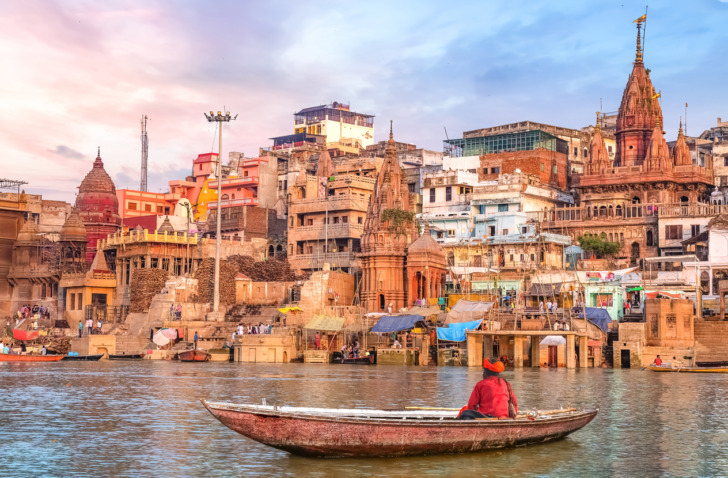
Varanasi es una de las ciudades más antiguas y sagradas de la India, situada a orillas del río Ganges en el estado norteño de Uttar Pradesh.
Es un lugar de templos, ghats, rituales de cremación, callejones estrechos, paseos en bote al amanecer, cantos, tiendas de seda, vacas en el tráfico, incienso, caos, devoción y sobrecarga sensorial en todas direcciones.
Para muchos viajeros, Varanasi es una de las paradas más poderosas en la India.
También puede ser una de las más desafiantes. La seguridad aquí tiene menos que ver con crímenes violentos y más con multitudes, estafas, saneamiento, tráfico, vendedores agresivos, seguridad en el río, enfermedades por comida y agua, calor e intensidad emocional alrededor de los rituales religiosos.
Varanasi vale absolutamente la pena visitar, pero no es un destino para «llegar y descubrir».
Es más seguro con paciencia, modestia y un buen plan.
Advertencias y Peligros en Varanasi

RIESGO GENERAL: MEDIO
Varanasi es un destino de riesgo medio para los viajeros. La mayoría de los visitantes no están expuestos a delitos graves, pero la ciudad puede ser abrumadora y físicamente exigente. Las principales preocupaciones son las estafas, los carteristas, el tráfico, la seguridad alimentaria y del agua, los ghats concurridos, los vendedores agresivos, el calor y la mala sanidad en algunas áreas.

RIESGO EN TAXIS Y TRANSPORTE: MEDIO
El transporte en Varanasi puede ser caótico. Los auto-rickshaws, rickshaws de ciclo, taxis, e-rickshaws, botes y conductores privados son comunes, pero el tráfico es denso y los precios deben acordarse con anticipación. Las calles cerca de la ciudad vieja pueden ser demasiado estrechas para los coches. Use transporte confiable, confirme las tarifas y evite apresurarse en el tráfico.

RIESGO DE CARTERISTAS: MEDIO
El robo de carteras puede ocurrir en ghats concurridos, mercados, áreas de templos, estaciones de tren, paradas de autobús y callejones estrechos. El riesgo aumenta durante los festivales, la aarti vespertina y las horas concurridas del malecón. Mantenga seguros los teléfonos, billeteras y bolsas. Evite llevar pasaportes, grandes sumas de dinero en efectivo o objetos de valor llamativos mientras explora la ciudad antigua.

RIESGO DE DESASTRES NATURALES: MEDIO
Varanasi tiene un riesgo natural medio debido al calor extremo, las lluvias monzónicas, las inundaciones, la contaminación del aire, la mala visibilidad y las condiciones del río. El Ganges puede subir durante la temporada de monzones, afectando los ghats y los paseos en bote. La insolación es una preocupación seria en los meses calurosos, especialmente al caminar por callejones concurridos o esperar fuera de los templos.

RIESGO DE ASALTO: BAJO
El robo a mano armada no es el riesgo más común en Varanasi, especialmente en las principales áreas turísticas y de peregrinación durante el día. Aun así, evite callejones aislados, áreas oscuras frente al río, caminos tranquilos y los alrededores de la estación de tren tarde en la noche. Los robos menores y las estafas son más probables que los robos violentos.

RIESGO DE TERRORISMO: MEDIO
Varanasi tiene una importancia religiosa y simbólica, por lo que el riesgo de terrorismo no es cero. Dicho esto, los viajeros cotidianos tienen muchas más probabilidades de enfrentarse a multitudes, tráfico, estafas o problemas de salud. Mantenga una conciencia normal alrededor de templos, festivales, estaciones de tren, reuniones religiosas y lugares públicos concurridos.

RIESGO DE ESTAFA: ALTO
Las estafas son uno de los mayores riesgos de viaje en Varanasi. Los problemas comunes incluyen guías falsos, paseos en bote con precios excesivos, presión para donaciones, comisiones en tiendas de seda, donaciones falsas de madera para funerales, tarifas infladas de rickshaws y ofertas de "ceremonias especiales". Confirme los precios por adelantado, use guías de confianza y tenga cuidado con cualquiera que se acerque con demasiado entusiasmo.

RIESGO PARA MUJERES VIAJERAS: MEDIO
Las mujeres pueden viajar de forma segura en Varanasi, incluidas las viajeras solitarias, pero es importante tener precaución adicional. Vístase modestamente, evite caminar sola tarde en la noche, use transporte confiable y alójese en alojamientos bien valorados cerca de áreas turísticas más seguras. Las miradas, la atención no deseada y los enfoques insistentes pueden ocurrir, especialmente en espacios concurridos o dominados por hombres.

RIESGO DE BEBER AGUA DE GRIFO: ALTO
No beba agua del grifo en Varanasi. Use agua embotellada sellada o agua debidamente filtrada para beber y cepillarse los dientes. Evite el hielo a menos que confíe en la fuente. Tenga cuidado con los alimentos crudos, la fruta cortada, las bebidas callejeras y la comida de lugares con poca higiene. Las enfermedades estomacales son uno de los problemas más comunes para los viajeros aquí.
Lugares más Seguros para Visitar en Varanasi
Dashashwamedh Ghat
Dashashwamedh Ghat es uno de los ghats más concurridos e importantes de Varanasi, especialmente durante la Ganga Aarti vespertina.
Generalmente es seguro porque está lleno de gente y es muy visitado, pero esa multitud también crea riesgos.
Cuida tus pertenencias, evita aceptar servicios de guía no solicitados y llega temprano si vas a asistir a la ceremonia.
Este es uno de los mejores lugares para experimentar Varanasi, pero requiere paciencia y atención.
Assi Ghat
Assi Ghat es uno de los ghats más tranquilos y amigables para los viajeros.
Tiene cafeterías, casas de huéspedes, centros de yoga, opciones de paseos en bote y un ambiente más relajado que los ghats centrales más concurridos.
Es una buena base para muchos visitantes, especialmente para aquellos que quieren acceso al río sin quedarse en la parte más intensa de la ciudad vieja.
Es más seguro durante el día y al principio de la noche.
Sarnath
Sarnath, ubicado fuera del centro de Varanasi, es uno de los lugares más seguros y pacíficos para visitar en la zona.
Se dice que es donde Buda dio su primer sermón, y cuenta con ruinas arqueológicas, monasterios, jardines y museos.
El área es más tranquila que la ciudad vieja y es más fácil de explorar con un conductor o tour organizado.
Área de la Universidad Hindú de Banaras
El área de la Universidad Hindú de Banaras es más amplia, verde y menos congestionada que la ciudad vieja.
Generalmente es segura durante el día y puede ser un buen lugar para visitantes que quieren un descanso de los callejones y ghats densos.
El área del campus y las atracciones cercanas son más fáciles de recorrer, aunque aún se necesita transporte.
Fuerte Ramnagar
El Fuerte Ramnagar se encuentra al otro lado del río desde la ciudad principal y es una visita segura durante el día cuando se llega con transporte confiable.
Ofrece vistas, historia y una perspectiva diferente de Varanasi.
El área es más tranquila que los ghats principales.
Ve durante el día, confirma tu transporte de regreso y evita deambular por áreas desconocidas después del anochecer.
Lugares a Evitar en Varanasi
Callejones Oscuros Tarde en la Noche
La ciudad vieja de Varanasi está llena de callejones estrechos que pueden parecer mágicos durante el día pero confusos e incómodos tarde en la noche.
Evita deambular solo por callejones oscuros después de que cierren los restaurantes y tiendas.
Las calles pueden estar mal iluminadas, llenas de animales, con el suelo irregular y ser difíciles de navegar.
Áreas Frente al Río Después de Medianoche
Los ghats son fascinantes, pero los tramos vacíos tarde en la noche no son ideales para los turistas.
Los riesgos incluyen robos, acoso, mala iluminación, perros callejeros, escalones irregulares y el propio río.
Si quieres experimentar los ghats de noche, quédate cerca de áreas activas y regresa a tu alojamiento con transporte confiable o por una ruta conocida.
Operadores de Botes No Oficiales
Los paseos en bote por el Ganges son una experiencia importante en Varanasi, pero evita a los operadores de botes vagos o insistentes.
Algunos pueden cobrar de más, acortar el paseo, cambiar la ruta o presionarte por dinero extra.
Reserva a través de tu hotel, un operador de buena reputación o acuerda claramente el precio, duración, ruta y número de pasajeros antes de abordar.
Áreas de Festivales Concurridas Sin Planificación
Los festivales en Varanasi pueden ser inolvidables, pero las multitudes pueden volverse intensas.
Las grandes reuniones religiosas, procesiones y ceremonias importantes pueden crear riesgos de carteristas, separación de compañeros, agotamiento por calor y aplastamientos por la multitud.
Si asistes a un evento importante, ve con un guía local o planifica tu ruta de salida.
Alrededores de la Estación de Tren Tarde en la Noche
Las áreas alrededor de la estación de tren de Varanasi pueden estar concurridas, ser confusas y llenas de intermediarios, conductores y personas que ofrecen ayuda.
No son automáticamente peligrosas, pero las llegadas tarde en la noche pueden ser estresantes.
Organiza la recogida con anticipación si llegas después del anochecer y evita aceptar ofertas de transporte al azar sin confirmar la tarifa.
Tips de Seguridad para Viajar a Varanasi
- Alójate en una zona bien valorada. La ubicación de tu alojamiento es muy importante en Varanasi. Los visitantes primerizos suelen estar mejor cerca de Assi Ghat, alrededor de las partes más seguras del río o en hoteles de buena reputación con fácil acceso al transporte. Alojarse en el interior de la ciudad vieja puede ser atmosférico pero difícil con equipaje, confuso por la noche y ruidoso. Revisa cuidadosamente las reseñas recientes antes de reservar.
- Usa guías de confianza. Varanasi es mucho más fácil con un buen guía, especialmente si quieres entender los rituales, templos, ghats de cremación, historia y etiqueta local. Usa guías organizados a través de hoteles reputados, compañías de tours establecidas o recomendaciones sólidas. Evita a personas al azar que se te acerquen cerca de los ghats y afirmen ser guías oficiales.
- Sé cuidadoso con la etiqueta en los ghats de cremación. Manikarnika Ghat y Harishchandra Ghat son sitios activos de cremación, no espectáculos turísticos. La fotografía es inapropiada y puede causar conflictos. Sé respetuoso, mantén distancia, evita mirar fijamente y no aceptes presiones emocionales para donaciones de extraños. Si visitas, ve con un guía responsable que entienda las costumbres y límites.
- Confirma cada precio antes de aceptar. Esto aplica para rickshaws, botes, guías, tiendas de seda, ceremonias, servicios callejeros y tours. Varanasi tiene muchas personas honestas, pero los precios vagos a menudo llevan a discusiones o costos inflados. Confirma la cantidad, la moneda, la duración y lo que está incluido. Si alguien evita dar un precio claro, aléjate.
- Evita beber agua del grifo. La seguridad del agua es un problema importante en Varanasi. Bebe solo agua embotellada sellada o agua filtrada adecuadamente. Verifica que los sellos de las botellas estén intactos. Usa agua embotellada para cepillarte los dientes si tienes el estómago sensible. Evita el hielo, frutas cortadas sin pelar y bebidas callejeras a menos que confíes en la higiene.
- Cuida tus elecciones de comida. Varanasi tiene comida excelente, pero elige con cuidado. Come en lugares concurridos con alta rotación, evita comida que haya estado expuesta por mucho tiempo y ten precaución con ensaladas crudas o chutneys si la higiene parece dudosa. La comida callejera puede ser genial, pero comienza despacio. Tu estómago puede no compartir tu espíritu aventurero.
- Vístete modestamente. Varanasi es una ciudad profundamente religiosa. La ropa modesta ayuda a mostrar respeto y reduce la atención no deseada. Cubre hombros y rodillas, especialmente alrededor de templos, ghats y barrios locales. La ropa ligera y suelta es mejor porque el clima puede ser caluroso y húmedo. Quítate los zapatos donde sea requerido y sigue las reglas del templo.
- Protege tu teléfono y cartera en las multitudes. Los ghats, mercados, templos y el aarti nocturno pueden estar muy concurridos. Mantén las bolsas cerradas y cerca de tu cuerpo. No guardes tu cartera en el bolsillo trasero ni muestres tu teléfono descuidadamente. Si estás tomando fotos, detente en un lugar seguro en lugar de caminar distraído.
- No nades en el Ganges. Aunque el Ganges es sagrado, no es un río seguro para que la mayoría de los viajeros naden. La calidad del agua, las corrientes, el tráfico de botes, los escalones sumergidos y los escombros pueden crear riesgos de salud o seguridad. Participa respetuosamente desde los ghats o mediante un paseo en bote, pero evita entrar al agua.
- Date espacio emocional. Varanasi puede ser intenso. Las multitudes, la pobreza, los rituales, los ghats de cremación, el ruido, los olores, los animales y la atmósfera espiritual pueden abrumar incluso a viajeros experimentados. No sobrecargues tu agenda. Toma descansos en cafés, tu hotel, ghats más tranquilos o Sarnath. Moverse despacio no solo es más agradable aquí. Es más seguro.
Entonces… ¿Qué tan Seguro es Realmente Varanasi?
Varanasi es lo suficientemente segura para viajeros preparados, pero no es una de las ciudades más fáciles de la India.
Es concurrida, antigua, espiritual, caótica y emocionalmente intensa.
La mayoría de los visitantes no están en alto riesgo de delitos violentos, pero sí corren un riesgo real de estafas, enfermedades estomacales, estrés por el transporte, carteristas, agotamiento por calor y sentirse abrumados.
Los visitantes más seguros tratan a Varanasi con respeto.
Eso significa usar guías de confianza, evitar el agua del grifo, vestirse modestamente, asegurar los objetos de valor, confirmar los precios y entender que los espacios religiosos son partes activas de la vida local.
La ciudad puede ser profundamente conmovedora, pero no es un museo pulido.
Está viva, desordenada, sagrada e intensa.
Calificaría a Varanasi como de riesgo medio en general.
No es un destino para evitar, pero sí un destino para abordar con cuidado.
Hospédese en una buena zona, mantenga sus planes simples, evite deambular tarde en la noche, use transporte confiable y tenga precaución con las estafas en el malecón.
Haga eso, y Varanasi puede ser una de las experiencias de viaje más inolvidables en la India.
¿Cómo se Compara Varanasi?
| Ciudad | Índice de Seguridad |
|---|---|
| Varanasi |
58 |
| Navi Mumbai |
80 |
| Hyderabad |
60 |
| Udaipur |
72 |
| Thiruvananthapuram |
71 |
| Mangalore |
75 |
| Calcuta |
48 |
 Belleville Belleville | 74 |
 Corozal Corozal | 74 |
| Lehi | 74 |
 Petra Petra | 68 |
| Detroit | 56 |
 Brampton Brampton | 82 |
Información Útil

Visados
Varanasi está en India. Muchos viajeros necesitan un eVisa o visa regular antes de la llegada, dependiendo de la nacionalidad y el propósito del viaje. Las reglas de visa pueden variar, así que consulte los requisitos antes de reservar. Asegúrese de que su pasaporte esté vigente y tenga a mano los detalles del alojamiento, la información del viaje de regreso y copias de documentos importantes.

Moneda
Varanasi utiliza la rupia india. El efectivo es importante para los rickshaws, pequeñas tiendas, comida local, propinas, botes, mercados y compras en áreas de templos. Las tarjetas se aceptan en hoteles grandes y algunos restaurantes, pero no en todas partes. Lleve billetes pequeños y evite mostrar grandes cantidades de efectivo en público.

Clima
Varanasi tiene veranos muy calurosos, una temporada de monzones y meses de invierno más frescos. La mejor época para muchos visitantes es desde finales del otoño hasta principios de la primavera, cuando las temperaturas son más manejables. El verano puede ser brutalmente caluroso, y las lluvias del monzón pueden afectar los niveles del río y las condiciones de las calles. Empaca ropa ligera y modesta, protector solar y zapatos cómodos.

Aeropuertos
Varanasi está servido por el Aeropuerto Internacional Lal Bahadur Shastri, ubicado fuera del centro de la ciudad. Los taxis, traslados privados y recogidas en el hotel son formas comunes de llegar a la ciudad. Organice el transporte con anticipación si llega tarde. Varanasi también es un destino ferroviario importante, pero las estaciones de tren pueden estar concurridas y ser confusas.

Seguro de Viaje
Se recomienda encarecidamente un seguro de viaje para Varanasi. Una buena cobertura debe incluir atención médica, cancelaciones, robos, equipaje perdido, retrasos, enfermedades por alimentos o agua, accidentes de carretera y asistencia de emergencia. Si su viaje a la India incluye varias ciudades, viajes en tren o largos trayectos por carretera, una cobertura integral es especialmente útil.
Temperaturas medias en Varanasi
Temperaturas máximas y mínimas
| Temperatura / mes | enero | feb. | marzo | abr. | mayo | jun. | jul. | agosto | set. | oct. | nov. | dic. |
|---|---|---|---|---|---|---|---|---|---|---|---|---|
| Máx. °C |
23 | 30 | 36 | 39 | 41 | 42 | 36 | 35 | 34 | 34 | 31 | 24 |
| Mín. °C |
7 | 12 | 17 | 22 | 24 | 27 | 25 | 25 | 25 | 18 | 13 | 6 |
| Máx. °F |
73 | 86 | 97 | 102 | 106 | 108 | 97 | 95 | 93 | 93 | 88 | 75 |
| Mín. °F |
45 | 54 | 63 | 72 | 75 | 81 | 77 | 77 | 77 | 64 | 55 | 43 |
La India - Seguridad por Ciudad
| Ciudad | Índice de Seguridad |
|---|---|
| Agra | 50 |
| Ahmedabad | 67 |
| Bangalore | 60 |
| Bombay | 55 |
| Calcuta | 48 |
| Calcuta | 49 |
| Chandigarh | 77 |
| Chennai | 50 |
| Delhi | 50 |
| Goa | 66 |
| Gurgaon | 71 |
| Hyderabad | 60 |
| Jaipur | 53 |
| Kerala | 74 |
| Kochi | 70 |
| Mangalore | 75 |
| Navi Mumbai | 80 |
| Noida | 71 |
| Pune | 74 |
| Surat | 80 |
| Thiruvananthapuram | 71 |
| Udaipur | 72 |
| Vadodara | 71 |
| Varanasi | 58 |















Nunca pensé que soportaría tanto bullicio junto al Ganges, pero el amanecer en bote con los cantos realmente te cambia el día.