 La India : Seguridad por Ciudad
- Agra
- Ahmedabad
- Bangalore
- Bombay
- Calcuta
- Calcuta
- Chandigarh
- Chennai
- Delhi
- Goa
- Gurgaon
- Hyderabad
- Jaipur
- Kerala
- Kochi
- Mangalore
- Navi Mumbai
- Noida
- Pune
- Surat
- Thiruvananthapuram
- Udaipur
- Vadodara
- Varanasi
Kerala es una de las regiones de viaje más distintivas de la India, que se extiende a lo largo de la costa suroeste del país entre el Mar Arábigo y los Ghats Occidentales.
Es famosa por las palmeras de coco, las aguas interiores, las casas flotantes, las playas, las plantaciones de especias, las colinas de té, los retiros de Ayurveda, los santuarios de vida silvestre, los templos, iglesias, mezquitas y una sensación más lenta y verde que muchas otras partes de la India.
Los viajeros vienen por lugares como Kochi, Alleppey, Munnar, Varkala, Thekkady, Wayanad, Kumarakom y Kovalam, y la experiencia puede variar desde estancias de bienestar de lujo hasta pueblos playeros para mochileros o viajes por carretera a estaciones de montaña brumosas.
Kerala es generalmente segura y acogedora para los turistas, pero aún requiere conciencia práctica.
Los principales riesgos son la seguridad vial, las inundaciones del monzón, las estafas, la higiene de alimentos y agua, las corrientes en las playas, las áreas de vida silvestre, los mosquitos y las huelgas políticas ocasionales o interrupciones locales.
Advertencias y Peligros en Kerala

RIESGO GENERAL: MEDIO
Kerala es más segura y tranquila que muchos destinos grandes de la India, pero el riesgo general sigue siendo medio para los viajeros que no están familiarizados con la India. Los delitos violentos contra turistas son poco comunes, especialmente en las principales áreas turísticas, pero la seguridad vial, el clima, la higiene alimentaria, las estafas y las condiciones de las playas requieren atención.

RIESGO EN TAXIS Y TRANSPORTE: MEDIO
El riesgo de transporte es medio. Los autobuses, trenes, taxis, rickshaws, ferris y conductores privados se utilizan ampliamente, pero las carreteras pueden estar concurridas, ser estrechas y sinuosas. Las carreteras de montaña en Munnar, Wayanad y Thekkady requieren precaución adicional. Confirme las tarifas, use conductores de confianza y evite viajar de noche con prisas.

RIESGO DE CARTERISTAS: BAJO
El robo de carteras no es un problema importante en Kerala, pero puede ocurrir en mercados concurridos, estaciones de autobús, estaciones de tren, festivales, áreas de ferry y calles turísticas. Mantenga las bolsas cerradas con cremallera, evite las carteras en el bolsillo trasero y vigile los teléfonos en lugares concurridos como Kochi, Alleppey, Varkala y la ciudad de Munnar.

RIESGO DE DESASTRES NATURALES: MEDIO
El riesgo de desastres naturales es medio porque Kerala puede experimentar fuertes lluvias monzónicas, inundaciones, deslizamientos de tierra, mares agitados, calor, tormentas eléctricas y efectos ciclónicos ocasionales. Los distritos montañosos y las zonas de aguas interiores pueden verse afectados durante lluvias intensas. Viajar durante el monzón puede ser hermoso, pero requiere flexibilidad.

RIESGO DE ASALTO: BAJO
El robo a mano armada es raro en las principales zonas turísticas de Kerala. La mayoría de los viajeros pueden caminar cómodamente por el centro de Kochi, las zonas de resorts, las áreas de playa y los centros urbanos durante el día y la noche. El riesgo aumenta ligeramente tarde en la noche en calles tranquilas, playas aisladas o al caminar solo después de beber.

RIESGO DE TERRORISMO: BAJO
El riesgo de terrorismo en Kerala es bajo para los viajeros comunes. No se considera generalmente un destino de alto riesgo de terrorismo. Los visitantes deben mantener la precaución habitual en centros de transporte concurridos, grandes reuniones religiosas, festivales y eventos públicos, pero el terrorismo no es una preocupación importante en el día a día.

RIESGO DE ESTAFA: MEDIO
Las estafas y el cobro excesivo a turistas son más comunes que los delitos graves. Esté atento a tarifas de taxi infladas, precios vagos en casas flotantes, paquetes de Ayurveda insistentes, paradas de compras con comisión, tours de especias sobrevalorados y inclusiones poco claras en alojamientos familiares o tours. Confirme el precio total y los detalles antes de aceptar.

RIESGO PARA MUJERES VIAJERAS: MEDIO
Kerala es generalmente manejable para las mujeres viajeras, incluidas las mujeres que viajan solas, pero aún así es prudente tener precaución. Puede ocurrir atención no deseada, miradas o comentarios incómodos. Las mujeres deben vestirse modestamente fuera de las áreas de playa, evitar caminar por lugares aislados después del anochecer, elegir alojamientos bien valorados y usar transporte confiable por la noche.

RIESGO DE BEBER AGUA DE GRIFO: MEDIO
El agua del grifo en Kerala no se recomienda para la mayoría de los viajeros para beber sin tratar. Use agua embotellada, hervida o correctamente filtrada. Tenga cuidado con el hielo, los alimentos crudos, la fruta cortada y los jugos callejeros si su estómago es sensible. La hidratación es importante, especialmente en las zonas costeras húmedas.
Lugares más Seguros para Visitar en Kerala
Fort Kochi
Fort Kochi es una de las zonas más seguras y fáciles de Kerala para los visitantes primerizos.
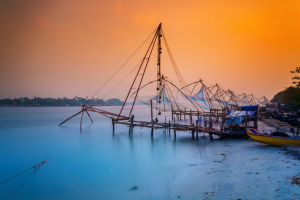
Cuenta con calles de la época colonial, cafeterías, galerías, iglesias, redes de pesca chinas, hoteles boutique y un ambiente relajado para caminar.
Durante el día y a primeras horas de la noche, se siente cómodo y amigable para los turistas.
Cuida tus pertenencias en calles más concurridas y usa transporte después del anochecer si te alojas lejos del centro.
Alleppey y Kumarakom Backwaters
Los backwaters alrededor de Alleppey y Kumarakom son generalmente seguros cuando se visitan a través de operadores de houseboats reputados, resorts o tours organizados.
El ritmo es lento y pintoresco, con canales, pueblos, aves y palmeras de coco.
Los principales problemas de seguridad son la calidad de los barcos, los chalecos salvavidas, la higiene, la protección contra mosquitos y el clima durante el monzón.
Munnar
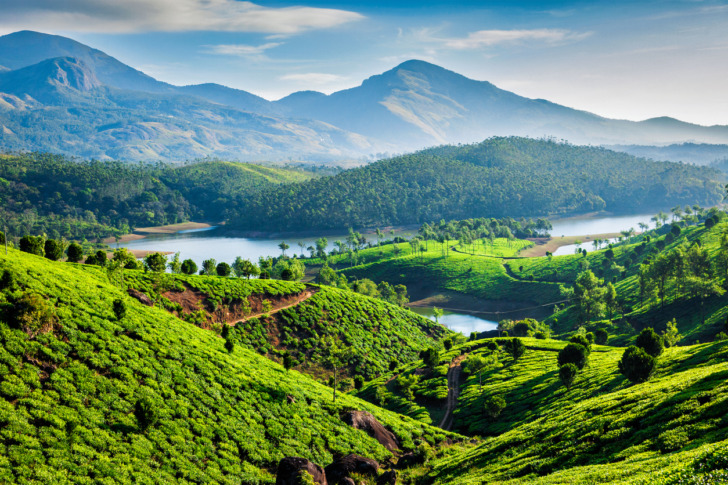
Munnar es uno de los destinos de montaña más seguros de Kerala, conocido por sus plantaciones de té, miradores, cascadas y aire más fresco.
Es tranquilo y pintoresco, pero las carreteras pueden ser empinadas y sinuosas.
Visita los miradores durante el día, evita paradas arriesgadas en la carretera para fotos y ten precaución durante lluvias intensas cuando los deslizamientos de tierra o cierres de carretera son más probables.
Varkala
Varkala es un popular pueblo costero con acantilados dramáticos, centros de yoga, cafeterías, casas de huéspedes y vistas al mar.
Generalmente es seguro, especialmente alrededor del camino principal del acantilado y las áreas de playa durante el día.
Ten cuidado cerca de los bordes de los acantilados, evita nadar cuando las olas son fuertes y usa precaución tarde en la noche en callejones más tranquilos.
Thekkady y Periyar
Thekkady es una zona segura y popular para la vida silvestre, plantaciones de especias y la Reserva del Tigre Periyar.
Las actividades guiadas son la forma más segura de explorar las áreas forestales.
Sigue las reglas del parque, evita alimentar a los animales y no te adentres solo en áreas boscosas.
El turismo de vida silvestre es seguro cuando se trata con respeto.
Lugares a Evitar en Kerala
Playas con Corrientes Fuertes
Las playas de Kerala pueden parecer tranquilas pero tienen olas fuertes, caídas repentinas y corrientes peligrosas.
Evite nadar donde los salvavidas lo desaconsejen, donde haya banderas rojas o donde los locales no entren al agua.
Esto es especialmente importante en Varkala, Kovalam, Marari y playas más aisladas.
Carreteras de Montaña Durante Lluvias Fuertes
Evite viajes innecesarios por carreteras de montaña durante lluvias intensas del monzón, especialmente alrededor de Munnar, Wayanad, Thekkady y otras áreas de los Ghats Occidentales.
Deslizamientos de tierra, poca visibilidad, carreteras mojadas y caída de rocas pueden crear peligros reales.
Si las autoridades locales o conductores aconsejan esperar, espere.
Playas Aisladas o Áreas de Aguas Tranquilas Después del Anochecer
Kerala es seguro, pero playas tranquilas, caminos vacíos en aguas tranquilas y senderos aislados en pueblos después del anochecer no son ideales para caminar solo.
Evite caminar solo tarde en la noche con objetos de valor o después de beber.
Use taxis, traslados de hotel o conductores de confianza al regresar después de la cena.
Ofertas Poco Claras de Casas Flotantes
Una casa flotante puede ser un punto destacado de Kerala, pero la calidad varía.
Evite operadores que sean vagos sobre el tipo de barco, estado de la habitación, ruta, comida, aire acondicionado, equipo de seguridad o precio final.
Reserve a través de proveedores bien valorados y confirme exactamente qué está incluido.
Centros de Tratamiento Ayurvédico Mal Gestionados
Kerala es famosa por el Ayurveda, pero no todos los centros de bienestar son iguales.
Evite clínicas o retiros que hagan afirmaciones médicas poco realistas, presionen por paquetes caros o parezcan poco higiénicos.
Si tiene condiciones de salud, embarazo, alergias o toma medicamentos, hable con un profesional médico calificado antes de tratamientos intensivos.
Tips de Seguridad para Viajar a Kerala
- Planifica alrededor del monzón. La temporada de monzones en Kerala puede ser hermosa, verde y atmosférica, pero también puede traer lluvias intensas, inundaciones, deslizamientos de tierra, mares agitados y interrupciones en las carreteras. Si visitas durante los meses lluviosos, mantén tu itinerario flexible. Evita traslados ajustados por zonas montañosas y no insistas en planes de playa o paseos en barco cuando el clima sea malo.
- Usa conductores de confianza para las zonas montañosas. Las carreteras de las colinas de Kerala son hermosas pero exigentes. Las rutas de Munnar, Wayanad y Thekkady incluyen curvas, caídas pronunciadas, autobuses, camiones, niebla y daños ocasionales en la carretera. Un conductor local tranquilo y experimentado suele ser mejor que conducir tú mismo si no estás familiarizado con las condiciones de las carreteras en India.
- Elige las casas flotantes con cuidado. No reserves una casa flotante solo por el precio más barato. Pregunta sobre la limpieza, las comidas, el aire acondicionado, la ruta, el estado del baño, el equipo de seguridad, el control de mosquitos y si el barco es privado o compartido. Una buena casa flotante es tranquila. Una mala es un arrepentimiento flotante con cortinas.
- Sé cuidadoso con la comida y el agua. Kerala tiene una comida excelente, desde appam y estofado hasta curry de mariscos, dosa, comidas en hojas de plátano y platos con mucho coco. Disfrútala, pero sé inteligente. Bebe agua embotellada o filtrada, elige restaurantes concurridos, evita hielo dudoso y ten precaución con alimentos crudos o jugos callejeros si tu estómago es sensible.
- Respeta las advertencias en la playa. El Mar Arábigo puede estar agitado y no todas las playas son ideales para nadar. Presta atención a las banderas, salvavidas y consejos locales. Evita nadar después de beber, de noche o durante tormentas. Si las olas parecen agresivas, disfruta la vista desde un café en su lugar.
- Protégete contra los mosquitos. Los mosquitos pueden ser un problema, especialmente alrededor de las aguas interiores, bosques y durante los períodos lluviosos. Usa repelente, viste mangas largas y claras por la noche, y elige alojamiento con mosquiteros, aire acondicionado o redes cuando sea necesario. Esto es especialmente importante en áreas rurales, de aguas interiores y junglas.
- Vístete modestamente fuera de las zonas de playa. Kerala es relajado en muchas áreas turísticas, pero sigue siendo culturalmente conservador en pueblos, templos, ciudades y transporte público. La ropa modesta ayuda a reducir la atención no deseada y muestra respeto. La ropa de playa pertenece a la playa, no a los mercados, templos o pueblos de aguas interiores.
- Confirma los precios antes de los viajes y tours. Antes de tomar un auto-rickshaw, taxi, paseo en barco, tour de especias, tour en tuk-tuk o conductor privado, confirma el precio y lo que incluye. Las paradas de compras con comisión son comunes en algunas rutas turísticas. Precios claros mantienen el viaje simple y evitan discusiones incómodas.
- Sigue las reglas de la vida silvestre. En Periyar, Wayanad y áreas forestales, la vida silvestre debe ser tomada en serio. No alimentes a los animales, no te acerques a los elefantes, no dejes senderos sin guía ni ignores las reglas del parque. Incluso los monos pueden causar problemas si la comida es visible. La vida silvestre no está ahí para ayudarte a producir mejores fotos de vacaciones.
- Deja tiempo de margen entre destinos. Kerala parece compacto, pero el viaje puede ser lento debido al tráfico, carreteras sinuosas, ferris, clima y colinas. No planifiques Kochi, Alleppey, Munnar, Thekkady y Varkala como si fueran paradas de metro. Incluye tiempo de margen, especialmente si tienes vuelos, trenes o estancias prepagadas.
Entonces… ¿Qué tan Seguro es Realmente Kerala?
Kerala es una de las regiones más cómodas y amigables para los viajeros de la India.
Cuenta con una infraestructura turística sólida, paisajes hermosos, comunidades acogedoras y una sensación más tranquila que muchas de las ciudades más grandes de la India.
Para familias, parejas, viajeros de bienestar, mochileros, viajeros solitarios y visitantes mayores, Kerala puede ser un destino muy gratificante y manejable.
Aun así, Kerala no debe ser tratado como una burbuja turística libre de riesgos.
Las mayores preocupaciones de seguridad son prácticas: viajes por carretera, clima monzónico, higiene de alimentos y agua, corrientes en las playas, mosquitos, estafas y elegir operadores confiables para casas flotantes, Ayurveda, excursiones de vida silvestre y tours.
Estos problemas se pueden manejar con sentido común, pero son importantes.
En comparación con algunas partes de la India, Kerala a menudo se siente más fácil, limpia y relajada.
Pero el tráfico aún puede ser caótico, las viajeras pueden recibir atención no deseada y las precauciones de salud siguen siendo importantes.
Los viajes más seguros suelen implicar alojamiento central, conductores de confianza, elecciones cuidadosas de alimentos, planificación flexible para el monzón y tiempos de viaje realistas.
En general, Kerala tiene bajo riesgo de delitos graves pero riesgo medio en seguridad vial, clima, higiene del agua y alimentos, condiciones de las playas y viajes al aire libre.
Es seguro, exuberante, memorable y absolutamente vale la pena visitarlo con una preparación sensata.
¿Cómo se Compara Kerala?
| Ciudad | Índice de Seguridad |
|---|---|
| Kerala |
74 |
| Kochi |
70 |
| Delhi |
50 |
| Hyderabad |
60 |
| Goa |
66 |
| Pune |
74 |
| Agra |
50 |
 Muncie Muncie | 52 |
| Hazard | 78 |
| Somerset | 86 |
 Aswan Aswan | 68 |
| Petersburg | 52 |
| East Point | 54 |
Información Útil

Visados
Kerala está en India. Muchos viajeros necesitan una visa o e-visa antes de la llegada, dependiendo de la nacionalidad, el propósito del viaje y la duración de la estancia. Las reglas de entrada y los requisitos de pasaporte pueden variar, así que consulte los requisitos más recientes antes de reservar vuelos, tours o viajes regionales.

Moneda
Kerala utiliza la rupia india. Las tarjetas son aceptadas en muchos hoteles, resorts, restaurantes y oficinas de turismo, pero el efectivo sigue siendo útil para los auto-rickshaws, mercados, propinas, ferris, pequeñas tiendas, templos y áreas rurales. Lleve billetes pequeños y use cajeros automáticos de confianza.

Clima
Kerala tiene un clima tropical con un tiempo cálido y húmedo y fuertes temporadas de monzones. Las zonas costeras son cálidas durante todo el año, mientras que las estaciones de montaña como Munnar son más frescas. Empaca ropa ligera, protección contra la lluvia, protector solar, repelente de insectos, sandalias, zapatos cómodos y atuendos modestos para templos y pueblos.

Aeropuertos
Kerala tiene varios aeropuertos principales, incluyendo Kochi, Thiruvananthapuram, Kozhikode y Kannur. Kochi suele ser la puerta de entrada más conveniente para Fort Kochi, Alleppey, Munnar y el centro de Kerala. Thiruvananthapuram es útil para Kovalam y el sur de Kerala, mientras que Kozhikode y Kannur sirven al norte.

Seguro de Viaje
Se recomienda un seguro de viaje para Kerala, especialmente si su viaje incluye carreteras de montaña, casas flotantes, retiros de Ayurveda, playas, reservas de vida silvestre, trenes o múltiples destinos en India. Elija cobertura para atención médica, cancelaciones, retrasos, equipaje perdido, robos, enfermedades alimentarias, transporte de emergencia, interrupciones por clima y actividades al aire libre.
Temperaturas medias en Kerala
Temperaturas máximas y mínimas
| Temperatura / mes | enero | feb. | marzo | abr. | mayo | jun. | jul. | agosto | set. | oct. | nov. | dic. |
|---|---|---|---|---|---|---|---|---|---|---|---|---|
| Máx. °C |
30 | 31 | 36 | 35 | 35 | 30 | 29 | 30 | 31 | 32 | 32 | 30 |
| Mín. °C |
21 | 22 | 23 | 24 | 23 | 23 | 23 | 23 | 23 | 23 | 22 | 21 |
| Máx. °F |
86 | 88 | 97 | 95 | 95 | 86 | 84 | 86 | 88 | 90 | 90 | 86 |
| Mín. °F |
70 | 72 | 73 | 75 | 73 | 73 | 73 | 73 | 73 | 73 | 72 | 70 |
La India - Seguridad por Ciudad
| Ciudad | Índice de Seguridad |
|---|---|
| Agra | 50 |
| Ahmedabad | 67 |
| Bangalore | 60 |
| Bombay | 55 |
| Calcuta | 48 |
| Calcuta | 49 |
| Chandigarh | 77 |
| Chennai | 50 |
| Delhi | 50 |
| Goa | 66 |
| Gurgaon | 71 |
| Hyderabad | 60 |
| Jaipur | 53 |
| Kerala | 74 |
| Kochi | 70 |
| Mangalore | 75 |
| Navi Mumbai | 80 |
| Noida | 71 |
| Pune | 74 |
| Surat | 80 |
| Thiruvananthapuram | 71 |
| Udaipur | 72 |
| Vadodara | 71 |
| Varanasi | 58 |