


 India : Safety by City
- Agra
- Ahmedabad
- Bangalore
- Chandigarh
- Chennai
- Delhi
- Goa
- Gurgaon
- Hyderabad
- Jaipur
- Kerala
- Kochi
- Kolkata
- Kolkatta
- Mangalore
- Mumbai
- Navi Mumbai
- Noida
- Pune
- Surat
- Thiruvananthapuram
- Udaipur
- Vadodara
- Varanasi
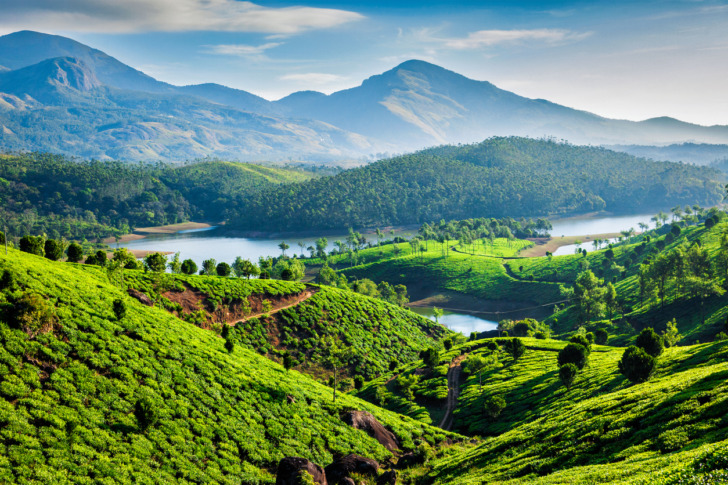
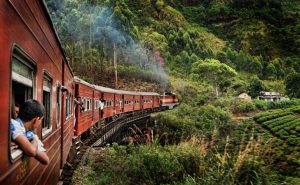
Kerala is one of India’s most distinctive travel regions, stretching along the country’s southwest coast between the Arabian Sea and the Western Ghats.
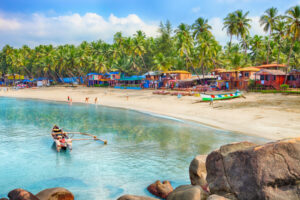
It is famous for coconut palms, backwaters, houseboats, beaches, spice plantations, tea hills, Ayurveda retreats, wildlife sanctuaries, temples, churches, mosques, and a slower, greener feeling than many other parts of India.
Travelers come for places like Kochi, Alleppey, Munnar, Varkala, Thekkady, Wayanad, Kumarakom, and Kovalam, and the experience can range from luxury wellness stays to backpacker beach towns to misty hill-station road trips.
Kerala is generally safe and welcoming for tourists, but it still requires practical awareness.
The main risks are road safety, monsoon flooding, scams, food and water hygiene, beach currents, wildlife areas, mosquitoes, and occasional political strikes or local disruptions.
Warnings & Dangers in Kerala

OVERALL RISK: MEDIUM
Kerala is safer and calmer than many large Indian destinations, but the overall risk is still medium for travelers unfamiliar with India. Violent crime against tourists is uncommon, especially in main tourist areas, but road safety, weather, food hygiene, scams, and beach conditions require attention.

TRANSPORT & TAXIS RISK: MEDIUM
Transport risk is medium. Buses, trains, taxis, auto-rickshaws, ferries, and private drivers are widely used, but roads can be busy, narrow, and winding. Hill roads in Munnar, Wayanad, and Thekkady need extra caution. Confirm fares, use trusted drivers, and avoid rushed night travel.

PICKPOCKETS RISK: LOW
Pickpocketing is not a major issue in Kerala, but it can happen in crowded markets, bus stations, train stations, festivals, ferry areas, and tourist streets. Keep bags zipped, avoid back-pocket wallets, and watch phones in busy places like Kochi, Alleppey, Varkala, and Munnar town.

NATURAL DISASTERS RISK: MEDIUM
Natural hazard risk is medium because Kerala can experience heavy monsoon rains, flooding, landslides, strong seas, heat, thunderstorms, and occasional cyclonic weather effects. Hill districts and backwater areas can be disrupted during intense rain. Monsoon travel can be beautiful, but it needs flexibility.

MUGGING RISK: LOW
Mugging is rare in Kerala’s main tourist areas. Most travelers can walk around central Kochi, resort zones, beach areas, and town centers comfortably during the day and evening. The risk rises slightly late at night in quiet roads, isolated beaches, or when walking alone after drinking.

TERRORISM RISK: LOW
The terrorism risk in Kerala is low for ordinary travelers. It is not generally seen as a high-risk terrorism destination. Visitors should still use normal awareness in crowded transport hubs, large religious gatherings, festivals, and public events, but terrorism is not a major day-to-day concern.

SCAMS RISK: MEDIUM
Scams and tourist overcharging are more realistic than serious crime. Watch for inflated taxi fares, vague houseboat pricing, pushy Ayurveda packages, commission-based shopping stops, overpriced spice tours, and unclear homestay or tour inclusions. Confirm the full price and details before agreeing.

WOMEN TRAVELERS RISK: MEDIUM
Kerala is generally manageable for women travelers, including solo women, but caution is still wise. Unwanted attention, staring, or uncomfortable comments can happen. Women should dress modestly outside beach areas, avoid isolated walks after dark, choose well-reviewed accommodation, and use trusted transport at night.

TAP WATER RISK: MEDIUM
Tap water in Kerala is not recommended for most travelers to drink untreated. Use bottled, boiled, or properly filtered water. Be careful with ice, raw foods, cut fruit, and street juices if your stomach is sensitive. Hydration is important, especially in humid coastal areas.
Safest Places to Visit in Kerala
Fort Kochi
Fort Kochi is one of Kerala’s safest and easiest areas for first-time visitors.
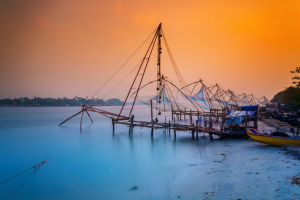
It has colonial-era streets, cafes, galleries, churches, Chinese fishing nets, boutique hotels, and a relaxed walking atmosphere.
During the day and early evening, it feels comfortable and tourist-friendly.
Watch your belongings in busier streets and use transport after dark if staying far from the center.
Alleppey and Kumarakom Backwaters
The backwaters around Alleppey and Kumarakom are generally safe when visited through reputable houseboat operators, resorts, or organized tours.
The pace is slow and scenic, with canals, villages, birds, and coconut palms.
The main safety issues are boat quality, life jackets, hygiene, mosquito protection, and weather during monsoon.
Munnar
Munnar is one of Kerala’s safest hill destinations, known for tea plantations, viewpoints, waterfalls, and cooler air.
It is calm and scenic, but the roads can be steep and winding.
Visit viewpoints in daylight, avoid risky roadside photo stops, and be cautious during heavy rain when landslides or road closures are more likely.
Varkala
Varkala is a popular beach town with dramatic cliffs, yoga centers, cafes, guesthouses, and sea views.
It is generally safe, especially around the main cliff path and beach areas during the day.
Be careful near cliff edges, avoid swimming when waves are strong, and use caution late at night in quieter lanes.
Thekkady and Periyar
Thekkady is a safe and popular area for wildlife, spice plantations, and Periyar Tiger Reserve.
Guided activities are the safest way to explore forest areas.
Follow park rules, avoid feeding animals, and do not wander into forested areas alone.
Wildlife tourism is safe when treated with respect.
Places to Avoid in Kerala
Beaches With Strong Currents
Kerala’s beaches can look calm but have strong waves, sudden drop-offs, and dangerous currents.
Avoid swimming where lifeguards warn against it, where red flags are posted, or where locals are not entering the water.
This is especially important in Varkala, Kovalam, Marari, and more isolated beaches.
Hill Roads During Heavy Rain
Avoid unnecessary travel on hill roads during heavy monsoon rain, especially around Munnar, Wayanad, Thekkady, and other Western Ghats areas.
Landslides, poor visibility, wet roads, and falling rocks can create real hazards.
If local authorities or drivers advise waiting, wait.
Isolated Beaches or Backwater Areas After Dark
Kerala is safe, but quiet beaches, empty backwater roads, and isolated village paths after dark are not ideal for solo wandering.
Avoid walking alone late at night with valuables or after drinking.
Use taxis, hotel transfers, or trusted drivers when returning after dinner.
Unclear Houseboat Offers
A houseboat can be a highlight of Kerala, but quality varies.
Avoid operators who are vague about the boat type, room condition, route, food, air conditioning, safety equipment, or final price.
Book through well-reviewed providers and confirm exactly what is included.
Poorly Managed Ayurvedic Treatment Centers
Kerala is famous for Ayurveda, but not every wellness center is equal.
Avoid clinics or retreats that make unrealistic medical claims, push expensive packages, or seem unhygienic.
If you have health conditions, pregnancy, allergies, or take medications, speak with a qualified medical professional before intensive treatments.
Safety Tips for Traveling to Kerala
- Plan around the monsoon. Kerala’s monsoon season can be beautiful, green, and atmospheric, but it can also bring heavy rain, flooding, landslides, rough seas, and road disruptions. If visiting during the rainy months, keep your itinerary flexible. Avoid tight transfers through hill regions, and do not push beach or boat plans when weather is bad.
- Use trusted drivers for hill areas. Kerala’s hill roads are gorgeous but demanding. Munnar, Wayanad, and Thekkady routes include curves, steep drops, buses, trucks, fog, and occasional road damage. A calm, experienced local driver is usually better than self-driving if you are unfamiliar with Indian road conditions.
- Choose houseboats carefully. Do not book a houseboat based only on the cheapest price. Ask about cleanliness, meals, air conditioning, route, bathroom condition, safety equipment, mosquito control, and whether the boat is private or shared. A good houseboat is peaceful. A bad one is a floating regret with curtains.
- Be careful with food and water. Kerala has excellent food, from appam and stew to seafood curry, dosa, banana leaf meals, and coconut-heavy dishes. Enjoy it, but be smart. Drink bottled or filtered water, choose busy restaurants, avoid questionable ice, and be cautious with raw foods or street juices if your stomach is sensitive.
- Respect beach warnings. The Arabian Sea can be rough, and not every beach is ideal for swimming. Pay attention to flags, lifeguards, and local advice. Avoid swimming after drinking, at night, or during storms. If the waves look aggressive, enjoy the view from a cafe instead.
- Protect against mosquitoes. Mosquitoes can be an issue, especially around backwaters, forests, and during rainy periods. Use repellent, wear light long sleeves in the evening, and choose accommodation with screens, air conditioning, or mosquito nets when needed. This is especially important in rural, backwater, and jungle areas.
- Dress modestly outside beach zones. Kerala is relaxed in many tourist areas, but it is still culturally conservative in villages, temples, towns, and public transport. Modest clothing helps reduce unwanted attention and shows respect. Beachwear belongs at the beach, not in markets, temples, or backwater villages.
- Confirm prices before rides and tours. Before taking an auto-rickshaw, taxi, boat ride, spice tour, tuk-tuk tour, or private driver, confirm the price and what is included. Commission shopping stops are common in some tourist routes. Clear pricing keeps the trip simple and avoids awkward arguments.
- Follow wildlife rules. In Periyar, Wayanad, and forest areas, wildlife should be treated seriously. Do not feed animals, approach elephants, leave trails without a guide, or ignore park rules. Even monkeys can cause problems if food is visible. Wildlife is not there to help you produce better vacation photos.
- Leave buffer time between destinations. Kerala looks compact, but travel can be slow because of traffic, winding roads, ferries, weather, and hills. Do not plan Kochi, Alleppey, Munnar, Thekkady, and Varkala like they are subway stops. Build in buffer time, especially if you have flights, trains, or prepaid stays.
So... How Safe Is Kerala Really?
Kerala is one of India’s more comfortable and traveler-friendly regions.
It has strong tourism infrastructure, beautiful scenery, welcoming communities, and a calmer feeling than many of India’s biggest cities.
For families, couples, wellness travelers, backpackers, solo travelers, and older visitors, Kerala can be a very rewarding and manageable destination.
Still, Kerala should not be treated like a risk-free resort bubble.
The biggest safety concerns are practical: road travel, monsoon weather, food and water hygiene, beach currents, mosquitoes, scams, and choosing reputable operators for houseboats, Ayurveda, wildlife trips, and tours.
These issues are common-sense manageable, but they matter.
Compared with some parts of India, Kerala often feels easier, cleaner, and more relaxed.
But traffic can still be chaotic, women travelers may still get unwanted attention, and health precautions are still important.
The safest trips usually involve central accommodation, trusted drivers, careful food choices, flexible monsoon planning, and realistic travel times.
Overall, Kerala is low risk for serious crime but medium risk for road safety, weather, water and food hygiene, beach conditions, and outdoor travel.
It is safe, lush, memorable, and absolutely worth visiting with sensible preparation.
How Does Kerala Compare?
| City | Safety Index |
|---|---|
| Kerala |
74 |
| Bangalore |
60 |
| Ahmedabad |
67 |
| Pune |
74 |
| Gurgaon |
71 |
| Navi Mumbai |
80 |
| Hyderabad |
60 |
 Meads Bay Meads Bay | 90 |
 Kennewick Kennewick | 40 |
 Beijing Beijing | 75 |
| New Braunfels | 83 |
 Sorrento Sorrento | 75 |
| Taylor | 68 |
Useful Information

Visas
Kerala is in India. Many travelers need a visa or e-visa before arrival, depending on nationality, trip purpose, and length of stay. Entry rules and passport requirements can vary, so check the latest requirements before booking flights, tours, or regional travel.

Currency
Kerala uses the Indian rupee. Cards are accepted in many hotels, resorts, restaurants, and tour offices, but cash is still useful for auto-rickshaws, markets, tips, ferries, small shops, temples, and rural areas. Carry smaller notes and use reputable ATMs.

Weather
Kerala has a tropical climate with hot, humid weather and strong monsoon seasons. Coastal areas are warm year-round, while hill stations like Munnar are cooler. Pack light clothing, rain protection, sunscreen, insect repellent, sandals, comfortable shoes, and modest outfits for temples and villages.

Airports
Kerala has several major airports, including Kochi, Thiruvananthapuram, Kozhikode, and Kannur. Kochi is often the most convenient gateway for Fort Kochi, Alleppey, Munnar, and central Kerala. Thiruvananthapuram is useful for Kovalam and southern Kerala, while Kozhikode and Kannur serve the north.

Travel Insurance
Travel insurance is recommended for Kerala, especially if your trip includes hill roads, houseboats, Ayurveda retreats, beaches, wildlife reserves, trains, or multiple Indian destinations. Choose coverage for medical care, cancellations, delays, lost luggage, theft, food illness, emergency transport, weather disruption, and outdoor activities.
Kerala Weather Averages (Temperatures)
Average High/Low Temperature
| Temperature / Month | Jan | Feb | Mar | Apr | May | Jun | Jul | Aug | Sep | Oct | Nov | Dec |
|---|---|---|---|---|---|---|---|---|---|---|---|---|
| High °C |
30 | 31 | 36 | 35 | 35 | 30 | 29 | 30 | 31 | 32 | 32 | 30 |
| Low °C |
21 | 22 | 23 | 24 | 23 | 23 | 23 | 23 | 23 | 23 | 22 | 21 |
| High °F |
86 | 88 | 97 | 95 | 95 | 86 | 84 | 86 | 88 | 90 | 90 | 86 |
| Low °F |
70 | 72 | 73 | 75 | 73 | 73 | 73 | 73 | 73 | 73 | 72 | 70 |
India - Safety by City
| City | Safety Index |
|---|---|
| Agra | 50 |
| Ahmedabad | 67 |
| Bangalore | 60 |
| Chandigarh | 77 |
| Chennai | 50 |
| Delhi | 50 |
| Goa | 66 |
| Gurgaon | 71 |
| Hyderabad | 60 |
| Jaipur | 53 |
| Kerala | 74 |
| Kochi | 70 |
| Kolkata | 49 |
| Kolkatta | 48 |
| Mangalore | 75 |
| Mumbai | 55 |
| Navi Mumbai | 80 |
| Noida | 71 |
| Pune | 74 |
| Surat | 80 |
| Thiruvananthapuram | 71 |
| Udaipur | 72 |
| Vadodara | 71 |
| Varanasi | 58 |












Have you noticed if the slower pace in Kerala really helps with feeling relaxed, or does it sometimes make getting around a bit frustrating?