


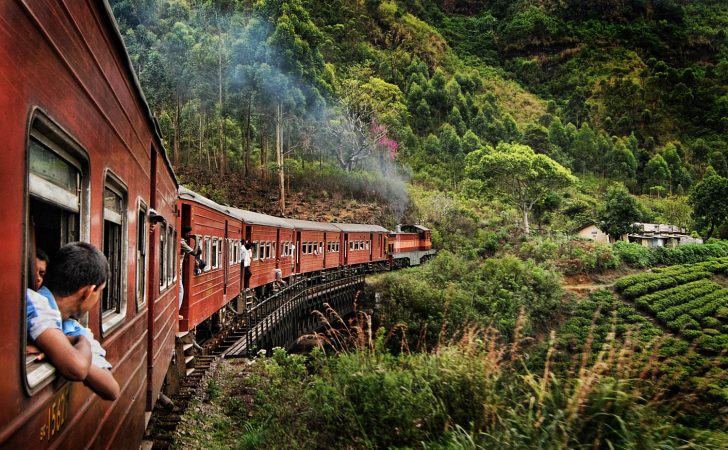
Sri Lanka is one of those rare places where ancient temples, surf towns, tea-covered mountains, and wildlife safaris all fit neatly onto one compact island.
Floating just south of India in the Indian Ocean, it sits at a historic crossroads of trade routes, which explains why its culture blends South Asian, Arab, European, and Indigenous influences into something uniquely its own.
Its recorded history stretches back more than 2,500 years, shaped by powerful kingdoms, Portuguese and Dutch traders, British colonial rule, and a long civil war that ended in 2009.
More recently, Sri Lanka faced major economic turmoil, fuel shortages, and political unrest, leading to widespread protests and a change in leadership.
The election of a new president in 2024 has brought cautious optimism, with economic stabilization efforts and tourism recovery now top priorities, helping restore confidence and safety for visitors.
In 2025, about 1.2 million travelers arrived, drawn by a mix of palm-lined beaches, misty tea hills, ancient cities, wildlife reserves, spice-filled cuisine, and deeply rooted spiritual traditions.
From laid-back surf towns and scenic train rides to sacred temples and safari adventures, Sri Lanka manages to feel both wildly diverse and refreshingly accessible.
It is a country rebuilding, recalibrating, and once again opening its doors to curious travelers who want culture, nature, and adventure in one unforgettable trip.
Warnings & Dangers in Sri Lanka

OVERALL RISK: MEDIUM
Sri Lanka has seen notable improvements since the 2022 crisis, but it still comes with a medium risk. However, more experienced globe-trotters might feel like the risk is low.

TRANSPORT & TAXIS RISK: MEDIUM
We're giving this a medium risk, mostly because every form of travel comes with a "but" in the explanation. Renting a car is an option, but most people choose to avoid the chaos and challenges on the local roads. Taxis and "tuk-tuks" are available, but can be scamming central if you're not paying attention. Also, agree to fares before you get in. Public transportation, like buses, is generally discouraged due to safety issues. If you want to take the railway, check travel advisories for the latest risks or weather impacts.

PICKPOCKETS RISK: LOW
The risk is low, but there's an underbelly of thieves waiting in busy tourist areas. You'll want to keep your guard up, whether you're at an ATM, making a purchase, or talking to a local. Do your best to blend in and don't display signs of wealth.

NATURAL DISASTERS RISK: MEDIUM
Sri Lanka faces natural disaster risks year-round, thanks to its rotating monsoon seasons, which is why we're giving this a medium risk. From May to September, the southwest monsoon brings heavy rain, flooding, and landslides to western, southern, and central regions. October to January shifts that risk north and east. Cyclones and tropical storms can strike in spring and fall, bringing damaging winds, flooding, and rough seas.

MUGGING RISK: LOW
The risk of violent crime is low, but that doesn't mean you shouldn't worry about it. The bigger risk is being scammed or getting caught in the center of a gang dispute accidentally.

TERRORISM RISK: MEDIUM
Terrorism risk is medium, and it's also one of the reasons the United States puts an elevated risk level in Sri Lanka. There's another layer of civil unrest that can lead to demonstrations or protests. Avoid these gatherings.

SCAMS RISK: HIGH
I'm putting this as a high risk due to the sheer number of fraud attempts mentioned in government advisories. For example, street scam artists are known to linger in tourist areas. Taxi or tuk-tuk drivers are known to pitch tours or event access with high-pressure tactics. Also, if you're surfing, take photos of your board before and after you use it to avoid being charged for fraudulent damage fees.

WOMEN TRAVELERS RISK: MEDIUM
Women face a medium risk, and verbal harassment or unwanted attention are common, especially for solo female travelers. Most travel advisories have a special section for women's safety in Sri Lanka. Be sure to read that before planning a trip.

TAP WATER RISK: HIGH
Tap water comes with a high risk and shouldn't be used for drinking or cooking. Don't let restaurants serve you ice cubes from tap water. Bottled water is fine, but be sure the seal isn't broken before drinking it.
Safest Places to Visit in Sri Lanka
The official tourism website is srilanka.travel.
This is connected to the Tourism Development Authority and the Ministry of Tourism.
Under the Plan Your Trip header, there’s a section about Tourism News you might find helpful.
I’d also recommend bookmarking the “Situation Update” header and adding the Tourism Hotline to your phone’s contacts list.
Sri Lanka packs an absurd amount of variety into a relatively small island, so breaking it down by region keeps things sane.
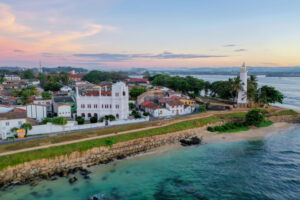
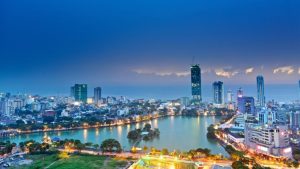
Along the west and south coasts, Colombo, Negombo, Bentota, Hikkaduwa, Mirissa, Unawatuna, and Galle deliver beaches, colonial architecture, surf breaks, whale watching, sea turtles, and sunset fort walks.
Galle Fort alone can soak up a full day of wandering, snacking, and shopping.
In the Cultural Triangle, Anuradhapura, Polonnaruwa, Sigiriya, and Dambulla bring ancient cities, royal ruins, massive stupas, cave temples, and the iconic Lion Rock fortress.
Nearby Minneriya and Kaudulla national parks are prime spots for elephant safaris.
Central Sri Lanka shifts gears with cooler weather, tea plantations, waterfalls, and mountain views.
Kandy, Nuwara Eliya, Ella, Haputale, and Horton Plains offer scenic train rides, hiking, misty viewpoints, botanical gardens, and classic tea estates.
The train ride from Kandy to Ella is often called one of the most beautiful in the world, and for once, that is not marketing fluff.
The east coast offers quieter beach escapes in Trincomalee, Nilaveli, Pasikudah, and Arugam Bay, the latter being a global surf favorite.
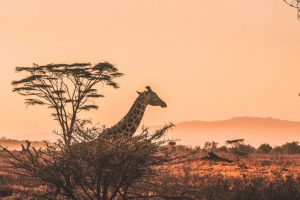
In the south and southeast, Yala, Udawalawe, and Bundala national parks deliver leopard, elephant, crocodile, and bird safaris.
Places to Avoid in Sri Lanka
Sri Lanka does not have specific neighborhoods or regions that travelers need to flat-out avoid, but there are situational risks worth knowing.
During monsoon season, parts of the central highlands and hill country are prone to landslides and flash flooding, especially around Kandy, Nuwara Eliya, Ella, and mountain roadways.
Travel disruptions and road closures are common, so flexibility is key.
In northern and eastern areas, particularly parts of the Jaffna Peninsula, residual landmine risks still exist in remote and undeveloped zones, making it important to stay on established roads and use local guides.
Cultural missteps can also create problems.
Disrespecting religious sites, ignoring modest dress standards, or posing inappropriately near Buddhist statues can quickly escalate into serious legal trouble.
Safety Tips for Traveling to Sri Lanka
- Sri Lanka’s national emergency number is 119, which connects you directly to police services. For ambulance and fire services, dial 110. Operators generally speak English, especially in major cities and tourist areas. Save both numbers in your phone before arrival. In rural areas, response times can be slower, so hotels and local guides are often your fastest first call.
- Sri Lanka uses a government mobile alert system that pushes emergency notifications directly to local SIM cards for floods, landslides, tsunamis, and major security events. If you buy a local SIM, you will receive these automatically. Travelers should also monitor the Sri Lanka Disaster Management Centre and follow hotel alerts, especially during the monsoon season.
- Foreign visitors need both an International Driving Permit and a temporary Sri Lankan driving permit to legally drive. That said, traffic here is chaotic, signage is limited, and road rules are more suggestions than laws. Hiring a private driver is safer, more affordable, and far less stressful.
- No vaccines are mandatory for entry, but travelers should be up-to-date on routine shots, plus hepatitis A, typhoid, and tetanus. Depending on travel plans, doctors may also suggest hepatitis B, rabies, or Japanese encephalitis. Mosquito-borne illnesses like dengue are present, so pack strong insect repellent and take bite prevention seriously.
- Sinhala and Tamil are the official languages, but English is widely spoken, especially in hotels, restaurants, tour companies, and transportation hubs. You will have no trouble navigating daily travel using English.
- Always carry your passport or a secure copy with you. Sri Lanka uses police and military checkpoints, particularly outside major cities. If you cannot produce valid identification, you may be detained until your identity is confirmed.
- Do not bring e-cigarettes, vaping devices, weapons, ammunition, explosives, gold, narcotics, or pornography into Sri Lanka. Customs enforcement is strict, and violations can lead to confiscation, heavy fines, arrest, and even prison time. If it seems remotely questionable, leave it at home.
- Never pose for photos with your back to a Buddha statue or display religious imagery disrespectfully. This is considered deeply offensive and can result in fines, arrest, or denial of entry. Visible Buddha tattoos have led to travelers being detained or deported. Cover religious tattoos and treat temples and statues with the same respect you would give sacred spaces anywhere.
- Same-sex relationships remain criminalized under Sri Lankan law, with penalties including prison time and fines. While enforcement against tourists is rare, public displays of affection or overt LGBTQ+ expression can draw unwanted attention. Travelers should exercise discretion, especially outside major cities.
- Although major mine clearance efforts have been completed, some areas in the Jaffna Peninsula and eastern Sri Lanka may still contain marked or unmarked minefields. Travelers should stay on paved roads, follow local guidance, and avoid wandering into undeveloped areas.
So... How Safe Is Sri Lanka Really?
Sri Lanka isn’t among the most dangerous countries, but the list of risks is eye-opening.
Governments like the United States, Canada, and Australia use a four-tiered scale to determine risk levels.
Level 1 is the lowest, and Level 4 is the highest.
Sri Lanka falls solidly into Level 2: Exercise Increased Caution, due to potential terrorism, civil unrest, crime, and landmines.
You’ll also want to do some research about recent weather events.
For example, a cyclone in November 2025 impacted transportation and road traffic and led to the loss of life.
In addition to reviewing the travel advisories for updates, check the Sri Lanka Tourism Alliance and Sri Lanka Tourism Development Authority websites for time-sensitive information.
Even with the risks, nearly 1.2 million people visited in 2025.
More than 50% were from Europe, and another 42% were from Asia.
Less than 6% were from the United States.
How Does Sri Lanka Compare?
| Country | Safety Index |
|---|---|
 Sri Lanka Sri Lanka | 60 |
 Equatorial Guinea Equatorial Guinea | 48 |
 Guinea-Bissau Guinea-Bissau | 36 |
 Iran Iran | 35 |
 Puerto Rico Puerto Rico | 48 |
 Anguilla Anguilla | 70 |
 Mali Mali | 31 |
 Japan Japan | 89 |
 Bahrain Bahrain | 46 |
Useful Information

Visas
Most travelers need an Electronic Travel Authorization (ETA) before arriving in Sri Lanka. It is an easy online application that usually gets approved within a couple of days. The standard tourist ETA allows a 30-day stay and can be extended once you are in the country. Always apply through the official government site and skip sketchy third-party services.

Currency
Sri Lanka uses the Sri Lankan Rupee (LKR). Cash is still king outside major hotels and tourist areas, so carry small bills. ATMs are common in cities but can be spotty in rural areas. Credit cards work in bigger hotels and restaurants, but for markets, tuk-tuks, and street food, cash keeps things simple.

Weather
Sri Lanka is warm year-round, but the weather depends heavily on the monsoon seasons. The southwest monsoon hits the west and south coasts from May to September, while the northeast monsoon affects the north and east from October to January.

Airports
Bandaranaike International Airport (CMB) near Colombo is the main international gateway, where nearly all long-haul flights land. Mattala Rajapaksa International Airport (HRI) serves limited routes and occasional charters. CMB is modern, efficient, and well-connected, with taxis, ride services, and hotel transfers, making the Colombo run straightforward.

Travel Insurance
Travel insurance is a smart move for Sri Lanka, covering medical care, trip delays, cancellations, and lost luggage. Healthcare is solid in Colombo but limited in rural areas, so evacuation coverage matters. If you plan on surfing, diving, hiking, or wildlife safaris, make sure your policy covers adventure activities and emergency transport.
Sri Lanka Weather Averages (Temperatures)
Average High/Low Temperature
| Temperature / Month | Jan | Feb | Mar | Apr | May | Jun | Jul | Aug | Sep | Oct | Nov | Dec |
|---|---|---|---|---|---|---|---|---|---|---|---|---|
| High °C |
31 | 31 | 32 | 32 | 32 | 30 | 30 | 30 | 30 | 30 | 30 | 31 |
| Low °C |
23 | 23 | 25 | 25 | 26 | 25 | 25 | 25 | 24 | 24 | 24 | 23 |
| High °F |
88 | 88 | 90 | 90 | 90 | 86 | 86 | 86 | 86 | 86 | 86 | 88 |
| Low °F |
73 | 73 | 77 | 77 | 79 | 77 | 77 | 77 | 75 | 75 | 75 | 73 |
Sri Lanka - Safety by City
| City | Safety Index |
|---|---|
| Colombo | 70 |
| Galle | 77 |
| Kandy | 73 |






The British government state that Sri Lanka has a high risk of terrorist attacks.. please review this
Zero Terrorists
💯 no risk here now.
Is it safe?
So no major risks at the moment?
A lot of countries are issuing a warning to re-schedule travel plans and to avoid travel to Sri Lanka…
We are hoping to come in June 2022
lol! Britain has highest risk of terrorist attacks than Sri Lanka
Stunning
Love Sri Lanka, beautiful country, no risks
Inaccurate infor.
Christians in both groups are recent converts who have kept the traditional culture, though there are all kinds of religions here: Islam, Buddhism, Hinduism, etc.
Above statement is false. Buddhism is the main religion with more than 70% of the population.
https://en.wikipedia.org/wiki/Sri_Lanka
70.2% Buddhism
12.6% Hinduism
9.7% Islam
7.4% Christianity
0.1% Other/None
What about people who do not have a religion? Do you have the accurate data.
One can not rely the data coming out of the country as there are no accurate statics coming out of the statistics department. A good example is during the Covid 19 time the number of deaths reported was very low. This was purposefully done in many occasions in order to show that SL was safe to some tourists. The action failed as many foreign visitors contacted their own country health departments to verify before travel.
covid is a flu…you are more at risk of death having taken the vaccine.
Sri Lanka HOLY SH_T
WE ALL LOVE THIS NATION CALLED Sri Lanka!!!!!!!!!!!!!!!Sri Lanka IS ONE OF THE SAFEST COUNTRIES IN South Asia!!!!!!!!!!!!!!!!!!!!!!!!!!!!!!!!!!!!!!!!!!!!!!!!!!!!!!!!!!!!!!!!!!!!!!!!!!!!!!!!
I think this really depends on where you go and what you do. Some aspects of Sri Lanka are VERY unsafe and there are places where you can get robbed, hurt, or even killed if you are not careful. I won’t say this place is 100% unsafe but you can’t claim it is 100% safe either.
Safe place to travel
Yes, any country for that matter is unsafe today, for example USA, Canada, UK where there is gun violence, and compared to these countries Sri Lanka is much safer. There are killings on personal grounds but tourists are unharmed. There was terrorism more than a decade ago but last 13 years had been peaceful. Sri Lanka has party politics and corruption in that realm, but, that’s nothing much to be concerned by nature and peace loving tourists.
But, yes, you can be Scammed by some if shown vulnerable. So please act confident and comfortable and as someone mentioned do not fall in to unsolicited support or opinions. Have a safe trip and Sri Lanka is one of the places!!!
i give 9/10
as you saw in article please be aware about scammers otherwise it’s safe to travel, they are very respectfull and friendly people, no terrorists,
Sri Lanka is a most beautiful country , i ever visit. Good peoples, Good weather. Amazing historical places to visit. Amazing 😍
With love SL 🌹
BEATUFIUL COUNTRY TO VISIT
Super country! Sinhalese are the top nation in the world!
Surfing in Sri Lanka followed by sipping tea in the misty hills sounds like the perfect way to unwind after exploring those incredible ancient temples!
Apparently it’s all “refreshingly accessible” until you miss the last Kandy to Ella train and sit on those misty tea slopes feeling equal parts annoyed and oddly grateful.
Honestly, didn’t expect to feel such a weird mix of calm and excitement around here when the train climbed into the misty tea hills and the air smelled like wet earth and cinnamon.
Been there recently and while the beaches are nice, I found some roads still pretty rough and getting around took longer than expected.
I remember the quiet moments on the misty tea hills feeling like I had stepped into a different world, even with the hustle around me.
I tried catching a wave in one of those surf towns and ended up more soaked than skilled, but hey, the sunsets made it totally worth the wipeout.
Caught a sunset over the tea hills last year and still feel like I’ve never seen colors quite like that anywhere else.